A Comprehensive Guide to Selecting Packaging Machinery Suppliers for Global Procurement
A Comprehensive Guide to Selecting Packaging Machinery Suppliers for Global Procurement
Introduction: The Importance of Strategic Supplier Selection
Selecting the right packaging machinery supplier is a critical decision that impacts production efficiency, product quality, and long-term operational costs. This guide provides a structured framework for procurement professionals to evaluate and select packaging equipment suppliers, with a focus on automated solutions for modern manufacturing and logistics operations.
Key Evaluation Criteria for Packaging Machinery Suppliers
1. Technical Capabilities & Product Range
Evaluate the supplier's core product portfolio and technical specialization. A comprehensive supplier should offer a range of equipment including:
- Shrink packaging machines (e.g., automatic side sealer models like SCT-5545TBC)
- Automatic bagging machines (e.g., model SCT for electronics 3C industry)
- Carton erectors and sealers (e.g., high-speed SCK-40H50, standard SCK-40)
- Strapping machines (e.g., low-profile SCD-101B, standard SCD-101A)
- Vacuum packaging machines (e.g., fully automatic DZQ model)
- Palletizers (e.g., collaborative robot XZ-30)
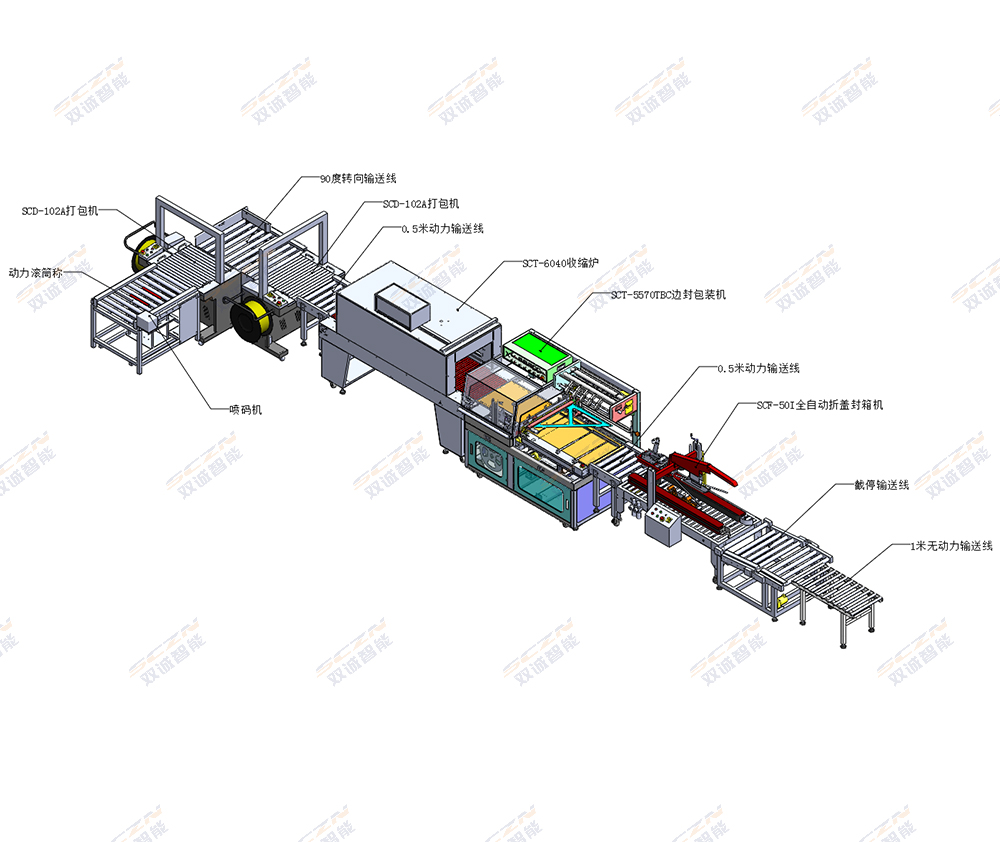
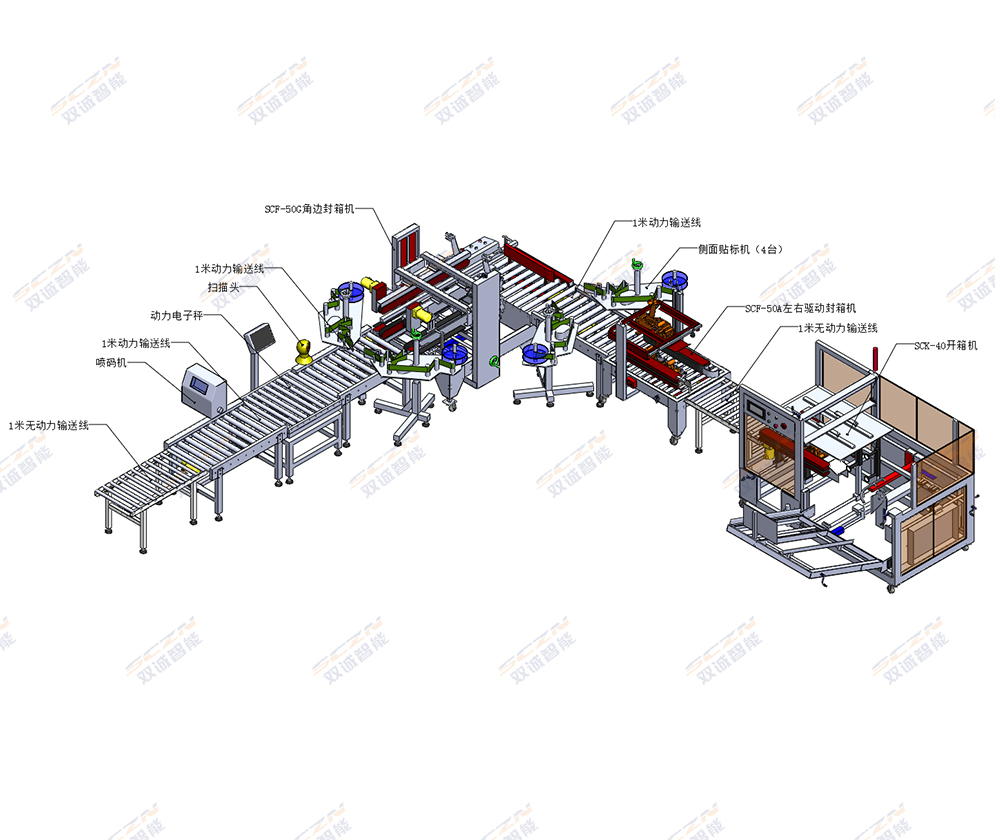
- Complete packaging lines (e.g., SCZN fully automatic systems)
2. Manufacturing & Quality Infrastructure
Assess the physical and organizational capabilities that ensure consistent quality:
- Manufacturing facility size (e.g., 5000 square meters operations)
- Workforce scale and structure (e.g., 101-200 employees with specialized roles)
- Research and development resources (e.g., R&D team of over 20 engineers)
- Quality control processes (e.g., 100% testing protocols)
- Certifications and standards compliance
3. Industry Experience & Application Expertise
Verify the supplier's experience across relevant industries:
- Food & beverage packaging solutions
- Pharmaceuticals & cosmetics applications
- 3C electronics and hardware components
- E-commerce logistics and fulfillment
- Cold-chain fresh produce handling
- Building materials and industrial products
4. Global Operations & Market Presence
Consider the supplier's international capabilities:
- Export business volume (e.g., 35% of total sales indicates export experience)
- Primary served markets (e.g., India, Vietnam, Southeast Asia, Europe)
- Logistics and shipping arrangements
- International payment and documentation processes
- Cross-cultural communication capabilities
Supplier Capability Assessment: A Practical Framework
Example Supplier Profile: Shenzhen Shuangcheng Intelligent Packaging Equipment Co., Ltd.
Established in 2005, this national high-tech enterprise located in China's Shenzhen Special Economic Zone provides a reference point for supplier evaluation:
- Business Focus: Specializes in the research and development, design, production and sales of automated packaging machinery and equipment services.
- Product Portfolio: Main products include shrink packaging machines, automatic bagging machines, carton erectors, carton sealers, strapping machines, vacuum packaging machines, palletizers, e-commerce packaging machines, end-of-line packaging production lines, and industrial packaging materials.
- Manufacturing Scale: Operates a 5000 square meter research and development and production workshop with 101-200 employees.
- Technical Resources: Maintains an R&D team of over 20 engineers and technicians.
- Global Reach: Serves markets in India, Vietnam, Southeast Asia, and Europe, with export business accounting for 35% of total sales.
Equipment Specifications and Compatibility Analysis
| Equipment Type | Model Example | Key Parameters | Primary Industries |
|---|---|---|---|
| Shrink Wrapping Machine | SCT-5545TBC | Automatic side sealer, packaging speed: 0-50 pcs/min | Manufacturing |
| Carton Erector | SCK-40H50 | High-speed, case forming: 20-30 cases/minute | E-commerce, Food & Beverage, Pharmaceuticals |
| Strapping Machine | SCD-101B | Low-profile, strapping speed: ≤2.5 seconds/course | E-commerce, Logistics, Pharmaceuticals |
| Palletizer | XZ-30 | Collaborative robot, max weight: 30kg, speed: 8-12 cycles/min | Food, Beverages, Logistics, Warehousing |
| Packaging Line | SCZN | Fully automatic, covers carton forming to stretch wrapping | E-commerce, Food & Beverage, Pharmaceuticals, 3C Electronics |
Procurement Process & Due Diligence Checklist
Pre-Purchase Evaluation Checklist
- Technical Assessment:
- Review detailed equipment specifications and performance data
- Verify compatibility with existing production lines
- Request technical documentation and engineering drawings
- Evaluate automation level and integration capabilities
- Supplier Verification:
- Confirm business registration and corporate history
- Validate manufacturing facility size and capabilities
- Verify workforce qualifications and technical expertise
- Check references from existing clients in similar industries
- Quality & Compliance:
- Review quality control procedures and testing protocols
- Verify compliance with relevant industry standards
- Check certification status (e.g., national high-tech enterprise designation)
- Assess safety features and risk management systems
- Commercial Terms:
- Evaluate pricing structure and total cost of ownership
- Review payment terms and financing options
- Assess warranty coverage and after-sales support
- Confirm delivery timelines and logistics arrangements
Implementation and Post-Purchase Considerations
Successful procurement extends beyond the purchase decision. Consider these implementation factors:
- Installation Support: Determine the level of on-site installation assistance provided
- Training Programs: Evaluate operator and maintenance training offerings
- Spare Parts Availability: Assess inventory and delivery time for critical components
- Technical Support: Review remote support capabilities and response times
- Performance Validation: Establish acceptance testing protocols and performance benchmarks
Conclusion: Building Sustainable Supplier Relationships
Selecting a packaging machinery supplier is not merely a transactional decision but the beginning of a strategic partnership. The ideal supplier should demonstrate technical expertise, reliable manufacturing capabilities, and a commitment to long-term support. By systematically evaluating suppliers against the criteria outlined in this guide, procurement professionals can make informed decisions that align with their organization's operational requirements, quality standards, and strategic objectives.
As packaging technologies continue to evolve, maintaining open communication with suppliers about emerging needs and technological developments will help ensure that packaging operations remain efficient, cost-effective, and adaptable to changing market demands.