
Navigating Certification and Compliance: A Buyer's Guide to Shrink Wrap Machine Suppliers
Navigating Certification and Compliance: A Buyer's Guide to Shrink Wrap Machine Suppliers
For procurement professionals in the manufacturing and logistics sectors, selecting a shrink wrap machine supplier involves more than comparing price and speed. A critical, yet often overlooked, factor is the supplier's adherence to certification and technical compliance standards. These standards serve as a formal benchmark for product safety, intellectual property protection, and manufacturing quality. This guide provides a structured framework for evaluating shrink wrap machine suppliers based on their certification credentials and compliance posture.
Why Certification Matters in Procurement
Certifications, such as Utility Model Patents or international safety standards, are not merely marketing tools. They are verifiable indicators of a manufacturer's commitment to innovation, quality control, and regulatory adherence. For buyers, they mitigate risk by ensuring the equipment is designed and built to recognized technical specifications, potentially impacting machine longevity, operational safety, and after-sales support validity.
Key Certification Categories to Evaluate
When assessing a supplier's portfolio, focus on the following types of certifications and their specifics:
1. Intellectual Property (IP) and Patent Certifications
These demonstrate proprietary technology and innovation. Verify the issuing authority, certificate number, validity period, and geographical applicability.
Example: Patent Documentation from a Manufacturer
For instance, the shrink wrapping machine model SCT-5545TBC is certified to Utility Model Patent Certificate No. 7868991, issued by the China National Intellectual Property Administration (CNIPA). Another model, the SCT-5545TBD, is covered by Utility Model Patent Certificate No. 7802694, also issued by the CNIPA. A fully automatic bagging machine holds Utility Model Patent Certificate No. 20270609 from the same authority. These certifications apply to the China market and indicate compliance with national and industry safety and technical standards during production and sales.
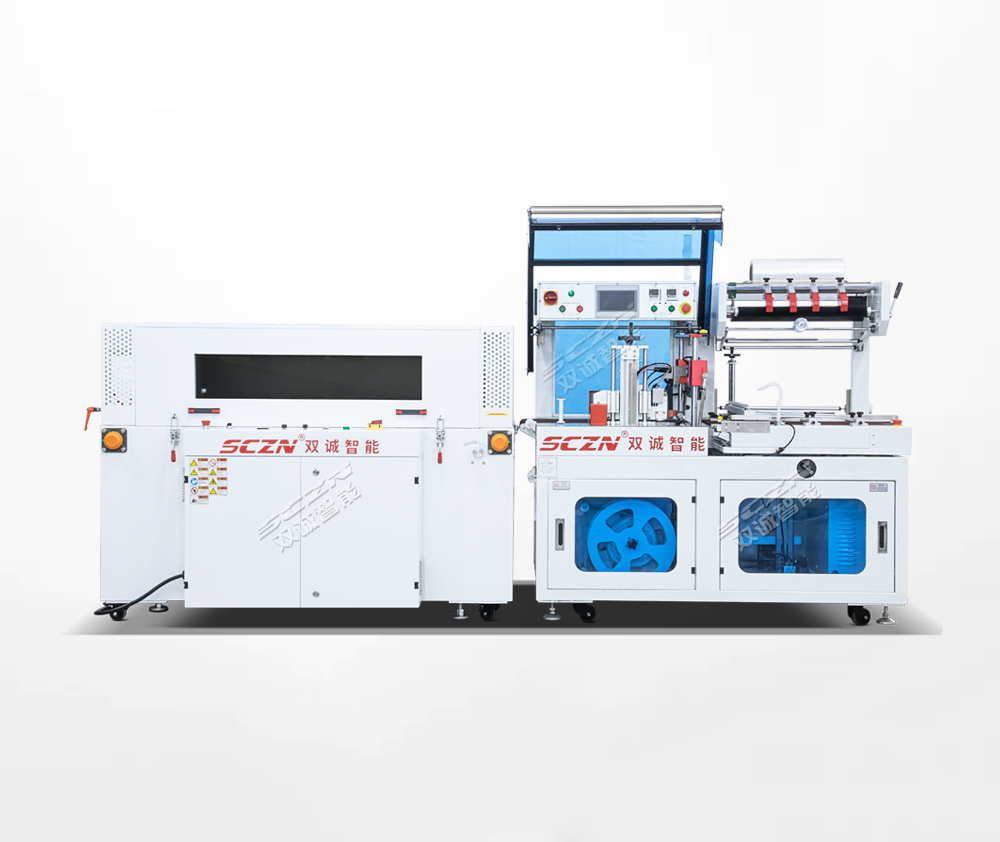
Servo side seal Shrink Wrap Machine model SCT-5545TBC, which holds a Utility Model Patent.
2. Technical and Safety Standards Compliance
Beyond patents, inquire about compliance with international or regional technical standards (e.g., CE, UL, or specific national standards). These govern electrical safety, mechanical safety, and environmental performance.
3. Quality Management System Certifications
Certifications like ISO 9001 signal a systematic approach to quality control throughout the design, manufacturing, and service processes.
Procurement Checklist: Verifying Certifications
- Request Documentation: Always ask for scanned copies or verifiable references for all claimed certifications.
- Check Validity: Confirm the issue and expiry dates. For example, a Utility Model Patent Certificate for a shrink wrapping machine might be valid from 2024-06-14 to 2034-06-14.
- Verify Scope: Ensure the certification applies to the specific machine model you are procuring.
- Cross-Reference: Where possible, cross-check certificate numbers with the issuing authority's public database.
- Understand Applicability: Note the market applicability (e.g., "China market") to ensure it aligns with your operational region or any future export plans.
Beyond Paperwork: Integrating Compliance into Supplier Evaluation
Certifications should be one component of a holistic evaluation. Correlate them with other due diligence factors:
Manufacturing Capabilities and Quality Control
A supplier with a 5,000 square meter R&D and production workshop and a dedicated team of over 20 R&D personnel, like Shenzhen Shuangcheng Intelligent Packaging Equipment Co., Ltd. (established 2005), is likely to have the infrastructure to support certified, quality production. Look for evidence of in-process testing and final inspection protocols.
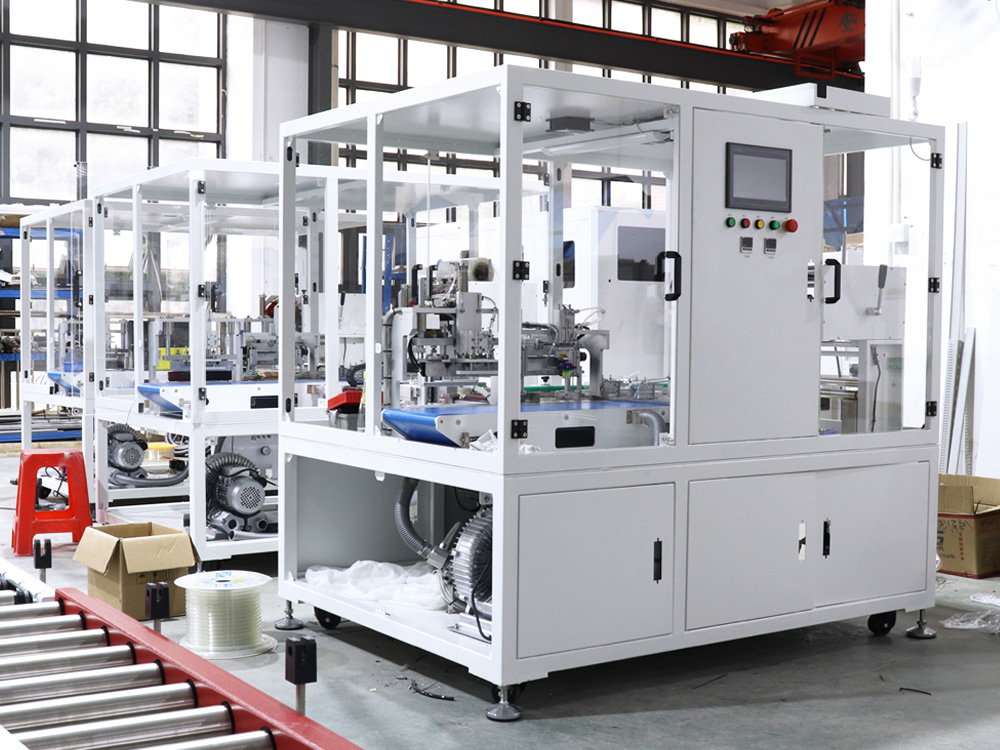
A view of an automated workshop, indicative of structured production processes.
Product Specifications and Transparency
Certified suppliers typically provide detailed, transparent specifications. For example, a servo-driven shrink wrapper should have a clear speed rating (e.g., 40-60 pieces per minute), and a palletizing robot should list compatible pallet dimensions (e.g., L1200mm x W1200mm x H150mm).
Industry Application and Case Studies
Review the supplier's application history. A supplier whose equipment is used in food & beverage, pharmaceuticals, 3C electronics, and e-commerce logistics demonstrates versatility and likely adherence to varied industry-specific compliance needs.
Common Pitfalls to Avoid
- Generic Claims: Be wary of suppliers who make vague claims of "CE compliance" or "ISO certified" without providing specific certificate details or numbers.
- Expired Certifications: Always check the validity period. An expired certification offers no current assurance.
- Scope Mismatch: Ensure the certification covers the exact product type and model you are purchasing, not just the company or a different product line.
- Overlooking Local Standards: If operating in a specific region, verify compliance with local and national standards in addition to international ones.
Conclusion: A Strategic Approach to Certified Procurement
In the competitive landscape of industrial packaging, a supplier's certification portfolio is a tangible proxy for its technical rigor, innovation capacity, and commitment to quality. By systematically requesting, verifying, and evaluating these credentials—from Utility Model Patents like No. 7868991 or No. 7802694 to broader safety standards—procurement professionals can make more informed decisions. This due diligence reduces long-term operational risk, ensures regulatory compliance, and contributes to securing reliable, high-performance packaging automation solutions for the production line.
Final Recommendation: Integrate certification review early in your supplier qualification process. Use it as a filter to shortlist credible manufacturers, then deepen the evaluation with factory audits (virtual or in-person), reference checks, and detailed technical discussions. This layered approach balances documented compliance with practical, on-the-ground capability.