
Construction Cooling Vest Tech Parameters: How Quality Affects Performance
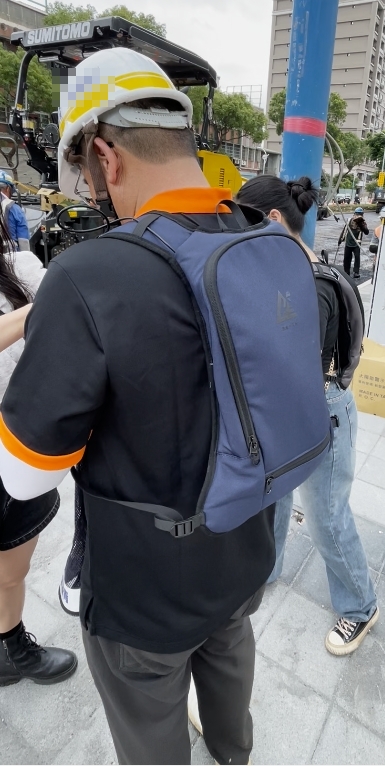
Shokunin COOLWAVE cooling vest in real construction site application – reliable heat stress relief for outdoor workers.
Construction Cooling Vest Technical Parameters: How Manufacturing Quality Defines Performance
For procurement professionals and safety managers, decoding the technical data sheet of a construction cooling vest is often the first—and most critical—step toward making a cost-effective, performance-driven purchase. But what do parameters like “cooling duration: 3–4 hours” or “pump flow rate: 320–370 ml/min” really mean on the job site? More importantly, how do the materials and manufacturing processes behind those numbers determine real-world durability, safety, and total cost of ownership?
This guide breaks down the core technical parameters of a water-circulation cooling vest using the Shokunin COOLWAVE as a reference model, and connects them directly to production quality, material selection, and procurement risk factors.
1. Problem Definition: Why Technical Specs Matter More Than You Think
When sourcing cooling vests for high-temperature work environments—construction sites, metal sheet factories, traffic control posts, or outdoor operations—buyers frequently face two challenges:
- Inconsistent specification claims: Many suppliers advertise “long cooling time” without disclosing test conditions (e.g., ambient temperature, ice pack weight, water volume).
- Hidden quality risks: Inferior materials (thin TPU, low-grade pumps, poor seam sealing) cause early failure, ice pack leakage, or reduced cooling efficiency within weeks of deployment.
Without a clear framework to interpret parameters and assess manufacturing quality, buyers risk selecting products that fail to protect workers or generate hidden costs from frequent replacements and downtime.
2. Industry Background: The Growing Demand for Reliable Cooling PPE
Heat stress is a leading cause of injury and lost productivity in outdoor and high-heat industries. According to occupational safety data, prolonged exposure to temperatures above 35°C without proper cooling can reduce work capacity by up to 40%. This has accelerated demand for personal cooling equipment, particularly passive water-circulation vests that offer extended cooling without bulky external power sources.
However, the market is flooded with products that vary drastically in quality. Established suppliers like Shokunin (a brand of Feng Shang Precision Co., Ltd., based in Taoyuan, Taiwan) differentiate themselves through patented designs, documented test results, and transparent material specifications. Understanding how to evaluate these elements is key to smart procurement.
3. Detailed Solution: Interpreting Key Technical Parameters of a Water-Circulation Cooling Vest
Let’s examine the technical specs of the Shokunin COOLWAVE Water-Circulation Cooling Vest (Basic Model) and explain what each parameter means for your procurement decision.
4. How Manufacturing Quality Directly Affects Real-World Performance
Beyond the numbers on the datasheet, the quality of production processes determines whether the vest will survive a full season on a hot construction site. Here are the critical manufacturing aspects for the Shokunin COOLWAVE:
Ice Pack Leakage Prevention
The COOLWAVE uses reinforced TPU for its ice packs. Each pack undergoes 100% quality inspection before shipment. This directly addresses the top buyer concern: ice pack rupture during use. Competitors using thin PVC often cause coolant leaks that ruin the vest and create slip hazards.
Seam Sealing & Stitching
The vest and backpack are constructed with double-stitched seams on load-bearing areas (straps, tube connections). The PEVA material is heat-welded at critical points to prevent water ingress and tearing.
Pump Reliability
The pump (5V, 150mA) is tested for continuous operation. Flow rate is guaranteed at 320–370 ml/min. A consistent flow ensures uniform cooling across the body, preventing hot spots.
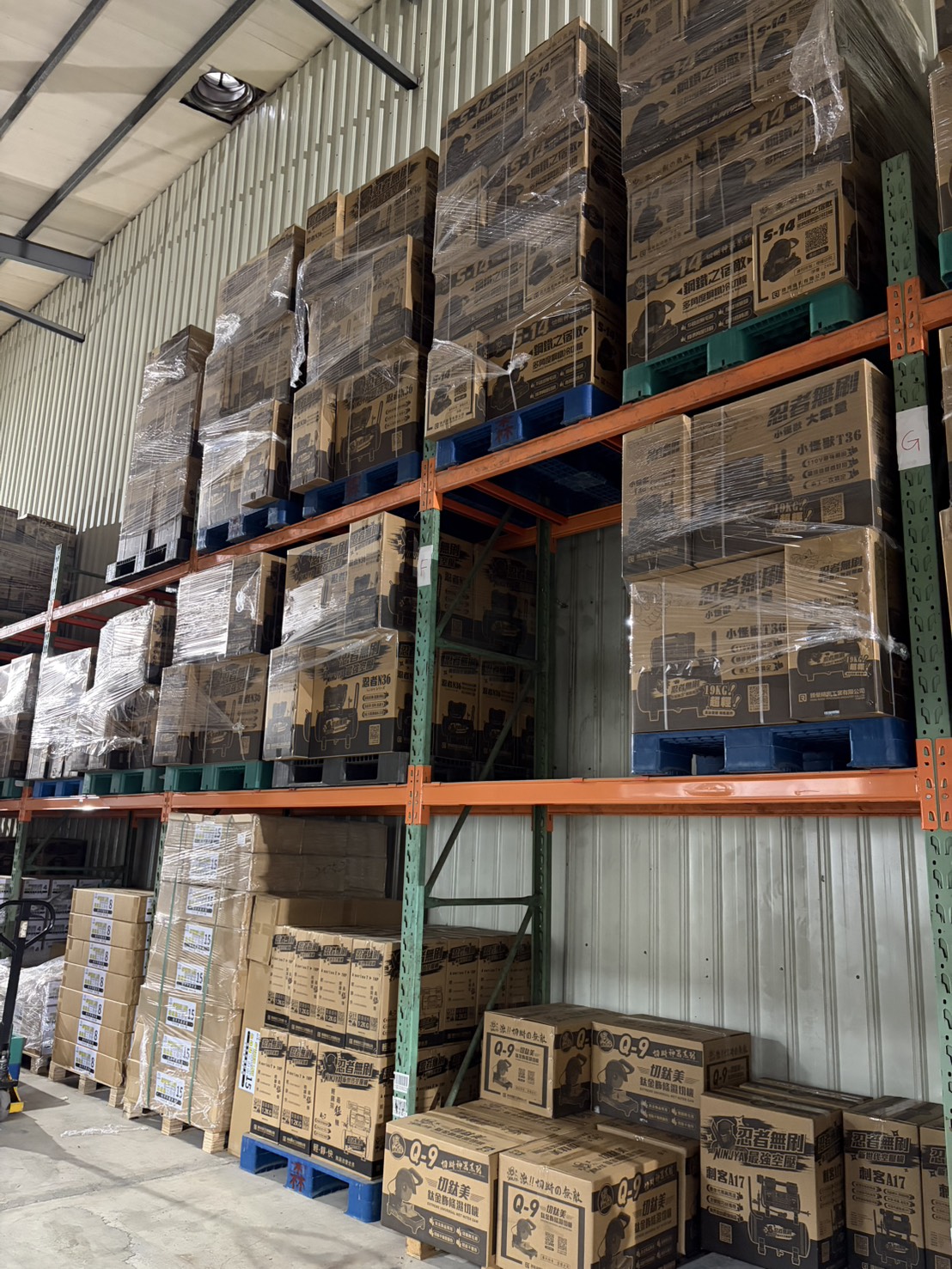
Quality assurance at Shokunin’s facility: pre-shipment testing ensures every vest meets specification before delivery.
5. Step-by-Step Procurement Checklist
- Define the work shift duration – For an 8-hour shift, you need at least two ice pack swaps if cooling lasts 3–4 hours. Verify whether spare ice packs are included.
- Check material compatibility – Ensure TPU water bags (not PVC) and 600D polyester straps for minimum durability. Ask for material data sheets.
- Verify pump performance – Look for documented flow rate (e.g., 320–370 ml/min). A pump that stalls in cold water or after a few weeks of use is a common failure point.
- Request patent or certification evidence – Patents (like ROC I886033) and disaster prevention certifications indicate third-party validation.
- Ask about quality control – Does the supplier perform 100% pre-shipment testing? What is the warranty period? Shokunin offers a 6-month warranty for the water-cooled vest.
- Check MOQ and lead time – MOQ of 10 units and lead time of 7–14 days (for COOLWAVE) are typical for industrial orders. Larger quantities may require negotiable scheduling.
6. Use Cases: Real-World Applications of the Shokunin COOLWAVE
Over the past decade, the COOLWAVE cooling vest has been deployed across multiple industries. Below are documented application scenarios:
Comparison: Shokunin COOLWAVE vs. Generic Water-Cooled Vests
Many generic cooling vests on the market lose their cooling effect after only ~30 minutes due to poor ice pack insulation and low water circulation. The Shokunin COOLWAVE, with its TPU ice packs and optimized pump system, maintains cooling for 3–4 hours—a 6–8x improvement. Additionally, generic vests often use PVC water bags that crack and leak, while the COOLWAVE’s reinforced TPU construction offers superior durability and low maintenance. The reusable ice packs and washable vest reduce long-term consumable costs.
7. Frequently Asked Questions (FAQ)
Q: Is the 3–4 hour cooling duration guaranteed in high heat (40°C+)?
A: The rated duration is based on ambient temperatures below 35°C with two fully frozen ice packs. In extreme heat (40°C+), you can expect slightly reduced duration (around 2.5–3 hours). This is still significantly longer than most competitors. The vest is designed for easy ice pack replacement.
Q: How do I prevent ice pack leakage?
A: The Shokunin COOLWAVE uses reinforced TPU ice packs that are 100% tested before shipment. To extend life, avoid sharp objects and follow the care instructions. If a leak occurs within the 6-month warranty, contact the supplier for replacement.
Q: Can the vest be washed?
A: Yes. The PEVA material and polyester backpack can be wiped clean with a damp cloth. For deeper cleaning, hand wash with mild soap and air dry. Do not machine wash or dry, as this may damage the pump and tubing.
Q: What is the MOQ and lead time?
A: Minimum order quantity is 10 units. Standard lead time is 7–14 days after order confirmation. Payment is full upfront; shipping cost is borne by the buyer.
Q: Does the vest come with a warranty?
A: Yes, Shokunin provides a 6-month warranty for the water-cooled vest, covering manufacturing defects. The warranty does not cover normal wear and tear or damage caused by misuse.
8. Conclusion
Successfully sourcing a construction cooling vest requires more than just comparing price or a single “cooling time” number. By understanding how each technical parameter—cooling duration, pump flow rate, material type, and patent certification—relates to real-world performance and manufacturing quality, industrial buyers can make informed decisions that reduce risk and maximize ROI.
The Shokunin COOLWAVE water-circulation cooling vest exemplifies how thoughtful engineering and quality materials (TPU ice packs, 600D polyester, PEVA vest, patented design) deliver reliable, long-lasting cooling for high-heat work environments. For procurement professionals, it represents a low-risk, high-performance choice validated by field use and formal certification.
Download the official product brochure to review full specifications and ordering details.
Download Shokunin COOLWAVE Brochure