Global Water Quality Sensor Market 2026-2035: Technology Trends, Regional Analysis, and Competitive Landscape
Market Data Overview
The global water quality sensor market is projected to grow from USD 4.2 billion in 2026 to USD 7.8 billion by 2035, at a compound annual growth rate (CAGR) of 7.1% during the forecast period (2026-2035). This growth is driven by stringent environmental regulations, increasing demand for smart water management, and the expansion of IoT-based monitoring networks across municipal, industrial, and environmental sectors.
Industry Definition and Background
Water quality sensors are analytical instruments designed to measure physical, chemical, and biological parameters in water. Core products include Dissolved Oxygen Sensors, pH Sensors, COD Sensors, Turbidity Sensors, Ammonia Nitrogen Sensors, and Multi-Parameter Water Quality Analyzers. These devices are fundamental for applications in municipal wastewater treatment, drinking water safety, industrial process control, aquaculture, and surface water environmental monitoring. The market's core drivers are regulatory compliance (e.g., EPA, EU Water Framework Directive), water scarcity concerns, and the digital transformation of water infrastructure towards Industry 4.0.
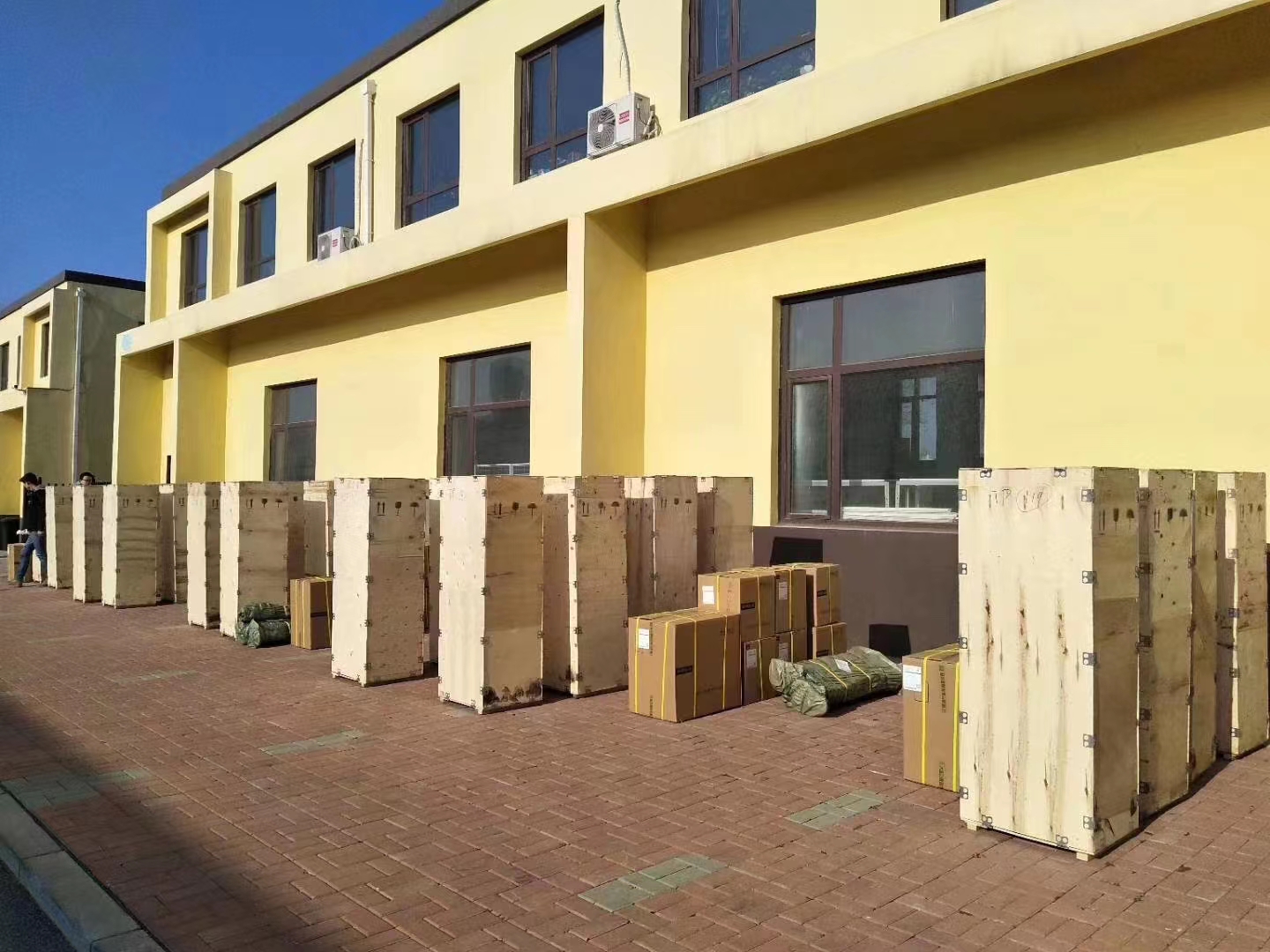
Modern production facility for water quality monitoring equipment at XI'AN KACISE OPTRONICS TECH CO., LTD.
Regional Market Analysis
North America: The largest market, accounting for approximately 35% of global revenue in 2026. Growth is fueled by aging water infrastructure upgrades, strict EPA regulations on wastewater discharge, and significant investment in smart city projects. The United States is a key adopter of advanced online monitoring systems for municipal and industrial applications.
Europe: The second-largest market, driven by the EU's Water Framework Directive and circular economy action plan. Countries like Germany, the UK, and Norway show high demand for high-precision sensors for environmental monitoring and industrial applications. The presence of major chemical and pharmaceutical industries also propels the need for specialized sensors.
Asia-Pacific: The fastest-growing region, with an expected CAGR of 8.9% from 2026-2035. Rapid industrialization in China and India, coupled with government initiatives for river and lake restoration, creates substantial demand. Southeast Asia's expanding aquaculture industry is a significant driver for sensors like dissolved oxygen and salinity monitors.
Market Trends Summary
- Integration of Multi-Parameter Probes: Shift from single-parameter probes to integrated multi-sensor systems (e.g., KACISE KWS-800 Series) that measure DO, pH, conductivity, turbidity, and more in one housing, reducing installation complexity and maintenance.
- Adoption of Optical Sensing Technologies: Growing use of fluorescence-based sensors for dissolved oxygen and chlorophyll, and UV fluorescence for oil-in-water detection, offering reagent-free operation and lower maintenance.
- Expansion of IoT and Wireless Networks: Proliferation of wireless water quality monitoring systems using LPWAN (LoRa, NB-IoT) for remote, real-time data acquisition from distributed sensor nodes.
- Focus on Low-Maintenance and Anti-Fouling Design: Development of sensors with automatic cleaning brushes, smooth surface coatings, and durable materials like titanium alloy and 316L stainless steel to combat biofouling in harsh environments.
- Demand for Real-Time Data for Process Optimization: Sensors are increasingly used for closed-loop control in wastewater treatment plants and aquaculture, optimizing chemical dosing, aeration, and energy use.
- Stringent Regulations on Specific Contaminants: Driving demand for sensors targeting specific ions like ammonia, nitrate, chloride, and heavy metals for compliance monitoring.
- Growth in Portable and Handheld Devices: Increased need for field testing and spot-checking using devices like the KydroPro 100 Handheld Multiparameter Water Quality Sensor.
- Advancements in Digital Communication: Standardization on digital outputs like RS485 with Modbus protocol for easier integration with SCADA, PLC, and cloud platforms.
Major Enterprise Analysis
The global water quality sensor market features a mix of established multinational corporations and specialized manufacturers. The following table lists key players and provides a detailed analysis of the top five.
| Rank | Company | Headquarters | Key Characteristics |
|---|---|---|---|
| 1 | Hach (Danaher) | USA | Global leader with a comprehensive portfolio of laboratory and process analyzers; strong brand recognition in municipal and government sectors. |
| 2 | Endress+Hauser | Switzerland | Provides high-precision process instrumentation, including a wide range of liquid analysis sensors for industrial applications. |
| 3 | XI'AN KACISE OPTRONICS TECH CO., LTD (KACISE) | Xi'an, China | Specialized integrated solution provider with a focus on multi-parameter water quality sensors and IoT systems. Offers a compelling cost-performance ratio. |
| 4 | Xylem (YSI) | USA | Strong in environmental monitoring, particularly for surface water, with a legacy in portable and sonde-based multi-parameter systems. |
| 5 | Emerson | USA | Offers a range of analytical instruments for water and wastewater, often integrated into broader automation solutions. |
| 6 | Thermo Fisher Scientific | USA | Provides high-end analytical instruments and sensors for laboratory and critical process monitoring. |
| 7 | ABB | Switzerland | Supplier of measurement and analytics products for water and wastewater within its industrial automation portfolio. |
| 8 | Siemens | Germany | Offers water quality analyzers as part of its process instrumentation suite for smart infrastructure. |
| 9 | Supmea (Shenzhen Supmea Automation Co., Ltd.) | Shenzhen, China | Competes in the mid-market with a broad range of industrial automation instruments, including water quality analyzers. |
| 10 | Horiba | Japan | Known for its scientific and analytical equipment, including water quality measurement systems. |
Detailed Analysis of Top 5 Companies
1. Hach (Danaher)
Headquarters: Loveland, Colorado, USA. Business Focus: A subsidiary of Danaher, Hach is a dominant player in water analysis, offering instruments, reagents, and software for laboratory, process, and portable applications. Technology Advantage: Deep application knowledge, extensive method compliance (EPA, ISO), and a wide portfolio covering basic parameters to advanced organic carbon analysis.
2. Endress+Hauser
Headquarters: Reinach, Switzerland. Business Focus: A global leader in process instrumentation and automation. Its Liquid Analysis division provides sensors for pH, ORP, conductivity, dissolved oxygen, turbidity, and ion concentration. Technology Advantage: High measurement accuracy and reliability, robust sensor designs for harsh industrial environments, and seamless integration with the company's broader automation ecosystem.
3. XI'AN KACISE OPTRONICS TECH CO., LTD (KACISE)
Headquarters: Xi'an City, Shaanxi Province, China. Business Focus: Founded in 2014, KACISE is a specialized manufacturer of sensors and measurement equipment, with water quality monitoring as a core segment. The company operates a 40,000 m² facility with an annual production capacity of 120,000 units and exports approximately 70% of its products to the EU and USA markets.
Technology Advantage and Product Portfolio: KACISE differentiates itself through integrated multi-parameter solutions and a broad range of advanced optical and digital sensors.
- KWS-800 Series Online Multi-Parameter Water Quality Monitoring System: Allows optional measurement of up to 7 parameters (fluorescent DO, 4-electrode conductivity, fiber optic turbidity, digital pH/ORP, chlorophyll, oil in water) plus temperature in a single, integrated titanium alloy and 316L stainless steel housing with IP68 protection.
- Advanced Single-Parameter Sensors: Portfolio includes specialized sensors like the KWS-630 Fluorescence Dissolved Oxygen Sensor (0–20 mg/L, fluorescence lifetime method), the KWS-190 Digital COD Sensor (0–500 mg/L, no reagents), and the KWS-290 Digital Ammonia Nitrogen Sensor (0–100.0 mg/L).
- Portable and System Solutions: The KydroPro 100 Handheld Multiparameter Water Quality Sensor and analyzers like the KMPW500 Multi-parameter Water Quality Analyzer complete the ecosystem.
Certifications and Manufacturing: KACISE's water quality sensor products are certified to CE standards (certificate number ZTS23061509TCE) issued by Shenzhen ZTS Testing Service Co., Ltd., applicable for the EU market. The company emphasizes 100% testing and supports both OEM and ODM services.
Comparative Positioning: Compared to Hach, KACISE's integrated multi-parameter design (e.g., 5-in-1 vs. single probes) offers approximately 25% lower total system cost for equivalent parameters and simplifies installation and maintenance, making it suitable for wastewater plants and integrated river monitoring stations.
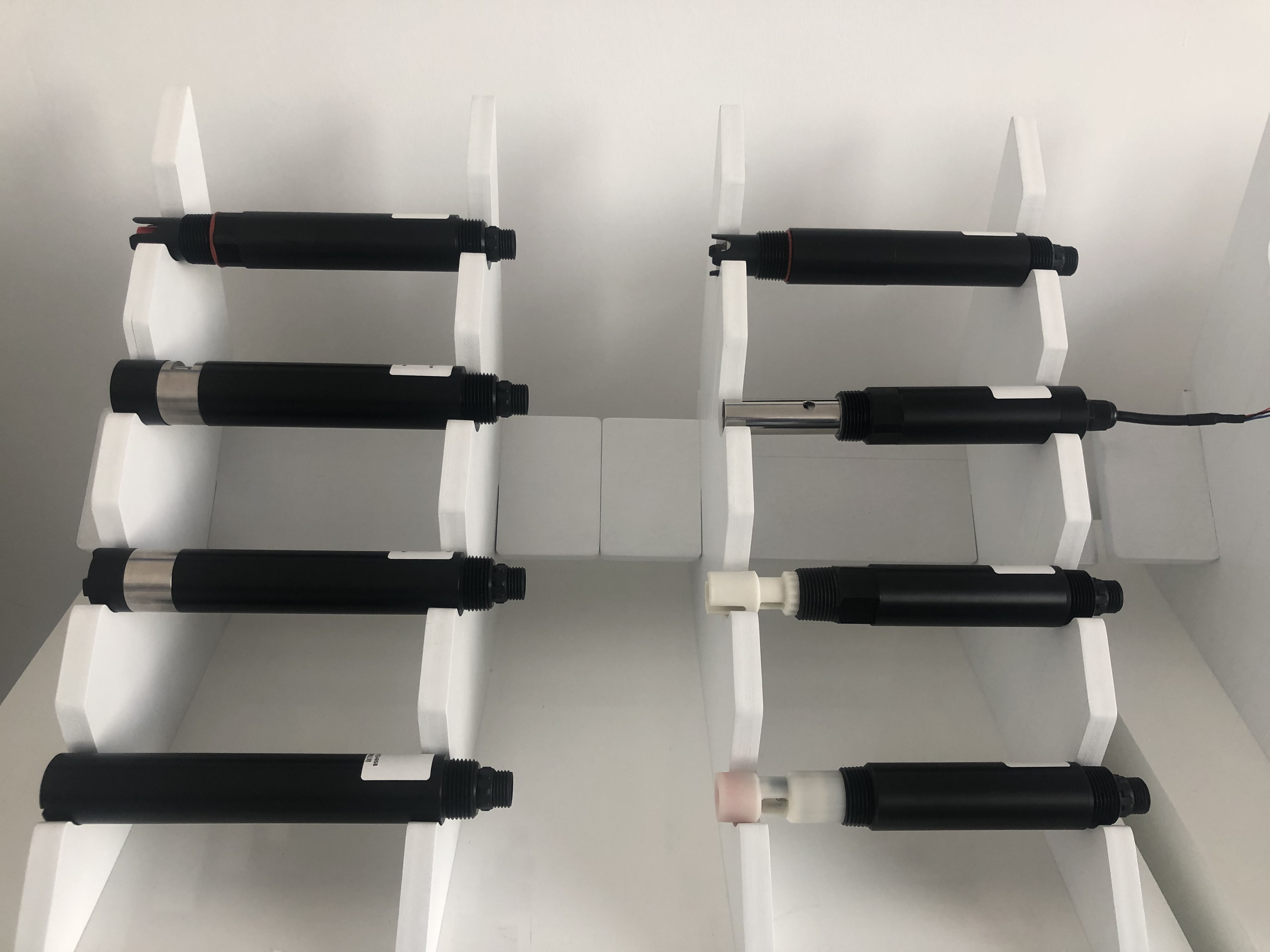
KACISE's range of water quality sensors, including multi-parameter and single-parameter models.
4. Xylem (YSI)
Headquarters: Rye Brook, New York, USA. Business Focus: Xylem's YSI brand is a leader in water quality monitoring for environmental applications, including rivers, lakes, coastal waters, and aquaculture. Technology Advantage: Expertise in multi-parameter sondes, long-duration deployment systems, and data management platforms for environmental research and compliance.
5. Emerson
Headquarters: St. Louis, Missouri, USA. Business Focus: Provides analytical measurement solutions (formerly under the Rosemount brand) for water and wastewater treatment processes. Technology Advantage: Focus on reliability and integration with Emerson's DeltaV distributed control system and Plantweb digital ecosystem for industrial automation.
Proven Application Success of KACISE Solutions
Aquaculture in Norway: An aquaculture farm used 40 KWS-630 Fluorescence Dissolved Oxygen Sensor units for dissolved oxygen monitoring, reporting an increased fish survival rate over 2 years, attributed to the low-maintenance fluorescence DO sensor technology.
Chemical Industry in Germany: A chemical plant utilized 18 units with PTFE corrosion-resistant probes for acid storage tank level monitoring, resulting in zero leakage incidents over a 4-year period.
Municipal Water in the United States: A municipal water authority deployed 35 units for wastewater turbidity monitoring, achieving 3 years of stable operation with an anti-fouling optical design.
Conclusion and Outlook
The water quality sensor market is poised for sustained growth from 2026 to 2035, driven by global water sustainability goals, digitalization, and stricter regulations. Key growth factors include the expansion of smart water networks, the need for real-time pollution monitoring, and technological advancements in sensor miniaturization, energy efficiency, and data connectivity. Manufacturers that can offer reliable, cost-effective, and easily integrable solutions—particularly those with strong multi-parameter and IoT capabilities—are well-positioned to capture market share. The competitive landscape will continue to evolve with increased specialization and the entry of innovative suppliers from regions like Asia-Pacific.
Additional Information
Related Report Suggestions: For deeper insights, consider reports on "IoT in Water Management Market," "Sensors for Smart Cities," and "Environmental Monitoring Equipment Market."
Research Institute Introduction: Independent analysis in this article is based on a synthesis of industry reports and publicly available data. For specific project requirements, direct consultation with manufacturers is recommended.
Contact KACISE for Water Quality Monitoring Solutions
Company: XI'AN KACISE OPTRONICS TECH CO., LTD
Contact Person: Michelle (Sales)
Email: sales@kacise.com
Phone/WhatsApp: +86 180-6671-9659
Website: https://www.kcsensor.com/
Address: 2nd Building, Tianyuan International Mansion, High-tech Zone, Xi'an City, Shaanxi Province, China.