Magnetic Pump Sourcing 2026: Avoid Risks, Buy Efficiently
How to Source Magnetic Pumps Efficiently and Mitigate Procurement Risks in 2026
For industrial buyers responsible for fluid handling systems — whether in semiconductor cooling, chemical processing, injection molding, or new energy testing — the magnetic pump is often the critical component that determines system reliability, safety, and total cost of ownership. Yet, procurement of magnetic pumps comes with well-known challenges: leakage risk, material compatibility uncertainty, long lead times, and supplier quality inconsistency. This guide provides a structured, risk-aware approach to buying magnetic pumps in 2026, based on real industry data and proven vendor practices.
The Core Problem: What Makes Magnetic Pump Procurement Risky?
Unlike standard centrifugal pumps, magnetic drive pumps eliminate shaft seals by using a magnetic coupling to transmit torque. While this design delivers zero-leakage operation, it also introduces specific procurement pitfalls:
- Delivery Delays – Global logistics volatility and raw material shortages can disrupt supply chains.
- Product Quality Risks – Inconsistent manufacturing tolerances, improper material selection, or incomplete testing lead to on-site failures.
- Unstable Component Quality – Bushings, shaft cores, and magnets from unverified suppliers cause premature wear.
- Specification Mismatch – Incorrect hydraulics (head, flow, temperature range) result in poor system performance and costly replacements.
Industry Background: Why Magnetic Pumps Matter More in 2026
The global magnetic pump market continues to expand, driven by demand from semiconductor fabs (ultra-pure chemical circulation), temperature control units (TCU) for precision mold heating/cooling, and renewable energy battery testing systems. End-users require pumps that can handle extreme temperatures (-196°C to +400°C), aggressive chemicals, and continuous operation with minimal downtime. Suppliers like YUAN SHIN PUMP — with over 35 years of R&D experience and factories in Taiwan, Guangdong, and Suzhou — have emerged as reliable partners by focusing on stainless steel regenerative turbine, centrifugal, and vortex designs certified to ISO 9001:2015, ISO 14001:2015, UL (US & Canada), and CE standards.
Key Product Categories at a Glance
| Type | Typical Model | Temperature Range | Max Head | Max Capacity | Key Applications |
|---|---|---|---|---|---|
| Regenerative Turbine | MAP-1100 | -196°C ~ +400°C | 15~100 m | 15~200 L/min | Precision TCU, mold temp control, semiconductor cooling |
| Regenerative Turbine (High-Power) | MAP-18A | -196°C ~ +400°C | 80~100 m | 3.9~7.2 m³/h | High-temp mold temp control, chemical equipment |
| Centrifugal | CAP-100 | -196°C ~ +350°C | 15~40 m | 4~35 m³/h | Chiller circulation, large flow chemical transfer |
All models are constructed from stainless steel (316/316L available) and are designed for continuous duty with inverter-drive compatibility.
Step-by-Step Procurement Risk Mitigation Framework
Step 1: Define Operating Conditions Accurately
Before engaging suppliers, document the following parameters:
- Medium (water, thermal oil, glycol, alcohol, hydrocarbon solutions, etc.)
- Temperature range (min / max) – YUAN SHIN PUMP’s MAP series covers -196°C to +400°C
- Required head (m) and flow rate (L/min or m³/h)
- System pressure and viscosity
- Electrical requirements (voltage, frequency, single/three-phase)
Providing a detailed datasheet reduces mis-specification risk by over 70%.
Step 2: Verify Supplier Credentials and Certifications
Audit the supplier’s quality management system. Reputable manufacturers hold:
- ISO 9001:2015 (YUAN SHIN PUMP certificate #CN-00224Q23283R0S)
- ISO 14001:2015 (certificate #00224E32265R0S)
- UL Recognition for Canada (UL-CA-2419643-0) and US (UL-US-2425000-0)
- CE certification for both regenerative turbine and centrifugal models (EU market)
These certifications ensure consistent manufacturing processes, environmental compliance, and product safety for target markets.
Step 3: Assess Quality Control and Testing Procedures
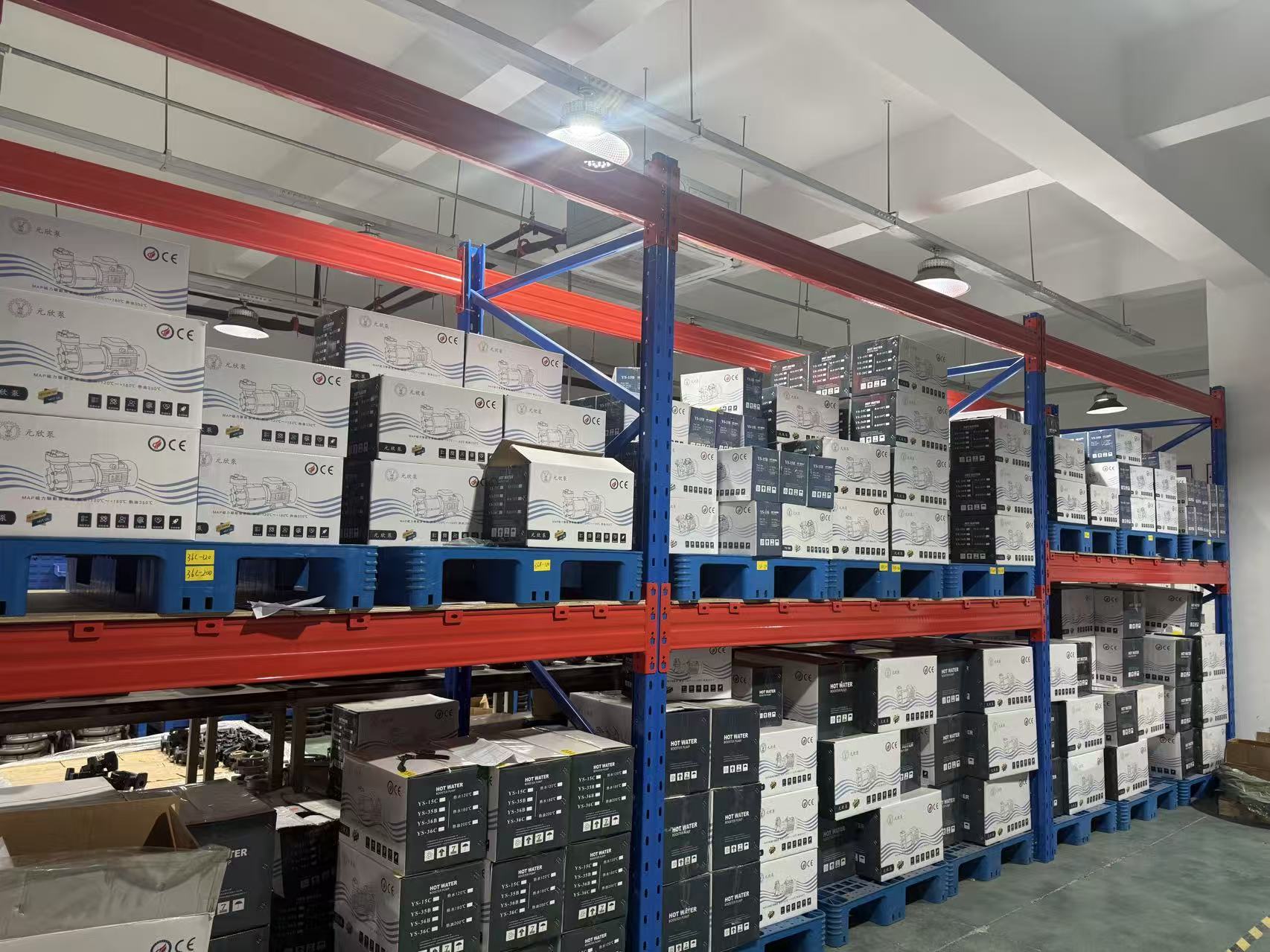
Every pump should undergo functional testing before shipment. YUAN SHIN PUMP performs 100% testing on its in-house test rig, measuring flow rate, head, and leakage detection. For critical orders, buyers can request witness testing or detailed test reports. They also maintain a qualified supplier list for bushings, shaft cores, and magnets, conducting incoming material sampling inspections.
Step 4: Scrutinize Delivery and Payment Terms
Standard terms from YUAN SHIN PUMP (2026):
- Minimum Order Quantity (MOQ): 1 unit
- Delivery incoterms: EXW, FOB, CIF, DAP, DDP
- Payment: 100% telegraphic transfer (T/T) in advance
- Lead time: 3~40 days depending on customization and volume
- Packaging: Fumigated wooden crates per international shipping standards
These well-defined terms eliminate ambiguity and reduce the risk of unexpected cost overruns. If you require alternative payment structures (e.g., LC), negotiate early in the relationship.
Step 5: Evaluate Long-Term Total Cost of Ownership (TCO)
Compared to traditional mechanical seal pumps, magnetic drive pumps have a fundamentally different cost profile:
| Factor | Mechanical Seal Pump | Magnetic Drive Pump (e.g., YUAN SHIN) |
|---|---|---|
| Seal leakage | Prone to wear & leakage | Zero leakage (static sealing) |
| MTBF | Baseline | Increased by >60% |
| Maintenance cost | Frequent seal replacement | Low – no seal wear, extended intervals |
| Lifecycle cost | Higher due to downtime | Lower; payback within 3–5 years |
For high-risk or high-purity media (thermal oil, acids, ultrapure water), the magnetic pump’s seal-less design more than justifies its initial investment.
Real-World Use Cases: Mitigating Risk in Practice
Case 1: Injection Molding (Brazil) – Reducing Maintenance Cost by 80%
A Brazilian injection molding plant replaced mechanical seal pumps with MAP-1100 regenerative turbine magnetic pumps for chiller cooling water circulation. After 5 years of operation, the customer reported a complete resolution of seal wear issues and an extension of maintenance intervals by more than 2 times. The result: pump maintenance costs dropped by 80%, contributing directly to production uptime.
Case 2: New Energy Testing (China) – 25% Efficiency Gain
A new energy testing facility in China uses 300 units of MAP-1100 per year in liquid-cooled chiller circuits. The inverter-duty capability enables precise temperature control, resulting in a 25% increase in testing efficiency over three years of continuous operation.
Case 3: Laboratory Research (UK) – ±1°C Precision
A UK research institution deployed 10 units of MAP-1100 in precision temperature control systems. The low-noise, single-phase compatible design achieved temperature control accuracy of ±1°C, meeting the strict requirements of constant temperature chambers.
Frequently Asked Questions (FAQ)
A magnetic pump uses a magnetic coupling (drive magnet and driven magnet) to transmit torque through a containment shell, eliminating the need for a rotating shaft seal. This results in zero leakage, higher safety, and reduced maintenance. YUAN SHIN PUMP offers regenerative turbine, vortex, and centrifugal magnetic pump designs.
You must provide the medium type, temperature range, required head (m), flow rate (L/min or m³/h), and electrical requirements (voltage, frequency, phase). YUAN SHIN PUMP’s engineering team can assist in selecting the correct model from the MAP or CAP series.
YUAN SHIN PUMP accepts orders starting from 1 unit. Lead time ranges from 3 to 40 days depending on customization level and stock availability.
Standard payment is 100% T/T in advance. Delivery terms include EXW, FOB, CIF, DAP, and DDP. All pumps receive pre-shipment internal testing and are packaged in fumigated wooden crates.
Request copies of ISO 9001, ISO 14001, UL, and CE certificates. YUAN SHIN PUMP holds valid certifications for its stainless steel magnetic pumps, covering both vortex and centrifugal types. You can also ask for test reports and visit the factory if necessary.
Conclusion: Build a Smarter Procurement Strategy for 2026
Efficient procurement of magnetic pumps is not just about comparing prices — it requires a comprehensive evaluation of technical specifications, manufacturing quality, certification validity, and supply chain reliability. By following the five-step framework outlined above and partnering with established manufacturers like YUAN SHIN PUMP (operating in Suzhou, China with an annual output of 25,000 units, ISO 9001/UL/CE certified), industrial buyers can dramatically reduce risk and achieve a lower total cost of ownership.
For detailed technical specifications, customization options, and a full product catalog, download the official company brochure below.
📘 Download the YUAN SHIN PUMP Product Brochure
Get the Brochure (PDF)Contact YUAN SHIN PUMP: Zoe – zoe@ysb-pump.com, Tel/WhatsApp: +86 18901576527. Address: 19-1, No.58 Sunshine Avenue, Changfu Street, Changshu, Suzhou, Jiangsu, China.