Assessing RTP Supplier Capacity and Delivery Reliability: A 2026 Buyer's Guide
Assessing RTP Supplier Capacity and Delivery Reliability: A 2026 Buyer's Guide
Introduction
In the demanding sectors of oil & gas and mining, the selection of a Reinforced Thermoplastic Pipe (RTP) supplier goes beyond product specifications. Procurement managers frequently face two critical questions: "Does the supplier have the production capacity to meet my project volume?" and "Can they guarantee a controllable lead time?". This article provides a structured framework to evaluate RTP supplier capacity and delivery reliability, ensuring your operations avoid costly delays and supply chain disruptions.
Problem Definition
When procuring RTP for offshore oilfields, mining slurry transfer, or onshore high-pressure applications, buyers often encounter capacity mismatches and unpredictable lead times. A supplier may promise a 30-day delivery but fail due to insufficient raw material stock or production bottlenecks. The lack of standardized evaluation criteria makes it difficult to distinguish between capable manufacturers and intermediaries. This leads to project delays, increased costs, and operational risks.
Industry Background
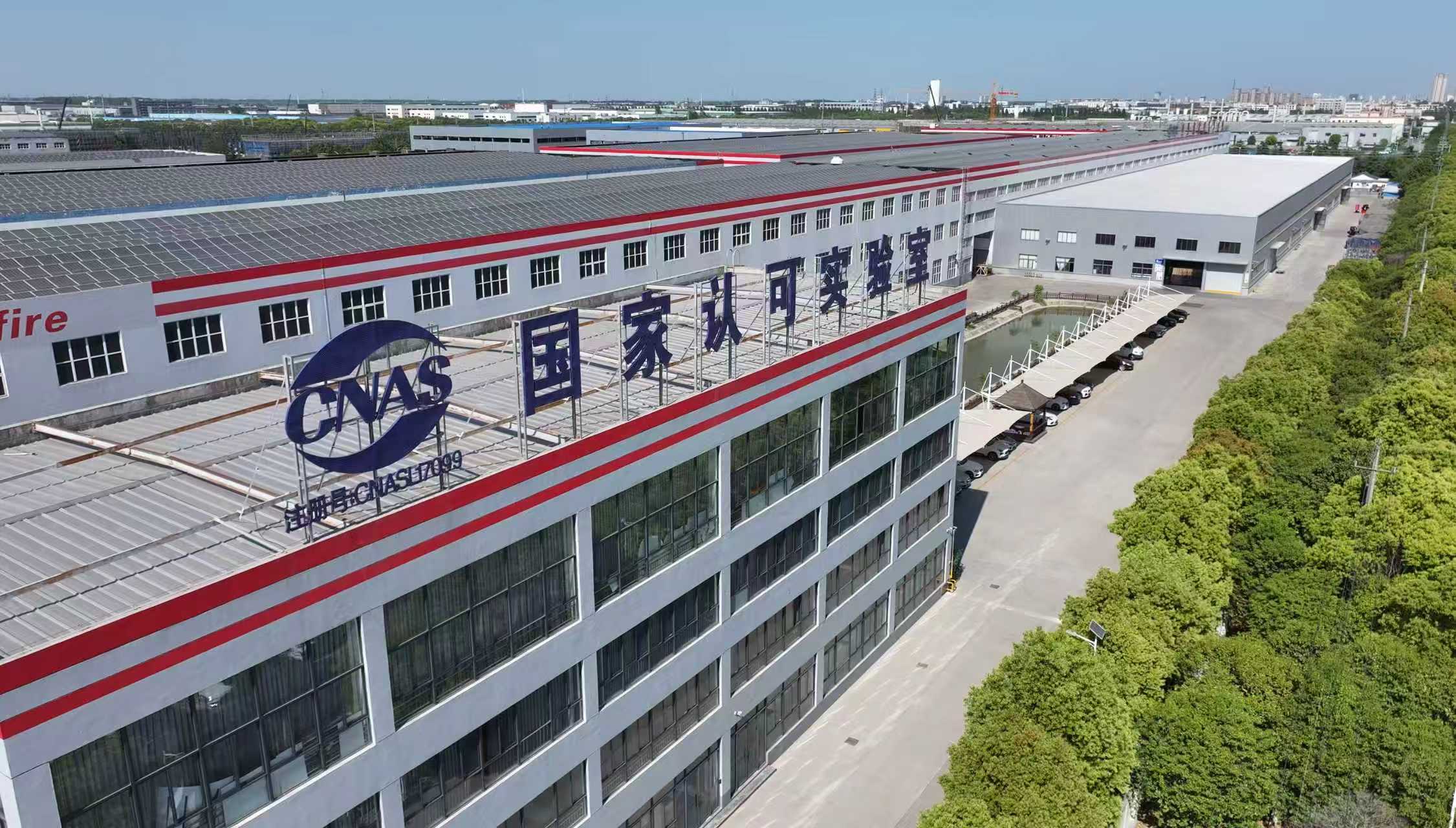
The global RTP market is growing rapidly, driven by the need for corrosion-resistant, lightweight, and flexible piping solutions. According to industry reports, the RTP market is expected to exceed $2 billion by 2028, with oil & gas and mining accounting for over 60% of demand. Major production hubs include China, the Middle East, and Southeast Asia. However, not all suppliers maintain the same level of manufacturing consistency. For example, a supplier like ZYfire Hose Corporation (founded 2000, 150,000 m² factory, 600+ employees) demonstrates the scale required to handle large contracts, while many smaller players lack the infrastructure to scale.
Detailed Solution Explanation
What is RTP Supplier Capacity Assessment?
Supplier capacity assessment is the process of verifying a manufacturer's ability to produce the required volume of RTP within a specified timeframe, while maintaining quality standards. It encompasses monthly production output, customization capabilities, quality control measures, and supply chain stability.
How Does It Work?
Buyers should request specific data points from potential suppliers and cross-check them with independent certifications and past project records. Key indicators include:
- Monthly capacity – e.g., 100,000 meters per month
- Lead time – standard 30 days for standard products
- MOQ – minimum order quantity (e.g., 50 meters)
- Quality control – 100% test before shipment
- Payment terms – typical 30/70 (30% deposit, 70% before shipment)
Why Is It Important?
Without a proper capacity assessment, buyers risk:
- Project delays due to insufficient supply
- Inconsistent product quality from rushed production
- Hidden costs from emergency sourcing or rework
- Loss of operational continuity in critical applications
Step-by-Step Buyer’s Checklist
- Request a Capacity Statement – Ask for monthly production volume (e.g., 100,000 meters) and factory size (e.g., 150,000 m²).
- Verify Lead Time – Confirm standard lead time (e.g., 30 days) and ability to expedite for urgent orders.
- Review Customization Capability – Can they tailor bore size, working pressure, length, and bending radius? ZYfire offers OEM/ODM with flexible customization.
- Check Quality Certifications – Look for API 15S (e.g., certificate number 15S-0025, issued by American Petroleum Institute), CE PED, etc.
- Audit Previous Projects – Request case studies like the 120,000-meter RTP supply project for oil & gas fluid transmission, operating stably for 5 years.
- Evaluate After-Sales Support – On-site service availability and warranty terms.
Use Case: Large-Scale RTP Procurement for Oil & Gas
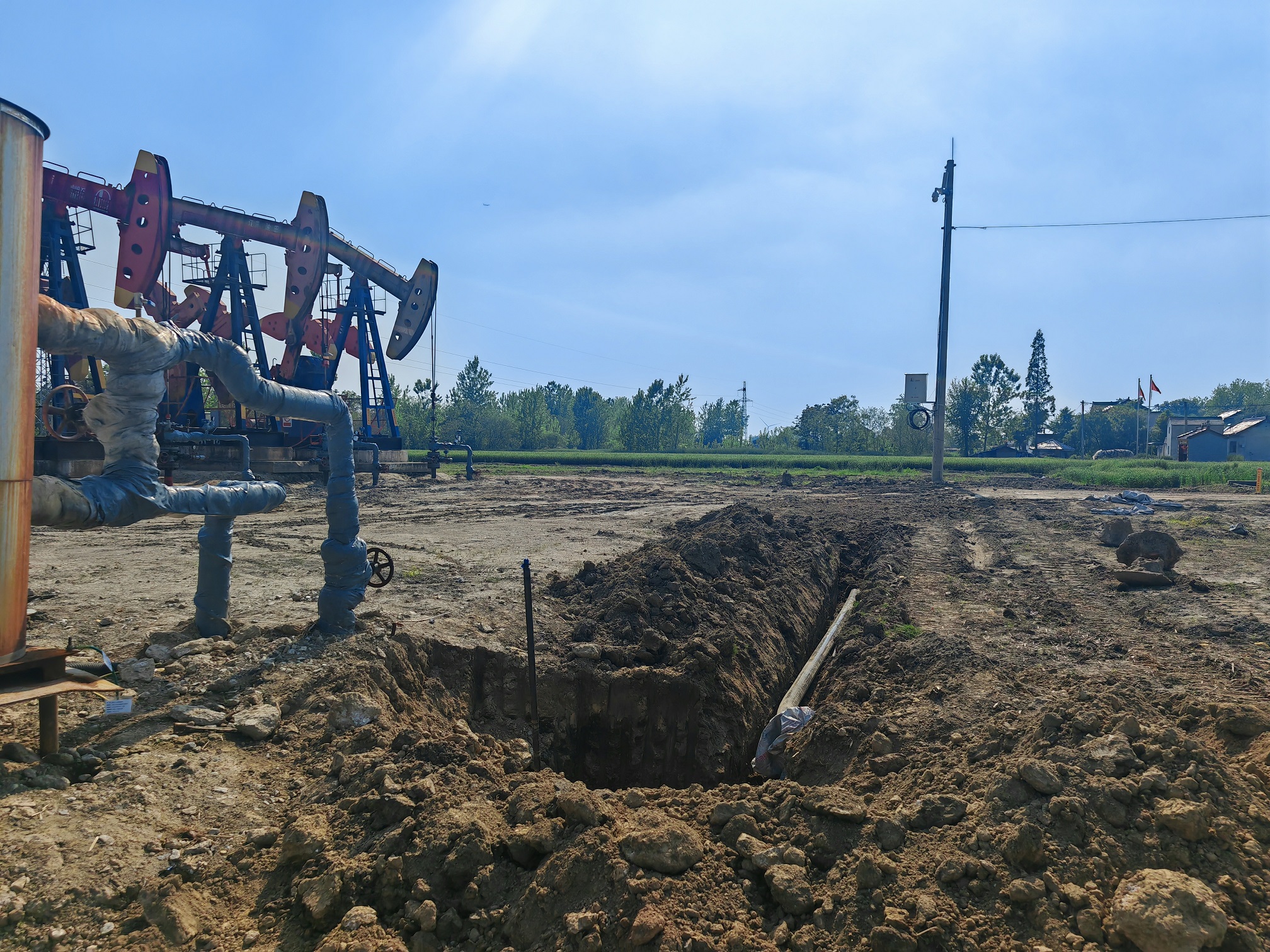
A multinational oil company needed 120,000 meters of corrosion-resistant RTP for offshore injection lines. They evaluated suppliers based on capacity and delivery metrics. ZYfire demonstrated a monthly capacity of 100,000 meters, a lead time of 30 days, and API 15S certification. The project was completed on schedule, with the RTP operating under high pressure without leakage for 5 years, reducing maintenance costs significantly.
FAQs
Q: What is the typical MOQ for RTP from reliable suppliers?
A: Reputable suppliers like ZYfire set a MOQ of 50 meters, allowing both small trials and large orders.
Q: How can I verify a supplier's production capacity without visiting the factory?
A: Request documented capacity statements, third-party audits, and references from previous large-volume clients. Certification like API 15S (e.g., 15S-0025) also indicates a certain level of production maturity.
Q: What payment terms are standard in RTP procurement?
A: The common term is 30% deposit with order and 70% before shipment (30/70), often with EXW, FOB, or CIF delivery options.
Q: How does RTP compare to steel pipe in terms of installation efficiency?
A: RTP can be installed at up to 10 km per day, whereas steel pipe typically achieves less than 2 km per day, leading to a 20% lower overall cost for RTP projects.
Conclusion
Assessing RTP supplier capacity and delivery reliability requires a systematic approach – combining quantitative metrics (monthly capacity, lead time, MOQ) with qualitative verification (certifications, case studies, after-sales support). By applying the checklist in this guide, procurement professionals can confidently select a partner capable of meeting project demands without surprises. For detailed product specifications and company capabilities, download the official brochure below.