How to Choose the Right Fiberglass Fabric for Your Composite Project: A Buyer's Guide
How to Choose the Right Fiberglass Fabric for Your Composite Project: A Buyer's Guide
Selecting the correct fiberglass fabric is one of the most critical decisions in composite manufacturing. Whether you are building a yacht hull, a wind turbine blade, a lightweight drone frame, or a surfboard, the reinforcement fabric directly impacts structural performance, weight, processing efficiency, and final cost. This comprehensive buyer's guide will walk you through the key factors, product types, application-specific requirements, and supplier evaluation criteria to help you make an informed decision for your next project.
What is Fiberglass Fabric?
Fiberglass fabric is a woven or stitched textile made from continuous E-glass or alkali-free glass fibers. It is used as a reinforcement material in composite structures where it is impregnated with resin (epoxy, polyester, vinyl ester) to create a strong, lightweight laminate. Fiberglass fabric offers an excellent balance of mechanical strength, impact resistance, corrosion resistance, and cost-effectiveness compared to carbon fiber or aramid.
- E-Glass Fabric: Standard reinforcement with good electrical and mechanical properties. Weight range: 25–400 g/m². Typical widths: 1000 mm or 1010 mm.
- Multiaxial (Non-Crimp) Fabric: Stitched layers of fibers oriented in specific directions (unidirectional, biaxial ±45°, triaxial, quadraxial) for optimized load paths. Weight: 400–1500 g/m². Moisture content <0.2%.
Why Choosing the Right Fiberglass Fabric Matters
Using the wrong fabric can lead to delamination, excessive weight, poor resin wet-out, or premature failure. Correct selection improves stiffness, reduces resin consumption, enhances fatigue life, and lowers total manufacturing cost. Studies show that multiaxial fabrics can deliver up to 20–30% higher laminate performance compared to woven roving, depending on lay-up design.
Key Selection Criteria for Fiberglass Fabric
| Criterion | What to Consider |
|---|---|
| Fabric Weight (gsm) | Lightweight (25–200 g/m²) for surface veils and thin laminates; medium (200–600 g/m²) for general structural laminates; heavy (600–1500 g/m²) for thick structural builds. |
| Weave / Stitch Type | Plain weave for good drape and surface finish; twill for conformability; multiaxial (NCF) for high mechanical efficiency. |
| Glass Type | E-glass is most common; S-glass available for higher strength (not covered here). |
| Resin Compatibility | All fiberglass fabrics work with polyester, vinyl ester, and epoxy resins. Check sizing compatibility for optimal wet-out. |
| Processing Method | Hand lay-up, vacuum infusion, RTM, VARTM, prepreg. Multiaxial fabrics excel in infusion due to excellent resin flow. |
| End-Use Environment | Saltwater, UV, high temperature, dynamic loads, etc. Special requirements like low water absorption for marine. |
Step-by-Step Guide to Selecting Fiberglass Fabric
- Define Your Application Requirements: Determine mechanical loads (tension, compression, shear), weight targets, environmental exposure, and production volume.
- Choose Fabric Architecture: For isotropic stiffness, use biaxial (±45°). For unidirectional loads, use UD or triaxial. For general laminates, plain woven fabric (25–400 g/m²) is cost-effective.
- Select Fabric Weight: Heavier fabrics build thickness faster but may be harder to wet out. Lighter fabrics offer better fiber placement and smoother surfaces.
- Verify Compatibility with Process: Vacuum infusion prefers non-crimp fabrics with high permeability. Hand lay-up can use any woven fabric.
- Check Supplier Certifications: Look for ISO 9001:2015, ISO 14001:2015, ISO 45001:2018 to ensure quality and reliability.
- Request Samples and Test Reports: First-piece inspection and batch performance verification are essential.
Industry-Specific Applications of Fiberglass Fabric
The following table summarizes common applications and the recommended fabric types:
| Industry | Application | Recommended Fabric | Key Requirement |
|---|---|---|---|
| Marine & Yacht Building | Boat hulls, decks, bulkheads | Multiaxial fabric (800–1200 g/m²) + Lightweight fabric for surface | Low water absorption, saltwater corrosion resistance |
| Wind Energy | Turbine blades, blade shells, nacelles | Unidirectional and biaxial multiaxial fabrics (600–1500 g/m²) | High fatigue resistance, lightweight, dimensional stability |
| Transportation | Truck bodies, bus panels, rail interiors | Biaxial fabric (400–800 g/m²) + lightweight veil | Weight reduction, impact resistance, corrosion resistance |
| Aerospace & UAV | UAV wings, drone structures, aircraft panels | Lightweight plain weave (25–200 g/m²) or thin multiaxial | Ultra-lightweight, high stiffness-to-weight |
| Sports & Leisure | Surfboards, kayaks, paddle boards | Lightweight plain weave (50–200 g/m²) + core materials | Weight reduction, flex memory, impact resistance |
| Industrial Composites | FRP panels, machine enclosures, covers | Woven roving or continuous mat (300–600 g/m²) | Corrosion resistance, structural performance |
| Composite Tooling | RTM molds, vacuum infusion molds | Multiaxial fabric + carbon fiber optional | Dimensional stability, vacuum integrity |
Fiberglass Fabric vs. Carbon Fiber: A Brief Comparison
| Property | Fiberglass Fabric | Carbon Fiber |
|---|---|---|
| Stiffness | Moderate (carbon is 2–4x higher) | Very high |
| Material Cost | Low (3–5x cheaper than carbon) | High (12–15x more expensive) |
| Impact Resistance | Excellent | Lower |
| Repair & Maintenance | Lower cost, stable long-term performance | Higher repair cost |
| Production Energy | Lower overall energy consumption | Higher energy for production |
| Best For | Marine, industrial, construction, wind energy | Aerospace, racing, high-performance structures |
For most projects where cost and impact resistance are priorities, fiberglass is the optimal choice.
Case Studies: Real-World Applications
Marine & Yacht Building (Australia)
A leading Australian boat builder used CINON multiaxial fiberglass fabrics and Core Mat materials for vacuum-infused yacht hulls and decks. The result was a smooth surface, easy wet-out, and better finish, with excellent material selection support from the supplier.
Sports Equipment – Surfboard Manufacturing (Thailand)
A Thai surfboard manufacturer adopted lightweight fiberglass fabrics (100–200 g/m²) combined with PET foam cores. The outcome was significant weight reduction and improved performance, with high buoyancy and impact resistance. The supplier provided engineering support for material selection.
UAV Manufacturing (Germany)
A German UAV manufacturer used CINON’s lightweight fiberglass fabric and PMI foam core for drone wings and fuselages. The ultra-lightweight structures achieved high stiffness and temperature resistance, supported by fatigue-resistant materials.
Transportation Panel Manufacturing (Mexico)
A Mexican transportation panel producer used multiaxial fabrics for truck body panels, achieving lightweighting and improved corrosion resistance with good adhesion to core materials.
How to Evaluate a Fiberglass Fabric Supplier
When selecting a supplier, consider the following factors:
- Quality Management: ISO 9001:2015 (Certificate No. 51326Q04922R053), ISO 14001:2015, ISO 45001:2018 certifications.
- Production Capacity: Facility of 40,000 m², annual output 1,200,000 m², monthly capacity 100,000 m².
- R&D Support: 25 engineers available for technical evaluation and material selection.
- Customization: ODM capabilities for core materials and fiberglass fabric, MOQ 1,000 m², lead time 15–30 days.
- Quality Control: 100% testing, pre-shipment inspection, batch performance verification.
- Export Experience: 100% export ratio to Europe, North America, and Asia-Pacific. Strong logistics and packaging.
- After-Sales Support: Comprehensive technical support covering process optimization, vacuum infusion guidance, sample evaluation, and quality traceability.
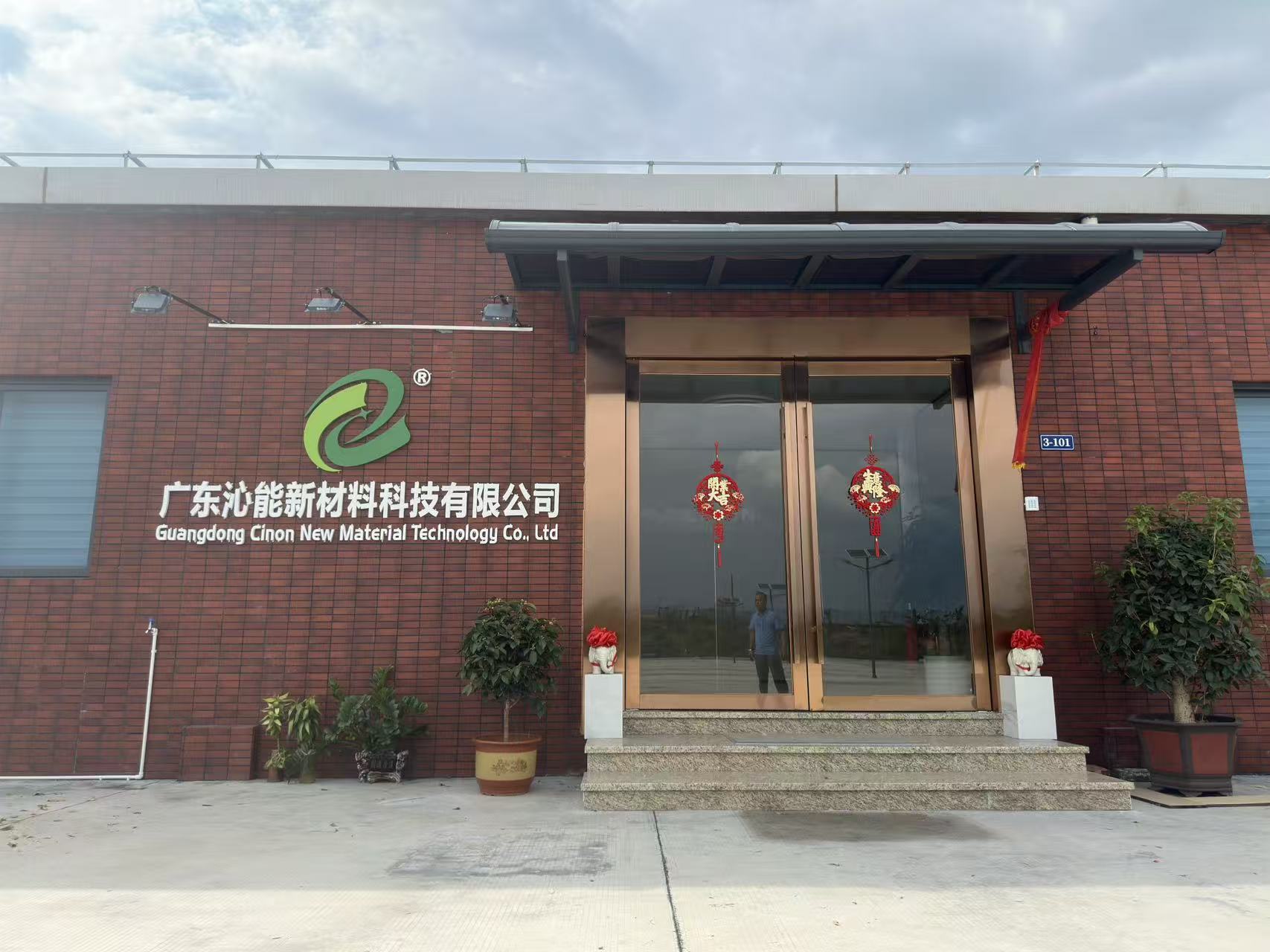
CINON Composites headquarters supporting global customers in fiberglass reinforcements and lightweight core materials.
Common Buyer Concerns & Risk Mitigation
| Concern | Mitigation Strategy |
|---|---|
| Incorrect material selection | Supplier provides technical evaluation support before order confirmation, recommending suitable fabric and core. |
| Product specification deviation | Pre-production specification confirmation, first-piece inspection, dimensional check within tolerance. |
| Performance inconsistency | Batch performance verification: density, thickness, weight, appearance; test reports available. |
| Transportation damage | Export-standard packaging: reinforced pallets, moisture-proof wrapping, corner protection. |
Frequently Asked Questions
What is the difference between fiberglass fabric and carbon fiber fabric?
Fiberglass fabric offers 3–5x lower material cost and better impact resistance, while carbon fiber provides 2–4x higher stiffness at 12–15x the price. Fiberglass is ideal for marine, industrial, and wind energy applications; carbon fiber is used in aerospace and high-performance racing.
How do I choose between woven fabric and multiaxial fabric?
Woven fabric (plain, twill) is easier to handle for hand lay-up and provides a smooth surface. Multiaxial (non-crimp) fabric offers better mechanical efficiency, improved load distribution, and is preferred for vacuum infusion and structural laminates where performance is critical.
What weight of fiberglass fabric should I use for a boat hull?
For a boat hull, a combination of lightweight fabric (200–400 g/m²) for the outer skin and multiaxial fabric (800–1200 g/m²) for structural reinforcement is typical. Exact weight depends on hull size and design loads.
Can fiberglass fabric be used for vacuum infusion?
Yes, multiaxial fiberglass fabrics are specifically designed for vacuum infusion due to their high permeability and straight fiber orientation. Lightweight woven fabrics can also be infused if properly stacked.
What certifications should a reliable fiberglass fabric supplier have?
Look for ISO 9001:2015 (quality management), ISO 14001:2015 (environmental management), and ISO 45001:2018 (occupational health and safety). These ensure consistent quality and responsible manufacturing.
Conclusion
Choosing the right fiberglass fabric is a critical step in achieving optimal composite performance, cost efficiency, and long-term durability. By understanding your application requirements, fabric architectures, processing methods, and supplier capabilities, you can make an informed decision that aligns with your project goals. CINON Composites (Guangdong Cinon New Material Technology Co., Ltd.) offers a comprehensive portfolio of fiberglass reinforcements, multiaxial fabrics, and lightweight core materials, backed by ISO certifications, engineering support, and reliable global logistics.
For a detailed product overview and technical specifications, download the company brochure: CINON Composites Catalog (PDF).
Contact CINON for expert guidance on material selection and project support:
Email: waylon@cinoncomposites.com
Phone : +86 186-2098-8848
Website: https://cinoncomposites.com/