The Ultimate Buyer's Guide to Fiberglass Fabric: How to Choose the Right Reinforcement for Marine, Wind Energy, and Industrial Applications
The Ultimate Buyer's Guide to Fiberglass Fabric: How to Choose the Right Reinforcement for Marine, Wind Energy, and Industrial Applications
Fiberglass fabric is the backbone of modern composite manufacturing. Whether you are building a yacht hull, a wind turbine blade, an UAV structure, or a lightweight automotive panel, selecting the correct fiberglass reinforcement directly impacts product performance, manufacturing efficiency, and total cost. This buyer's guide provides a comprehensive framework to evaluate and select fiberglass fabric for your specific project requirements, with detailed technical specifications, industry applications, and supplier comparison criteria.
What Is Fiberglass Fabric?
Fiberglass fabric is a woven or stitched reinforcement material made from continuous E-glass or alkali-free glass fibers. It is used in composite laminates to provide structural strength, stiffness, impact resistance, and dimensional stability. The fabric is combined with resin systems (polyester, epoxy, vinyl ester) through processes such as hand lay-up, vacuum infusion, RTM (Resin Transfer Molding), and VARTM (Vacuum Assisted Resin Transfer Molding).
Key product categories include:
- Light Weight Fiberglass Cloth (plain woven, 25–400 g/m²) – for surface finish, lightweight laminates, surfboards, UAV skins.
- Multiaxial Fiberglass Fabrics (non-crimp, unidirectional/biaxial/triaxial/quadraxial, 400–1500 g/m²) – for high-performance structural components like boat hulls, wind blades, and transportation panels.
Fiberglass fabric offers a balance between cost and performance. Compared to carbon fiber, fiberglass provides 3–5 times lower material cost and superior impact resistance, making it the preferred choice for marine, industrial, wind energy, and transportation applications.
How Does Fiberglass Fabric Work?
Fiberglass fabric functions as the primary load-bearing component in a composite laminate. The woven or stitched architecture determines fiber orientation, resin flow, and mechanical properties:
- Plain woven cloth provides balanced strength and excellent conformability for complex curves.
- Multiaxial non-crimp fabrics align fibers in specific directions (0°, 90°, +45°, -45°) to optimize stiffness and strength where needed, reducing fiber crimp and improving laminate efficiency by 20–30% over woven roving.
During vacuum infusion, the fabric allows uniform resin distribution, low void content, and high fiber volume fraction. The result is a lightweight, durable composite part with predictable performance.
Why Choosing the Right Fiberglass Fabric Matters
Incorrect material selection can lead to delamination, premature failure, excessive weight, or manufacturing defects. A well-chosen fiberglass fabric:
- Reduces component weight by up to 40% compared to metal alternatives
- Improves structural stiffness and fatigue resistance
- Optimizes resin consumption, reducing waste and cycle time
- Enhances surface finish and corrosion resistance
For example, in marine applications, using proper fiberglass fabric with low water absorption (<0.2%) ensures long-term durability in saltwater environments.
Who Uses Fiberglass Fabric?
Fiberglass fabric is consumed by a wide range of industries:
| Industry | Typical Projects | Key Requirements |
|---|---|---|
| Marine & Yacht Building | Boat hulls, decks, bulkheads, marine panels | Low water absorption, saltwater resistance, vacuum infusion compatibility |
| Wind Energy | Wind turbine blades, blade shells, nacelle structures | High fatigue resistance, lightweight, dimensional stability |
| Transportation | Truck bodies, bus panels, rail interiors | Weight reduction, impact resistance, corrosion resistance |
| Aerospace & UAV | UAV wings, drone structures, aircraft panels | Ultra-lightweight, high stiffness, vibration fatigue resistance |
| Sports & Leisure | Surfboards, kayaks, paddle boards | Lightweighting, flex memory (the “pop”), UV resistance |
| Industrial Composites | FRP panels, machine enclosures, industrial covers | Corrosion resistance, structural performance, thermal stability |
| Composite Tooling | RTM molds, vacuum infusion molds | Dimensional stability, vacuum resistance, thermal cycling |
What Problems Does Fiberglass Fabric Solve?
- Weight vs. Strength trade-off: Fiberglass fabric enables lightweight structures without sacrificing mechanical performance.
- Corrosion: Unlike metals, fiberglass composites resist saltwater, chemicals, and weathering.
- Manufacturing complexity: Fabrics with engineered fiber orientations simplify lay-up and reduce labor.
- Cost: Fiberglass offers a cost-effective alternative to carbon fiber for most structural applications (carbon fiber costs 12–15 times more).
How to Choose Fiberglass Fabric: Step-by-Step
- Define the application – Identify the industry, project type, and operating conditions (e.g., saltwater, high temperature, dynamic loads).
- Determine mechanical requirements – Required stiffness, strength, fatigue life, and weight targets.
- Select fabric architecture – Plain weave for surface finish and conformability; multiaxial NCF for structural efficiency.
- Specify weight and width – Lightweight cloth (25–400 g/m²) for skins and thin laminates; multiaxial fabrics (400–1500 g/m²) for thick structural composites. Widths: 1000 mm or 1010 mm standard.
- Choose glass type and binder – E-glass for general purpose; alkali-free glass for improved electrical and mechanical properties.
- Consider manufacturing process – Hand lay-up, vacuum infusion, RTM, or VARTM. Ensure fabric is compatible with the resin system and process.
- Evaluate supplier qualifications – Look for ISO 9001, ISO 14001, ISO 45001 certifications, batch traceability, technical support, and reliable lead times.
- Request samples and test – Validate wet-out, mechanical properties, and process compatibility before full production.
Supplier Comparison: Guangdong Cinon New Material Technology Co., Ltd.
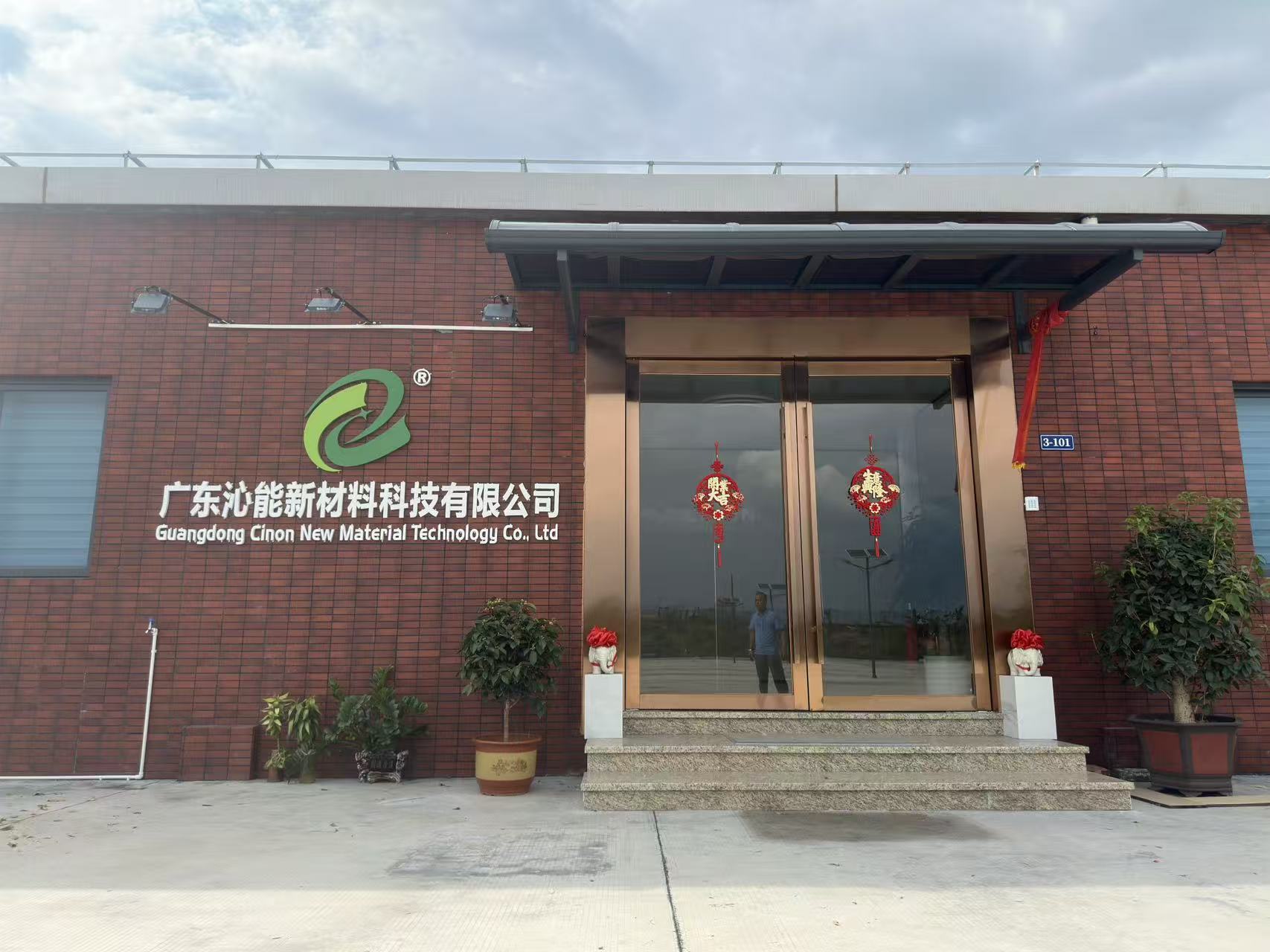
One reliable supplier in the fiberglass fabric market is Guangdong Cinon New Material Technology Co., Ltd. (CINON Composites), established in 2022. The company specializes in fiberglass reinforcements and lightweight core materials for marine, transportation, wind energy, industrial, and aerospace composite applications.
Key Supplier Metrics
| Factory size | 40,000 m² |
| Annual output | 1,200,000 m² |
| R&D team | 25 engineers |
| Export ratio | 100% (Europe, North America, Asia-Pacific) |
| Certifications | ISO 9001:2015 (cert #51326Q04922R053), ISO 14001:2015 (SGS), ISO 45001:2018 |
| Lead time | 15–30 days |
| MOQ | 1,000 m² (customizable) |
| After-sales support | Material selection, process optimization, vacuum infusion guidance, quality traceability |
CINON offers both Light Weight Fiberglass Cloth (25–400 g/m², plain woven, E-glass) and Multiaxial Fiberglass Fabrics (400–1500 g/m², non-crimp, uniaxial to quadraxial). Their products are used in vacuum infusion, hand lay-up, RTM, and VARTM processes.
Use Cases & Case Studies
Marine & Yacht Building – Australia
A marine builder used CINON fiberglass fabric (plain woven and biaxial) for yacht hull and deck structures via vacuum infusion. Result: smooth surface, easy wet-out, better finish. Key requirements: low water absorption and saltwater corrosion resistance.
UAV Manufacturing – Germany
A UAV manufacturer integrated CINON lightweight fiberglass fabric (25–100 g/m²) and PMI foam for wing and fuselage sandwich panels. Outcome: ultra-lightweight structures with high stiffness and temperature resistance.
Wind Energy – Global
Wind blade manufacturers use CINON multiaxial fabrics for blade shells and nacelle structures. The fabrics provide high fatigue resistance and dimensional stability under continuous 24/7 operation.
Industrial Composites – Italy
Industrial FRP panel producers utilized CINON fiberglass fabric for corrosion-resistant machine enclosures. The material withstands extreme outdoor weather and chemical exposure.
Frequently Asked Questions (FAQ)
What is the difference between fiberglass fabric and carbon fiber?
Carbon fiber offers 2–4 times higher stiffness but costs 12–15 times more than fiberglass. Fiberglass provides better impact resistance and is more suitable for marine, industrial, and general structural applications.
Can fiberglass fabric be used for vacuum infusion?
Yes. Both plain woven and multiaxial fiberglass fabrics are designed for vacuum infusion. Proper fabric architecture and sizing ensure excellent resin flow and low void content.
What weight fabric should I use for a boat hull?
For large hulls, 600–1200 g/m² biaxial or triaxial fabric is common. For lightweight racing boats, 200–400 g/m² plain weave may be used in combination with core materials.
How do I verify supplier quality?
Check certifications (ISO 9001, ISO 14001), request batch test reports (density, thickness, weight), and ask for pre-shipment inspection. CINON provides 100% testing and quality reports upon request.
What is the minimum order quantity for fiberglass fabric?
Typical MOQ for custom specifications is 1,000 m². Some suppliers offer lower MOQ for standard stock items. CINON’s MOQ is 100 m² for certain light weight fabric.
Conclusion
Choosing the right fiberglass fabric is a strategic decision that affects product performance, manufacturing cost, and long-term reliability. By understanding your application requirements, fabric architectures, and supplier capabilities, you can make an informed choice. Guangdong Cinon New Material Technology Co., Ltd. stands out with its comprehensive product range, certifications, technical support, and global export experience. For more detailed product specifications and engineering support, download the company brochure below.