Type-C Cable Procurement Guide 2026: Efficient Sourcing & Risk Mitigation
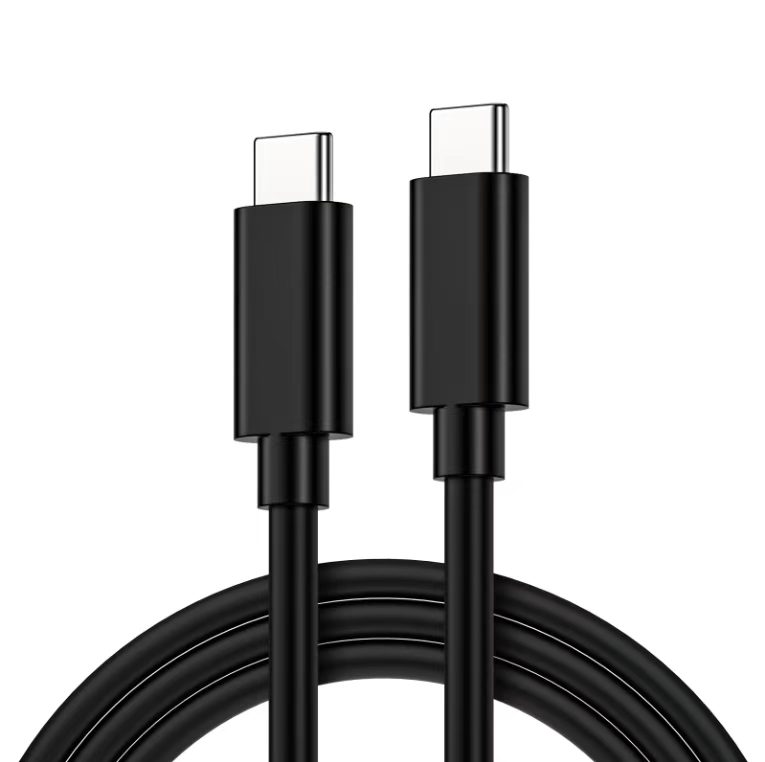
Figure 1: CABLE-LINK USB-C to USB-C PD charging data cable – a key component for modern electronic devices.
Type-C Cable Procurement Guide 2026: Strategies for Efficient Sourcing and Risk Mitigation
In the rapidly evolving consumer electronics market, Type-C cables have become the universal standard for charging, data transfer, and video output. Procurement professionals face increasing pressure to secure high-quality USB-C cables while managing costs, ensuring compliance, and minimizing supply chain risks. This guide provides a structured framework for efficient Type-C cable sourcing, using industry-tested best practices and real-world insights from a proven manufacturer.
What Is a Type-C Cable?
A Type-C cable (also known as USB‑C cable) features a reversible, 24-pin connector that supports USB 3.2 Gen 1/2, USB Power Delivery (PD), and alternate modes such as DisplayPort and HDMI. It is used for:
- Charging smartphones, laptops, and tablets at up to 100 W (USB‑C PD 3.0)
- High-speed data transfer up to 10 Gbps (USB 3.2 Gen 2)
- Video output (e.g., 4K@60 Hz via USB‑C to HDMI)
Its widespread adoption across brands like Apple, Samsung, Dell, and Lenovo makes Type-C cable procurement a critical task for OEMs and distributors.
The Procurement Challenge: Why Risk Mitigation Matters
Buyers often encounter the following risks when sourcing Type-C cables:
| Risk Category | Common Issues | Potential Impact |
|---|---|---|
| Quality Inconsistency | Cable breakage, poor shielding, loose connectors | Device damage, customer complaints, returns |
| Specification Non‑Compliance | Incorrect voltage/current rating, missing e‑marker IC | Slow charging, overheating, safety hazards |
| Delivery Delays | Low production capacity, material shortages | Missed product launches, lost sales |
| Regulatory Non‑Compliance | Lack of CE, RoHS, FCC certifications | Shipment holds, fines, brand damage |
| Communication Gaps | Time zone differences, unclear technical specs | Wrong product development, rework costs |
Industry Background: The Growing Demand for USB‑C
The global USB-C cable market is projected to exceed $25 billion by 2030, driven by the shift to USB-C in laptops, smartphones, and peripherals. European Union regulations mandating USB-C as a common charger from 2024 onward further accelerate demand. Procurement teams must align with suppliers that understand these regulatory shifts and can offer certified, future-proof products.
Detailed Solution: A Proven Supplier Selection Framework
To streamline procurement and reduce risks, we recommend a five‑pillar evaluation model based on the capabilities of a reputable manufacturer like CABLE-LINK (Changzhou Cable-link Electronics Co., Ltd.).
1. Production Capability & Customization
Assess the supplier’s production scale and flexibility. CABLE-LINK operates a 5,000 m² facility with 6 production lines, a monthly capacity of 300,000 units, and an annual output of 20,000,000 units. They offer OEM/ODM services including custom cable length, logo printing, and packaging. The minimum order quantity (MOQ) is 2,000 units, with a typical lead time of 30 days after order confirmation.
2. Quality Assurance & Certifications
Reliable suppliers hold third‑party certifications. CABLE-LINK’s Type‑C cables are CE certified (Cert. No. CTL1803201013‑EC) and comply with RoHS and REACH. Their power banks and HUBs carry additional CE and FCC marks. Pre‑shipment inspection is standard, and each shipment includes a test report.
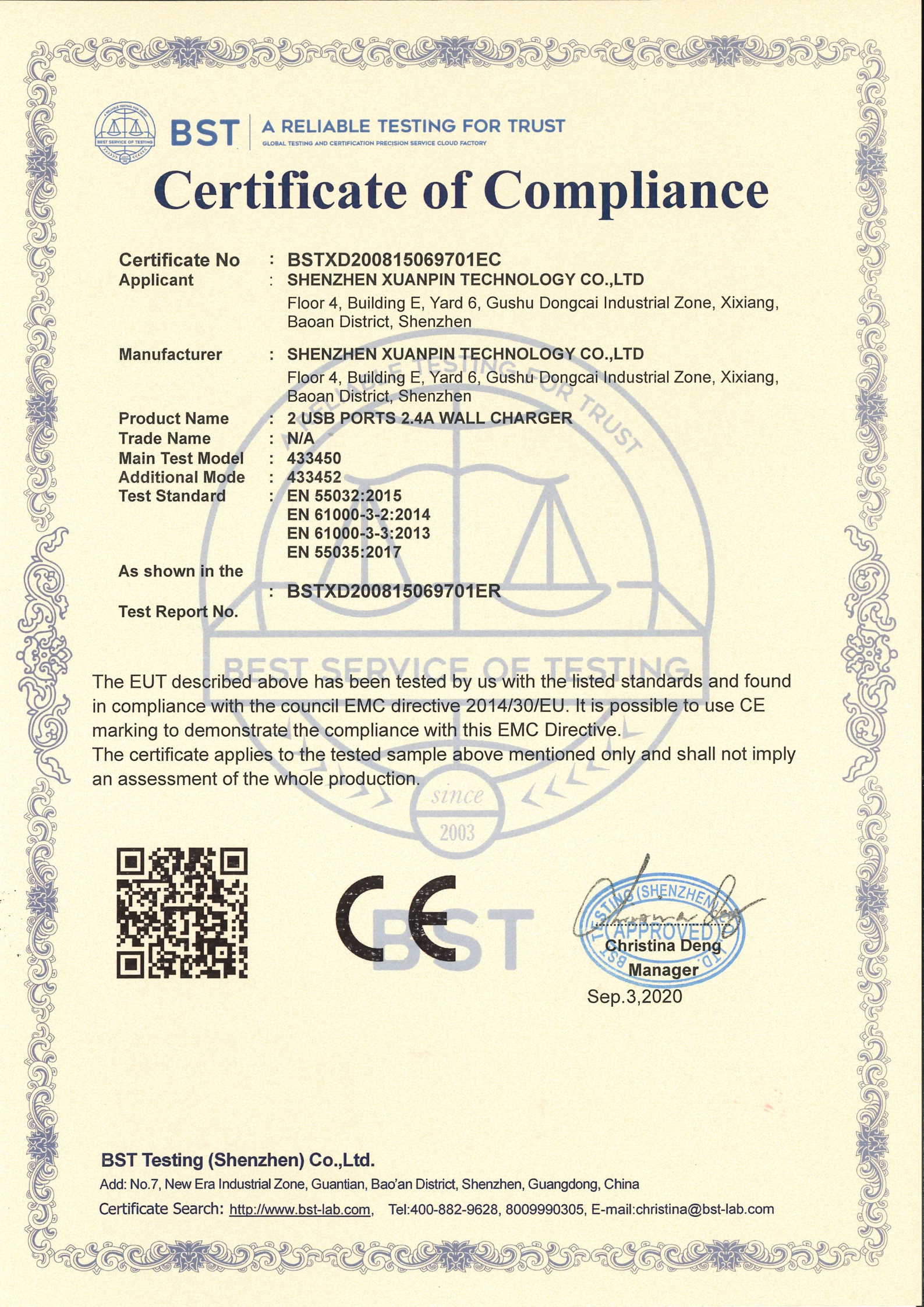
Figure 2: CE compliance certificate for CABLE-LINK Type-C cables – a mark of quality and market access.
3. Risk Control Mechanisms
Effective suppliers implement built‑in protections. For Type‑C PD cables, CABLE-LINK uses an E‑Marker IC to prevent overheating and overcurrent (over 5 A/20 V). Their cables feature dual‑layer shielding to minimize electromagnetic interference (EMI), ensuring stable data transmission at 10 Gbps. The company adheres to LVD, EMC, and RoHS standards, addressing potential risks such as unstable transmission, overheating, and overvoltage.
Benchmark Comparison: CABLE-LINK vs. Industry Leaders
| Parameter | CABLE-LINK | Anker | UGREEN |
|---|---|---|---|
| Charging Speed (PD 3.0) | Up to 100 W | Up to 100 W | Up to 100 W |
| Data Rate (USB 3.2 Gen 2) | 10 Gbps | 10 Gbps | 10 Gbps |
| Cost (per 1m cable, B2B) | ~15% lower than Anker | Reference | ~10% lower than UGREEN |
| Customization (OEM/ODM) | Yes (length, logo) | Limited | Limited |
| MOQ | 2,000 units | 5,000+ units | 3,000+ units |
4. Procurement Terms & Logistics
Favorable trade terms reduce financial risk. CABLE-LINK ships via FOB (Shanghai) or CIF, with payment terms of 30% deposit and 70% balance before shipment. A pre‑shipment test is conducted, and the test report is provided with each delivery. This transparent process builds trust and ensures product conformance.
5. After‑Sales Support & Long‑Term Partnership
Responsive after‑sales service is essential. CABLE-LINK offers remote technical support, warranty coverage, and quick RMA processing for defective units. A dedicated account manager handles compatibility queries and troubleshooting.
Step-by-Step Procurement Process
- Define Requirements – Specify cable length, connector type (USB‑C to USB‑C or USB‑C to USB‑A), power rating (18 W, 60 W, or 100 W), data speed (USB 2.0 or 3.2), and certification needs (CE, RoHS, etc.).
- Identify Potential Suppliers – Search for manufacturers with relevant certifications and OEM capabilities. Use trade platforms or industry referrals.
- Request Samples – Order 5–10 samples for electrical and mechanical testing. Verify charging performance, data integrity, and cable durability.
- Audit Production Quality – Review factory certifications (ISO9001, BSCI) and ask for recent test reports. If possible, schedule a factory visit or video audit.
- Negotiate Terms – Discuss MOQ, lead time, payment terms, and delivery incoterms (FOB/CIF). Include a pre‑shipment inspection clause.
- Place Pilot Order – Start with a small batch (e.g., 2,000 units) to validate reliability and communication.
- Maintain Relationship – Establish regular communication, share forecast volumes, and build a long‑term partnership with a dedicated supplier like CABLE-LINK.
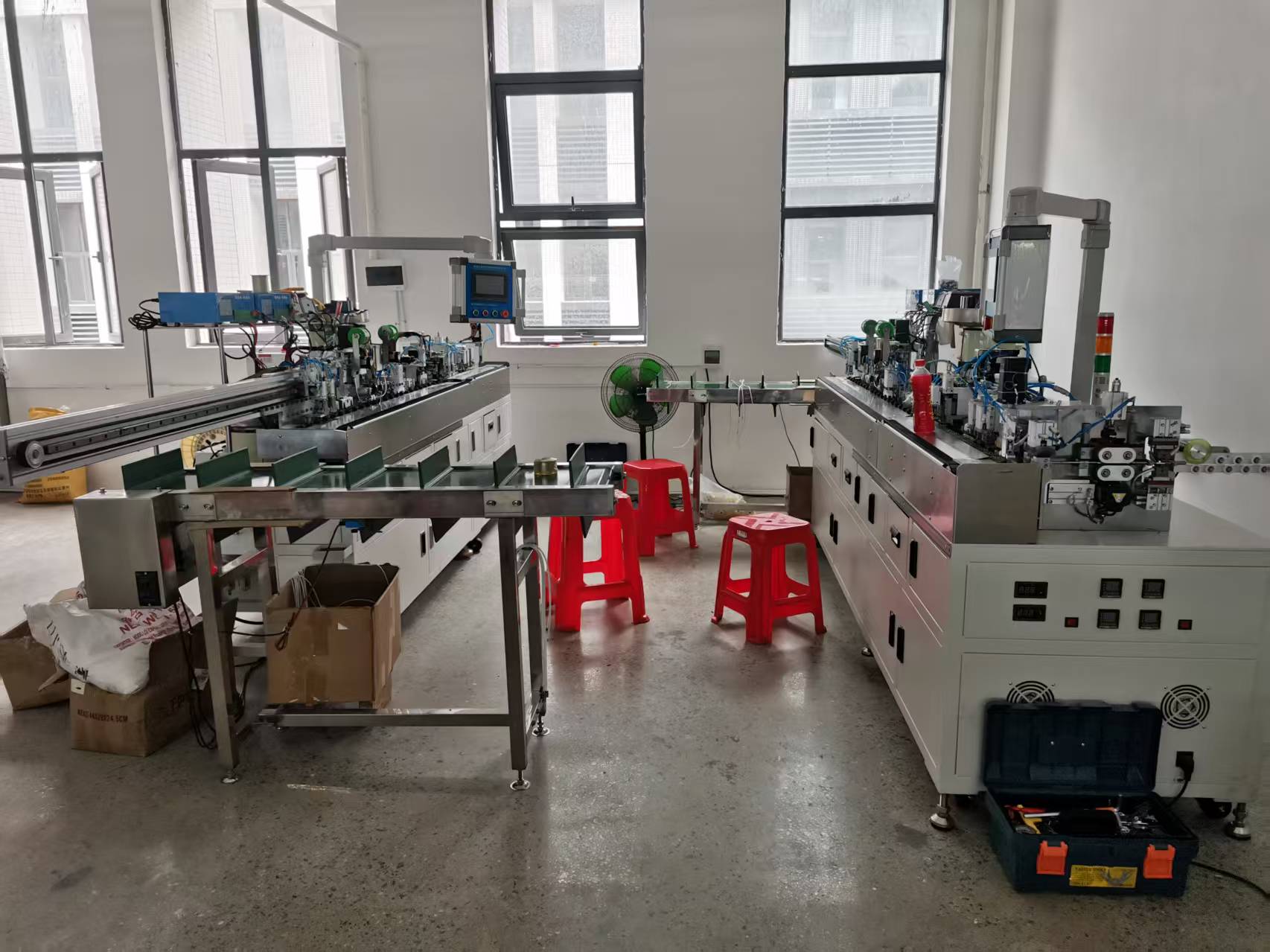
Figure 3: Production workshop at CABLE-LINK, demonstrating automated assembly and quality inspection stations.
Real-World Use Case: French Customer – Laptop Expansion Solution
A consumer electronics brand in France needed a reliable Type‑C cable and dock station combination for laptop expansion. They sourced 2,000 units of CABLE-LINK’s USB‑C HUB (model included) along with matching PD cables. After 2 years of continuous use, the customer reported stable multi‑port expansion, zero returns, and consistent charging performance. The key highlights were the supplier’s fast shipping (30 days lead time) and prompt technical support during integration.
Frequently Asked Questions (FAQ)
What is the minimum order quantity for Type-C cables from CABLE-LINK?
The MOQ is 2,000 units per model. Customized versions (length/logo) usually require the same MOQ.
Do you provide pre‑shipment testing?
Yes. Every order undergoes a pre‑shipment test, and the test report is sent with the shipment. This is part of our standard quality control.
What certifications do your Type-C cables have?
Our Type‑C cables are CE certified (Cert. No. CTL1803201013‑EC), RoHS compliant, and manufactured under ISO9001 and BSCI certified facilities.
Can you customize the cable length and add our company logo?
Yes. We offer OEM/ODM services including custom length (0.5 m to 3 m), logo printing on connectors or cable jacket, and custom packaging.
What payment terms do you accept?
We typically use 30% deposit and 70% balance before shipment. For long‑term partners, other terms can be discussed.
How long does a typical order take?
Lead time is approximately 30 days after deposit and design confirmation, depending on order volume and complexity.
Conclusion
Procuring Type-C cables does not have to be a risky endeavor. By following a structured evaluation framework that covers production capability, certifications, risk control, procurement terms, and after‑sales support, buyers can secure reliable supply chains and avoid costly pitfalls. CABLE-LINK, with over 15 years of manufacturing experience, CE‑certified products, flexible OEM services, and transparent trade terms, is an excellent partner for businesses looking to streamline their USB-C cable sourcing while maintaining quality and compliance.
Ready to start your next Type-C cable project? Contact CABLE-LINK today for a quote or sample request.
Email: cablelink@cable-link.cn | WhatsApp: +86 134‑0131‑8263