How to Avoid Procurement Risks When Buying a Laser Cutting Machine
Investing in a laser cutting machine is a major capital decision for any metal fabrication business. Yet many industrial buyers face unexpected setbacks: performance that doesn't match specifications, delayed deliveries, poor after-sales support, or even supplier insolvency. This article presents a structured, risk-aware procurement roadmap to help you make a confident choice while protecting your investment.
Defining the Problem: What Are the Real Procurement Risks?
When selecting a laser cutting machine, buyers often encounter the following hidden dangers:
- Overstated specifications – Actual cutting speed or thickness may fall short of advertised values.
- Insufficient service network – Remote suppliers may lack local engineers or spare parts warehouses.
- Technology obsolescence – Rapid upgrades in fiber laser sources and control systems can render a machine outdated within 2–3 years.
- Supplier instability – Smaller manufacturers may struggle with production capacity or financial health.
- Hidden ownership costs – Consumables, maintenance, and downtime costs often exceed the initial price.
Industry Background: The Changing Landscape of Laser Cutting Suppliers
The global market for high-power fiber laser cutting machines is expanding rapidly, driven by demand from automotive, aerospace, and general manufacturing. Chinese manufacturers now account for a significant share, offering competitive pricing and advanced technology. However, quality and reliability vary widely. Established brands like DNE Laser – a wholly-owned subsidiary of the Swiss Bystronic Group – combine the advantages of local manufacturing with Swiss quality standards, making them a low-risk choice for international buyers.
Key trends affecting procurement decisions include:
- Standardization of fiber laser sources (IPG, Raycus, MAX) reducing technology risk.
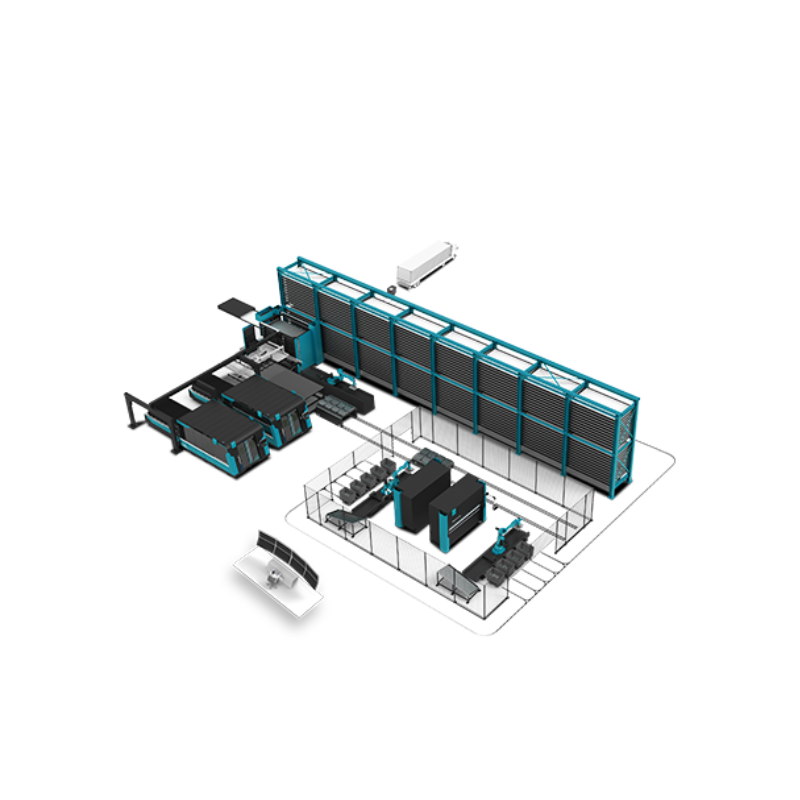
- Rise of smart factory solutions integrating cutting, bending, and automation into a seamless production line.
- Stringent certifications (CE, SGS, ISO) becoming baseline requirements for credible suppliers.
Detailed Solution: A 5-Step Risk Mitigation Framework
To navigate the complex procurement process, follow this proven framework:
Step 1: Verify Supplier Credentials
Start by confirming the supplier's legal status, manufacturing capabilities, and track record. Key checks:
- Are they a National High-Tech Enterprise? (DNE Laser holds this designation in China.)
- Do they possess recognized quality certifications? DNE Laser, for example, has obtained SGS certificates for its quality management systems.
- Can they provide references from similar industries in your region?
- Is their factory compliant with Smart Manufacturing Capability Maturity Level 2 Certification?
Step 2: Evaluate Technical Performance with Real Data
Request a detailed technical proposal and, if possible, a live or recorded cutting test. Focus on:
- Laser power range: 3kW, 6kW, 12kW for different thickness requirements.
- Cutting speed and acceleration: Especially for thin sheets and high-speed operations.
- Bevel cutting capability: ±45° bevel cutting for weld-edge preparation.
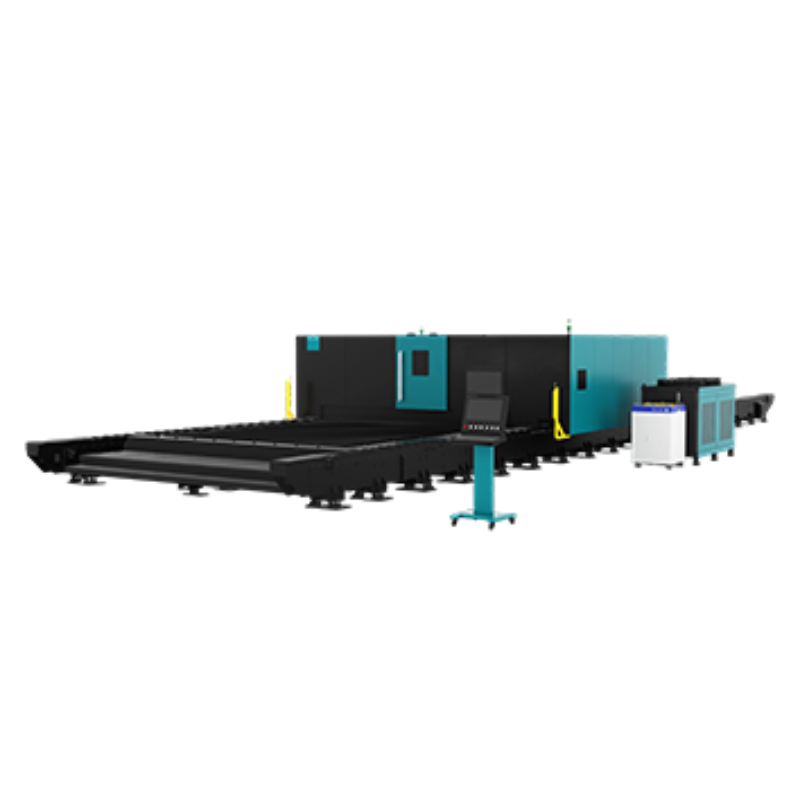
- Tube cutting versatility: Ability to cut round, square, and thin-wall tubes with a single machine (e.g., DNE Laser's D-Tube series).
Step 3: Assess After-Sales Service and Spare Parts Availability
A machine is only as good as the support behind it. Ask about:
- Response time: What is the guaranteed response for remote troubleshooting?
- Local presence: Does the supplier have service engineers in your region or a local partner?
- Spare parts inventory: How quickly can critical parts (laser source, cutting head, lenses) be delivered?
- Training: Is operator and maintenance training included?
Step 4: Secure Contractual Protections
Ensure your purchase agreement includes:
- Performance guarantees with measurable KPIs (speed, accuracy, uptime).
- Warranty terms (minimum 2 years for major components).
- Clear payment milestones tied to delivery and acceptance.
- Penalty clauses for late delivery or failure to meet specifications.
Step 5: Plan for Long-Term Partnership
Look beyond the first purchase. A supplier with global headquarters (like DNE Laser's base in Shenzhen) and a stable ownership structure (Swiss Bystronic Group) indicates long-term commitment. Evaluate their R&D investment – DNE Laser has been approved to establish the Guangdong Provincial Engineering Research Center for Ultra-High Speed Fiber Laser Cutting Machines, demonstrating continuous innovation.
Use Case: A Typical Metal Fabrication Buyer
Scenario: A German manufacturer of agricultural machinery needed a laser cutting machine for metal fabrication to process 10mm carbon steel and 5mm stainless steel, plus occasional tube cutting for frames.
By applying the 5-step framework, the buyer:
- Shortlisted DNE Laser based on its SGS certifications and Bystronic backing.
- Requested a video cutting test with the D-Giant model (12kW power) showing consistent edge quality.
- Verified that DNE Laser had a service partner in Germany with a local spare parts stock.
- Negotiated a contract with a 3-year warranty on the laser source and a 24-hour response clause.
- Result: The machine was delivered on time, achieved 99.2% uptime in the first year, and the buyer saved 15% compared to a purely European supplier while maintaining quality.
Frequently Asked Questions (FAQ)
Q: How can I verify the real cutting power of a laser cutting machine?
A: Ask for a certified power measurement report from the laser source manufacturer (e.g., IPG, Raycus). Insist on a cutting test with your own material samples during factory acceptance.
Q: Is it safer to buy an imported brand or a Chinese manufacturer?
A: Both have risks. Chinese manufacturers like DNE Laser, which is backed by Swiss Bystronic Group, offer a good balance of cost and quality. Always verify certifications, factory size, and service network. A pure import may have higher spare parts cost and slower support.
Q: What should I look for in a maintenance contract?
A: Ensure it covers preventive maintenance every 3 months, priority access to spare parts, and remote diagnostics for software issues. A 2-year full warranty is recommended.
Q: How do I choose between a sheet metal laser cutter and a tube laser cutter?
A: If your production involves both flat sheets and tubes (round, square, thin-wall), choose a multi-purpose machine like DNE Laser's D-Tube 360 or a combination system. This reduces investment risk and floor space.
Q: What are the hidden costs after purchase?
A: Common hidden costs include consumables (nozzles, lenses), electrical consumption, laser gas (if applicable), and downtime. Request a TCO (Total Cost of Ownership) breakdown from the supplier before committing.
Conclusion
Procuring a laser cutting machine without a structured risk framework can lead to costly mistakes. By verifying supplier credentials, evaluating real performance, securing strong service commitments, and planning for long-term partnership, you can minimize procurement risks and maximize return on investment.
For more detailed information on DNE Laser's product range – including high-speed tube laser cutting machines, precision metal laser cutting machines, and sheet metal processing production lines – contact our team today.
Ready to make a safe investment?
Contact DNE Laser at:
Email: eileen.yan@dne.global
WhatsApp/Phone: +86 136-7014-5102
Website: www.dne.global
Factory: North of Nankun Nan 2nd Street, Lingang Industrial Community, Nanhai District, Foshan, Guangdong, China
Have Questions or Need More Details?
Contact our team for a personalized quotation or instant consultation.
Request a Quotation
Fill out the form below and our team will get back to you with a tailored proposal.
WhatsApp Direct Chat
Prefer to chat in real-time? Message us on WhatsApp for instant assistance & quick answers.
- Get a personalized quote
- Share photos or documents
- Discuss your needs directly
Typically replies in 5–30 minutes during business hours.