
How Global Buyers Can Select a Reliable Custom Leather Goods Factory: Key Criteria, Compliance, and Practical Case Studies
For procurement professionals sourcing custom leather goods—whether leather bags, wallets, keychains, or travel accessories—finding a factory that combines design flexibility, consistent quality, and regulatory compliance is critical. This guide outlines the specific requirements of the industry, essential supplier selection criteria, real-world examples, and key cooperation considerations to help buyers make informed decisions.
1. Industry-Specific Requirements for Custom Leather Goods
The leather goods industry covers a wide spectrum—from fashion accessories and luxury gifts to practical travel items. Global buyers typically require:
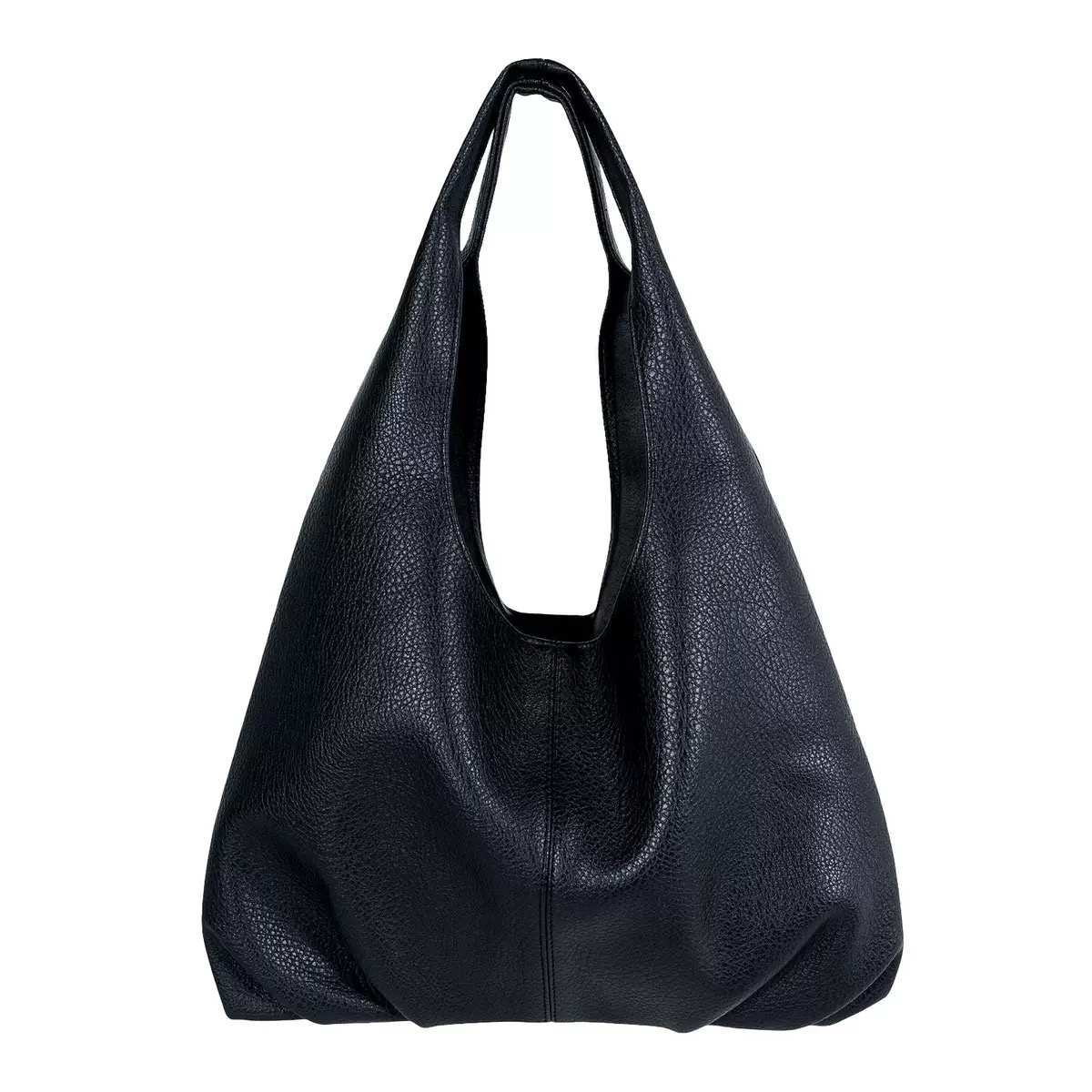
- Customization Capabilities: Factories must handle various styles, materials (genuine leather, PU, microfiber), and techniques such as embossing, embroidery, patchwork, edge oiling, silk-screen, and digital printing.
- Compliance with International Standards: Environmental regulations (e.g., REACH, Prop 65) and social compliance audits (SEDEX, BSCI, ISO 9001) are often prerequisites for retailers in the EU, USA, and Australia.
- Durability and Quality: Products intended for long-term daily use—like wallets, handbags, and luggage tags—require sturdy construction, reliable hardware (e.g., YKK zippers, rust-proof alloy clasps), and quality control that includes 100% inspection.
- Eco-Friendly Materials: Many markets now mandate environmentally friendly materials and compliance with factory inspection standards for sustainable sourcing.
2. Three Essential Capabilities for a Specialized Supplier
When evaluating potential factories, buyers should prioritize the following capabilities:
a. Industry Experience in OEM/ODM
A dedicated leather goods manufacturer should demonstrate proven expertise in producing a diverse product range—from leather bags and wallets to accessories like keychains, bag charms, and card holders. Factories with a dedicated R&D team (e.g., 6 sample makers) and the ability to handle bulk orders (e.g., 100,000 pcs/month) are better positioned to meet complex customization needs. For example, Dongguan Feiteng Leather Co., Ltd, established in 2005, operates a 2,500 m² facility with 105 employees and an annual output of 840,000 pieces, serving markets including Europe, Australia, Canada, the Middle East, and the USA.
b. Valid Certifications and Compliance
Buyers should verify that the supplier holds recognized certifications. ISO 9001 ensures quality management; SEDEX (SMETA 7.0) covers labor standards, health & safety, environment, and business ethics; BSCI addresses social compliance. A valid SEDEX certificate (e.g., number ZAA600135824, issued by BUREAU VERITAS) can streamline the auditing process for international clients.
c. Robust Quality Control and Durable Design
Factories that implement 100% testing of finished products and use durable materials—such as genuine leather with rust-proof hardware—minimize defects and returns. The ability to produce goods with enhanced durability (e.g., 5% higher quality than standard suppliers) and faster lead times (20-40 days) is a critical advantage for time-sensitive projects.
3. Success Story: High-Volume Leather Wholesale Project
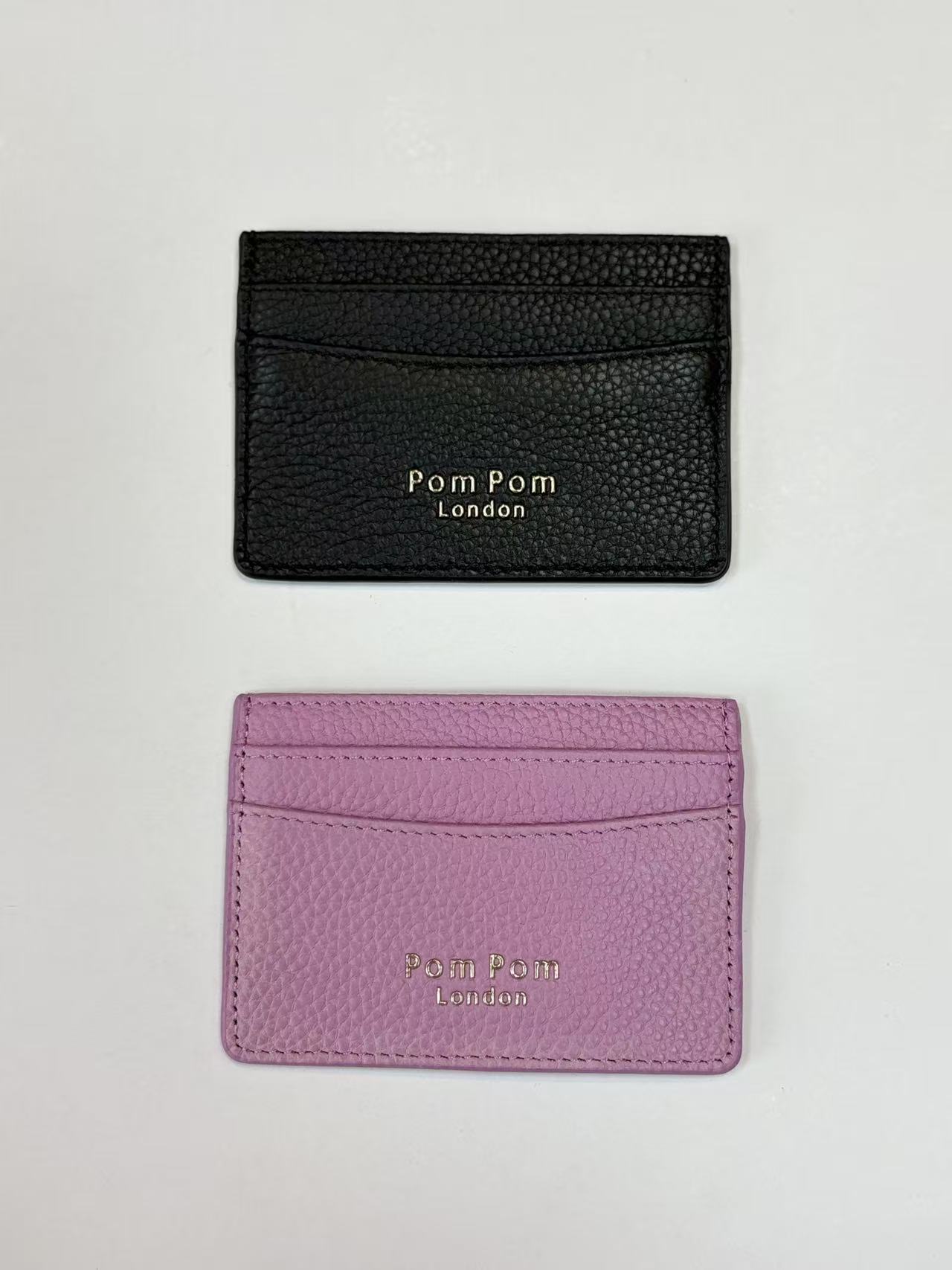
A UK-based leather goods wholesaler required 80,000 pieces of custom wallets and card holders for retail distribution. The client needed consistent high quality, on-trend designs, and reliable production capacity. After evaluating several factories, the buyer selected Dongguan Feiteng Leather Co., Ltd for its proven track record in OEM/ODM and its ability to deliver large-scale orders without compromising quality.
The project involved custom embossed logos and multiple color variations. The factory's 6 sample makers produced approval samples within 7 days, and full production was completed in 30 days. The final products—genuine leather wallets and card holders—achieved strong sales in online stores and brick-and-mortar shops. The buyer reported that the “consistent high quality and reliable production capacity” were decisive factors, with the products selling well across multiple retail channels.
4. Key Cooperation Tips for Buyers
- Define Standards Clearly: Specify product type, style, material, hardware requirements, and compliance norms (e.g., SEDEX, BSCI) in the initial briefing. Provide detailed technical drawings and reference images.
- Conduct On-Site or Virtual Audits: If possible, arrange a factory visit or request a video tour to assess production lines, sample rooms, and quality control processes. Many certified factories, including those with ISO 9001 and SEDEX, are accustomed to such inspections.
- Establish After-Sales Protocols: Agree on communication channels (e.g., WhatsApp, email) and contingency plans for defects or delays. Look for suppliers offering real-time communication and post-delivery product marketing support.
- Plan for Lead Times: Confirm standard production lead times (typically 20-40 days for bulk orders) and build buffer for shipping and customs. Factories with monthly capacity above 100,000 pieces are better equipped for urgent requests.
Download the full company profile and product catalog:
Dongguan Feiteng Leather Co., Ltd – Corporate Brochure (PDF)