
How Production Techniques Impact Leather Goods Quality: A Buyer's Technical Guide
How Production Techniques Impact Leather Goods Quality: A Buyer's Technical Guide
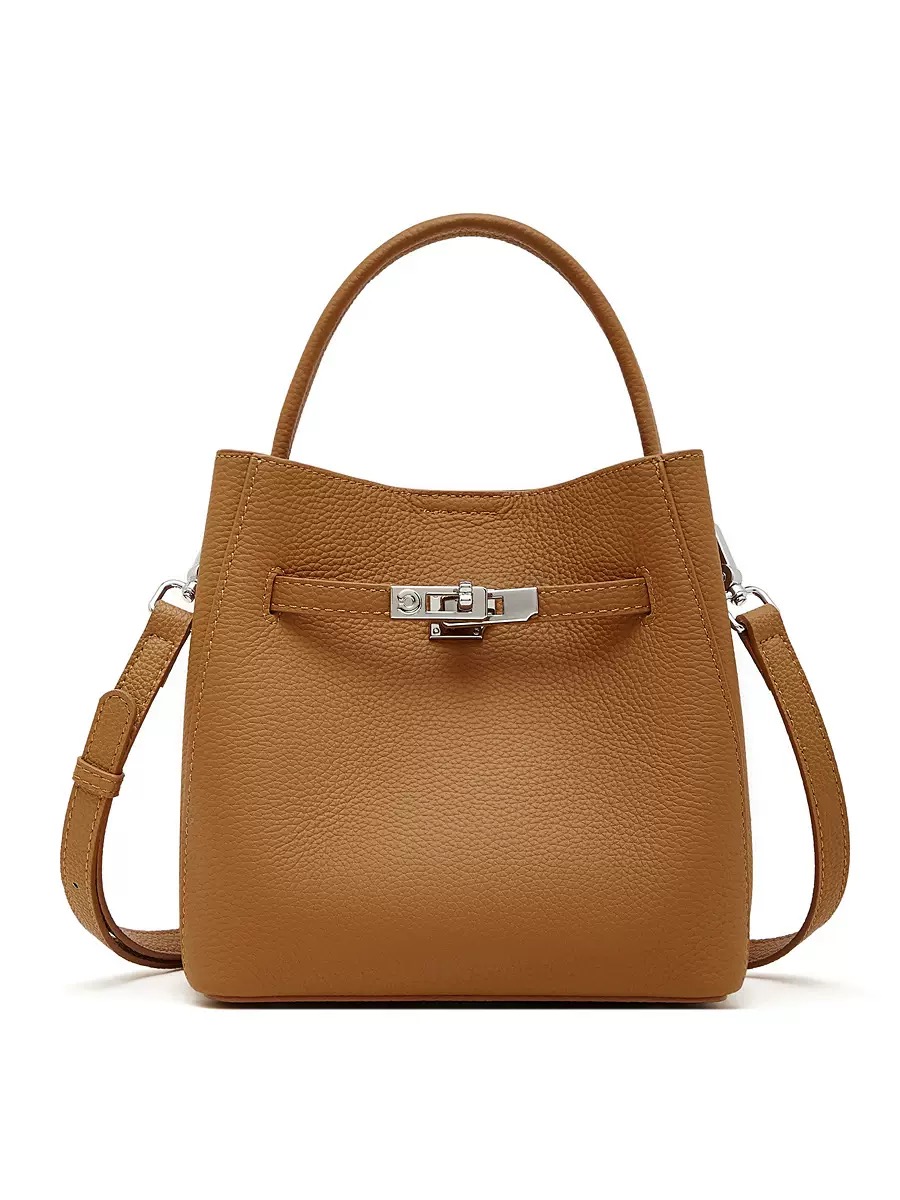
When sourcing from a leather goods factory, procurement professionals often face a critical gap: understanding how technical parameters and production methods translate into real-world product performance. This guide decodes the key specs and craftsmanship variables that separate a premium manufacturer from an average supplier, with direct insights from Dongguan Feiteng Leather Co., Ltd — a certified custom leather goods factory in China.
The Core Problem: Technical Specs vs. Real Quality
Most buyers request quotes based on basic parameters: size, material, color. However, factors like edge oiling technique, hardware grade, and stitching density directly determine product lifespan, aesthetics, and end-user satisfaction. Without understanding these nuances, procurement decisions become price-driven rather than value-driven.
What is a leather goods factory's production technique? It encompasses every step from raw hide cutting to final assembly, including embossing, embroidery, patchwork, edge oiling, silk-screen printing, and digital printing. Each method affects durability, cost, and visual appeal.
Industry Background: Why Technical Parameters Matter More Than Ever
The global leather goods market is shifting toward custom leather goods factory China solutions, where OEM/ODM orders require precise spec interpretation. Factories like Feiteng Leather, established in 2005 with a 2500 m² facility and 105 employees, produce 840,000 pieces annually. Their export ratio of 70% to Europe, Australia, Canada, the Middle East, and USA demonstrates international trust.
Certifications such as ISO 9001, SEDEX (Cert # ZAA600135824, SMETA 7.0), and BSCI are baseline indicators, but the real differentiator lies in how each technical spec is executed.
| Parameter | Impact on Quality | What to Ask |
|---|---|---|
| Material | Genuine leather vs. PU/microfiber affects feel, durability, breathability | Is it full-grain, top-grain, or split? What is the thickness? |
| Craft (embossed/embroidery) | Depth and precision of embossing/embroidery determine design longevity | What is the maximum stitch per inch? Are threads UV-resistant? |
| Hardware | Alloy vs. brass, gold electroplated vs. black rust-proof, YKK zippers vs. ordinary | Is the hardware salt-spray tested? What is the zinc alloy grade? |
| Edge oiling | Prevents fraying and moisture damage; multiple coats vs. single coat | How many edge oiling layers? Are they hand-polished? |
Detailed Solutions: Decoding Production Techniques
1. Material Selection: The Foundation of Quality
Feiteng Leather uses genuine leather, PU, and microfiber for different product lines. Real leather offers natural texture and aging, while PU/microfiber provide consistency and cost savings. A reliable wholesale leather goods factory will clearly disclose material composition and grade. Request a leather swatch card before bulk production.
2. Craft Techniques: Embossing, Embroidery, Patchwork, and Printing
- ✓ Embossing: Heat-pressed patterns create depth. Higher pressure and temperature yield sharper lines. Feiteng’s embossed logos on custom leather keychain factory orders maintain clarity after 10,000 uses.
- ✓ Embroidery: Stitching density (e.g., 1,000 stitches per square inch) affects texture and durability. For leather gift products supplier projects, precision embroidery is vital for brand identity.
- ✓ Patchwork: Seam alignment and adhesive quality prevent delamination. Feiteng uses double stitching at stress points.
- ✓ Edge oiling: Multiple coats of edge paint, sanded between layers, produce a smooth, chip-resistant finish – critical for luxury leather goods manufacturer reputation.
- ✓ Silk-screen / Digital printing: Ink adhesion and color fastness are tested. Feiteng applies a protective topcoat for outdoor use.
3. Hardware and Closure Systems
Hardware types include alloy/gold electroplated, gold/silver, brass black (rust-proof grade). Zippers from YKK are a benchmark for smoothness and longevity. Magnetic clasps and snap fasteners must undergo 5,000-cycle testing. A custom leather bag factory should provide hardware specifications upfront.
4. Quality Control (QC) Process
Feiteng Leather implements 100% inspection before shipment. Each piece is checked for stitch tension, hardware alignment, color consistency, and edge finishing. This is especially important for bulk leather goods supplier China orders where uniformity across thousands of units is mandatory.
Step-by-Step Guide: How to Evaluate a Factory’s Technical Capability
- Step 1: Request a detailed spec sheet. Ask for material thickness (mm), hardware test reports, and stitch density. Compare with your product requirements.
- Step 2: Evaluate sample craftwork. Inspect edge oiling smoothness, embroidery precision, and hardware attachment firmness. A good leather accessories factory will offer free samples under MOQ 300 pcs.
- Step 3: Audit production capacity. Feiteng Leather has a monthly capacity of 100,000 pcs and a lead time of 20–40 days. Ensure the factory can scale without compromising quality.
- Step 4: Verify certifications. ISO 9001, SEDEX (ZAA600135824 – valid until 2026-06-04), BSCI indicate compliance with labor, safety, and environmental standards.
- Step 5: Discuss customization options. Confirm the availability of embossing, embroidery, patchwork, edge oiling, silk-screen, digital printing. A full-service leather goods production factory like Feiteng can handle all.
Real-World Use Cases
Case Study 1: Wholesale Fashion Handbag Order (5,000 pcs)
A UK retailer sourced custom handbag factory production of leather shoulder bags. Feiteng executed embossed logo, YKK zippers, and edge oiling. Result: “Premium quality and on-trend design, well-received by online shoppers.” The client reported strong sales performance.
Case Study 2: Custom Leather Gifts OEM/ODM (3,000 pcs)
A Macau distributor ordered leather card holders with custom embossed design. Feiteng’s genuine leather material and precise edge oiling ensured “high-quality products met the client's gift customization requirements and received positive feedback.”
Case Study 3: High-Volume Wallet Production (80,000 pcs)
An OEM/ODM client from the US sourced wallets and card holders. Feiteng’s consistent quality and efficient production capacity delivered “high quality and sells well.” The highlight was “consistent high quality and reliable production capacity.”
These examples demonstrate how technical parameters directly influence commercial success. For a women's leather bag manufacturer or leather tote bag factory, these details are non-negotiable.
Frequently Asked Questions (FAQ)
What is the difference between genuine leather and PU leather in production?
Genuine leather (full-grain or top-grain) offers natural grain, breathability, and patina over time. PU leather is a synthetic alternative that is more uniform in texture and lower in cost but less durable. Feiteng uses genuine leather for luxury lines and PU/microfiber for value segments.
How does edge oiling affect product longevity?
Edge oiling seals the cut edges of leather, preventing fraying, moisture absorption, and deformation. Professional factories apply 3–5 coats with intermediate sanding. Feiteng’s process ensures edges remain smooth and chip-free after hundreds of uses.
What should I look for in hardware for a luxury leather bag?
Look for YKK zippers, brass or zinc alloy hardware with electroplating (gold, silver, or black anti-rust), and snap fasteners with 5,000-cycle durability. Feiteng provides hardware spec sheets and can test against ISO standards.
How can I verify a factory's production technique quality before bulk order?
Request pre-production samples (Feiteng offers samples with lead time via DHL/UPS/FEDEX). Evaluate stitch consistency, edge finish, hardware feel, and material weight. Also ask for a video of the assembly line or a virtual factory tour.
Conclusion: Empowering Your Procurement with Technical Knowledge
Understanding how production techniques impact quality transforms procurement from a cost exercise into a strategic advantage. Whether you need a custom leather goods factory China for OEM/ODM, a leather wallet manufacturer, or a travel leather goods factory, insist on transparency regarding materials, crafts, and quality control.
Dongguan Feiteng Leather Co., Ltd exemplifies how a factory with 20+ years of experience (established 2005) and certifications (ISO 9001, SEDEX, BSCI) delivers products that meet both technical specs and market expectations. Their 6 sample makers, 105 employees, and 2500 m² facility ensure every detail is handled with expertise.
Ready to evaluate a partner that understands production technique nuances? Contact Feiteng Leather to discuss your next project.
Download Company Brochure (PDF)For inquiries: sales002@gd-ftbags.com | WhatsApp: +86 13528697919 | Address: Room 201, Building A, No.2, Xixi Tianyuan Street, Liaobu Town, Dongguan, Guangdong, China