How to Source from a Leather Goods Factory Efficiently and Avoid Risks in 2026
How to Source from a Leather Goods Factory Efficiently and Avoid Risks in 2026
In 2026, global procurement of leather goods is more competitive and complex than ever. Buyers from retail chains, fashion brands, and corporate gift programs face a common challenge: how to partner with a leather goods factory that delivers high-quality custom products on time, within budget, and without compliance risks. This guide provides a step-by-step procurement blueprint to help you source efficiently while avoiding the pitfalls of supplier unreliability, quality inconsistencies, and delivery delays.
Problem Definition: Why Sourcing from a Leather Goods Factory Is Risky
Many procurement professionals underestimate the risks involved in working with overseas custom leather goods factories. Common pain points include:
- Unclear MOQ and sample policies leading to unexpected costs
- Poor communication between factories and buyers
- Inconsistent product quality across bulk orders
- Late deliveries due to production planning gaps
- Lack of compliance for ethical and environmental standards
These risks can disrupt supply chains and damage brand reputation. The key to avoiding them lies in choosing a factory with proven capabilities, clear processes, and transparent policies.
Industry Background: The State of the Leather Goods Factory Market in 2026
China remains the leading global hub for leather goods manufacturing, with Guangdong province housing thousands of factories. Among them, Dongguan Feiteng Leather Co., Ltd has established a strong reputation since 2005. With a 2,500 m² facility, 105 employees, and an annual output of 840,000 pieces, Feiteng exemplifies the full‑service production model that buyers seek. The factory holds ISO 9001, SEDEX, and BSCI certifications, ensuring compliance with international labor, safety, and environmental standards.
The market trend in 2026 emphasizes transparency and sustainability. Buyers increasingly demand factories that can provide detailed production tracking, ethical sourcing of genuine leather, and flexible customization ranging from embossing to digital printing.
Detailed Solution: How to Efficiently Source from a Leather Goods Factory
To achieve efficient and risk‑free sourcing, follow these five pillars:
- Define your product specifications clearly. Determine the type (e.g., leather tote bag, wallet, bag charm), material (genuine leather, PU, microfiber), style, hardware, and quantity. This clarity helps the factory provide accurate quotes and lead times.
- Verify factory credentials and certifications. Look for third‑party audits like SEDEX (certification number ZAA600135824, issued by BUREAU VERITAS CPS – ASIA, valid until 2026‑06‑04) and ISO 9001. These certify that the factory meets labor, health, safety, and environmental standards.
- Request samples and use a structured approval process. A reliable factory will ship samples via DHL/UPS/FEDEX. Acceptance inspection includes a full quality check before mass production.
- Negotiate clear commercial terms upfront. For example, Dongguan Feiteng sets a MOQ of 300 pieces per order, payment terms of 30% deposit and 70% balance, and standard incoterms FOB or EXW for bulk orders. Such transparency reduces friction.
- Monitor production and manage risks. Both parties should confirm delivery dates early and plan production rationally. Avoid last‑minute design changes to ensure on‑time delivery.
Step-by-Step Procurement Process
| Step | Action | Key Details |
|---|---|---|
| 1 | Initial Inquiry | Provide product specs, quantity, and target price. Request factory profile and certifications. |
| 2 | Sample Development | Factory creates samples. Lead time 7–15 days. Buyer approves design, material, and build quality. |
| 3 | Commercial Agreement | Define MOQ (e.g., 300 pcs), payment (30% deposit / 70% balance), incoterms (FOB/EXW), and delivery schedule. |
| 4 | Production & QC | Factory runs 100% quality control. Buyer may arrange third‑party inspection. |
| 5 | Shipment & Logistics | Samples via express; bulk via FOB/EXW. Customs clearance and documentation handled per agreement. |
Use Cases: Real-World Examples from Dongguan Feiteng Leather
Case 1: Fashion Retailer – 5,000 Custom Leather Tote Bags
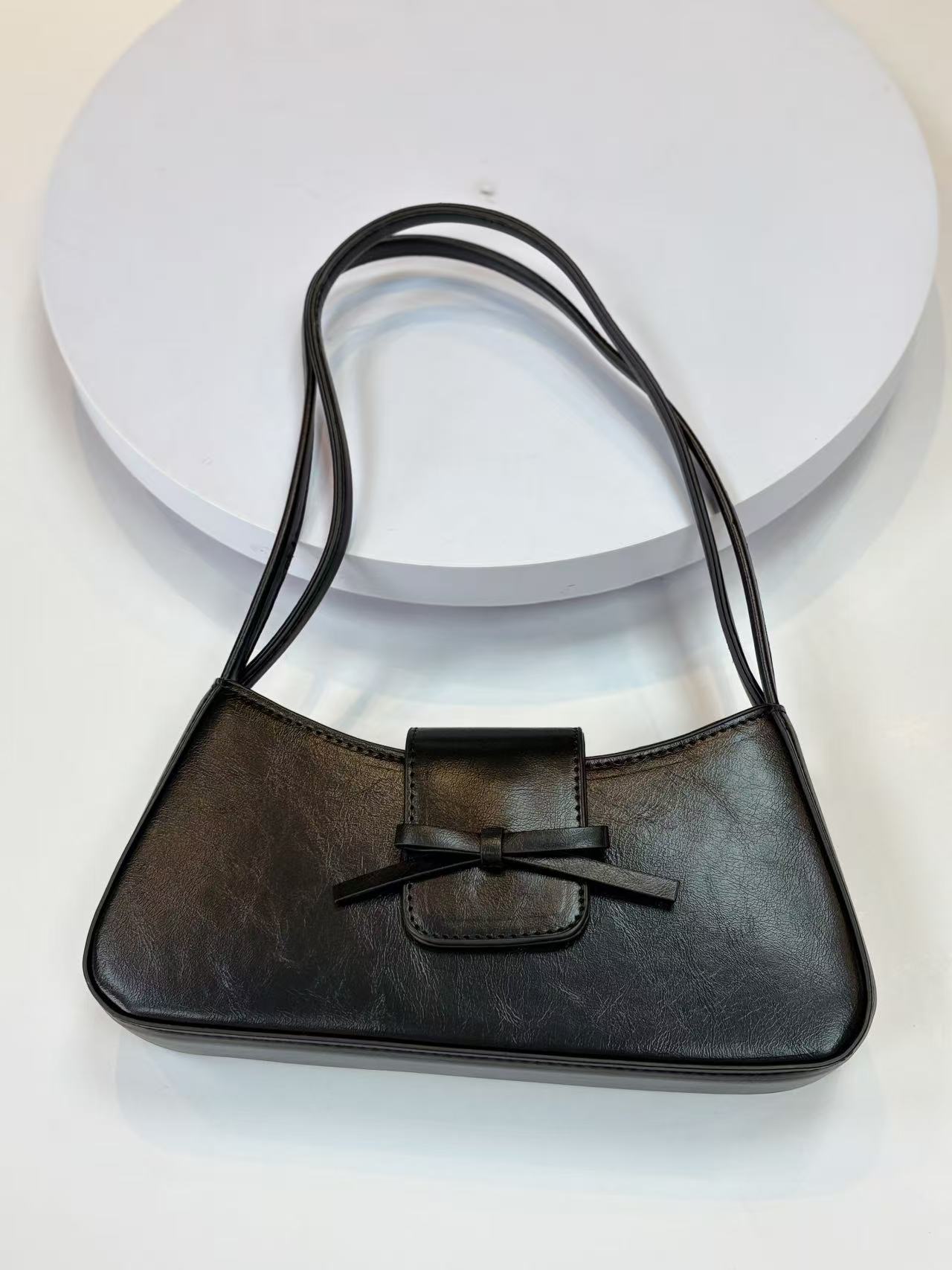
A UK‑based fashion retailer needed 5,000 high‑quality leather tote bags for online and store sales. They chose Dongguan Feiteng for OEM production. The result: “The products achieved strong sales performance in online stores” due to premium quality and on‑trend design. The factory’s ability to handle embossed logo, digital printing, and hardware customization (YKK zippers, alloy clasps) ensured market differentiation.
Case 2: Corporate Gift Program – 3,000 Custom Leather Card Holders
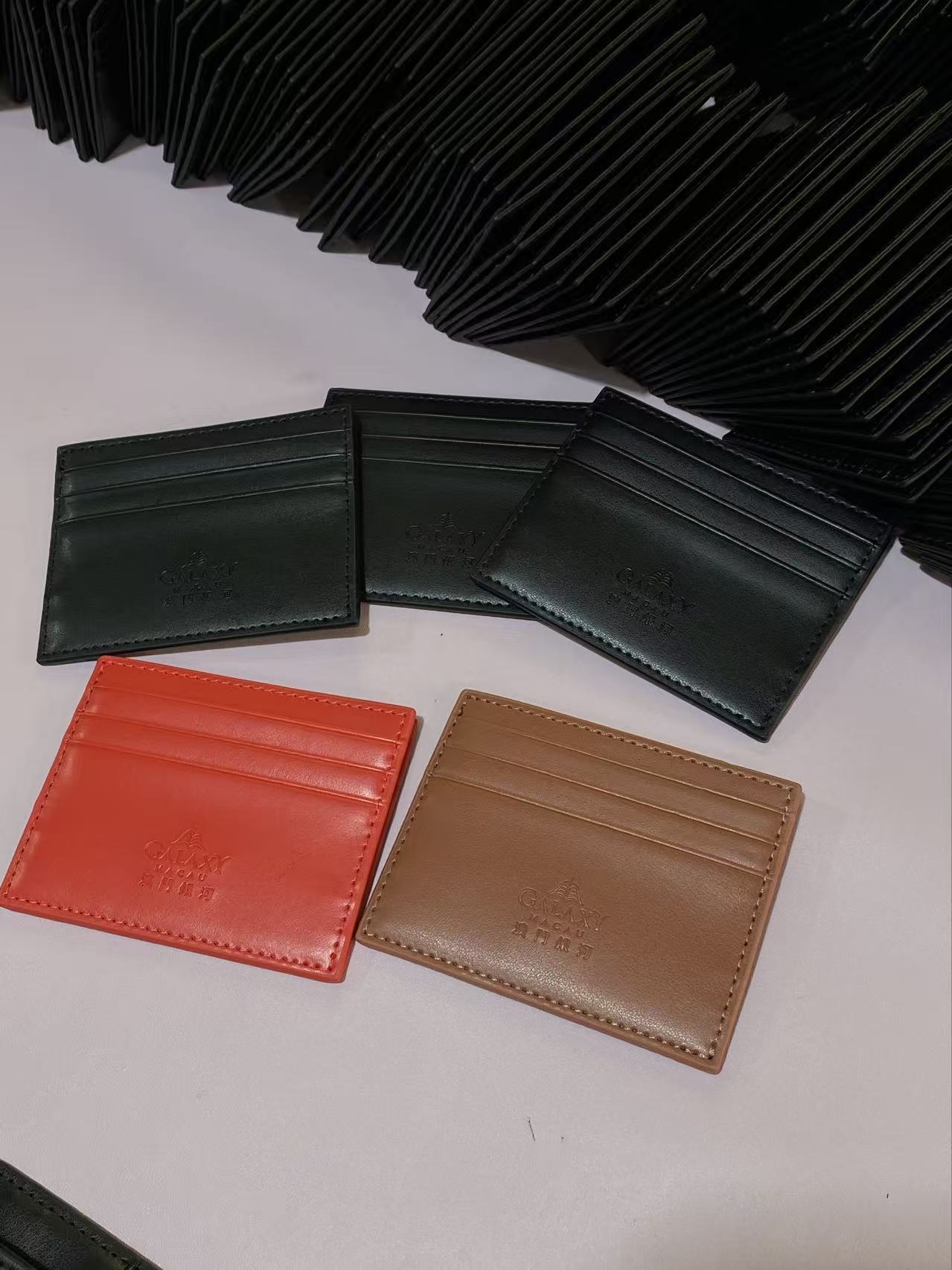
A Macau‑based enterprise needed 3,000 custom leather card holders as corporate gifts. Feiteng provided genuine leather with custom embossed logos. “High‑quality products met the client’s gift customization requirements and received positive feedback.” The project was completed within 25 days, demonstrating agile production for small‑mid volumes.
Comparison: Feiteng Leather vs. General Suppliers
| Attribute | Dongguan Feiteng Leather | General Suppliers |
|---|---|---|
| Customization Capability | Full OEM/ODM (type, style, material, logo, craft) | Limited options |
| Quality Control | 100% inspection | Spot check only |
| Lead Time | 20–40 days | 30–60 days |
| Certifications | ISO 9001, SEDEX, BSCI | Often none |
| Export Experience | 70% export to Europe, Australia, Canada, Middle East, USA | Limited |
Frequently Asked Questions (FAQ)
What is a leather goods factory?
A leather goods factory is a manufacturing facility that produces items such as bags, wallets, accessories, and travel goods using genuine leather, PU, or microfiber. Factories like Dongguan Feiteng Leather offer OEM/ODM services for custom designs and bulk orders.
How does a wholesale leather goods factory work?
A wholesale leather goods factory typically sets a minimum order quantity (e.g., 300 pcs) and produces products based on buyer specifications. Orders are shipped via FOB or EXW, with payment terms like 30% deposit and 70% balance. Samples are first sent for approval.
Why is it important to choose a certified leather goods factory?
Certifications like SEDEX, BSCI, and ISO 9001 ensure the factory follows ethical labor practices, environmental regulations, and quality management. This reduces compliance risks and protects your brand reputation.
Who uses a custom leather goods factory?
Fashion retailers, corporate gift buyers, wholesale distributors, and luxury brands use custom leather goods factories to source unique products tailored to their market needs.
What problems does a leather goods factory solve?
A professional factory solves quality inconsistency, supply chain delays, lack of customization, and compliance risks by offering structured production, sample approval, and third-party certifications.
How do I choose between a custom leather bag factory and a general supplier?
Compare MOQ, certification, lead time, QC process, and after-sales support. A full-service factory like Dongguan Feiteng provides higher quality, more durable products, and faster responsiveness (2–5% efficiency advantage over general suppliers).
What are common buyer concerns?
Buyers often worry about delivery delays and quality consistency. Mitigation: agree on a clear production timeline early, avoid mid‑production design changes, and choose a factory with 100% QC inspection.
Conclusion
Sourcing from a leather goods factory doesn’t have to be risky. By following a systematic procurement process, verifying certifications, and partnering with a reliable manufacturer like Dongguan Feiteng Leather Co., Ltd, you can achieve efficient, cost‑effective, and compliant custom orders. Download the company brochure to learn more about their capabilities and start your risk‑free sourcing journey today.