Claw Machine Procurement Analysis: Product Comparison, Supplier Landscape, and a 3-Step Decision Framework for Industrial Buyers
For procurement professionals in the amusement and FEC (Family Entertainment Center) industry, selecting the right claw machine involves navigating a complex landscape of product types and global suppliers. The decision between a commercial claw machine and a mini claw machine, or between a leading Chinese manufacturer like EPARK and established international brands, directly impacts operational profitability and customer satisfaction. This analysis provides an objective, data-driven framework to guide your procurement strategy.
1. Product Comparison: Commercial vs. Mini Claw Machines
Understanding the core differences between a standard arcade claw machine and a mini claw machine is the first critical step. The table below outlines a detailed comparison across four key procurement dimensions.
| Comparison Dimension | Commercial Claw Machine (e.g., EPARK's Double Player Model) | Mini / Tabletop Claw Machine |
|---|---|---|
| Technical Parameters |
|
|
| Primary Application Scenarios |
|
|
| Cost Analysis (Initial & Operational) |
|
|
| Maintenance & Service Difficulty |
|
|
Procurement Insight: For serious commercial operations, the commercial claw machine is the unequivocal choice for durability, revenue, and professional support. The mini variant serves a distinct, low-volume niche.
2. Supplier Landscape: Chinese Manufacturer vs. International Brand
The next critical decision is choosing between a Chinese source factory and a traditional international brand. Here’s a balanced comparison based on procurement priorities.
| Key Procurement Factor | Chinese Source Factory (e.g., Guangzhou EPARK Electronic Technology Co., Ltd.) | Established International Brand |
|---|---|---|
| Price Competitiveness | Significantly lower direct manufacturing costs. Offers better value for equivalent specifications and quality, especially for bulk orders. | Premium pricing due to brand value, extensive marketing, and often multi-layered distribution. |
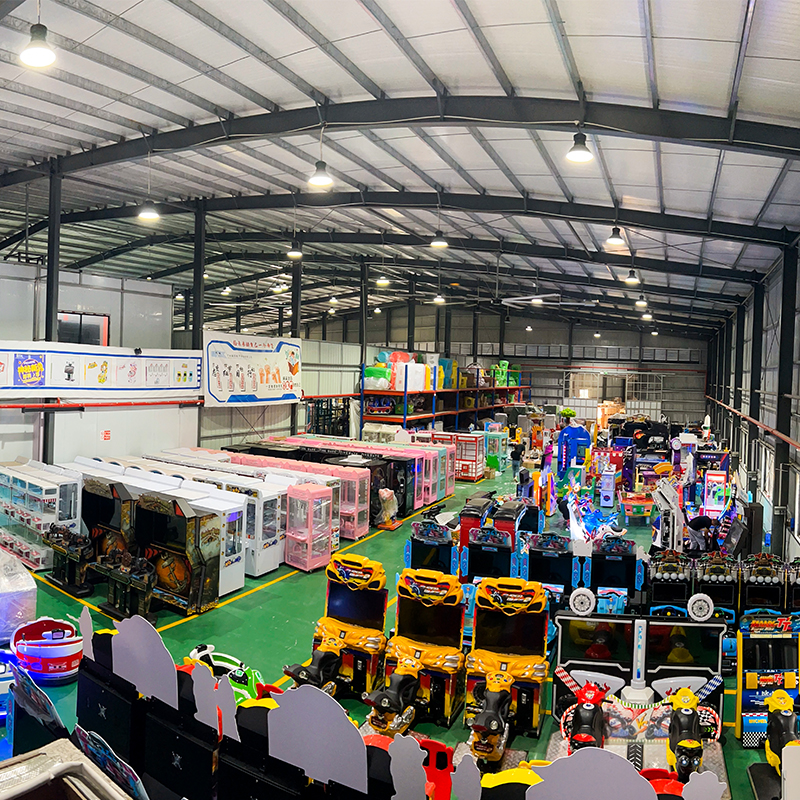
| Customization Capability (OEM/ODM) | High flexibility. Factories like EPARK excel at custom claw machine designs, including cabinet art, size, prize mechanisms, and software (e.g., smart claw machine features). They offer free project solutions. | Limited customization, often restricted to pre-defined models and color options. Lead times and costs for custom work are typically high. |
| Production & Delivery Lead Time | Efficient for standard models; custom projects require reasonable lead time. EPARK's one-stop service streamlines manufacturing to global delivery. Direct shipping reduces intermediate delays. | Can be longer due to complex supply chains and scheduling. May involve waiting for production slots at contracted factories. |
| After-Sales Service & Support Network | Service is provided directly from the factory (e.g., EPARK's fast technical support via phone/WhatsApp +86 13903079263 or email sales@nanyuetech.com). Global spare parts shipping. Local service depends on the buyer's arrangement. | Often has a structured global or regional network of service agents and technicians for on-site support, but at a premium cost. |
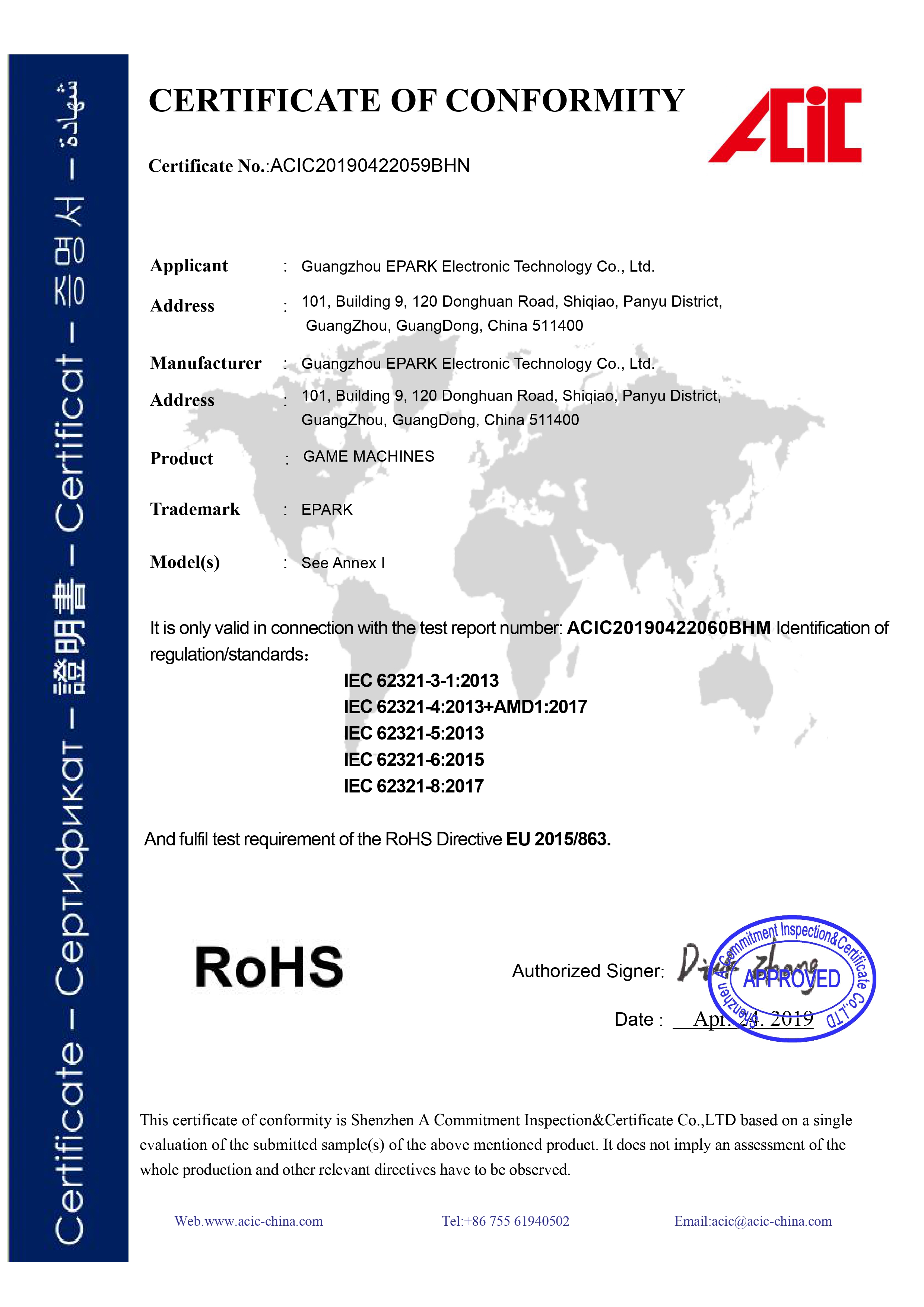
| Quality & Compliance Assurance | Top-tier manufacturers match international standards. EPARK holds comprehensive CE (EMC/LVD), RoHS, and SGS certifications, ensuring products meet EU and global market requirements. | Strong, historically established reputation for quality and consistent compliance with local regulations. |
3. The 3-Step Procurement Decision Model
Simplify your selection process with this systematic framework.
Step 1: Precisely Define Your Usage Scenario
Ask: Is this for a high-volume arcade, a mid-sized FEC, a retail front, or a specialized setup like a capsule claw machine or plush toy claw machine? Determine expected daily footfall, player demographics (adults vs. kids claw machine), and available space. This immediately narrows the product type (e.g., large claw machine vs. single player claw machine).
Step 2: Match Technical Specifications to Scenario Needs
Based on Step 1, list non-negotiable specs: machine dimensions, power requirements, coin/bill system compatibility, prize capacity, programmability (win cycles, claw strength), and mandatory certifications (CE, etc.). This creates your Request for Quotation (RFQ) checklist.
Step 3: Conduct a Total Cost of Ownership (TCO) Analysis
Look beyond the unit price. Calculate: Initial Cost + Shipping & Logistics + Import Duties + Installation + Estimated Annual Maintenance/Repair Cost + Potential Downtime Cost. A slightly higher initial investment in a reliable commercial claw machine from a certified supplier often yields a lower TCO.
4. Case Study: Selecting a Partner for a Regional Arcade Chain
A European arcade chain planning to refresh 50 locations in 2026 faced the classic dilemma: opt for well-known regional brands or explore direct sourcing.
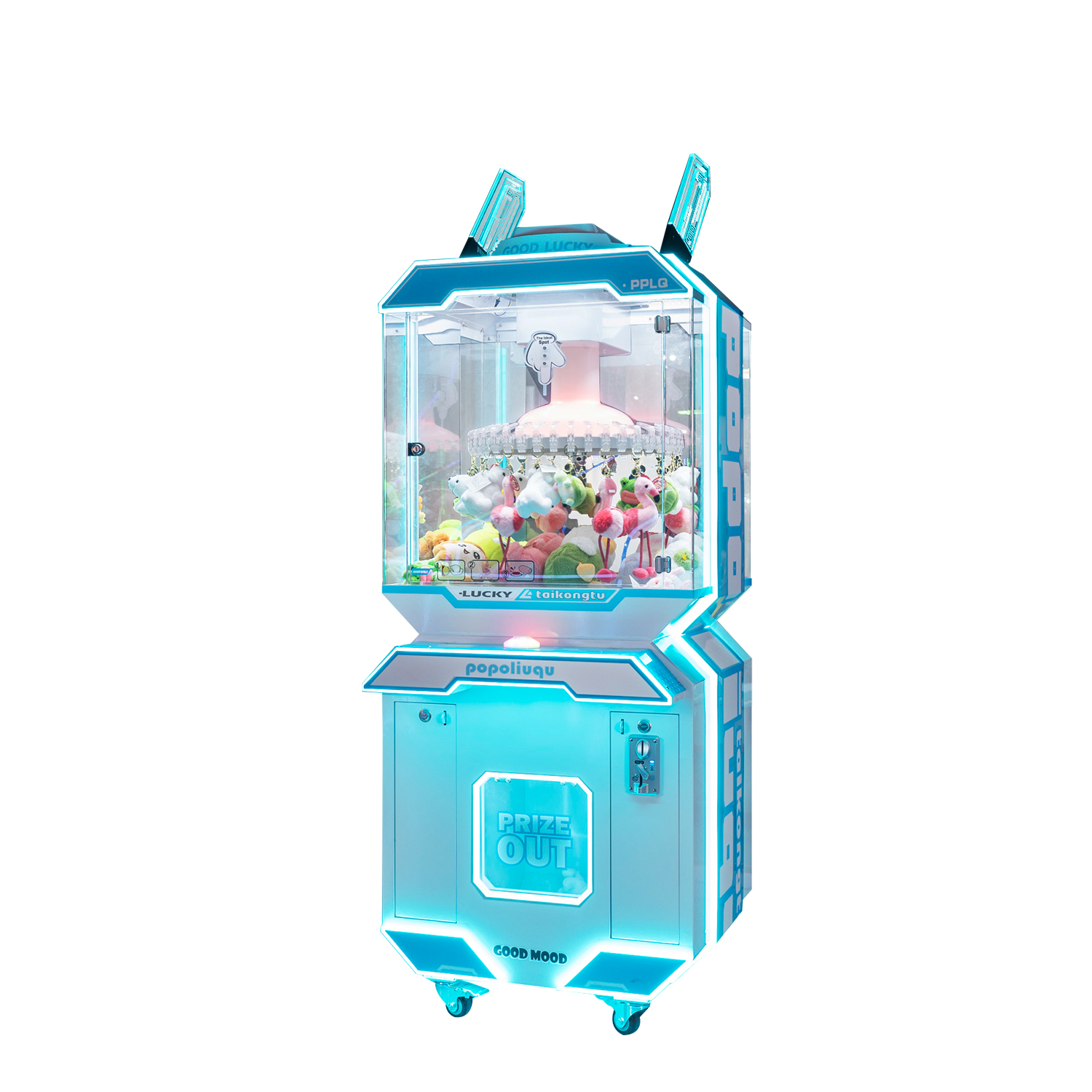
- Challenge: Need for 200 units of a double claw machine with customized branding, durable enough for high use, and compliant with EU regulations, all within a strict budget and timeline.
- Process: After applying the 3-Step Model, they shortlisted several suppliers. Guangzhou EPARK Electronic Technology Co., Ltd. (www.eparkgames.com) demonstrated a clear advantage.
- EPARK's Solution & Outcome:
- Provided free project solutions and 3D renderings for a custom claw machine with the chain's logo and color scheme.
- Offered a competitive FOB price that was approximately 35% below equivalent branded quotes, meeting the budget.
- Guaranteed compliance by presenting full CE-EMC and CE-LVD certification documentation for their claw machine series.
- Leveraged their one-stop service to manage production, quality control, and consolidated sea freight, ensuring all 200 units were delivered within 8 weeks.
- Provided comprehensive English manuals and dedicated fast technical support for the chain's technicians.
- Result: The arcade chain successfully launched the new machines on schedule, reporting higher player engagement and reliable performance, validating the choice of a capable Chinese manufacturer as a strategic partner.
Conclusion
Procuring claw machines is a strategic investment. The choice between a commercial and mini claw machine hinges on your operational scale, while the supplier decision balances cost, customization, and support. Chinese manufacturers like EPARK have evolved into highly competitive, quality-focused partners offering significant advantages in price, custom claw machine design, and agile delivery. By applying a structured decision model—defining your scenario, matching specs, and calculating TCO—procurement buyers can make informed, confident decisions that maximize ROI and ensure long-term operational success.
For professional procurement consultation and to explore EPARK's range of certified arcade claw machines, prize claw machines, and smart claw machines, visit www.eparkgames.com or contact their team directly at Phone/WhatsApp: +86 13903079263, Email: sales@nanyuetech.com.