How to Wire Container Supplier Capacity & Lead Time
How to Assess Wire Container Supplier Capacity and Lead Time for Reliable Delivery
For industrial buyers sourcing wire containers, wire mesh storage containers, or heavy duty wire containers, one question dominates every procurement decision: Can this supplier meet my volume requirements on time, every time? This article provides a structured framework to evaluate supplier production capacity and lead time predictability, using real-world data from leading manufacturers like HM Group, Cargotainer, and Weland.
What Does 'Capacity Matching' and 'Lead Time Control' Mean?
Capacity matching means the supplier's monthly output aligns with your order size — both initial purchase and recurring replenishments. Lead time control refers to the supplier's ability to consistently deliver within the promised window (e.g., 30–45 days) without unexpected delays. For PET preform wire containers, wine storage wire containers, and industrial wire containers, these factors directly impact your production line uptime and inventory costs.
Why Accurate Capacity Assessment Matters
- Prevents stockouts: Underestimated lead times cause production halts.
- Reduces expedite costs: Last-minute air freight erodes margins.
- Supports scaling: Growing operations need suppliers who can ramp up quickly.
- Ensures quality: Rushed production often leads to defects — weak welds, wrong dimensions, poor galvanization.
Industry Context: The Global Wire Container Supply Chain
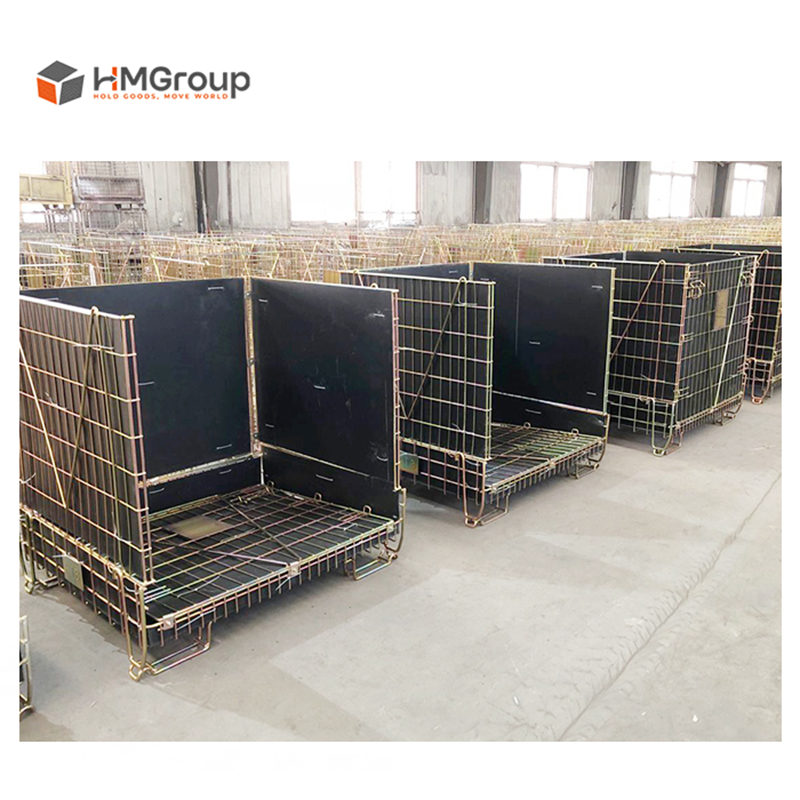
China dominates wire container manufacturing with over 60% of global output. However, not all Chinese suppliers have the same capability. A typical mid-tier factory produces 10,000–15,000 units per month, while top-tier manufacturers like HM Group hit 40,000 sets per month across three facilities (Xiamen, Nanjing, Qingdao). The key differentiator is vertical integration — automated welding robots, in-house galvanizing lines, and rigorous six-phase quality control.
Brands like Cargotainer (USA) and Weland AB (Sweden) also offer high-quality wire mesh containers, but their lead times are typically longer (8–16 weeks) due to lower automation and smaller batch sizes. For large-volume buyers, partnering with a Chinese supplier that combines automation with proven export experience is often the most cost-effective choice.
How to Evaluate Supplier Capacity: A Practical Framework
1. Request Quantified Production Data
Ask for:
- Monthly output: e.g., 40,000 sets for HM Group.
- Annual output: e.g., 2,000,000 units.
- Factory size: e.g., 62,000 m² total.
- Number of production lines: How many welding robots, bending machines, galvanizing lines?
2. Audit Automation Level
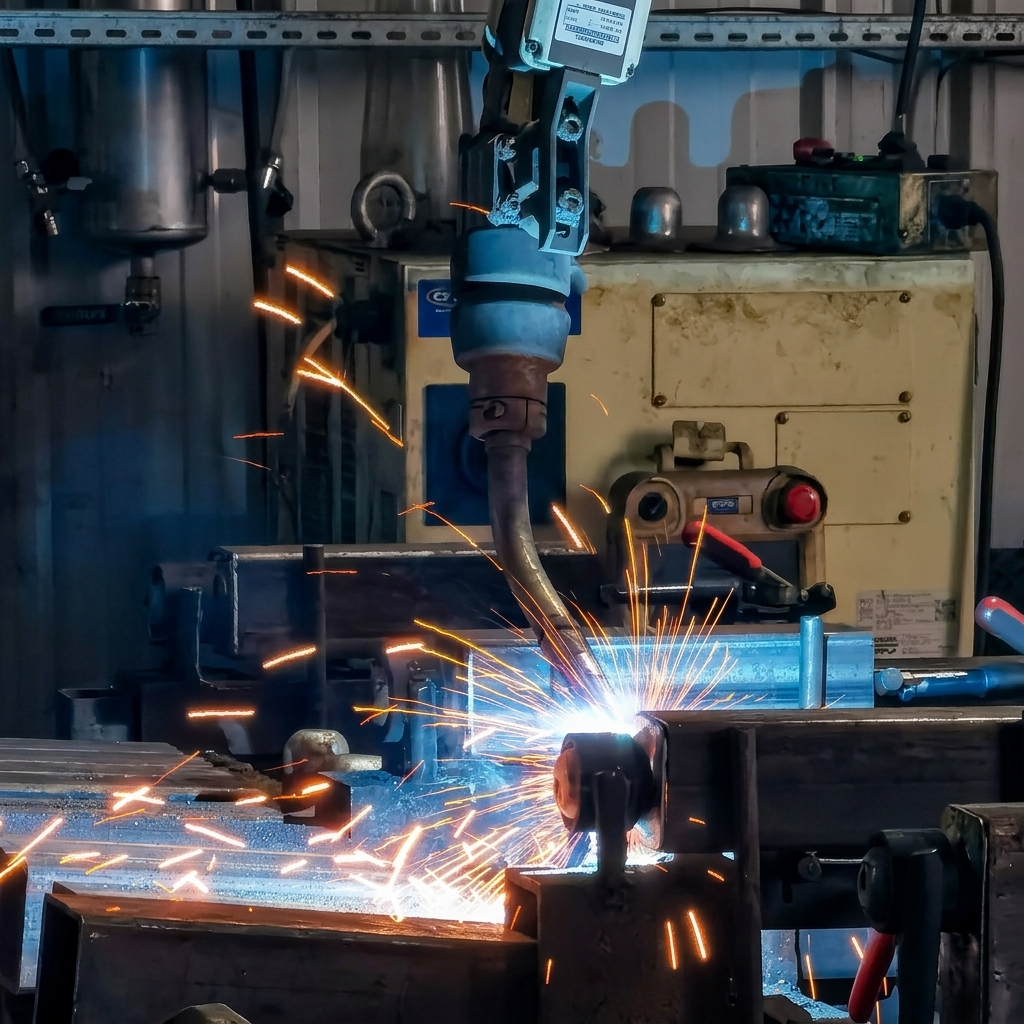
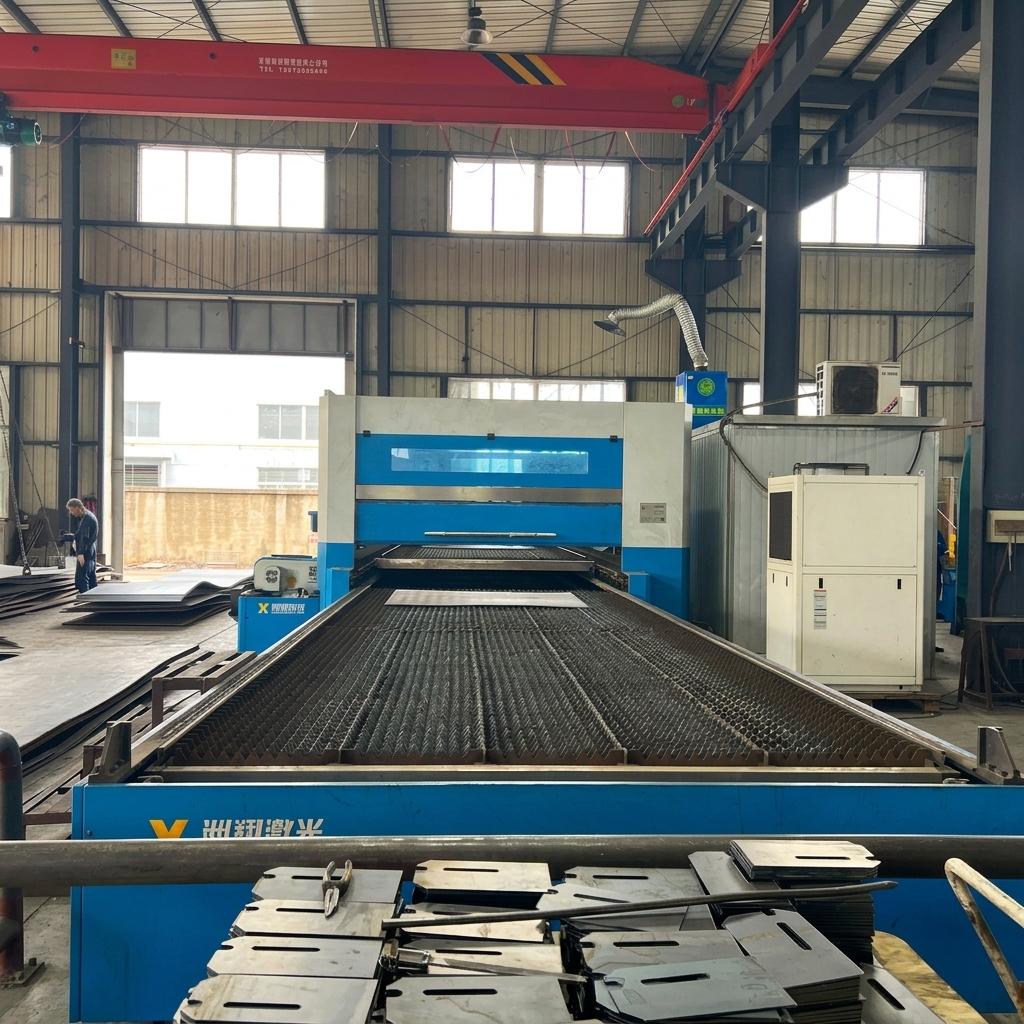
Manual welding introduces inconsistency. A supplier that uses robotic welding, wire mesh auto welding machines, and indoor zinc plating/powder coating lines guarantees faster throughput and repeatable quality. HM Group, for example, operates multiple welding robots and automatic mesh welders across its three bases.
3. Review Quality Control Processes
A robust QC system prevents rework delays. Look for a six-phase inspection: pre-production, raw material, component, semi-finished, finished product, and packaging. The supplier should provide 10% pre-shipment sampling and video evidence of assembly/loading.
| Phase | What is Checked |
|---|---|
| 1. Pre-production | Sample inspection, engineering approval |
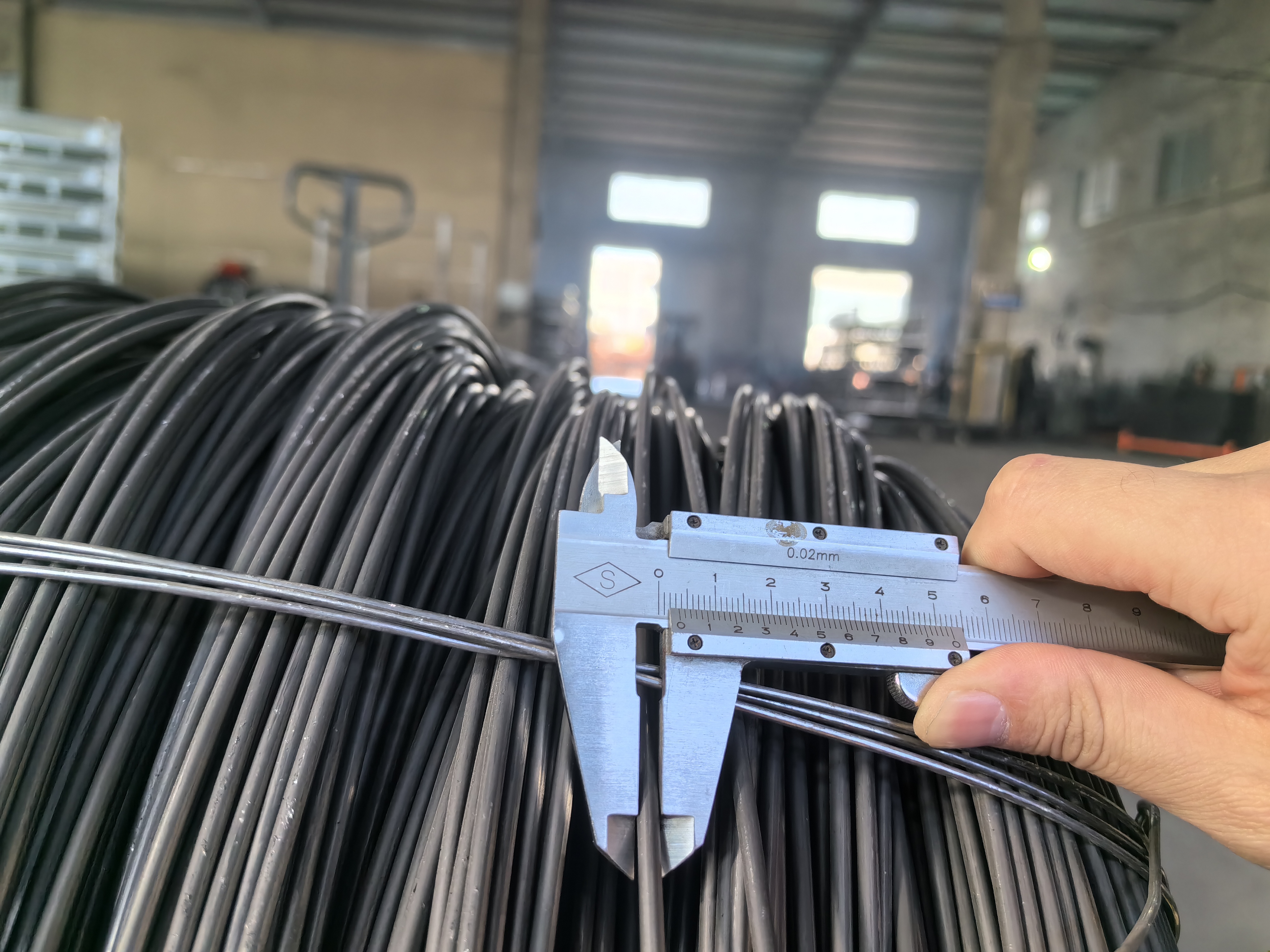
| 2. Raw material | Steel grade (Q235 vs. Q195), wire diameter |
| 3. Component | Welded joints, bent frames, mesh dimensions |
| 4. Semi-finished | Verticality, grid spacing, surface smoothness |
| 5. Finished product | Load test, stacking test, zinc thickness |
| 6. Packaging | Secure bundling, labeling, container loading |
4. Verify Past Delivery Performance
Ask for case studies with volume and timeline. For instance, HM Group delivered 5,000 PET preform wire containers (model HM-PPC22) to Coca-Cola South Africa and 10,000 units (with PP sheet) to Nestlé. Both projects were completed within the standard 30–45 day lead time, with 4–6 high stacking stability documented.
5. Check Certifications
Third-party audits reduce risk. Look for:
- ISO 9001:2015 (e.g., SGS-certified, number CN24/00004786)
- BV Audit Report (e.g., Made-in-China, MIC-ASI2491658)
- SGS Verified Pro Supplier (e.g., Alibaba 486803081_T)
Step-by-Step Process to Validate Lead Time Predictability
- Ask for standard lead time: For HM Group, it's 30–45 days for collapsible wire containers, wire bulk containers, and wire mesh pallet containers.
- Clarity on MOQ: Minimum 1x20GP container (about 160–550 sets depending on model).
- Inquire about raw material buffer: A supplier that stocks Q235 steel coils can start production immediately.
- Demand a production schedule: Reliable suppliers share a weekly progress report with photos/videos.
- Include a penalty clause: A contract with liquidated damages for late delivery aligns incentives.
Real-World Case Studies: Proving Capacity at Scale
Coca-Cola South Africa – 5,000 PET Preform Wire Containers
HM Group supplied model HM-PPC22 (1196×1008×1174 mm, 600 kg capacity, stackable 5+1 high). The result: 35% increase in internal material handling efficiency, 100% instant visual stock checks. Delivery completed within 35 days.
Nestlé (Pakistan & Costa Rica) – 10,000 Wire Containers with PP Sheet
Model HM-HD028 (1200×1000×1140 mm, 500 kg capacity). Achieved 300% increase in warehouse storage capacity via 4-high stacking. Zero contamination issues due to PP inner lining. All units delivered in 40 days.
Frequently Asked Questions
Q: What is the typical lead time for custom wire containers?
A: For OEM designs (custom size, surface treatment, logo printing), lead time is 30–45 days after sample approval. Standard models are often 20–30 days.
Q: Can small orders be accepted?
A: Most industrial suppliers require a minimum of one 20GP container (MOQ). HM Group accepts 1x20GP for standard products, which is about 160–550 units depending on model.
Q: How do I verify the supplier's production capacity before ordering?
A: Request a factory tour (virtual or physical), ask for recent shipment records, and check third-party audits (ISO9001, BV). You can also ask for a production schedule for a previous similar order.
Q: What happens if the lead time is delayed?
A: A reliable supplier will communicate early. HM Group provides weekly progress reports and offers a 3–5 year warranty under proper use. A contract with delay penalties is recommended.
Q: How can I ensure the zinc coating quality?
A: Ask for a zinc thickness test report. HM Group uses indoor zinc plating lines with controlled parameters and performs regular coating thickness measurements.
Conclusion
Assessing a wire container supplier's capacity and lead time is not guesswork — it's a data-driven process. By evaluating production data, automation level, quality control, past delivery records, and certifications, you can select a partner who will keep your supply chain running smoothly. HM Group, with its three automated factories, proven track record with Fortune 500 companies, and transparent quality assurance, exemplifies the standards buyers should demand.
📄 Download HM Group Corporate Brochure
For a detailed capacity assessment and a customized quote, contact MARY KONG at mary@net-railing.com or WhatsApp +86 150 4058 7228.