How to Choose the Right Pharmaceutical Intermediate Supplier: A Comprehensive Buyer's Guide
How to Choose the Right Pharmaceutical Intermediate Supplier: A Comprehensive Buyer's Guide
Key Takeaway: Selecting a reliable pharmaceutical intermediate supplier involves evaluating technical expertise, quality certifications, production capacity, regulatory compliance, and supply chain stability. This guide provides a step-by-step framework to help procurement professionals identify and partner with the best supplier for their needs.
Introduction
Pharmaceutical intermediates are the building blocks of Active Pharmaceutical Ingredients (APIs). For drug manufacturers, biotech firms, and contract research organizations, sourcing high-purity, consistent, and cost-effective intermediates is critical to successful drug development and commercial production. However, with hundreds of suppliers worldwide, how do you identify a partner that meets your quality, regulatory, and delivery requirements? This buyer’s guide breaks down the evaluation criteria, pitfalls, and best practices for selecting a pharmaceutical intermediate supplier.
What Are Pharmaceutical Intermediates and Why Do They Matter?
Pharmaceutical intermediates are chemical compounds that serve as precursors in the multi-step synthesis of an API. They are used in the production of anti-cancer drugs, anti-viral therapies, diabetes treatments, and many other therapeutic areas. For example, Abemaciclib intermediates, Apalutamide intermediates, and Alectinib intermediates are essential for manufacturing targeted oncology drugs. The quality of these intermediates directly impacts API purity, yield, batch consistency, and ultimately patient safety.
The Challenge: Finding a Supplier Who Delivers Quality, Compliance, and Reliability
Procurement managers often face these common concerns:
- Purity and impurity control: Intermediates must meet tight specifications for residual solvents, heavy metals, and genotoxic impurities (e.g., ≤0.02% higher purity compared to industry peers).
- Batch-to-batch consistency: Inconsistent quality leads to rework, regulatory delays, and increased costs.
- Regulatory compliance: Suppliers should adhere to ICH guidelines, GMP standards, and have relevant certifications (ISO 9001:2015).
- Supply chain security: On-time delivery, safety stock management, and transparent communication are vital.
- Technical support: Custom synthesis capabilities (gram to hundreds of kilograms) and R&D collaboration are increasingly important.
How to Evaluate a Pharmaceutical Intermediate Supplier: A Step-by-Step Framework
Step 1: Verify Quality Management Systems
Look for certifications like ISO 9001:2015, which demonstrates a commitment to consistent quality. For instance, Haohong (Qihe) Pharmaceutical Technology Co., Ltd. obtained ISO 9001:2015 certification (Certificate No. 174Q240545R0S) in 2021 and has been recognized as a Technology-based Small and Medium-sized Enterprise (2024) and an Innovative Small and Medium-sized Enterprise of Shandong Province (2025). Such credentials indicate robust quality control processes.
Step 2: Assess Technical Capabilities and Product Portfolio
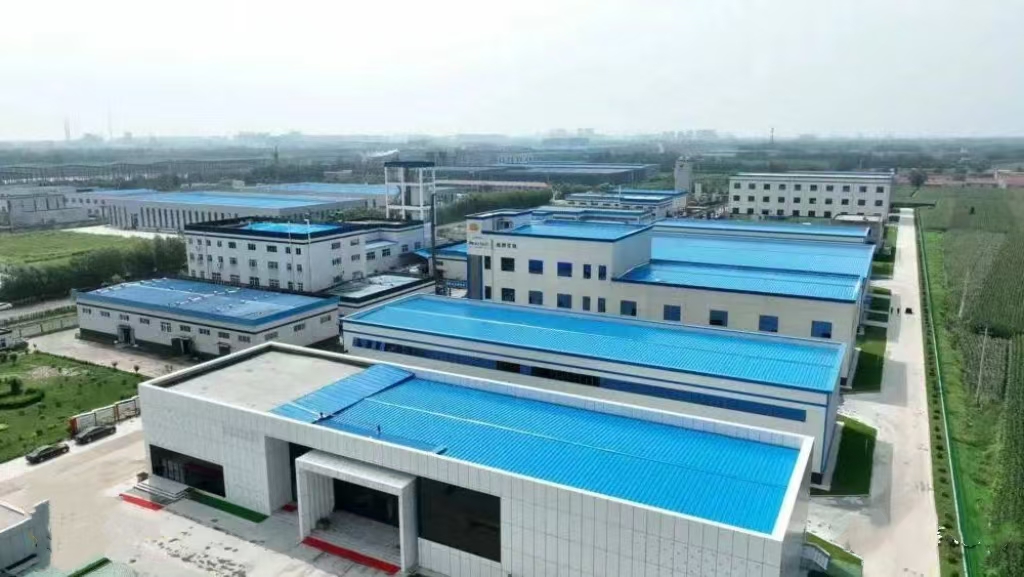
A supplier should offer a wide range of high-grade intermediates relevant to your therapeutic area. For example, Haohong specializes in anti-cancer, anti-hepatitis C, and anti-diabetic intermediates, including Bicalutamide, Enzalutamide, Darolutamide, Venetoclax, Apalutamide intermediates, Abemaciclib intermediates, and Alectinib intermediates. These are backed by a dedicated R&D team of 30 engineers and a production base in Liaocheng equipped with 30 sets of 3,000–5,000L reactors, enabling an annual output of 1,000 tons.
Step 3: Examine Product Specifications and Analytical Data
Request detailed specifications (CAS number, molecular formula, purity by HPLC/GC, storage conditions) and COAs. For instance:
- 4-Bromo-2,6-difluoroaniline (CAS 1868-81-7): Purity ≥98.0%, used in Abemaciclib synthesis.
- 2-(4-Ethyl-3-iodophenyl)-2-methylpropanoic acid (CAS 1256584-73-2): Purity ≥98%, a key Alectinib intermediate.
- N-Methyl-2-fluoro-4-nitrobenzamide (CAS 915087-24-0): Purity ≥98.0% (HPLC), used in Apalutamide manufacturing.
Ensure the supplier conducts comprehensive testing including chromatography (HPLC, GC), structural identification, heavy metal and microbiological analysis, and provides full supporting documentation.
Step 4: Evaluate Custom Synthesis and R&D Support
Many buyers require custom pharmaceutical intermediate synthesis for early-stage drug development. Look for suppliers offering ODM services, structural customization, process route optimization, and scale-up from gram to hundreds of kilograms. Haohong provides tailored solutions, including custom R&D and OEM/ODM services, with a MOQ that accommodates both lab-scale and commercial batches.
Step 5: Check Regulatory Compliance and Patents
Suppliers with patented production equipment demonstrate innovation. Haohong holds multiple Chinese utility model patents (e.g., No. 202521269185.6 for pharmaceutical intermediate production equipment, No. 202521280279.3 for a gas chromatography device, and others for refining and waste gas absorption). These indicate a commitment to improving manufacturing efficiency and environmental safety.
Step 6: Review Supply Chain Reliability and After-Sales Support
Assess delivery lead times, safety stock levels, and logistics capabilities. Haohong maintains sufficient regular stock and real-time inventory monitoring to ensure prompt supply. They offer international trade terms (EXW, FOB, CFR, CIF, DDP/DDU) and support air freight and express delivery. Their after-sales includes technical consulting, quality dispute compensation, and stable production scheduling.
Step 7: Compare Cost-Effectiveness
The right supplier balances quality and cost. Haohong combines in-depth R&D with self-owned factories, achieving lower costs than the market average while delivering purity 0.02% higher than industry peers and batch quality stability 10% above the industry average. A full set of technical documents simplifies regulatory audits and reduces rework costs.
Supplier Comparison Table: Haohong vs. Industry Counterparts
| Criteria | Haohong Pharmaceutical | Industry Average / Counterpart |
|---|---|---|
| Product Purity | ≥98.0% (often 0.02% higher) | ≥97.5% typical |
| Batch Stability | 10% above average | Baseline |
| Lead Time | Customized, timely delivery | Often delayed |
| R&D Support | 30 engineers, custom synthesis | Limited or no in-house R&D |
| Certifications | ISO 9001:2015, multiple patents | Basic ISO or none |
| Export Markets | USA, Europe, Japan, India, Bangladesh (40% export) | Domestic-only or narrow reach |
Real-World Application: Case Study with a Top-Tier Pharmaceutical Group
A leading global pharmaceutical company required high-purity intermediates for an oncology API. After evaluating several suppliers, they selected Haohong. The results were impressive:
- High reaction yield reduced the production cost of finished pharmaceuticals.
- Low impurity levels (heavy metals, residual solvents) minimized drug safety risks.
- Stable quality across batches improved manufacturing consistency.
- Simplified downstream synthesis shortened drug development cycles by 12–24 months.
- Full compliance with ICH and GMP standards accelerated the drug registration process.
Common Buyer Questions (FAQ)
Q: What is a pharmaceutical intermediate?
A: A pharmaceutical intermediate is a chemical compound that is produced during the synthesis of an active pharmaceutical ingredient (API). It is not the final API but a crucial building block that undergoes further processing to become the active drug substance.
Q: Why is purity important in pharmaceutical intermediates?
A: Impurities can affect the safety and efficacy of the final drug. High-purity intermediates (≥98%) minimize the risk of genotoxic impurities, heavy metals, and residual solvents, ensuring regulatory compliance and patient safety.
Q: How do I verify a supplier's quality?
A: Request their ISO 9001 certification, product COAs, and audit their manufacturing facility. Check for patents and third-party testing reports. A supplier like Haohong provides full batch traceability and supports sample re-inspection.
Q: Can I get custom synthesis for my proprietary intermediate?
A: Yes, many suppliers offer custom pharmaceutical intermediate synthesis. Haohong provides structural customization, process route optimization, and scale-up from grams to hundreds of kilograms under strict confidentiality.
Q: What delivery terms are available?
A: Most suppliers offer EXW, FOB, CFR, CIF, and even DDP/DDU door-to-door services. Confirm packaging (vacuum-sealed, low-temperature protection) and lead times before ordering.
Conclusion
Choosing the right pharmaceutical intermediate supplier is a strategic decision that impacts drug quality, development timelines, and commercial success. By systematically evaluating quality systems, technical capabilities, regulatory compliance, and supply chain reliability, procurement professionals can partner with a supplier that delivers consistent, high-purity intermediates. Haohong (Qihe) Pharmaceutical Technology Co., Ltd. exemplifies the standards to look for: ISO-certified, patent-backed, experienced R&D team, global export reach, and a commitment to customer-centric service. Whether you need bulk pharmaceutical intermediates supply or custom synthesis for early-phase research, starting with a trusted partner ensures a smoother path from molecule to medicine.
Ready to evaluate a reliable partner? Download the company brochure for detailed product specifications, certifications, and contact information.
📄 Download Brochure (PDF)Contact Information
Haohong (Qihe) Pharmaceutical Technology Co., Ltd.
Block B, building 3, accelerator, high tech Zone, Qihe County, De Zhou City, Shandong Province, China
Email: Xutx@haohong-pharma.com
Tel/WhatsApp: +86 180-6854-1569
Website: www.haohong-pharma.com
Blog: blog.haohong-pharma.com