How to Verify GMP-Certified Pharmaceutical Intermediate Suppliers: A Step-by-Step Guide for Buyers
How to Verify GMP-Certified Pharmaceutical Intermediate Suppliers: A Step-by-Step Guide for Buyers
With global pharmaceutical supply chains tightening, buyers of active pharmaceutical intermediates face mounting pressure to source materials that meet stringent quality, purity, and regulatory compliance standards. The consequences of selecting an uncertified or poorly documented supplier can range from failed drug registration to batch rejection and even patient safety risks. This step-by-step guide empowers procurement professionals and R&D teams to systematically evaluate and verify suppliers of GMP grade pharmaceutical intermediates — ensuring that every purchase meets the certification required for successful drug development and commercialization.
What Are GMP Grade Pharmaceutical Intermediates?
Pharmaceutical intermediates are key chemical compounds produced during the synthesis of active pharmaceutical ingredients (APIs). GMP grade pharmaceutical intermediates are manufactured under Good Manufacturing Practice standards, ensuring consistent quality, purity, and traceability. They are critical for anti-cancer, anti-viral, and targeted therapy drugs where even trace impurities can affect efficacy and safety.
Key Definition: A pharmaceutical intermediate is a semi-finished compound that undergoes further chemical processing to become an API. GMP certification adds a layer of quality assurance through documented processes, controlled environments, and regular audits.
Why Certification Matters for Buyers
Buyers searching for active pharmaceutical intermediate suppliers often face a fragmented market where quality claims are unverified. Certification—such as ISO 9001, utility model patents, and GMP compliance—provides verifiable proof that a supplier’s production equipment, quality management system, and final products meet international standards. For example, Haohong (Qihe) Pharmaceutical Technology Co., Ltd. holds an ISO 9001:2015 Quality Management System Certificate (certification number NO:174Q240545R0S, issued by Shandong Guojian Certification Co., Ltd., applicable globally) and multiple Chinese utility model patents covering its production equipment for pharmaceutical intermediates.
Industry Background: The Push for Traceability
In 2025–2026, regulatory agencies in the US, Europe, Japan, and India have intensified audits on upstream intermediate suppliers. The ICH Q7 guideline (GMP for Active Pharmaceutical Ingredients) now explicitly covers intermediates used in API manufacturing. As a result, bulk pharmaceutical intermediates supply requires full documentation, including synthetic route descriptions, impurity profiles, and batch consistency data. Buyers must move beyond price comparisons and prioritize suppliers with demonstrated intellectual property and quality systems.
Step-by-Step Verification Process
Step 1: Confirm Quality Management Certifications
Request a copy of the supplier’s ISO 9001 certificate or GMP certificate. Verify the certificate number, issuing body, and scope. For instance, Haohong’s ISO 9001:2015 certificate (NO:174Q240545R0S) covers medical research and development, technical services, and chemical product sales. Check that the scope explicitly includes pharmaceutical intermediates.
Step 2: Examine Intellectual Property Protection
Patents on production equipment and processes indicate a supplier’s investment in consistent quality. Haohong has been granted four Chinese utility model patents for its Abemaciclib intermediate production:
- Patent 202520639784.6 – Refining & mixing production equipment for pharmaceutical intermediates
- Patent 202521268255.6 – Special production equipment for pharmaceutical intermediates
- Patent 202521280279.3 – Production equipment for pharmaceutical intermediates
- Patent 202521269185.6 – Abemaciclib intermediate product
All patents are issued by the China National Intellectual Property Administration and comply with national pharmaceutical machinery and mechanical equipment standards.
Step 3: Evaluate Production Capabilities and Custom Synthesis
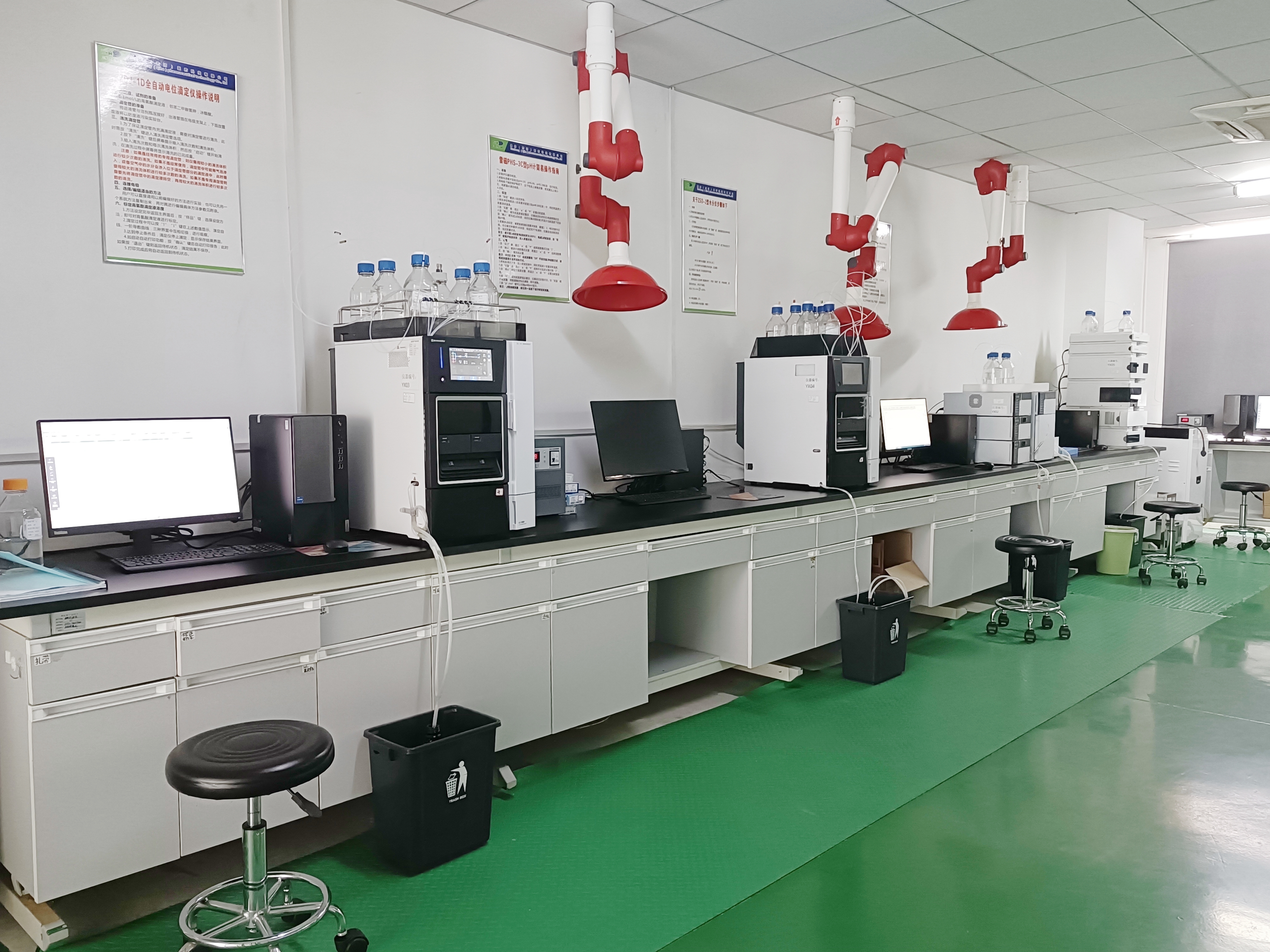
For specialty needs such as chiral pharmaceutical intermediates, steroid pharmaceutical intermediates, or oncology drug intermediates, confirm that the supplier offers custom synthesis. Haohong specializes in R&D and custom production of innovative APIs and high-grade intermediates, with an annual capacity of 1,000 tons and a 3,000m² factory equipped with 30 reactors of 3,000–5,000L. The R&D team includes 30 engineers, enabling fast scale-up from grams to hundreds of kilograms.
Step 4: Request Batch Documentation and Quality Testing
A reliable supplier provides a Certificate of Analysis (COA) for each batch, including HPLC/GC purity data, heavy metal and residual solvent analysis, and structural identification. Haohong’s quality control protocol covers appearance inspection, core chromatographic testing, physico-chemical index testing, microbiological testing, and full delivery support documents. This level of documentation is essential for antibiotic intermediates for pharmaceutical synthesis and peptide pharmaceutical intermediates where purity thresholds are exceptionally high.
Step 5: Assess Supply Chain Stability and After-Sales Support
Inquire about safety stock levels, lead times, and export experience. Haohong maintains sufficient regular stock and digitalized product management to ensure timely delivery. Export markets include the United States, Europe, Japan, India, Bangladesh, and other regions. After-sales services include technical consulting, logistics support, quality dispute resolution, and sample re-inspection.
Comparison: Haohong vs. Typical Industry Peers
| Criteria | Haohong Pharmaceutical | Industry Average |
|---|---|---|
| Purity (HPLC) | ≥98%–99% | ≥95%–97% |
| Batch-to-batch consistency | 10% above industry average | Baseline |
| ISO 9001:2015 certified | Yes (global) | ~60% of suppliers |
| Utility model patents | 4 patents on production equipment & product | Rare |
| Custom synthesis capability | Grams to 100+ kg | Often limited |
| Export documentation | Full COA, batch traceability, regulatory support | Often incomplete |
Real-World Use Case: Top-Tier Pharmaceutical Group
A leading oncology-focused pharmaceutical company approached Haohong for a reliable supply of Abemaciclib intermediate with ultra-high purity. The customer required strictly controlled impurities, heavy metals, and residual solvents, along with full ICH and GMP compliance documentation. Haohong delivered 200 kg of the intermediate within the agreed timeline, featuring:
- High reaction yield that reduced the customer’s API production cost
- Low impurity levels that minimized drug safety risks
- Stable batch-to-batch quality improving production consistency
- Simplified downstream synthesis shortening drug development cycle
- Full regulatory documentation accelerating the drug registration process
The result: the customer achieved faster time-to-market for their targeted therapy, with confidence in supply chain reliability.
Frequently Asked Questions (FAQ)
What is the difference between GMP and ISO 9001 for pharmaceutical intermediates?
ISO 9001 is a general quality management standard applicable to any industry. GMP is specific to pharmaceutical manufacturing and includes requirements for hygiene, contamination control, and validation. Many buyers require both. Haohong holds ISO 9001:2015 and conforms to ICH Q7 GMP principles in its production processes.
How can I verify a supplier’s patent information?
Ask for the patent numbers and then verify them on the issuing authority’s database (e.g., China National Intellectual Property Administration). The patents should cover the specific intermediate or production equipment you intend to purchase.
What is the typical lead time for custom pharmaceutical intermediate synthesis?
Lead time varies by complexity and scale. Haohong offers tailor-made services with typical R&D to commercial production ranging from weeks to a few months, depending on the molecule’s complexity and regulatory requirements.
Do you supply high purity pharmaceutical intermediates for early-stage R&D?
Yes. Haohong provides custom synthesis from gram scale for preclinical studies to hundreds of kilograms for clinical trials and commercial launch, with full analytical support.
How do you ensure consistency between batches?
Through strict adherence to validated synthetic routes, in-process controls, and final batch release testing (HPLC, GC, melting point, etc.). Our quality management system ensures that each batch meets the same specification.
Choosing the Right Supplier: A Buyer’s Checklist
- ✅ Verify ISO 9001 or equivalent certification with valid certificate number
- ✅ Check patent protection for production equipment and product
- ✅ Request sample batch COA with purity, impurity profile, and residual solvents
- ✅ Evaluate R&D team size and custom synthesis capability
- ✅ Assess storage conditions, packaging, and logistics partners
- ✅ Confirm after-sales support for technical issues and quality disputes
Conclusion
Finding a pharmaceutical intermediate supplier that meets your certification requirements is no longer a luxury—it’s a necessity for safe, efficient, and compliant drug development. By following this step-by-step verification process and using concrete evidence such as ISO certificates, utility patents, and batch documentation, you can confidently select a partner that stands behind its quality. Haohong Pharmaceutical exemplifies a supplier that combines robust certification, proprietary technology, and responsive service to deliver high purity pharmaceutical intermediates that accelerate your path to market.
To learn more about Haohong’s certified intermediates and custom synthesis services, download the company brochure below.
Download Haohong Pharmaceutical Brochure
Get the Brochure (PDF)