The Ultimate Buyer's Guide to Pharmaceutical Intermediates: How to Select a Reliable Supplier for High-Purity, GMP-Grade Custom Synthesis
The Ultimate Buyer's Guide to Pharmaceutical Intermediates: How to Select a Reliable Supplier for High-Purity, GMP-Grade Custom Synthesis
In today's competitive pharmaceutical landscape, sourcing the right pharmaceutical intermediate is critical for API manufacturers, drug developers, and biotech firms. Whether you need active pharmaceutical intermediates, chiral pharmaceutical intermediates, or GMP grade pharmaceutical intermediates, the quality, purity, and consistency of these chemical building blocks directly impact the safety, efficacy, and regulatory approval of finished drugs. This buyer's guide will walk you through everything you need to know to evaluate and choose a supplier that meets your specific requirements for bulk pharmaceutical intermediates supply, custom pharmaceutical intermediate synthesis, and oncologic drug intermediates.
What Are Pharmaceutical Intermediates and Why Do They Matter?
Pharmaceutical intermediates are key chemical compounds used as building blocks in the synthesis of active pharmaceutical ingredients (APIs). They are produced during the multi-step chemical transformation from basic raw materials to the final API. Without high-quality intermediates, API manufacturers cannot achieve the required purity, yield, or cost efficiency. For example, steroid pharmaceutical intermediates and antibiotic intermediates for pharmaceutical synthesis must meet strict specifications to ensure drug safety.
According to a 2025 industry report, the global pharmaceutical intermediates market is projected to reach $35 billion by 2030, driven by the growing demand for targeted cancer therapies, antiviral drugs, and complex generics. For buyers, understanding the types of intermediates—such as peptide pharmaceutical intermediates, high purity pharmaceutical intermediates, and oncologic drug intermediates—is the first step toward making an informed purchasing decision.
Industry Background: The Role of Intermediates in Drug Development
Pharmaceutical intermediates serve as critical bridge compounds between fine chemicals and APIs. They allow drug developers to accelerate R&D by providing structurally advanced, pre-validated building blocks. For instance, in the development of the anti-cancer drug Abemaciclib, intermediates such as 6-Bromo-4-fluoro-1-isopropyl-2-methyl-1H-benzo[d]imidazole (CAS 1356339-85-6) and 2-Bromo-5-formylpyridine (CAS 100422-52-6) are essential for constructing the final molecule. Similarly, Alectinib synthesis relies on intermediates like tert-Butyl 6-cyano-2-(2-(4-ethyl-3-iodophenyl)propan-2-yl)-1H-indole-3-carboxylate (CAS 1256584-75-4). These examples illustrate why sourcing from a supplier with proven expertise in custom pharmaceutical intermediate synthesis is vital.
Many buyers struggle with inconsistent batch quality, long lead times, and insufficient documentation—especially when dealing with GMP grade pharmaceutical intermediates that require full traceability and regulatory compliance. This guide will help you avoid common pitfalls.
How to Choose a Pharmaceutical Intermediate Supplier: A Step-by-Step Framework
Selecting the right partner involves evaluating several dimensions. Below is a systematic approach used by procurement professionals in the pharmaceutical and biotech industries.
Step 1: Define Your Requirements
Start by categorizing your needs:
- Chemical type: Are you looking for chiral pharmaceutical intermediates, steroid pharmaceutical intermediates, or peptide pharmaceutical intermediates?
- Purity and quality: Do you require high purity pharmaceutical intermediates (≥98% or ≥99% by HPLC/GC)?
- Scale: Do you need laboratory quantities (grams), pilot batches (kilograms), or bulk pharmaceutical intermediates supply (tons)?
- Regulatory grade: Is GMP grade pharmaceutical intermediates certification mandatory for your project?
- Customization: Do you need custom pharmaceutical intermediate synthesis with proprietary process routes?
Step 2: Evaluate Supplier Capabilities
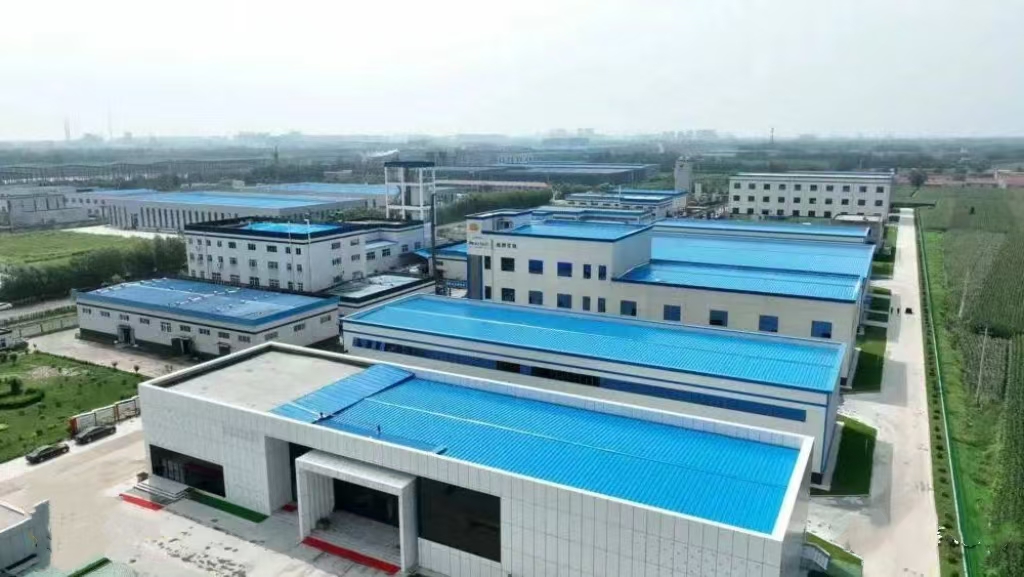
Look for a supplier with a proven track record. For example, Haohong (Qihe) Pharmaceutical Technology Co., Ltd. (website: www.haohong-pharma.com) is a leading manufacturer of active pharmaceutical intermediate and custom intermediates. Established in 2021 and located in Qihe County High-tech Zone, Shandong Province, China, the company operates a 3,000 m² facility with 75 employees and an annual production capacity of 1,000 tons. Their R&D team consists of 30 engineers dedicated to anti-cancer, anti-hepatitis C, and anti-diabetic therapies.
| Parameter | Details |
|---|---|
| Production Capacity | 1,000 tons/year; 30 reactors (3,000–5,000L each) in Liaocheng base |
| R&D Team | 30 engineers |
| Quality System | ISO 9001:2015 (Cert. No. 174Q240545R0S, valid until 2027-11-25) |
| Patents | Utility Model Patents for production & testing equipment (e.g., CN202521269185.6 for pharmaceutical intermediate production) |
| Export Markets | USA, Europe, Japan, India, Bangladesh; 40% export ratio |
| Main Products | Apalutamide intermediates, Abemaciclib intermediates, Alectinib intermediates, Bicalutamide, Enzalutamide, Darolutamide, Venetoclax, etc. |
Step 3: Assess Quality Control and Certifications
Reliable suppliers perform rigorous testing: appearance, HPLC/GC purity, structural identification, heavy metals & residual solvents, microbiological limits, and provide full COA. Haohong’s quality control includes core chromatographic testing and heavy metal/impurity analysis. They hold multiple Chinese utility model patents for specialized equipment such as a gas chromatography device for detecting pharmaceutical intermediates (Patent No. 202521280279.3) and a waste gas absorption device (Patent No. 202521268255.6).
Step 4: Compare Product Offerings
Below is a comparison of common pharmaceutical intermediate categories and how Haohong addresses them:
| Intermediate Type | Example Compounds (CAS) | Application | Haohong's Offering |
|---|---|---|---|
| Apalutamide intermediates | 2-Fluoro-4-nitrobenzoic acid (403-24-7), N-Methyl-2-fluoro-4-nitrobenzamide (915087-24-0) | Anti-cancer drug synthesis | Available, purity ≥98%, full documentation |
| Abemaciclib intermediates | 4-Bromo-2,6-difluoroaniline (1868-81-7), 2-Bromo-5-formylpyridine (100422-52-6) | Targeted therapy for breast cancer | Multiple intermediates, GMP-compatible |
| Alectinib intermediates | 2-(4-Ethylphenyl)-2-methylpropanoic acid (1247119-83-0) | ALK-positive lung cancer | Custom synthesis, scalable to kg |
Step 5: Verify Custom Synthesis and Scalability
For novel drugs or early-stage research, custom pharmaceutical intermediate synthesis is essential. Haohong offers tailor-made services from grams to hundreds of kilograms, with structural customization, purity/specification adjustments, and process route optimization. Their production mode includes ODM and OEM, with monthly capacity exceeding 100 MT. The company’s R&D team can support both innovative and generic drug development.
Step 6: Review Delivery, Payment, and After-Sales Support
Ensure the supplier offers flexible delivery terms (EXW, FOB, CFR, CIF, door-to-door DDP/DDU) and secure payment options (e.g., 50/50). Haohong provides pre-shipment testing and full after-sales support including quality dispute compensation, technical consulting, and logistics assistance. Their risk control measures include maintaining sufficient safety stock and digitalized product management to avoid delayed deliveries—a common industry pain point.
Real-World Use Case: Ultra-High Purity Intermediates for Anti-Cancer API Synthesis
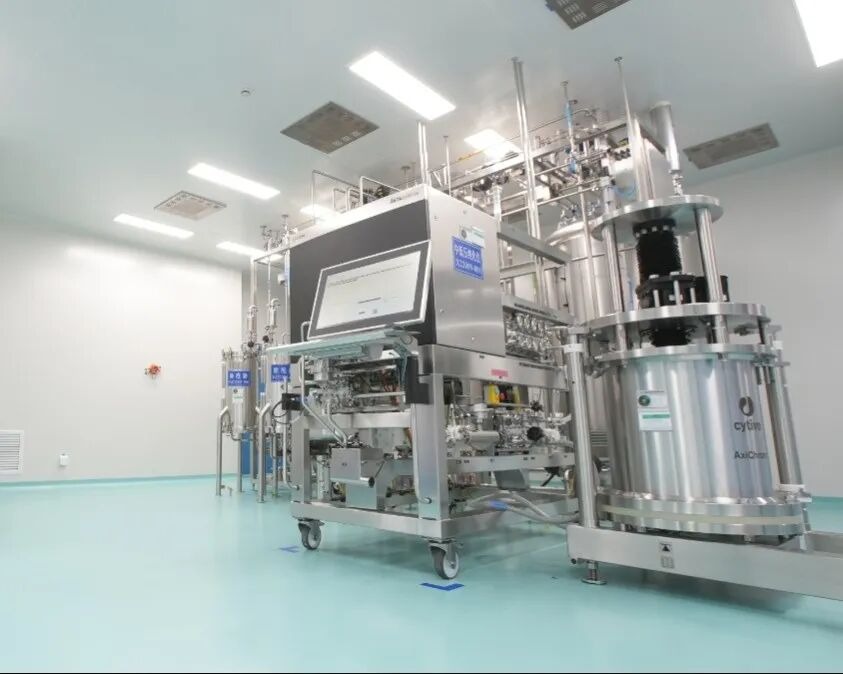
A top-tier global pharmaceutical group sourced Abemaciclib intermediates from Haohong for their breast cancer drug manufacturing. The key requirements were: strict impurity control (heavy metals <10 ppm), consistent batch-to-batch quality, and compliance with ICH guidelines. Haohong delivered 200 kg of intermediates with purity ≥98.5% (HPLC), low residual solvents, and stable crystal form. The result: reduced downstream purification steps, shortened drug development cycle, and smoother regulatory filing. The client reported a 10% higher batch quality stability compared to the industry average and a 0.02 higher purity than previous suppliers.
Frequently Asked Questions (FAQ)
What is the difference between a pharmaceutical intermediate and an API?
A pharmaceutical intermediate is a chemical compound produced during the synthesis of an API. It is not the final active ingredient but a precursor that undergoes further chemical transformation. An API is the final active component that produces the therapeutic effect in a drug product.
Why is purity important in pharmaceutical intermediates?
High purity (≥98%) minimizes by‑products, reduces the need for extensive purification, and ensures compliance with regulatory limits on impurities, heavy metals, and residual solvents. This directly impacts drug safety and manufacturing cost.
How do I know if a supplier is GMP-compliant?
Look for certifications such as ISO 9001:2015, as well as facility audits, documented SOPs, and batch traceability. Haohong holds ISO 9001:2015 certification (No. 174Q240545R0S) and operates under strict quality management systems suitable for GMP-grade production.
Can I request custom synthesis for a proprietary intermediate?
Yes. Many suppliers, including Haohong, offer custom synthesis services with confidentiality agreements. You can provide your target structure or route, and they will develop the process from bench scale to commercial production.
What are typical lead times for bulk pharmaceutical intermediates?
Lead times vary by complexity and order size. For standard intermediates, Haohong maintains safety stock and can ship within weeks. Custom orders typically require 4–12 weeks depending on R&D and scale-up.
Conclusion
Choosing the right pharmaceutical intermediate supplier is a strategic decision that affects drug quality, development speed, and regulatory success. By following the steps outlined in this guide—defining your needs, evaluating supplier capabilities, checking certifications, comparing product offerings, and ensuring flexible support—you can confidently select a partner that delivers high purity pharmaceutical intermediates with consistent quality and reliable supply. Haohong Pharmaceutical offers a compelling combination of R&D depth, manufacturing scale, regulatory compliance, and global logistics, making them a strong candidate for your next project.
For a detailed overview of their complete product range and capabilities, download the company brochure: Haohong Pharmaceutical Brochure (PDF).
Contact the team: Xu Tianxia – Email: Xutx@haohong-pharma.com, Tel/WhatsApp: +86 180-6854-1569. Address: Block B, building 3, accelerator, high tech Zone, Qihe County, De Zhou City, Shandong Province, China.