
Alginate Fiber Supplier Quality: Buyer's Verification Guide
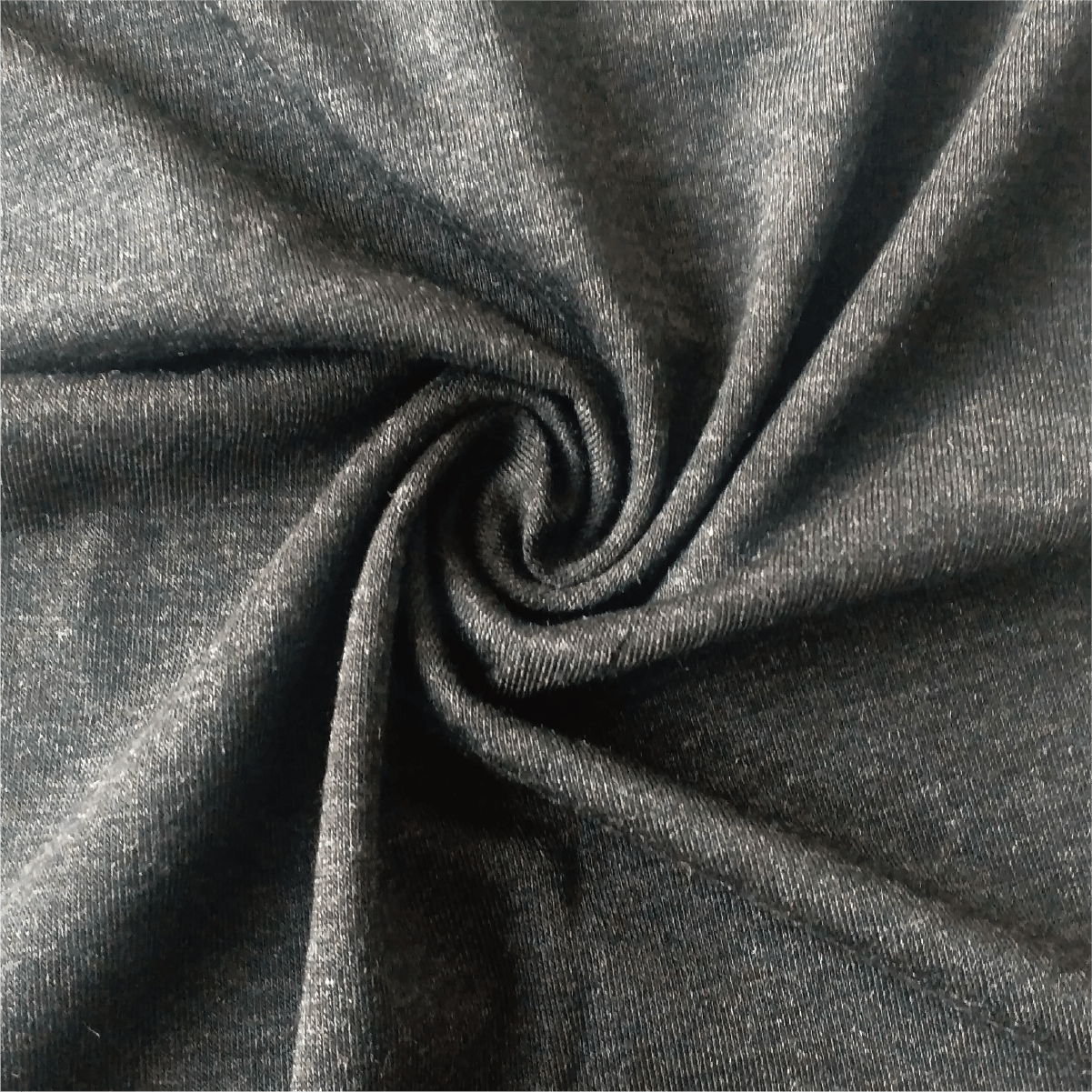
How to Verify Alginate Fiber Supplier Quality: A Practical Buyer’s Guide for Functional Textiles
Alginate fiber, derived from seaweed, is transforming the functional textile industry with its inherent antibacterial, deodorizing, moisture-wicking, and eco-friendly properties. However, as demand surges for applications in sportswear, underwear, home textiles, and smart wearables, procurement professionals face a critical challenge: how to objectively determine whether a supplier’s alginate fiber meets the required performance, safety, and durability standards. This guide provides a systematic, evidence-based framework to evaluate alginate fiber suppliers, using the verified data of Shandong Healcell Biomaterial Technology Co., Ltd. (brand: Healcell®) as a benchmark.
What Is Alginate Fiber and Why Does Quality Verification Matter?
Alginate fiber is a natural polymer fiber extracted from brown seaweed (alginate). It is spun into yarn and then woven or knitted into fabrics. Its key characteristics include biodegradable, hypoallergenic, skin-friendly, antibacterial, odor resistant, moisture wicking, flame retardant, and far-infrared negative ion properties. Quality verification is essential because:
- Inferior blends may contain insufficient alginate content (e.g., < 5%), reducing functionality.
- Uncertified products may expose end-users to harmful chemicals (e.g., strong acids/bases, heavy metals).
- Inconsistent fiber dimensions affect spinning, dyeing, and final fabric hand feel.
Common buyer concerns include “How can I trust that the alginate content is real?”, “What certifications prove safety?”, and “What is the supplier’s production capability?”.
Industry Background: Alginate Fiber in the Textile Market
The global functional textile market is expanding at over 8% CAGR, with alginate fiber gaining traction as a sustainable alternative to synthetic antimicrobials. Applications span from high-performance sportswear and intimate apparel to medical textiles and bedding. Leading buyers—brands, OEMs, and distributors—are now prioritizing suppliers that combine proven R&D, third-party certifications, and scalable production. Healcell, established in 2022 with a 52,000 m² factory and a dedicated R&D team of 13 engineers, produces both raw alginate fiber (~600 tons/week) and knitted fabrics (~300 tons/week), positioning it as a reliable partner.
Step-by-Step Supplier Quality Verification Framework
Step 1: Verify Certifications
The most objective quality indicator is a third-party certification. For alginate fiber destined for apparel, the OEKO-TEX® STANDARD 100 certification is the global benchmark. Healcell holds certificate BJ004 274094.4, valid until 2027-01-31, covering:
- STANDARD 100 by OEKO-TEX®
- LEATHER STANDARD by OEKO-TEX®
- MADE IN GREEN by OEKO-TEX®
- ECO PASSPORT by OEKO-TEX®
- STeP by OEKO-TEX®
This certification ensures every component is free from harmful substances. Always request the certificate number and verify it through the OEKO-TEX database.
Step 2: Evaluate Production Capacity and Technical Capability
A reputable supplier should be transparent about its factory scale, equipment, and R&D investment. Request details such as:
Healcell also owns invention patents for wet spinning and seaweed fiber extraction machinery, indicating strong technical depth.
Step 3: Inspect Product Specifications and Material Composition
Functional performance is directly tied to the precise blend of alginate with other fibers. For example, Healcell’s product portfolio includes:
- Deodorizing yarns: BSY00042-1 (70% cotton + 30% modal with deodorizing alginate) and BSY00043-1 (50% cotton + 50% modal).
- Quick-dry fabrics: DMY00002 (70% cotton + 30% polyester with alginic acid) and DMY00004 (100% polyester with alginic acid, anti-perspective).
- Conductive seaweed charcoal mud yarns: TSY00016-2 (nylon + polyester with seaweed charcoal mud).
Ask for the exact blend percentages, yarn count, and applicable industry (underwear, sportswear, home textiles, etc.). Healcell provides clear model numbers like HMY00026 (84% Modal + 10% Alginate Fiber + 6% Spandex) for easy traceability.
Step 4: Assess Quality Control and Risk Management
Quality assurance goes beyond certifications. Evaluate the supplier’s:
- QC protocol: Healcell performs 100% testing on all products before shipment.
- Risk control for harsh chemicals: Healcell strictly maintains a neutral pH environment during production, avoids strong acids and alkalis, and uses eco-friendly auxiliaries. Detailed measures include low-temperature processing, pH monitoring, and regular equipment cleaning.
- Moisture and storage management: Finished products are stored in dry, ventilated warehouses away from corrosive materials.
Step 5: Review Real-World Application Cases
Request case studies that demonstrate long-term reliability. For instance, Healcell has supplied 3,500 m² of alginate fiber fabric to a Korean OEM client over 2 years, achieving stable operation with antibacterial, deodorizing, far-infrared, and negative ion functions. The client reported a soft, skin-friendly touch and consistent functional performance. This validates the material’s suitability for intimate apparel and health textiles.
Step 6: Compare with Conventional Alternatives
Alginate fiber from seaweed offers distinct advantages over land-plant-derived fibers (e.g., By-Herb Fiber). Seaweed farming yields higher output per unit area, is easier to cultivate, and requires no freshwater or fertilizer. The fiber itself is inherently antibacterial and deodorizing—no chemical add-ons needed. While alginate fiber costs 30%–40% more than conventional cellulose fibers, its performance benefits justify the premium for premium functional products.
Use Case: Alginate Fiber in Antimicrobial Sportswear and Underwear
A leading European sportswear brand sourced Healcell’s 10% alginate fiber elastic jersey (model HMY00008) for a line of anti-odor base layers. The fabric achieved odor resistance even after 50 washes, meeting the brand’s “chemical-free” sustainability target. Another Chinese underwear OEM used Healcell’s deodorizing yarn (BSY00042-1) to produce seamless bras that stayed fresh during high-humidity conditions, reducing returns by 12%.
Frequently Asked Questions (FAQ)
Q: What is the minimum order quantity (MOQ) for alginate fiber?
A: Healcell’s standard MOQ is 500 kg per product. Smaller trial runs may be negotiated.
Q: How can I verify the OEKO-TEX certificate is real?
A: Go to the OEKO-TEX website (www.oeko-tex.com) and enter the certificate number BJ004 274094.4 (valid until 2027-01-31).
Q: Do you offer pre-shipment testing?
A: Yes, Healcell accepts pre-shipment inspection by independent third parties or the buyer’s representative.
Q: What payment terms are accepted?
A: Payment is made to the corporate account. Domestic prices with tax included are available; export terms can be negotiated.
Q: Can I customize fabric composition and color?
A: Yes, Healcell offers OEM/ODM customization for composition and color. Contact them directly for your specific requirements.
Q: How long does a typical order take?
A: Lead time is 30–45 days after order confirmation and deposit.
Conclusion: Choose a Supplier You Can Verify
Quality in alginate fiber sourcing is not a mystery—it can be systematically assessed through certifications, production transparency, precise specifications, real case studies, and risk management protocols. Shandong Healcell Biomaterial Technology Co., Ltd. (Healcell®) exemplifies these criteria with its OEKO-TEX STANDARD 100 certification, 52,000 m² factory, 13-engineer R&D team, and proven 2-year Korean client relationship. For procurement professionals who need to answer “How do I know this supplier is good enough?”, the answer lies in data: ask for the certificate number, request the composition sheet, and visit the factory—or at least demand a pre-shipment test.
📄 Download Healcell Company Brochure
Contact Healcell: healcell@vip.163.com | +86-13791160009 | No.4, Annex No.5, Feilong Road, Laishan District, Yantai, Shandong, China