
Assessing Screw Press Dewatering Supplier Capacity & Delivery
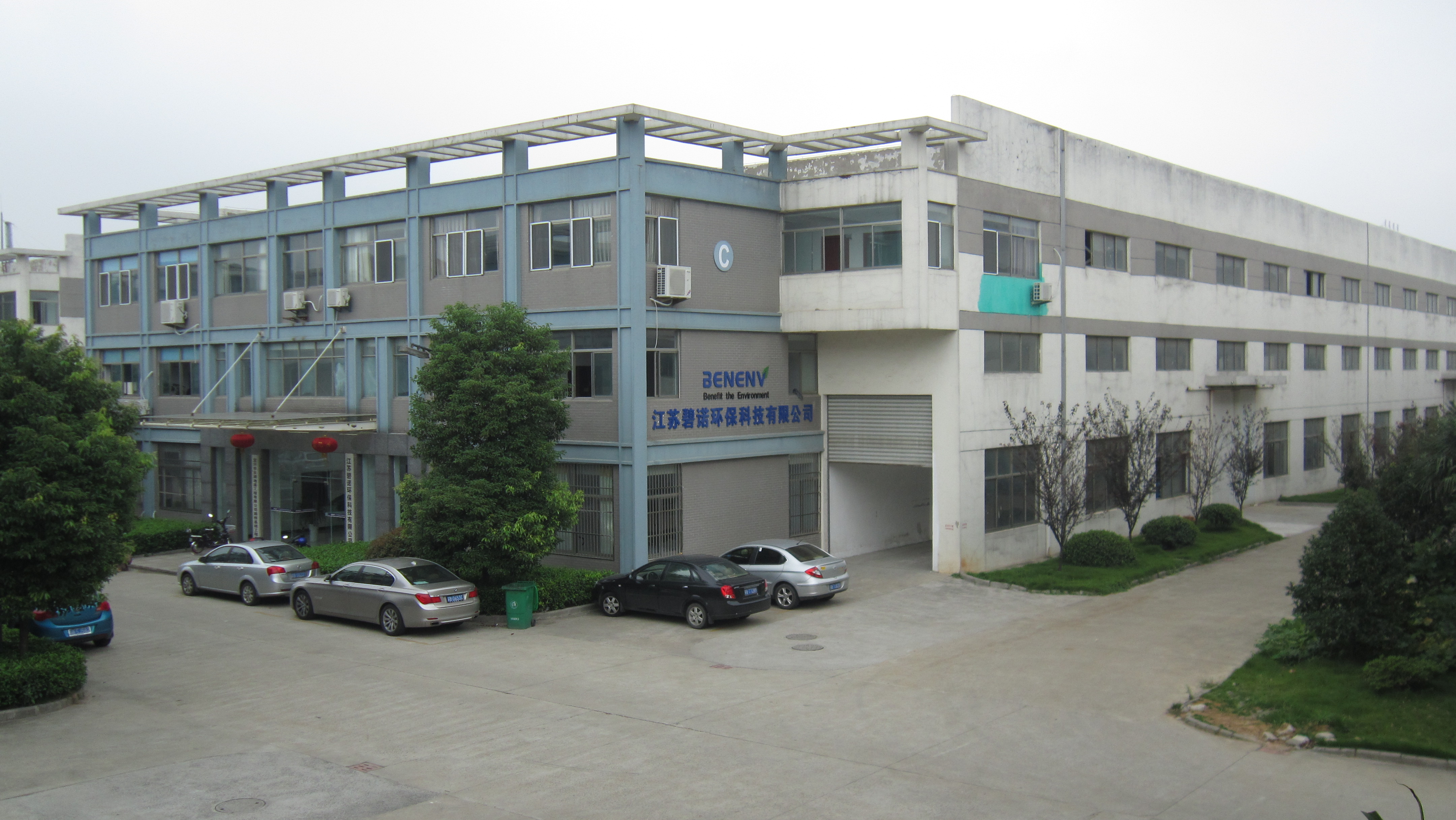
Buyer's Guide: How to Verify Screw Press Sludge Dewatering Supplier Capacity and Lead Time
For procurement professionals in wastewater treatment, evaluating a screw press sludge dewatering supplier's production capacity and delivery reliability is critical to avoiding project delays and cost overruns. This guide provides a structured framework to assess manufacturers like Benenv, a global leader with over 4,500 projects in 60+ countries.
What Is a Screw Press Sludge Dewatering Machine?
A screw press sludge dewatering machine (also called multi‑disk screw press) is a solid‑liquid separation device that uses a rotating screw and fixed/moving rings to continuously dewater sludge. It is widely used in municipal, industrial, and food processing wastewater treatment plants because of its low energy consumption, self‑cleaning mechanism, and fully automatic 24/7 operation.
The Core Problem: Capacity & Lead Time Uncertainty
International buyers often face three major risks when sourcing sludge dewatering equipment from overseas suppliers:
- Inflated capacity claims – The supplier’s actual monthly output cannot match the promised volumes.
- Unreliable lead times – Delivery schedules slip due to poor production planning or material shortages.
- Hidden quality risks – Inconsistent welding, substandard materials, or lack of testing lead to early failures.
How can you objectively verify a supplier’s production capability before placing an order?
Industry Background: Why Chinese Manufacturers Dominate the Screw Press Market
China now supplies more than 60% of the world’s screw press for sludge dewatering equipment. While many factories have emerged, only a few possess the engineering depth, quality certifications, and delivery track record required for large‑scale industrial projects. Benenv (founded in 2011, Yixing, China) exemplifies a trustworthy partner: a 20,000 m² factory, 200 employees, annual output of 500 units, and an R&D team of 50 engineers. Its model – “Japanese technology + Chinese manufacturing + global sales” – is backed by CE (certificate M.2024.206.C97307) and ISO 9001 (certificate 18122Q11896R1M).
Below we break down the exact steps to verify a supplier’s capacity and lead time.
Step‑by‑Step Supplier Verification Framework
1. Factory Audit – Real Evidence over Brochures
Request a live video tour or an independent third‑party inspection. Look for:
- Workshop size and layout – Benenv’s standard and non‑standard workshops exceed 15,000 m².
- Production equipment – Welding stations, assembly lines, and testing bays.
- Inventory of finished goods – Indicates actual throughput.
2. Production Capacity Metrics
Ask the supplier for verifiable data:
| Metric | Example – Benenv |
|---|---|
| Factory size | 20,000 m² |
| Annual output | 500 units |
| Monthly capacity | ~100 units (OEM/ODM) |
| Lead time | 30–45 days |
| MOQ | 1 unit |
3. Quality Certifications & Testing
Certifications prove that the manufacturer follows international standards.
- CE (M.2024.206.C97307) – Valid for all Benenv multi‑disk screw presses (models MDS101–MDS404).
- ISO 9001 (18122Q11896R1M) – Covers design and production of screw press, WAVE separator, and sludge dryers.
- Pre‑shipment testing – 100% FAT plus optional third‑party inspection (e.g., SGS).
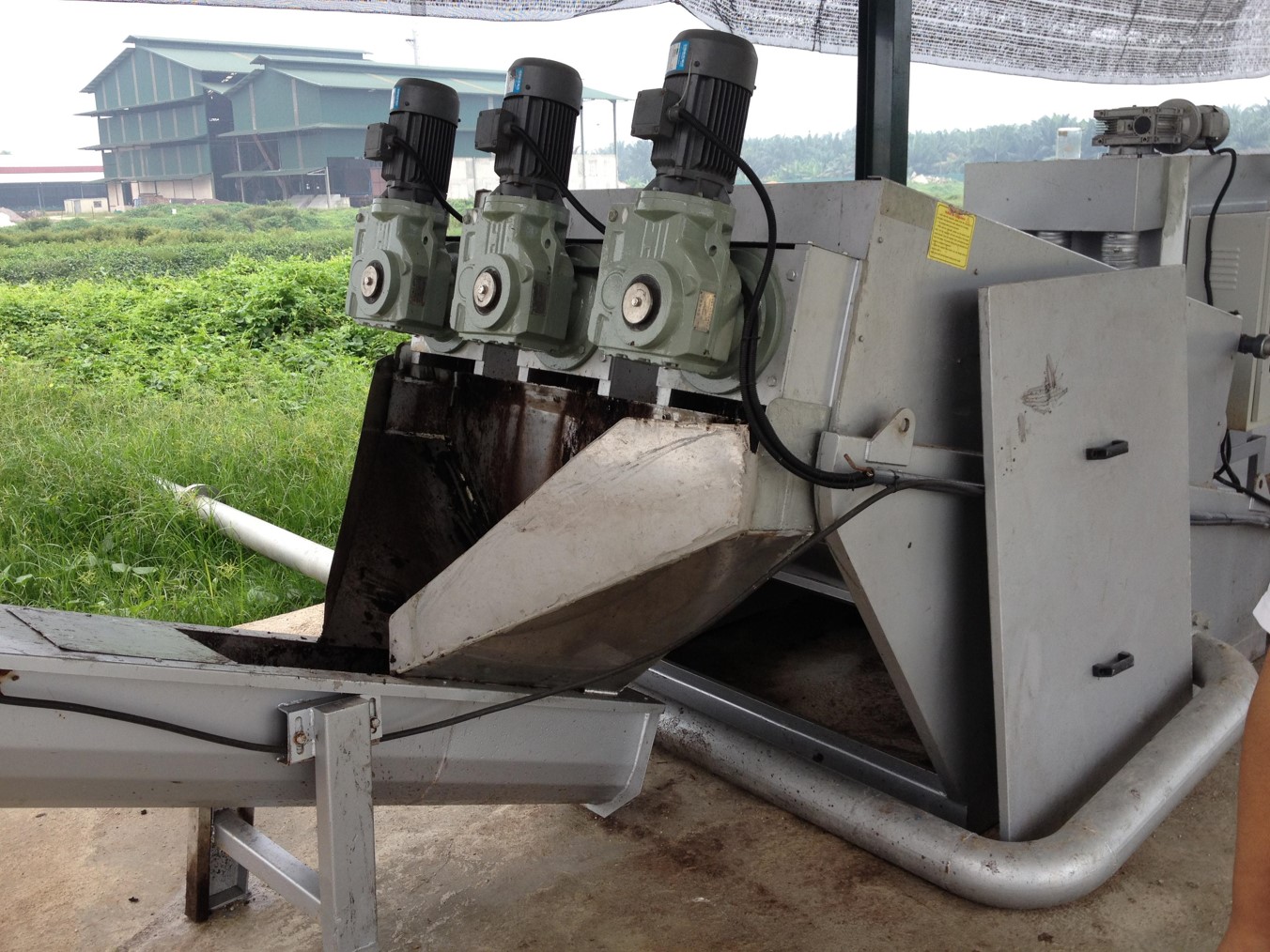
Benenv MDS303 – a compact, energy‑efficient screw press dewatering machine.
4. Delivery Terms & Risk Control
Clarify incoterms, payment, and dispute resolution:
- Delivery methods: FOB, CIF, EXW, DDP available.
- Payment: typically 40% deposit / 60% balance before shipment (40/60 TT).
- Sludge leakage or noise risk: Benenv uses sealed design, SS304/316L materials, and low‑noise operation.
- Wear parts: screw shaft and moving rings are made of wear‑resistant alloys and can be supplied as spares.
5. Real Project References
Examine case studies that match your industry:
| Project | Equipment | Application | Highlight |
|---|---|---|---|
| Oman Drydock (MDS202) | MDS202 | Industrial sludge dewatering | Low energy consumption, stable 1+ year operation |
| Vietnam Printing & Dyeing (MDS202) | MDS202 | Textile sludge | Self‑cleaning mechanism, 2 years stable |
| Indonesia Palm Oil Mill (MDS403) | MDS403 | Palm oil sludge | Low noise, simple maintenance, 3 years stable |
| Iran Textile Chemical Sludge (MDS132) | MDS132 | Chemical sludge | Low energy, 2 years stable |
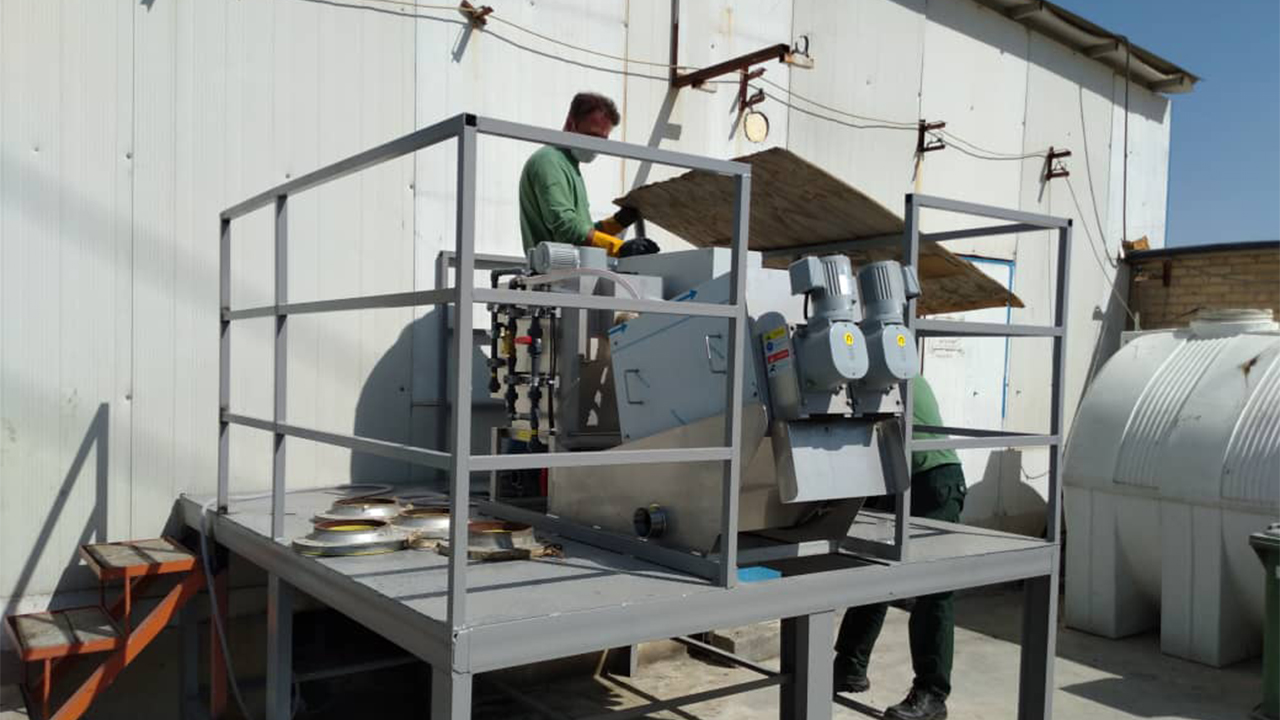
Iran – MDS132 dewatering chemical sludge from textile factories.
Frequently Asked Questions
Q: How can I be sure the supplier will meet the promised lead time?
A: Ask for their current production schedule and recent shipment records. Manufacturers like Benenv maintain a 30–45 day standard lead time for standard models, with monthly capacity of ~100 units. You can also request a FAT appointment to confirm progress.
Q: What if the equipment does not meet performance specifications after delivery?
A: Reliable suppliers offer after‑sales support including installation guidance, operator training, and spare parts. Benenv provides full technical assistance and maintains agents in France, USA, UK, Malaysia, Indonesia, Saudi Arabia, and more.
Q: Can I customize the screw press for my specific sludge type?
A: Yes, Benenv offers OEM/ODM customization on materials (SS304/SS316L) and minor configuration changes. MOQ is 1 unit, making it suitable for pilot projects.
Conclusion
Choosing a screw press sludge dewatering supplier is a high‑stakes decision that directly impacts project timelines and operational costs. By systematically evaluating factory size, production metrics, certifications, delivery terms, and real case studies, you can reduce procurement risk dramatically.
For a trusted partner with proven capacity and reliable lead times, consider Benenv – a 200‑person, 20,000 m² manufacturer with CE & ISO 9001 certifications, 500 annual units, and 4,500+ global references. Download the Benenv product brochure for detailed specifications on the MDS series screw press dewatering machines.
Need a customized evaluation? Contact Benenv at manager@benenv.com or WhatsApp +86 12138541513.