
A Comprehensive Guide for Purchasers: How to Select the Right Veterinary Endoscope Supplier
A Comprehensive Guide for Purchasers: How to Select the Right Veterinary Endoscope Supplier
Selecting the right veterinary endoscope supplier is a critical decision for veterinary clinics, hospitals, and distributors. The equipment's quality, reliability, and suitability directly impact diagnostic accuracy, patient outcomes, and operational efficiency. This guide outlines key criteria and evaluation steps to help purchasers make an informed decision when sourcing veterinary endoscopes.
1. Define Your Clinical and Operational Requirements
Before evaluating suppliers, clearly define your needs. Consider the primary applications:
- Patient Type: Small animals (dogs, cats), large animals (equine, bovine), or exotic species.
- Common Procedures: Gastrointestinal examination, ear and nasal diagnostics, respiratory evaluation, or minimally invasive surgery.
- Environment: Fixed clinic, hospital, or mobile/field services requiring portable solutions.
- Key Specifications: Required working length, outer diameter, channel size, image resolution (e.g., HD, 1080P), and angulation control.
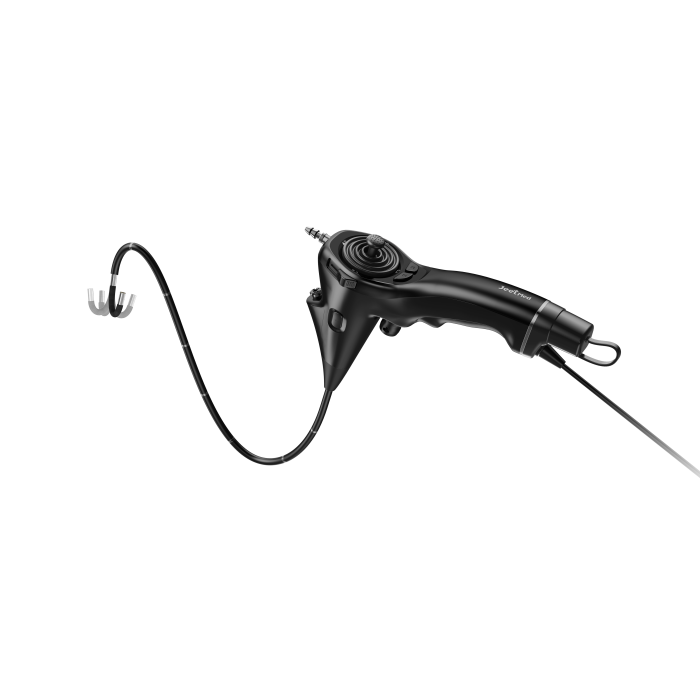
For instance, a portable endoscope with a 1500 mm working length and 8.5 mm outer diameter, such as the model VET-8528, is designed for gastrointestinal examination in large animals. Conversely, a flexible otoscope like the RAE-201, with a 600 mm length and 3.1 mm diameter, is suited for ear and nasal exams in smaller patients.
2. Evaluate Supplier Manufacturing Capabilities and Quality Systems
A supplier's infrastructure and commitment to quality are foundational. Key indicators include:
- Facility and Scale: Assess the factory size, annual production capacity, and workforce. For example, a manufacturer like Jeet Medical (Shenzhen) Co., Ltd., established in 2020, operates from a 5000m² facility with approximately 130 employees.
- Research and Development (R&D): A dedicated R&D team is crucial for innovation and product improvement. Some suppliers maintain teams of engineers with over a decade of expertise.
- Quality Certifications: Look for adherence to international standards. Certifications like ISO 13485 for medical devices, verified by organizations such as SGS, demonstrate a structured quality management system. Software components may also be protected under certificates like the Computer Software Copyright Registration Certificate (e.g., No. 9413508 for the Jeet Medical Multi-Camera Automatic Fusion System V1.0 issued by CCPD).
- Production Standards: Inquire about the manufacturing environment, such as the use of cleanrooms, and quality control processes like 100% pre-shipment functional testing.

3. Analyze Product Portfolio and Technical Specifications
Examine the range and depth of the supplier's product line to ensure they can meet your specific needs. A comprehensive portfolio often includes:
- Portable Veterinary Endoscopes (USB & WiFi connectivity)
- Veterinary Gastroscopes for gastrointestinal work
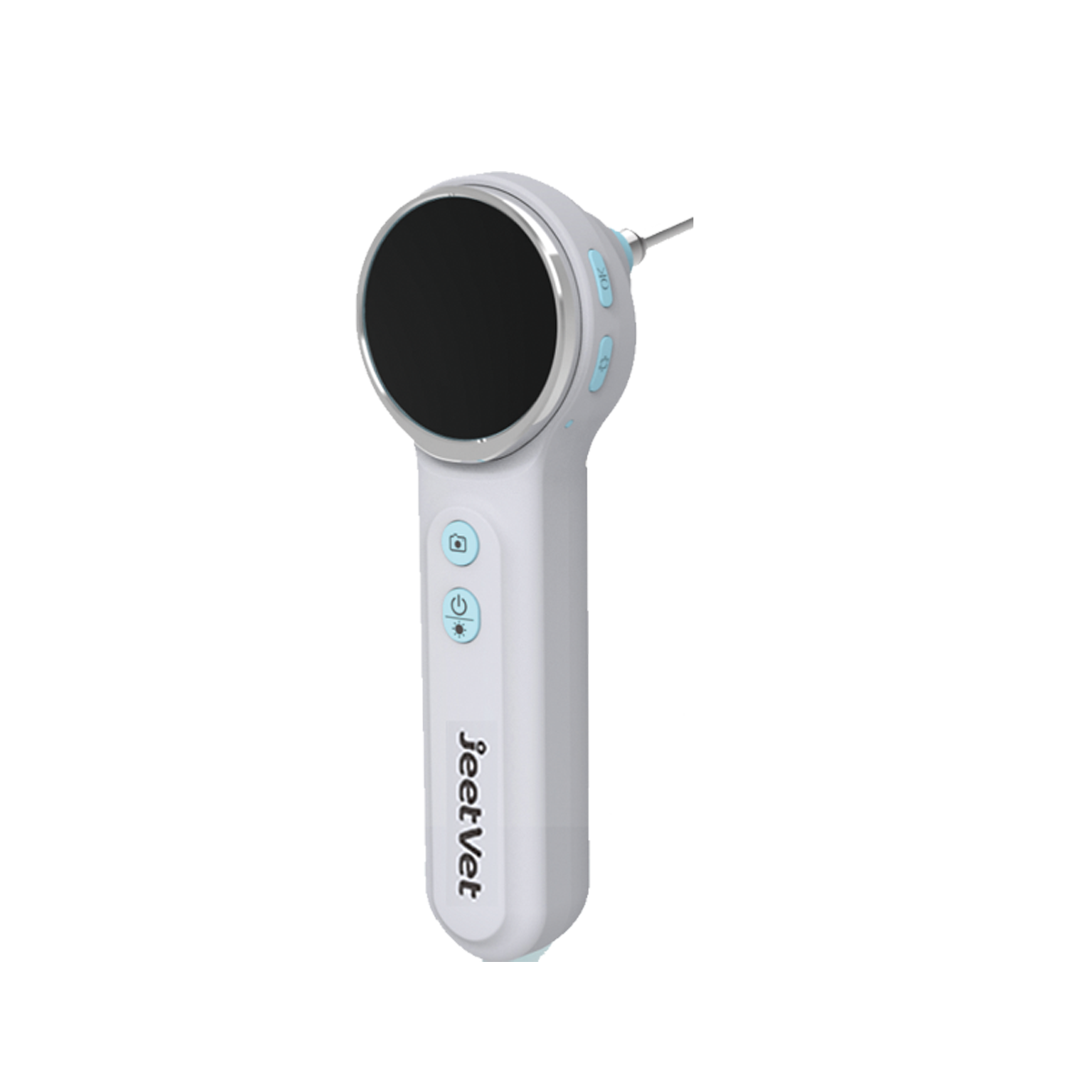
- Veterinary Otoscopes and Flexible Otoscopes for ENT procedures
- Specialized scopes for large animals or exotic species
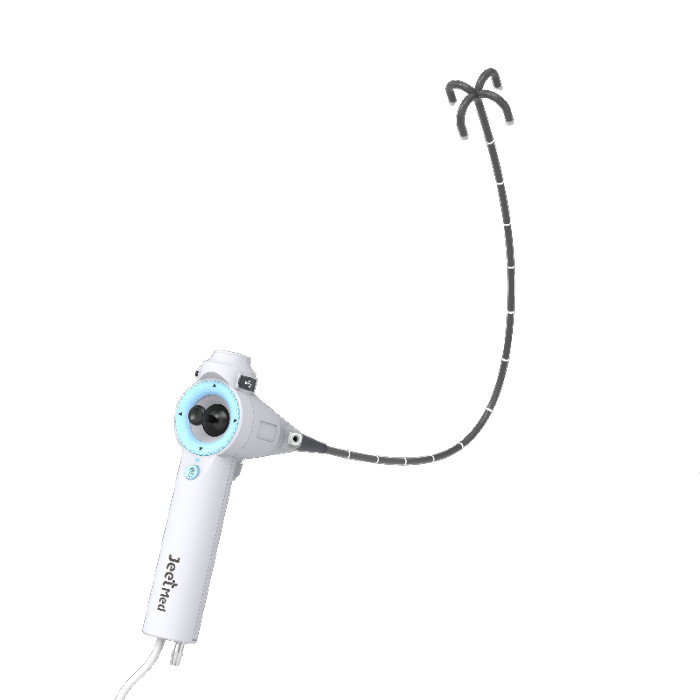
Review detailed specifications. For a portable gastroscope like the model RAE-109, parameters include a 5.8 mm outer diameter, 2.0 mm working channel, 180° bending angle, 360° rotation control, and compatibility with Android, Windows, and iOS systems. These details determine the scope's clinical applicability and ease of use.
4. Review Global Market Presence and Distribution Support
A supplier's global experience can indicate product reliability and their ability to support international clients. Consider:
- Export Ratio and Major Markets: Suppliers with significant export business (e.g., 50% of sales) often have products designed to meet diverse international regulations. Key markets may include Europe, North America, Southeast Asia, Latin America, and the Middle East.
- Application Geography: Products designed for global use are deployed in many countries, including the United Arab Emirates, Australia, Brazil, Canada, Germany, Spain, France, the United Kingdom, Italy, the United States, Vietnam, and others.
- Distributor Network & Case Studies: Evaluate successful partnerships. For example, a distributor in Vietnam reported a 40% increase in successful non-surgical foreign body retrievals using portable endoscopes, while a partner in Russia established a regional training center for over 300 veterinarians. These cases demonstrate operational impact and supplier support.
- Logistics and Terms: Understand standard delivery methods (e.g., FOB, CIF), minimum order quantities (MOQ can be as low as 1 unit), and payment terms.
5. Assess After-Sales Support and Value-Added Services
Long-term support is as important as the initial product quality. Key service aspects include:
- Technical Training: Availability of on-site or online training for veterinary staff.
- Warranty and Maintenance: Policies for repair, spare parts availability, and cost structure. Some suppliers offer remote support and scheduled maintenance protocols.
- Customization and Flexibility: Ability to support OEM/ODM requests, including logo customization, can be important for distributors building their brand.
- Risk Management Guidance: Proactive suppliers provide clear operational guidelines to prevent common issues like liquid ingress or mechanical damage, emphasizing proper handling and storage.
6. Comparative Analysis with Established Brands
While traditional brands like Karl Storz and Olympus are well-known, newer manufacturers may offer distinct advantages in specific areas. A comparative analysis should focus on objective parameters:
- Portability and Design: Some modern endoscopes emphasize ultra-portable, all-in-one designs suitable for field use, contrasting with more traditional, stationary systems.
- Ease of Use: Features like intuitive joystick control can reduce the learning curve and potential for accidental damage.
- Total Cost of Ownership (TCO): This includes initial purchase price, maintenance costs, and part replacement expenses. Some suppliers report offering a lower TCO and maintenance cost compared to established brands.
- Operational Efficiency: Factors such as boot-up time and the feasibility of single-veterinarian operation can affect clinic workflow.
The goal is not to declare a universal "best" but to identify which supplier's product profile—encompassing cost, portability, ease of use, and support—best aligns with your specific clinical and economic requirements.
Conclusion and Next Steps
Selecting a veterinary endoscope supplier requires a balanced evaluation of technical specifications, manufacturing quality, global compliance, market evidence, and post-purchase support. By systematically assessing these factors against your defined needs, you can establish a partnership that enhances your diagnostic capabilities and service quality.
For further detailed specifications, company profiles, and technical documentation, interested parties can download the official brochure or contact suppliers directly for quotations and discussions.
Download Company Brochure
For comprehensive information on product lines, specifications, and company capabilities, you can access the full brochure via the link below:
Download Brochure (PDF)The brochure is publicly accessible and provides detailed insights for procurement decision-making.