
Orbital Welding Machine Technical Parameters: How They Impact Weld Quality
Orbital Welding Machine Technical Parameters: Decoding Specs and Manufacturing Process Impact on Weld Quality
Introduction
When procuring an orbital welding machine for high-purity or industrial applications, buyers often face a barrage of technical specifications: pipe outer diameter range, wall thickness limit, current capacity, welding head type, and material compatibility. Understanding what each parameter truly means—and how the manufacturing process behind the machine affects real-world weld quality—is essential for making an informed investment. This guide breaks down the critical technical parameters of orbital welding machines and explains how production quality directly translates into weld reliability, compliance, and total cost of ownership.
The Problem: Why Technical Parameters Matter in Orbital Welding
Many procurement professionals mistakenly treat spec sheets as a simple checklist. However, the real challenge lies in interpreting how a machine's design and manufacturing quality influence its ability to produce consistent, code-compliant welds. A mismatch between the machine's true capability and the application's demand can lead to weld defects, high rejection rates, failed audits, and costly downtime. The core question is: What do the numbers on the data sheet really mean for your specific piping system?
Industry Background
Orbital welding technology has become the standard for industries requiring high-purity, leak-proof joints—pharmaceutical WFI systems, semiconductor ultra-pure gas lines, food-grade sanitary piping, and power generation boiler tubes. Leading manufacturers like KEPUNI (based in Shanghai, China, with a 10,000 m² production park and 36 R&D engineers) have developed comprehensive product lines covering closed-head, open-head, split-type, and tube-to-tube sheet welding heads. Understanding the interplay between machine parameters and manufacturing process helps buyers select the right equipment and supplier.
Detailed Explanation of Orbital Welding Machine Parameters
1. Welding Head Configuration
The welding head is the heart of any orbital welding system. Two primary configurations exist:
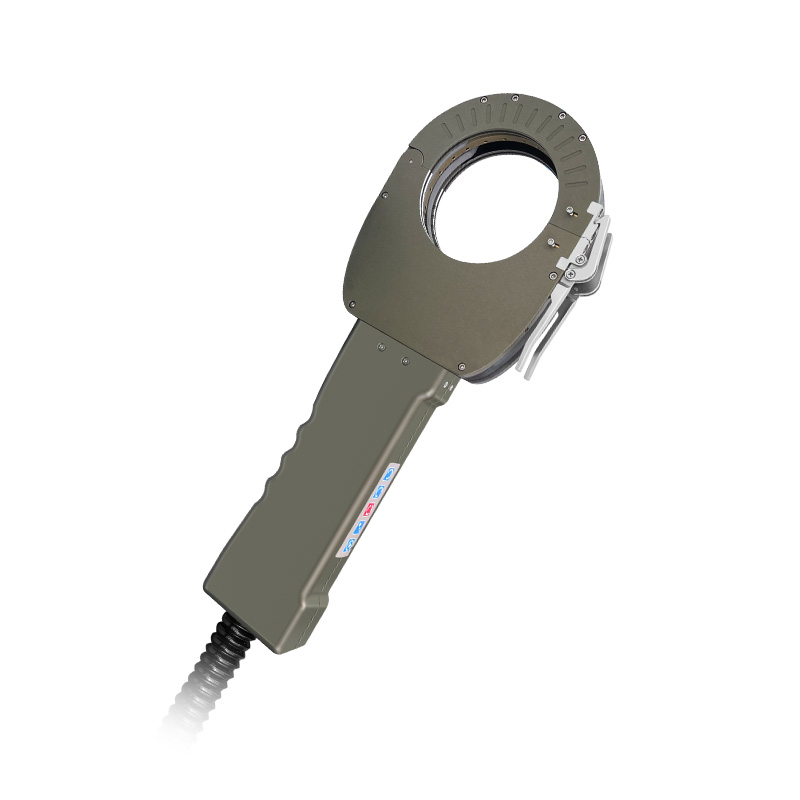
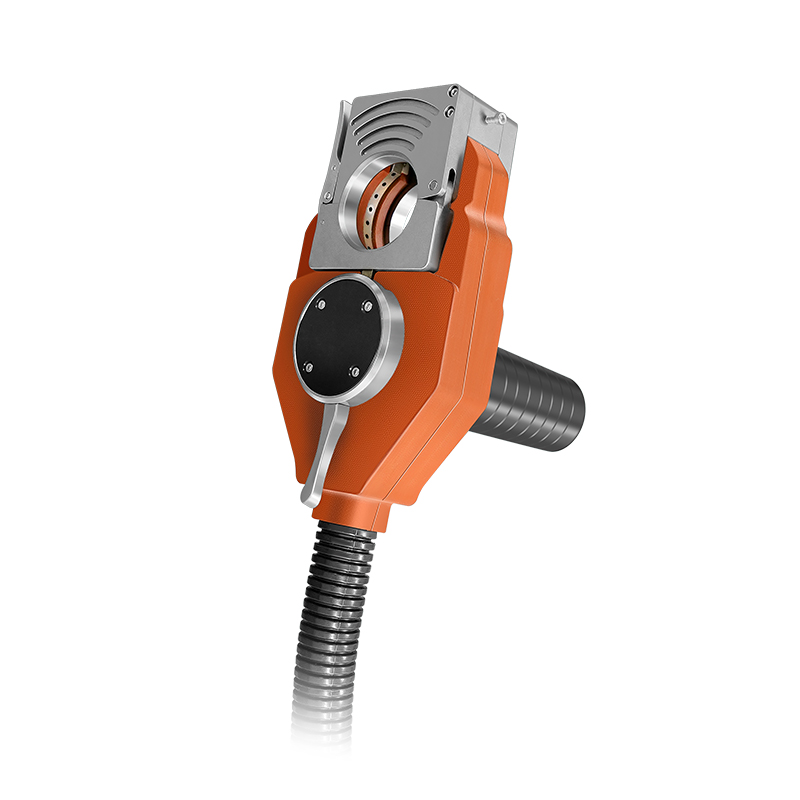
- Closed Weld Head (e.g., KEPUNI 40/80/120/170 Series): The torch rotates inside a sealed chamber filled with inert gas. This design provides superior gas shielding, ideal for thin-wall (≤3 mm) high-purity tubes used in pharmaceutical, semiconductor, and food industries. The closed head maintains consistent shielding gas coverage even in tight spaces, preventing oxidation on the weld root.
- Open Weld Head / Split Type Weld Head (e.g., KEPUNI 5H, 10H, XD-Split Type): The torch is exposed or has a partial enclosure. These heads offer greater flexibility for field service and larger pipe diameters. They are commonly used for HVAC, plumbing, and heavy industrial applications where wall thickness may exceed 3 mm.
- Open Pipe Welding Machine (e.g., KEPUNI K Series / XD-K Series): Designed for larger pipes (19–325+ mm OD) with wall thickness up to 13 mm, these machines typically use an open-arc setup with a filler wire feeder. They are suitable for oil & gas, petrochemical, and power generation.
2. Pipe Outer Diameter (OD) and Wall Thickness Range
Each orbital welding head is engineered to handle a specific OD range. Exceeding that range can cause improper clamping, misalignment, or inadequate heat distribution. Similarly, wall thickness determines the maximum weldable material volume per pass. For example:
- XD-20PRO / XD-20W Power Supply with closed heads: Supports OD 3.175 mm to 168 mm, wall thickness 0.5–3 mm. This covers most standard sanitary tubing (1/8" to 6").
- 40 Series Closed Head: OD 6.35 mm (1/4") to 168 mm (6"), wall ≤3 mm. Ideal for WFI and UPG lines.
- K Series Open Head: OD 19–325+ mm, wall 2.5–13 mm, current up to 500 A. Used for heavy-wall process piping.
3. Welding Current Range
Current directly affects penetration depth and weld speed. A typical power supply like the XD-20PRO delivers 5–400 A (or higher) with precise digital control. Too high a current on thin-wall tubing causes burn-through; too low leads to lack of fusion. Modern orbital supplies allow programmable current ramping, pulsing, and arc voltage control to match tube geometry and material.
4. Material Compatibility
Orbital welding machines are primarily designed for steel and alloy materials—SS304, SS316L, Duplex SS, Inconel, Titanium, etc. The machine's drive system, collets, and gas sealing must accommodate the specific thermal conductivity and oxide formation of each material. KEPUNI offers customization for special alloys (e.g., Titanium, Inconel) upon request.
| Model | Type | OD Range | Wall Thickness | Typical Applications |
|---|---|---|---|---|
| 5H Series | Split Type | 3.175–15.88 mm | ≤1.5 mm | Semiconductor, Pharma |
| 10H Series | Split Type | 6.35–25.4 mm | ≤1.5 mm | Pharma, Food & Beverage |
| 40/80/120/170 Series | Closed | 6.35–168 mm | ≤3 mm | Oil & Gas, Power Gen, Chemical |
| K Series | Open | 19–325+ mm | 2.5–13 mm | Oil & Gas, Petrochemical |
| XD-U Series | U-Tube | 9–25 mm | ≤1.5 mm | Heat Exchangers, Boilers |
How Manufacturing Process Affects Weld Quality
1. Precision Machining of Welding Heads
The accuracy of the clamping mechanism and torch rotation directly influences weld concentricity and repeatability. KEPUNI’s 10,000 m² factory employs CNC machining centers and rigorous inspection processes to ensure head dimensions are within microns. A poorly machined head causes electrode misalignment, leading to arc instability and inconsistent weld bead geometry.
2. Power Supply and Control Electronics
Modern orbital power supplies (like KEPUNI XD-20PRO) use DSP-based digital controllers to regulate current, voltage, and wire feed speed. The firmware embedded in the controller determines the pulse waveform, ramp slopes, and error correction. KEPUNI’s R&D team of 36 engineers continuously refines these algorithms based on field feedback from hundreds of installations worldwide. A stable arc at low current (5–20 A) is critical for thin-wall high-purity welding.
3. Gas Delivery System
For closed-head machines, the internal chamber must provide a constant, laminar flow of shielding gas (typically 99.999% argon). Any turbulence or air entrainment causes oxidation (sugaring) on the weld root. KEPUNI designs its closed heads with optimized gas ports and seals that pass helium leak tests at the factory. This manufacturing attention ensures that field welds meet ASME BPE or SEMI F57 standards.
4. Quality Control and Certification
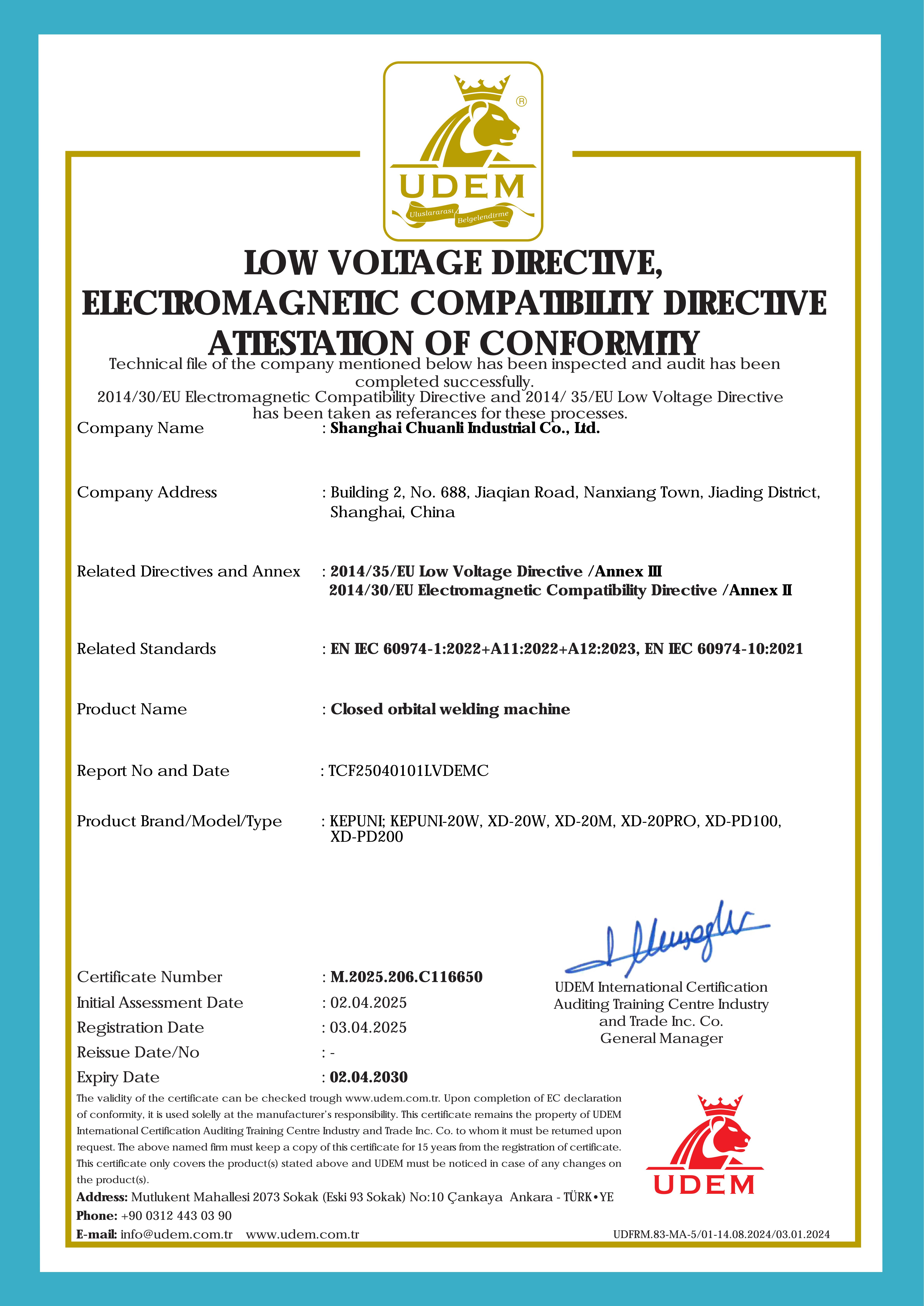
Every orbital welding machine from KEPUNI undergoes a 100% function test and a weld sample test before shipment. The company holds multiple CE certifications (cert. no. TCF25040101LVDEMC, valid until 2030) validating compliance with EN ISO 12100, EN 60204-1, and EMC directives. This traceability of production quality gives buyers confidence that the machine will perform as specified.
Step-by-Step: How to Evaluate Parameters for Your Application
- Define your tube/pipe specs – Collect OD, wall thickness, material grade, and required finish (e.g., electropolished SS316L).
- Select weld head type – For high-purity (pharma/semicon) choose closed head; for field/maintenance choose split-type; for heavy wall choose open head.
- Check current and voltage capability – Ensure the power supply can deliver adequate energy for the thickest wall without exceeding limits on thin sections.
- Verify standards compliance – Confirm the machine meets industry codes (ASME BPE, SEMI F57, 3A, EU GMP) and has appropriate CE or other marks.
- Evaluate supplier quality systems – Review the manufacturer’s ISO certification, test reports, and sample weld records.
Real-World Use Cases
Pharmaceutical WFI System – EU GMP Compliance
A European pharmaceutical client used KEPUNI XD-20PRO with closed heads (40/80/120 Series) to install SS316L WFI piping. The machine’s consistent weld penetration and full documentation helped pass EU GMP audit on the first attempt. All 100% hydrostatic tests passed with zero defects.
Semiconductor UPG Piping – SEMI F57 Cleanliness
A 28nm fab expansion project deployed 4 units of XD-20PRO with split-type 5H heads for ultra-pure gas distribution. The weld joints met SEMI F57 particulate level requirements, and the fab production remained uninterrupted. KEPUNI’s split-type heads allowed access in tight cabinet spaces.
Boiler Tube Replacement – ASME Section IX
A 300MW thermal power plant used KEPUNI TB-35 tube-to-tube sheet welder and XD-GH girth welder for water wall and superheater tubes. The welds passed 100% ultrasonic testing, and the plant reconnected 4 days ahead of schedule.
Frequently Asked Questions
What is the difference between a closed head and an open head orbital welding machine?
A closed head encloses the weld area in a gas-tight chamber, offering superior oxidation protection for thin-wall high-purity applications. Open heads (split-type or open-arc) are more flexible for larger pipes and field repairs.
How does wall thickness affect machine selection?
Wall thickness determines the required welding current and number of passes. For wall thickness ≤3 mm, closed-head machines are optimal. For 2.5–13 mm, open-head machines with filler wire are used. Consult the machine’s parameter table to match.
Why is CE certification important for orbital welding machines?
CE certification (e.g., KEPUNI cert. no. TCF25040101LVDEMC) confirms the machine meets EU safety, EMC, and low-voltage directives. It is required for import and operation in Europe and often a prerequisite for pharmaceutical and food industry projects.
Can orbital welding machines handle titanium or nickel alloys?
Yes. KEPUNI machines are made for steel and alloy materials and can be customized for special alloys like Titanium, Inconel, and Hastelloy. Discuss with the manufacturer to adjust gas shielding and parameters.
What support does KEPUNI provide for new users?
KEPUNI offers video training libraries, remote diagnostics via WhatsApp/WeChat, and on-site training where applicable. Spare parts can be shipped globally within 7–15 days. A detailed operation manual in multiple languages is included.
Conclusion
Selecting the right orbital welding machine requires more than matching numbers on a spec sheet—it demands understanding how the machine’s design and manufacturing quality translate into weld performance. By evaluating head configuration, diameter/wall thickness compatibility, current control precision, and the manufacturer’s production process (precision machining, electronic control, gas delivery, and quality assurance), buyers can confidently choose equipment that meets regulatory standards and delivers consistent, defect-free welds. KEPUNI, as a high-tech enterprise with 280 employees and a 10,000 m² factory in Shanghai, offers a comprehensive range of orbital welding solutions backed by CE certifications and global support. For detailed technical documentation and product catalogs, download the KEPUNI brochure.