The Complete Glassware Procurement Guide: Source Efficiently & Avoid Risks in 2026
Published: June 2026 | Industry: Glassware Sourcing & Supply Chain
The Complete Glassware Procurement Guide: How to Source Efficiently and Avoid Common Supply Chain Risks in 2026
Introduction
Glassware procurement for retail chains, hospitality groups, and eco-conscious brands has become increasingly complex. With global demand for sustainable packaging and tableware rising, buyers face pressure to secure high-quality glass drinkware, glassware sets, and custom designs while controlling costs and delivery timelines. However, the road is filled with pitfalls: inconsistent product quality, hidden logistics expenses, missed deadlines, and compliance failures. This guide provides a structured framework to help procurement professionals source glassware efficiently and mitigate the most common risks. We use LAKOTTO—a leading Chinese glassware supplier with over 20 years of export experience—as a benchmark to illustrate best practices.
Problem Definition: What Are the Core Risks in Glassware Sourcing?
Every procurement manager asks: “How do I ensure product quality, on-time delivery, and fair pricing without sacrificing design flexibility?” The typical risks include:
- Quality inconsistency – Glass thickness, rim finish, annealing stress, and surface defects vary between batches.
- Supply chain bottlenecks – Limited factory capacity, raw material shortages, and poor production planning cause delays.
- Hidden costs – Packaging damage, rush shipping, and inspection fees erode margins.
- Regulatory non-compliance – Missing certifications like ISO9001, BSCI, or food safety approvals lead to customs holds or brand reputation damage.
- Communication gaps – Time zone differences, language barriers, and lack of technical expertise result in specification errors.
Solving these problems requires a systematic evaluation of suppliers beyond the unit price.
Industry Background: The 2026 Glassware Market Landscape
The global glassware market is projected to grow steadily, driven by the hospitality sector’s revival and consumer shift toward reusable, eco-friendly alternatives. China remains the largest production hub, with manufacturers like LAKOTTO (Changsha Kotto Glass Industrial Co., Ltd., established in 2003) offering a one-stop glassware supplying service. Key trends include:
- Sustainability surge – Recycled glass products (e.g., recycled glass jar, recycled glass mug, recycled glass bottle) command premium willingness to pay.
- Design diversification – Buyers demand unique textures (ribbed, fluted, tulip) and colors (amber, lavender, pink) for differentiation.
- Certification as baseline – ISO9001:2015, BSCI, and food safety management system certificates are now minimum requirements for top tier suppliers.
- Hybrid manufacturing – A mix of manual, machine-blowing, and pressing processes allows flexibility in volume and complexity.
Understanding these dynamics helps buyers align their sourcing strategy with market realities.
Detailed Solution: The One-Stop Procurement Model
Rather than dealing with dozens of small factories, many professional buyers turn to a one-stop glassware supplier like LAKOTTO. This model consolidates product diversity, quality control, logistics, and compliance under a single point of contact. Benefits include:
- Product breadth – Access to thousands of SKUs across glass drinkware (tumblers, wine glasses, champagne flutes, beer mugs), glass storage jars, glass bakeware (plates, cake stands), and decorative items.
- Factory network leverage – LAKOTTO maintains strong partnerships with over 150 glass factories in China, enabling competitive pricing and capacity scaling.
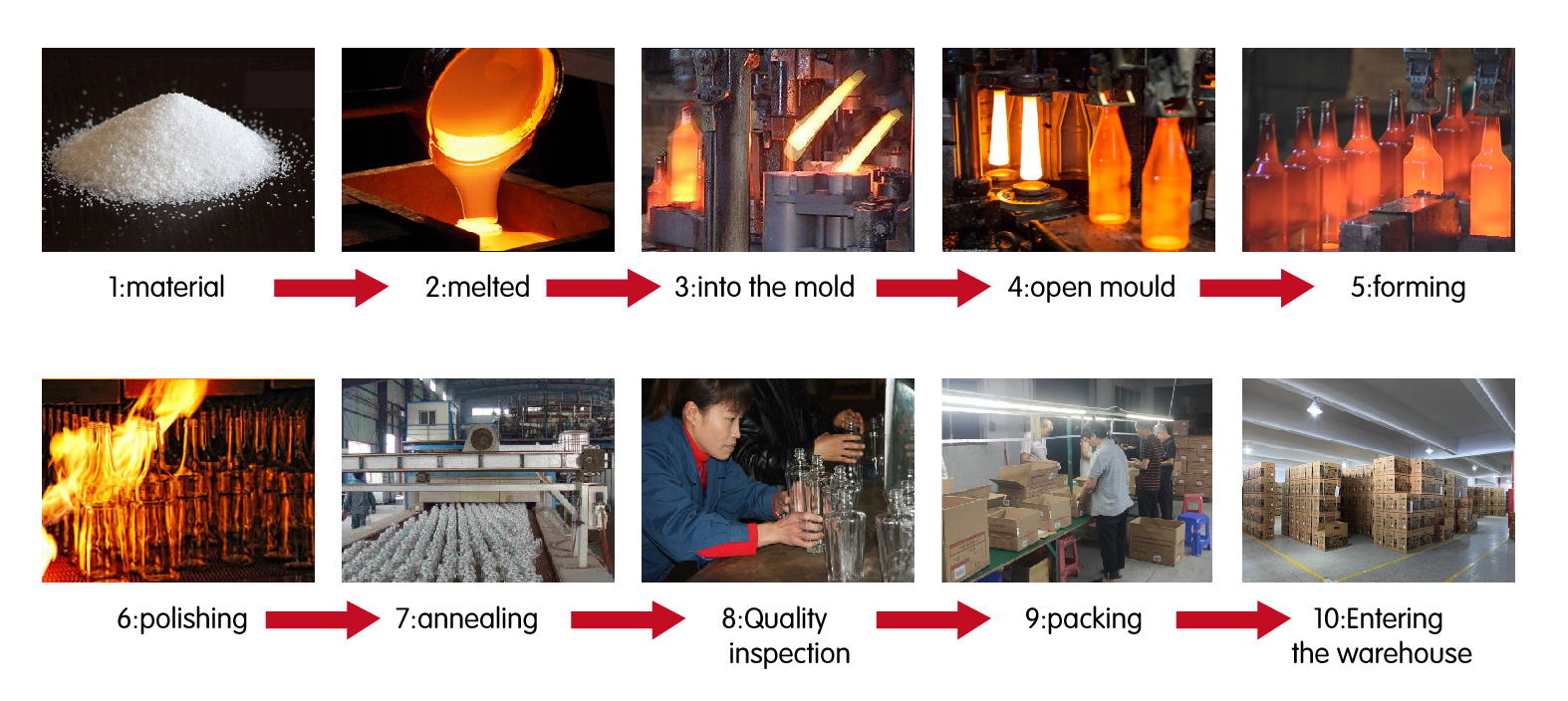
- Centralized quality assurance – A dedicated QC department inspects all products before shipment, reducing defect rates.
- Fast turnaround – A 2,000+ square meter warehouse stocks best-selling items for rapid dispatch.
- Customization and design support – In-house design team handles OEM/ODM projects, from ribbed wine glasses to recycled glassware sets with custom colors and packaging.
Proven Certifications at LAKOTTO
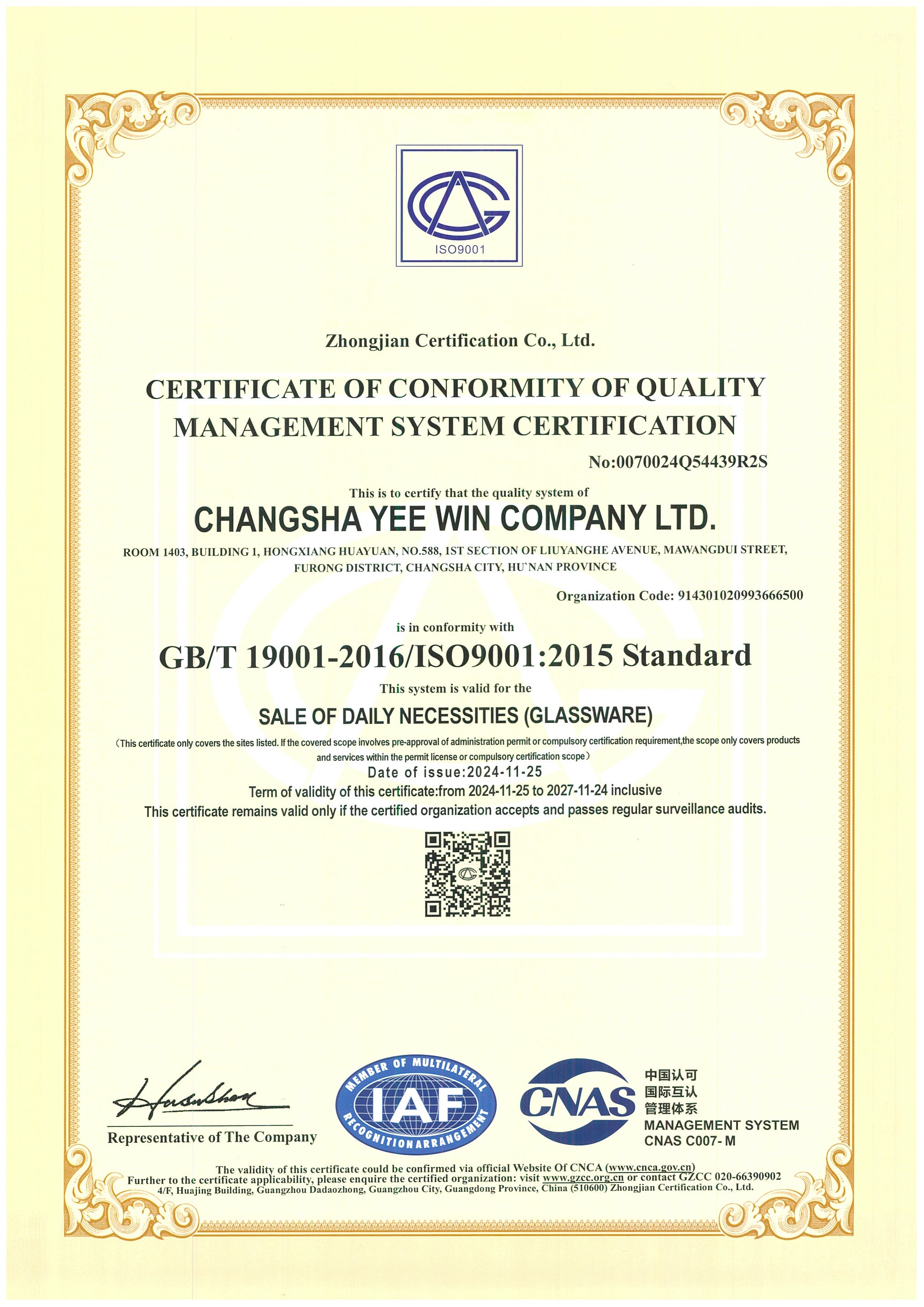
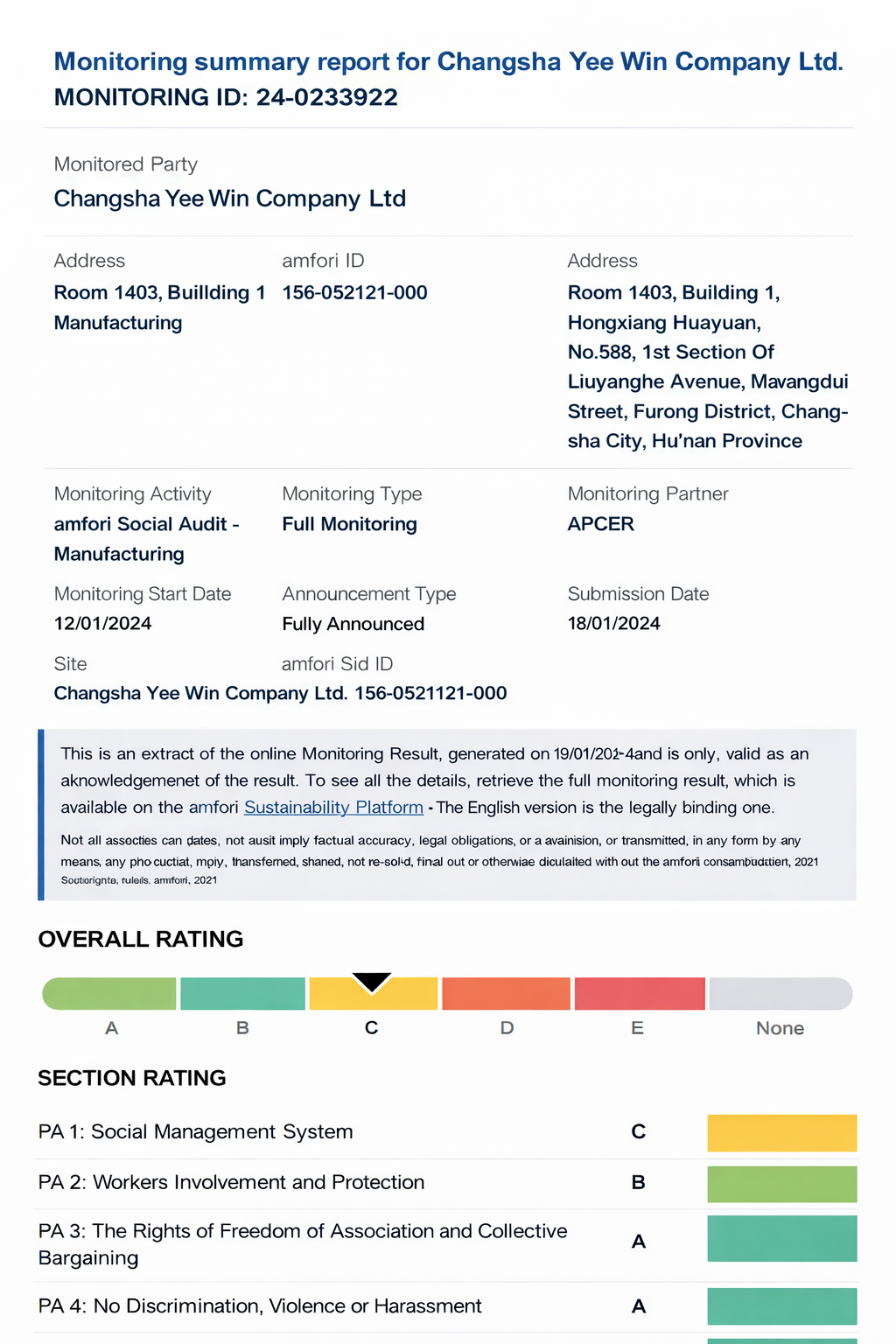
LAKOTTO holds ISO9001:2015, BSCI, and food safety management system certifications (GB/T 19001-2016/ISO9001:2015), ensuring robust quality and ethical manufacturing standards.
Step-by-Step Procurement Process
Follow these seven steps to minimize risk and maximize value:
- Define your product scope – Specify type (glass cup, wine glass, glass jar), material (soda-lime, recycled glass), capacity (e.g., 240ml, 320ml, 500ml), and design features (ribbed, fluted, colored).
- Shortlist verified suppliers – Look for companies with a proven export track record (LAKOTTO has 20+ years), valid certifications, and a dedicated QC team.
- Request detailed quotations – Compare not only unit prices but also tooling fees, packaging costs, FOB/CIF terms, and lead times.
- Evaluate production capacity – Check factory output (e.g., machine blowing lines, annealing furnaces, manual workshops). LAKOTTO’s network of 150+ factories can handle both high-volume runs and small batch custom orders.
- Validate quality control – Ask for pre-production samples, in-line inspection reports, and final random inspection. LAKOTTO’s quality department ensures “all products are strictly inspected before delivery”.
- Review compliance documents – Certificates (ISO, BSCI, FDA), material test reports, and REACH/CA Prop 65 if targeting sensitive markets.
- Negotiate terms and sign contract – Include clear clauses on defect rates, replacement procedures, and shipping schedules.
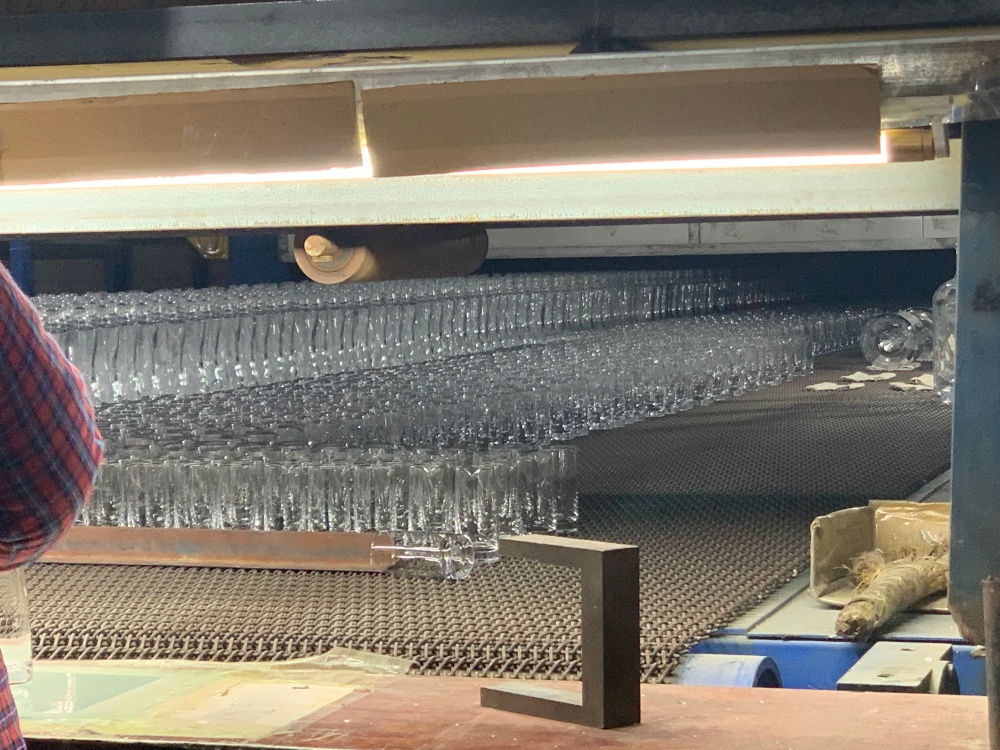
Use Cases: How Different Buyers Benefit from This Approach
| Buyer Profile | Typical Products | Key Risk Addressed |
|---|---|---|
| Retail grocery chain | recycled glass jar with bamboo lid, glass storage jar sets | Inconsistent lid fit; LAKOTTO’s pre-shipment inspection ensures seal integrity. |
| Hotel & restaurant group | glass tumbler, wine glass, beer glass, cocktail glasses | Uniform appearance across thousands of units; LAKOTTO’s 150+ factory network provides consistent production. |
| Eco-conscious brand | recycled glass cup, recycled glass mug, recycled glass bottle | Verification of recycled content; LAKOTTO offers traceable recycled glassware with BSCI compliance. |
| Gift & premium supplier | champagne glass, fluted stemmed glass, colored glassware sets (e.g., LUEUR Series) | Customization complexity; LAKOTTO’s in-house design team handles custom logos, packaging, and surface treatments. |
Frequently Asked Questions (FAQ)
What is the difference between a one-stop glassware supplier and a direct factory?
A one-stop supplier like LAKOTTO partners with multiple factories, offering a wider product range, better price negotiation power, and centralized quality control. Direct factories specialize in fewer product lines but may lack flexibility.
How can I verify a supplier’s quality before placing a large order?
Request samples (preferably production samples), ask for a third-party inspection report (SGS, Bureau Veritas), and check if the supplier holds ISO9001:2015 certification. LAKOTTO provides samples and detailed inspection documentation.
What are typical minimum order quantities (MOQs) for custom glassware?
MOQs vary by product complexity. For standard glass drinkware, MOQs often start at 1,000–3,000 pieces. For custom shapes or colors, expect 5,000–10,000 pieces. LAKOTTO can accommodate smaller test orders for new buyers.
How do I ensure my glassware meets food safety standards?
Verify that the supplier has a food safety management system certification (e.g., GB/T 19001-2016 / ISO 9001:2015) and a QC process that includes leaching tests. LAKOTTO holds such certifications and inspects all products before shipment.
What is the typical lead time for a 40ft container of glassware?
For stocked items, 7–15 days. For custom orders, 30–45 days depending on production complexity. LAKOTTO’s 2,000㎡ warehouse enables fast dispatch for popular items.
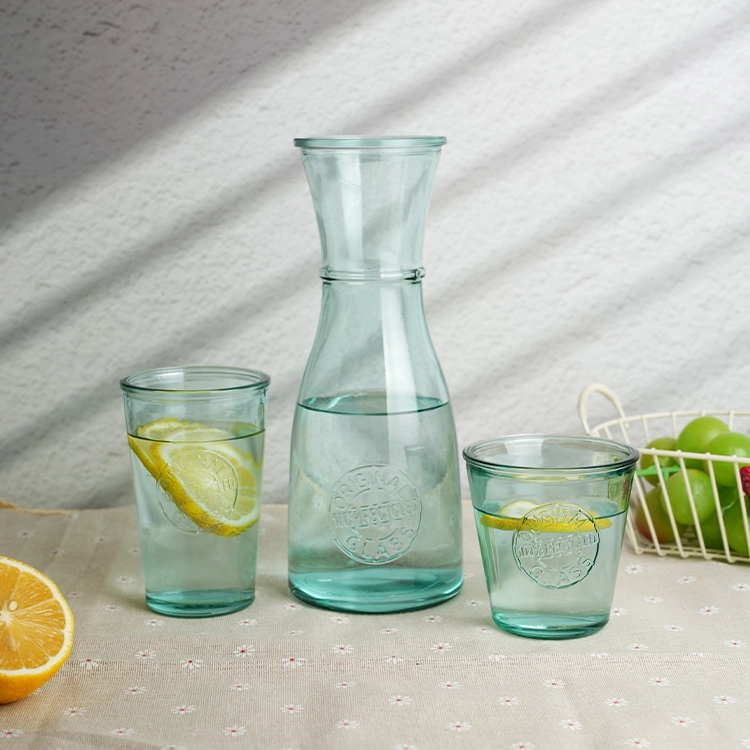
Example of LAKOTTO’s recycled glass drink set manufactured with sustainable processes.
Conclusion
Efficient glassware procurement in 2026 requires more than finding the cheapest quote. Buyers must evaluate suppliers on product diversity, quality certifications, production capacity, and communication reliability. LAKOTTO exemplifies how a professional glassware supplier can mitigate risks through a one-stop service model, robust QC, and partnerships with over 150 factories. By following the step-by-step framework outlined above, procurement teams can confidently source glass drinkware, glass mugs, wine glasses, glass jars, and other products while minimizing supply chain surprises. Ready to streamline your glassware sourcing? Contact LAKOTTO today for a consultation and sample request.
Get in Touch with LAKOTTO
Phone / WhatsApp: +86 19310185010
Email: cs61@kottoglass.com
Address: Room 1403, Building 1, Hongxiang Huayuan, NO.588, 1st Section of Liuyanghe Avenue, Mawangdui Street, Furong District, Changsha, Hunan, China