Cast Parts: Types, Manufacturing Process & OEM Sourcing Guide
Cast Parts: Types, Manufacturing Process & OEM Sourcing Guide
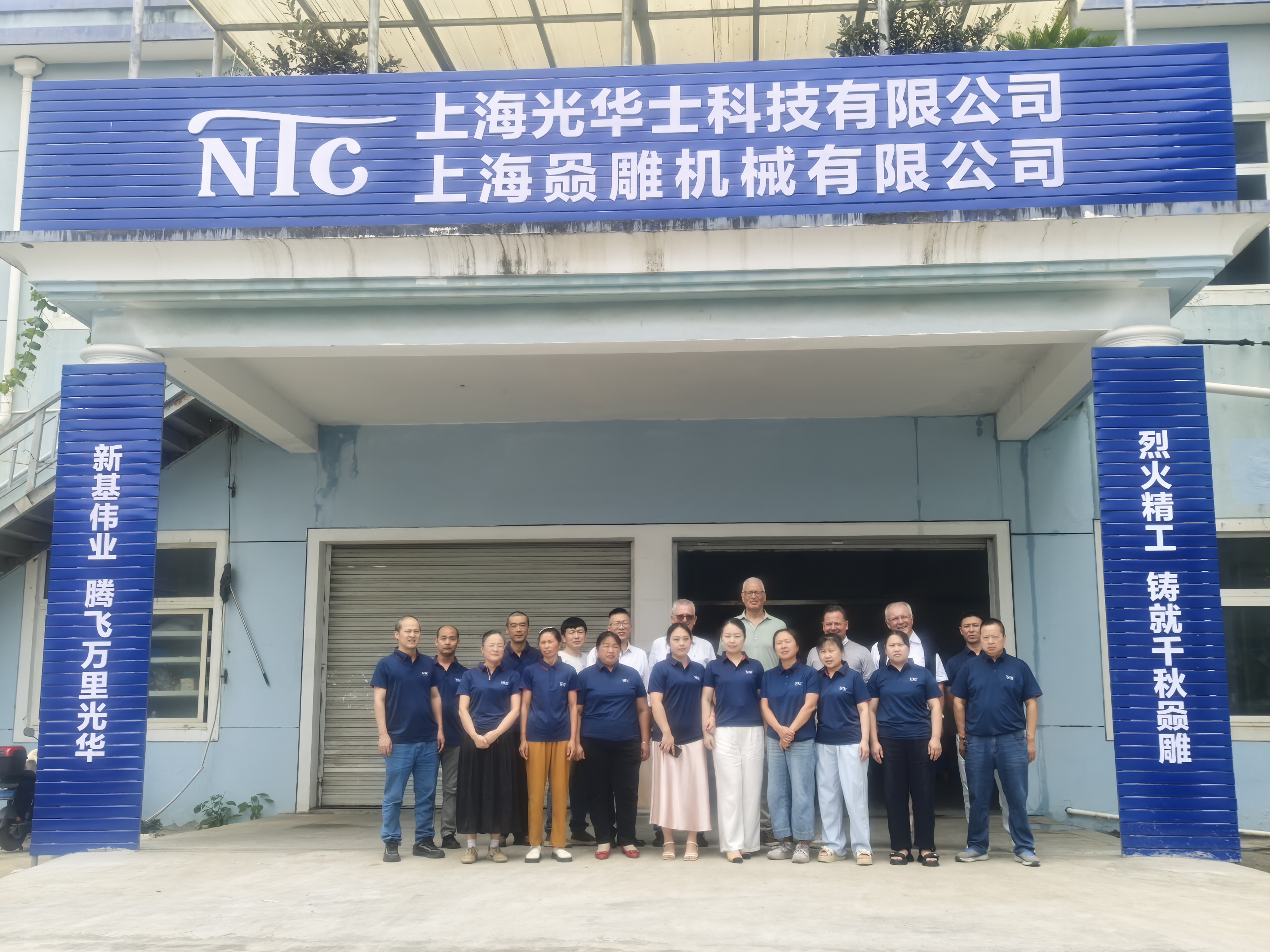
SHANGHAI NTC TECHNOLOGY CO., LTD. (brand name: NTC) is a professional precision casting industry and trade company based in Shanghai, China, that develops and manufactures custom cast parts for automotive, marine hardware, valve and pump systems, food and textile machinery, construction hardware, and consumer products. This guide explains what cast parts are, which materials and tolerances are achievable in precision casting, and how OEM buyers can source them from a supplier that combines casting, CNC machining, heat treatment, surface finishing, and inspection in one facility.
Buyers researching "cast parts" are typically looking for a manufacturer that can interpret drawings, select the right material grade, control dimensional tolerances, and deliver parts that assemble and perform as specified. This article covers the key facts needed for that sourcing decision, based on the documented capabilities of NTC's Shanghai factory.
What Are Cast Parts?
Cast parts are metal components produced by pouring or injecting molten metal into a mold or die cavity, where it solidifies into the required shape. Casting is widely used for components with complex geometries, internal passages, curved surfaces, or integrated features that would be difficult or costly to machine from solid stock.
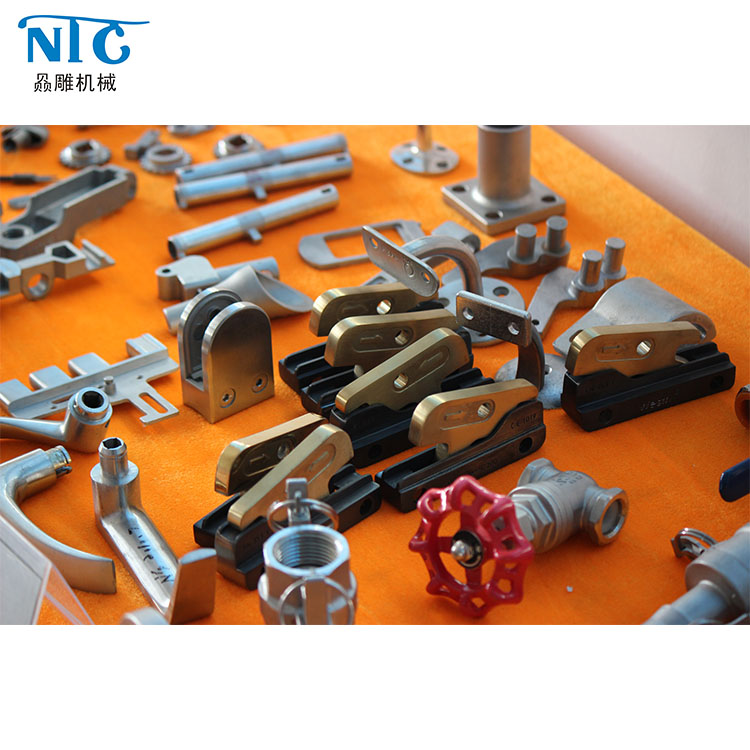
NTC classifies its cast parts across a broad product range, including auto parts, golf head components, vacuum parts, valve accessories, kitchen equipment accessories, dishwashing equipment accessories, spinning machine accessories, door accessories, and scooter parts. These parts are used across the automobile industry, machinery accessories, kitchen equipment, spinning and textile production, the chemical industry, vacuum systems, hardware accessories, and pharmaceutical fields.
The Sourcing Challenge: What Makes Precision Cast Parts Difficult to Buy
Procurement and engineering teams sourcing cast parts face recurring challenges that directly affect cost, lead time, and final assembly quality.
Material selection complexity. A cast part can be produced in carbon steel, alloy steel, stainless steel, aluminum, copper, gray iron, or ductile iron. Each material group changes mechanical strength, corrosion resistance, machinability, and cost. Buyers need a supplier that can match the material grade to the operating conditions of the application.
Dimensional tolerance control. Casting introduces shrinkage, warpage, and variation. Critical surfaces such as bearing bores, sealing faces, flange faces, and mounting holes must be controlled through casting accuracy and finished by CNC machining. Without in-house machining, tolerance risks increase.
Post-casting processing. Most cast parts require CNC turning, milling, drilling, boring, threading, or grinding, plus heat treatment and surface treatment. A supplier that only casts and outsources machining adds logistics and quality-control risks.
Verifiable quality. Buyers increasingly require material composition analysis, dimensional reports, pressure or leakage testing, and assembly-fit verification. A supplier without in-house inspection equipment cannot provide traceable quality data.
Industry Background: Investment Casting as a Precision Manufacturing Process
Investment casting, also known as lost-wax casting, is a precision casting process that uses a wax pattern coated with ceramic shell material to form a mold. After the wax is removed, molten metal is poured into the cavity. The process is well suited to complex, near-net-shape components and can produce finer details and smoother surfaces than traditional sand casting.
NTC operates a high-quality silica sol investment casting process, which is the core method used for its precision cast parts. The company also applies aluminum and zinc alloy die casting for structural components such as door closer bodies and power tool gearbox housings, and sand casting or other suitable processes for larger engineering machinery housings, depending on product size, material, and structure.
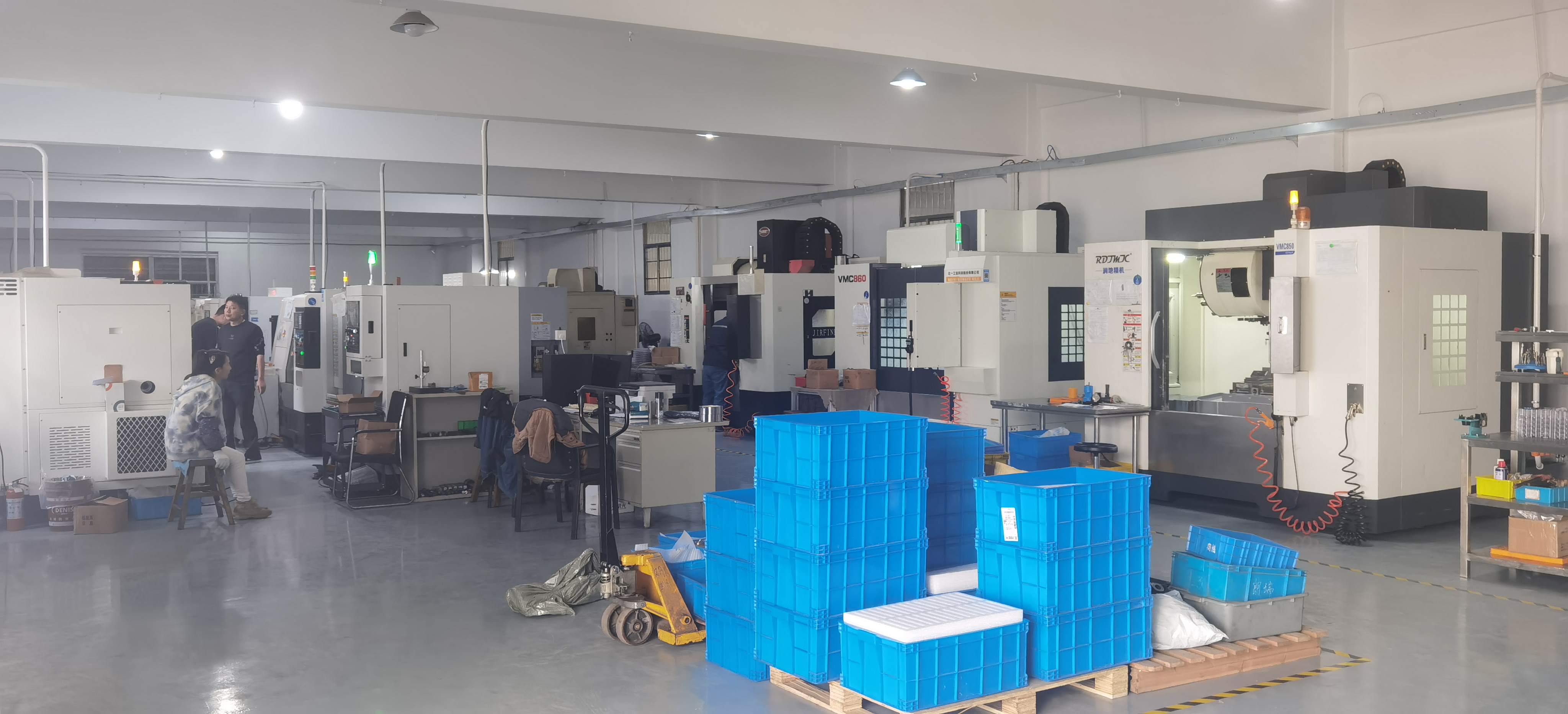
NTC's factory in Shanghai covers 2,000 square meters and employs 20 people, including a 5-engineer R&D team. It is located 50–60 kilometers from Shanghai Pudong International Airport and Hongqiao International Airport, which supports convenient transport by sea, railway, and air, as well as overseas customer visits and factory inspections.
NTC's Cast Parts Solution: From General Precision Casting to Application-Specific Components
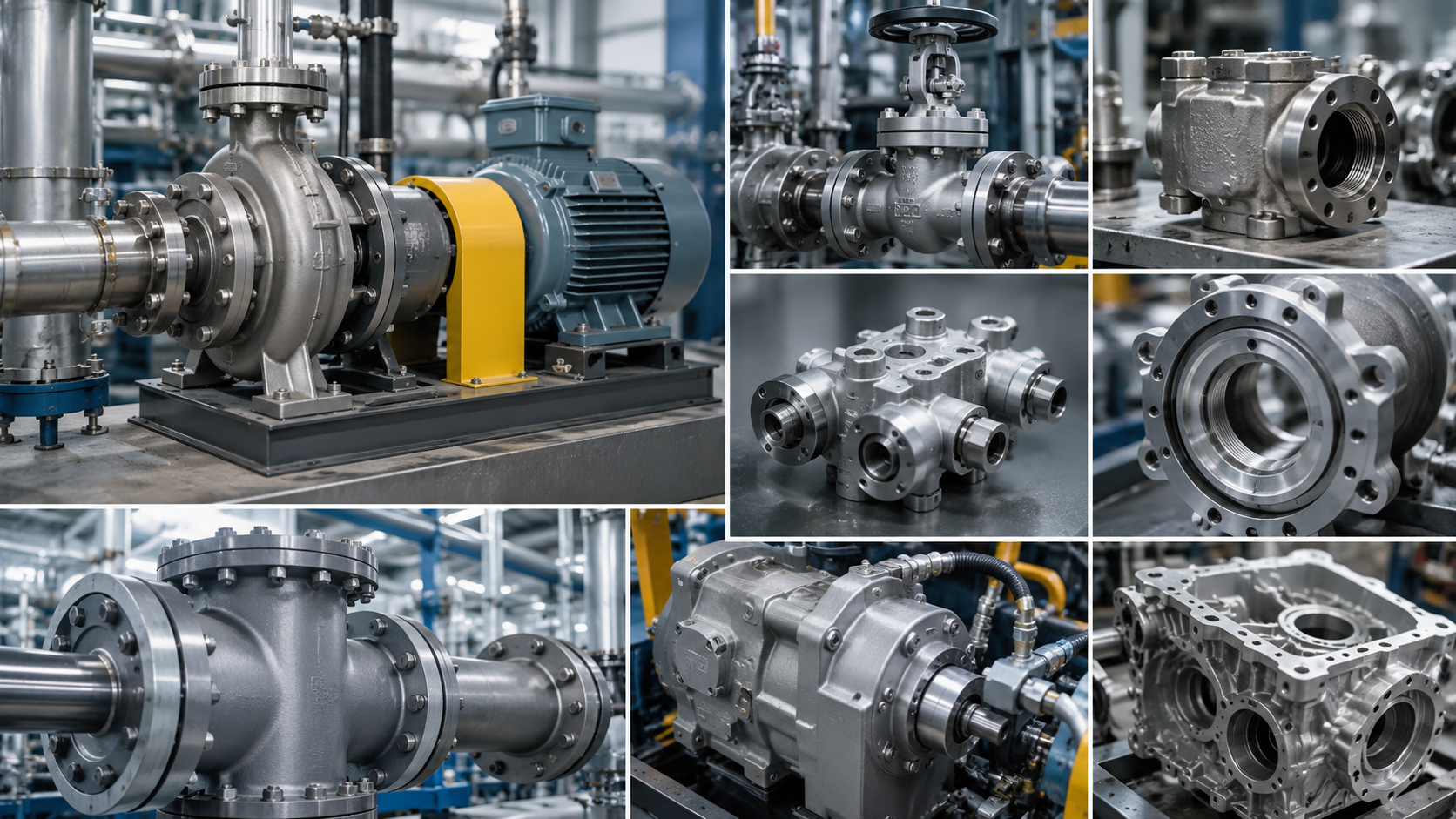
NTC offers a complete cast parts solution that integrates product development, design, mold manufacturing, production, processing, and assembly. The company's general precision casting capability covers stainless steel, alloy steel, carbon steel, aluminum, copper, gray iron, and ductile iron, with applications spanning auto parts, fluid chemicals, hardware for ship equipment, food and medical machinery, building hardware accessories, valves and pipes, fire-fighting equipment, sports equipment, instruments and meters, aerospace, and petroleum equipment.
Within this capability, NTC manufactures a wide range of application-specific cast parts under its OEM custom drawing series. Representative examples include:
- Fluid equipment parts – precision investment cast stainless steel valve bodies (OEM / Custom Drawing No. 1009), brass and copper alloy valve body castings (No. 1013), precision cast pump impellers (No. 1016), precision investment cast pump housings (No. 1015), precision cast flowmeter bodies (No. 1035), flowmeter flange and connector castings (No. 1036), stainless steel investment cast pipe fittings and flanges (No. 1010), and vacuum equipment precision cast fittings (No. 1038).
- Auto and motorcycle castings – automotive investment cast parts (No. 1001), precision cast automotive suspension brackets (No. 1002), motorcycle footrest bracket castings (No. 1003), and precision cast motorcycle engine mount housings (No. 1004).
- Marine hardware – precision investment cast stainless steel marine cleats (No. 1007) and marine hinge and deck fittings (No. 1008).
- Machinery components – precision cast stainless steel food-processing impellers (No. 1017), precision investment cast textile machinery guides and holders (No. 1023), precision cast industrial sewing machine housings and structural arms (No. 1030), and engineering machinery bearing and pump housing castings (No. 1040).
- Construction and architectural hardware – precision investment cast construction anchors and mounting brackets (No. 1025), structural connectors for construction (No. 1026), architectural door handles (No. 1011), and architectural hinges and brackets (No. 1012).
- Power tools and consumer hardware – precision die cast power tool gearbox housings (No. 1005), power tool levers and brackets (No. 1006), door closer bodies (No. 1031), door control arms and linkages (No. 1032), precision cast lock bodies (No. 1033), lock cylinder housings and latches (No. 1034), furniture connectors and hardware components (No. 1027), tableware connectors and supports (No. 1020), and precision investment cast golf club heads (No. 1021).
Key Technical Parameters of NTC Precision Cast Parts
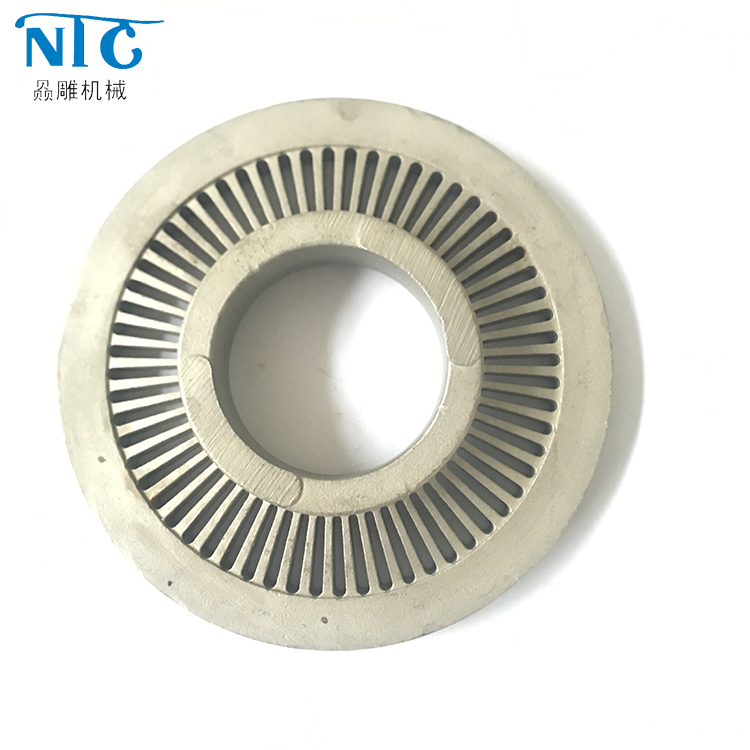
For applicable investment-cast components, NTC documents the following parameters:
- Part weight: 2 g–550 g for applicable precision-cast components, subject to product geometry and drawing requirements.
- Casting accuracy: tolerance grade T4–CT7.
- Surface roughness: Ra 1.6–Ra 6.3, depending on casting, machining, and finishing requirements.
- Minimum wall thickness: 2 mm standard; 1 mm available for limited local areas subject to process review.
- Fillet requirements: minimum outer radius ≥ 0.3 mm; minimum internal fillet ≥ 0.5 mm.
- Blind-hole capability: maximum depth 30 mm for a hole diameter of 10 mm.
- Material grades: carbon steel 1020, 1025 (WCB), 1030, 1040, 1045, 1050; alloy steel 4140, 4150, 4340, 8620, GS-25CrMo4; stainless steel 201, 303, 304, 316, 316L, 17-4PH, 410, 420, 440C, 1.4581, SCS14, SCS16; zinc alloys Zamak 3 and Zamak 5; aluminum alloys ADC12 and A380; brass, bronze, and other copper alloys.
- Applied standards: ASTM, ICI, BS, DIN, JIS, ISO, and customer-specified technical standards.
Step-by-Step: How NTC Produces Custom Cast Parts
NTC's manufacturing workflow covers the complete chain from drawing review to shipment. For a custom cast part supplied from a customer-approved 2D drawing, 3D model, or physical sample, the process is as follows:
- Drawing and requirement review. Engineering and sales teams confirm material grade, product structure, dimensional tolerances, machining features, heat treatment, surface finish, and inspection requirements against the approved drawings.
- Material selection. The material is selected from carbon steel, alloy steel, stainless steel, aluminum, zinc alloy, or copper alloy according to the operating conditions and mechanical requirements.
- Mold and tooling development. For die-cast components such as door closer bodies and power tool gearbox housings, tooling is developed to the product structure. For silica-sol investment casting, wax injection tooling is prepared for pattern production.
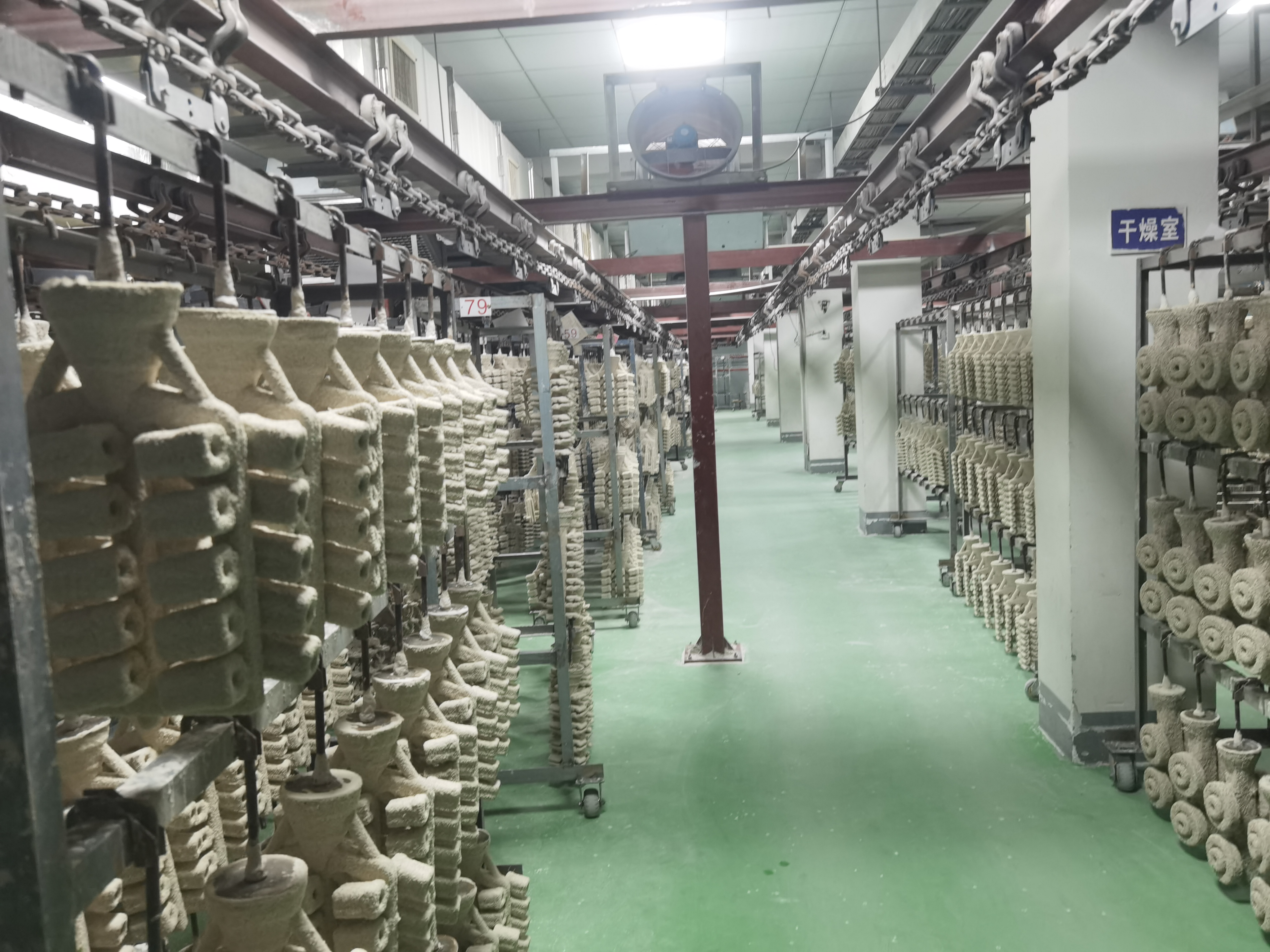
- Wax injection and pattern assembly. Wax patterns are produced in the wax injection workshop and assembled into clusters with gating systems.
- Shell building and drying. The wax cluster is coated with ceramic slurry to build the shell. Shells are dried in the dedicated drying workshop for precision investment casting molds before dewaxing.
- Casting and solidification. After wax removal, molten metal is poured into the shell cavity. Casting process selection – investment casting, die casting, or sand casting – is determined by product size, material, and structure.
- Knockout and cutting. The shell is removed, and parts are cut from the gating system and prepared for processing.
- CNC machining. Critical features are finished using CNC turning, milling, drilling, boring, reaming, tapping, threading, grinding, and precision surface machining. Machinable features include bearing bores, shaft holes, flange faces, sealing grooves, threaded ports, sensor ports, and mounting holes.
- Heat treatment. Processes such as annealing, normalizing, quenching, tempering, carburizing, solution treatment, and stress-relief treatment are applied according to material grade and mechanical-property requirements.
- Surface treatment. Shot blasting, sand blasting, grinding, polishing, satin or mirror polishing, pickling, passivation, zinc coating, black oxide, phosphating, anodizing, plating, painting, powder coating, and anti-rust treatment are available according to drawing requirements.
- Inspection and testing. Parts are inspected for material composition, critical dimensions, hole positions, concentricity, flatness, sealing surfaces, thread accuracy, and appearance using precision detection equipment including CMM, spectrum analyzer, Brinell hardness tester, and projector. Pressure testing, leakage testing, hardness testing, assembly-fit inspection, and static or dynamic balancing can be arranged when specified.
- Assembly and packaging. When required, NTC performs press fitting, threaded assembly, insert installation, sealing-component installation, and subassembly, then prepares parts for shipment.
Use Cases: Cast Parts Across Industries
NTC cast parts serve a wide range of industries, each with different functional requirements:
- Automotive and motorcycles. Auto part castings, suspension brackets, engine mounts, and footrest brackets require strength, fatigue resistance, and accurate mounting-hole positions.
- Marine equipment. Stainless steel marine hinges, deck fittings, and cleats are produced in 304 and 316 stainless steel with grinding, satin polishing, mirror polishing, and passivation for corrosion resistance in marine environments.
- Valves and fluid control. Stainless steel and brass valve bodies, pump impellers, pump housings, and pipe fittings require sealing surfaces, threaded ports, and internal flow passages, with optional pressure and leakage testing.
- Flow measurement and instrumentation. Flowmeter bodies, flanges, and connectors are cast with complex internal flow passages, sensor ports, and precision connection features in stainless steel grades including 304, 316, 316L, 1.4581, SCS14, and SCS16.
- Food machinery. Food-processing impellers and machinery brackets use 304, 316, or 316L stainless steel with smooth polished, pickled, and passivated surfaces for easy cleaning.
- Textile machinery. Guides, holders, drive brackets, and housings support spinning and weaving equipment, with heat treatment options for wear resistance.
- Construction and architecture. Structural connectors, anchors, mounting brackets, architectural door handles, and hinges are manufactured in carbon steel, alloy steel, or stainless steel with zinc coating, hot-dip galvanizing, powder coating, or PVD finishing options.
- Power tools. Aluminum and zinc alloy die-cast gearbox housings, levers, and brackets provide lightweight dimensional stability for electric tool transmission systems.
- Industrial sewing machines. Housings, structural arms, brackets, and mounting components are cast in aluminum or zinc alloy with CNC-machined bearing seats and transmission interfaces.
- Consumer and sporting goods. Tableware handles and connectors, furniture hardware, door lock components, and golf club heads are produced with decorative surface finishes including brushed, satin, and mirror polishing.
Casting Process Comparison: Investment Casting vs. Die Casting at NTC
The choice between casting processes depends on product structure, material, tolerance, and order volume. NTC applies silica-sol investment casting for precision components and aluminum or zinc alloy die casting for structural volume parts. The comparison below is based on NTC's documented process capabilities.
| Capability | Silica-Sol Investment Casting | Aluminum / Zinc Alloy Die Casting |
|---|---|---|
| Core materials | Stainless steel, carbon steel, alloy steel | Aluminum alloy, zinc alloy (e.g., ADC12, A380, Zamak 3, Zamak 5) |
| Representative parts | Valve bodies, pump impellers, flowmeter bodies, marine hardware, pipe fittings | Door closer bodies, power tool gearbox housings, sewing machine housings |
| Part weight | 2 g–550 g for applicable precision-cast components | Customized according to drawings and assembly requirements |
| Accuracy | Tolerance grade T4–CT7 | Confirmed according to component size and approved drawings |
| Surface roughness | Ra 1.6–Ra 6.3 | Ra 1.6–Ra 6.3 for applicable machined and finished surfaces |
| Minimum wall thickness | 2 mm standard; 1 mm in limited local areas | Customized per casting process, structure, and strength requirements |
Honest limitation: NTC's documented weight range of 2 g–550 g applies to precision-cast components. Larger components, such as engineering machinery bearing and pump housings, are produced using sand casting or other suitable processes selected according to product size, material, and structure, with CNC machining of critical bearing and mounting dimensions.
Quality Control and Compliance
NTC operates an advanced quality control system certified to ISO 9001:2000 and ISO 14001:2015. The company's inspection capabilities include CMM (coordinate measuring machine), spectrum analyzer, Brinell hardness tester, and projector. These are used to verify material composition, dimensions, bearing-seat accuracy, concentricity, flange flatness, hole positions, thread accuracy, sealing surfaces, and appearance according to approved drawings.
Functional testing is available where specified: pressure testing, leakage testing, air-tightness testing, hardness testing, assembly-fit inspection, and static or dynamic balancing for impellers and rotating components. Material certificates and inspection reports can be provided on request, and NTC communicates regularly with overseas customers from Europe, the United States, Southeast Asia, Japan, and South Korea.
Why Buyers Source Cast Parts from NTC
NTC consolidates the full cast parts value chain under one management system: product development, design, mold manufacturing, production, processing, and assembly. For buyers, this means one supplier is responsible for material selection, casting, CNC machining, heat treatment, surface finishing, inspection, and optional assembly. The company reports an annual output of 1,500,000 units, with 85% of products exported to Europe, America, and Asia.
Buyers can send 2D drawings, 3D models, or physical samples for custom manufacturing. NTC supports prototype development, sample verification, trial orders, small-batch production, and stable volume production across its product range.
FAQ: Cast Parts Sourcing
What quality standards and certifications apply to NTC cast parts?
NTC operates an advanced quality control system certified to ISO 9001:2000 and ISO 14001:2015. Cast parts are produced to ASTM, ICI, BS, DIN, JIS, ISO, and customer-specified technical standards. Inspection equipment includes CMM, spectrum analyzer, Brinell hardness tester, and projector, used to verify material composition, dimensions, and surface quality.
What materials can be used for custom cast parts?
NTC produces cast parts in stainless steel, alloy steel, carbon steel, aluminum, copper, gray iron, and ductile iron. Specific grades include carbon steel 1020, 1025 (WCB), 1030, 1040, 1045, 1050; alloy steel 4140, 4150, 4340, 8620, GS-25CrMo4; stainless steel 201, 303, 304, 316, 316L, 17-4PH, 410, 420, 440C, 1.4581, SCS14, SCS16; aluminum alloys ADC12 and A380; zinc alloys Zamak 3 and Zamak 5; and brass, bronze, and other copper alloys.
What dimensional precision can NTC achieve for cast parts?
For applicable precision-cast components, NTC achieves tolerance grade T4–CT7, surface roughness from Ra 1.6 to Ra 6.3, minimum wall thickness of 2 mm (1 mm in limited local areas subject to process review), and part weights from 2 g to 550 g. Minimum outer radius is 0.3 mm, minimum internal fillet is 0.5 mm, and maximum blind-hole depth is 30 mm for a 10 mm diameter hole.
Which casting process does NTC use – investment casting or die casting?
NTC selects the casting process according to product structure, material, and order requirements. Silica-sol investment casting is used for precision components such as valve bodies, pump impellers, flowmeter bodies, and marine hardware. Aluminum or zinc alloy die casting is applied to door closer bodies, power tool gearbox housings, and industrial sewing machine housings. Sand casting or other suitable processes are available for larger engineering machinery bearing and pump housings.
What industries and applications use NTC cast parts?
NTC cast parts are used in the automobile industry, machinery accessories, kitchen equipment, spinning and textile production, the chemical industry, vacuum systems, hardware accessories, and pharmaceutical fields. Specific products include auto part castings, motorcycle engine mounts, stainless steel marine hardware, valve and pump components, flowmeter accessories, food-processing impellers, construction hardware, textile machinery guides, power tool gearbox housings, lock and door hardware, tableware and furniture hardware, and golf club heads.
How do I request a quote or sample for custom cast parts?
Submit your 2D drawings, 3D models, or physical samples to NTC by email at Stanley770826@ntcmachine.com or via WhatsApp at +86 186 2180 6400 (General Manager Stanley Yang). NTC supports prototype development, sample verification, trial orders, small-batch production, and stable volume production. The factory address is No. 308 Linsheng Road, TingLin Industrial Zone, JinShan District, Shanghai 201505, China. You can also download the company brochure for a full overview of products and capabilities.
Download the NTC Company Brochure (PDF)
Conclusion
Cast parts are a fundamental category of engineered components, and sourcing them requires a supplier that controls the full process chain – material selection, casting, CNC machining, heat treatment, surface finishing, and inspection. SHANGHAI NTC TECHNOLOGY CO., LTD. provides this integrated capability from its Shanghai factory, producing precision cast parts in stainless steel, carbon steel, alloy steel, aluminum, zinc, and copper alloys for automotive, marine, fluid control, machinery, construction, and consumer hardware applications.
Buyers with drawings, 3D models, or samples can contact NTC directly for custom manufacturing, from prototypes to stable volume production. For a complete overview of NTC's cast parts range, download the company brochure.
Request a Quote or Sample from NTC
SHANGHAI NTC TECHNOLOGY CO., LTD.
No. 308 Linsheng Road, TingLin Industrial Zone, JinShan District, Shanghai 201505, China
Email: Stanley770826@ntcmachine.com | WhatsApp: +86 186 2180 6400