
Cast Parts: Types, Processes, and Custom Manufacturing Guide
Cast Parts: Types, Processes, and Custom Manufacturing Guide
How investment-cast and die-cast components are engineered, produced, and qualified for automotive, marine, food, fluid, and architectural applications.
What Are Cast Parts?
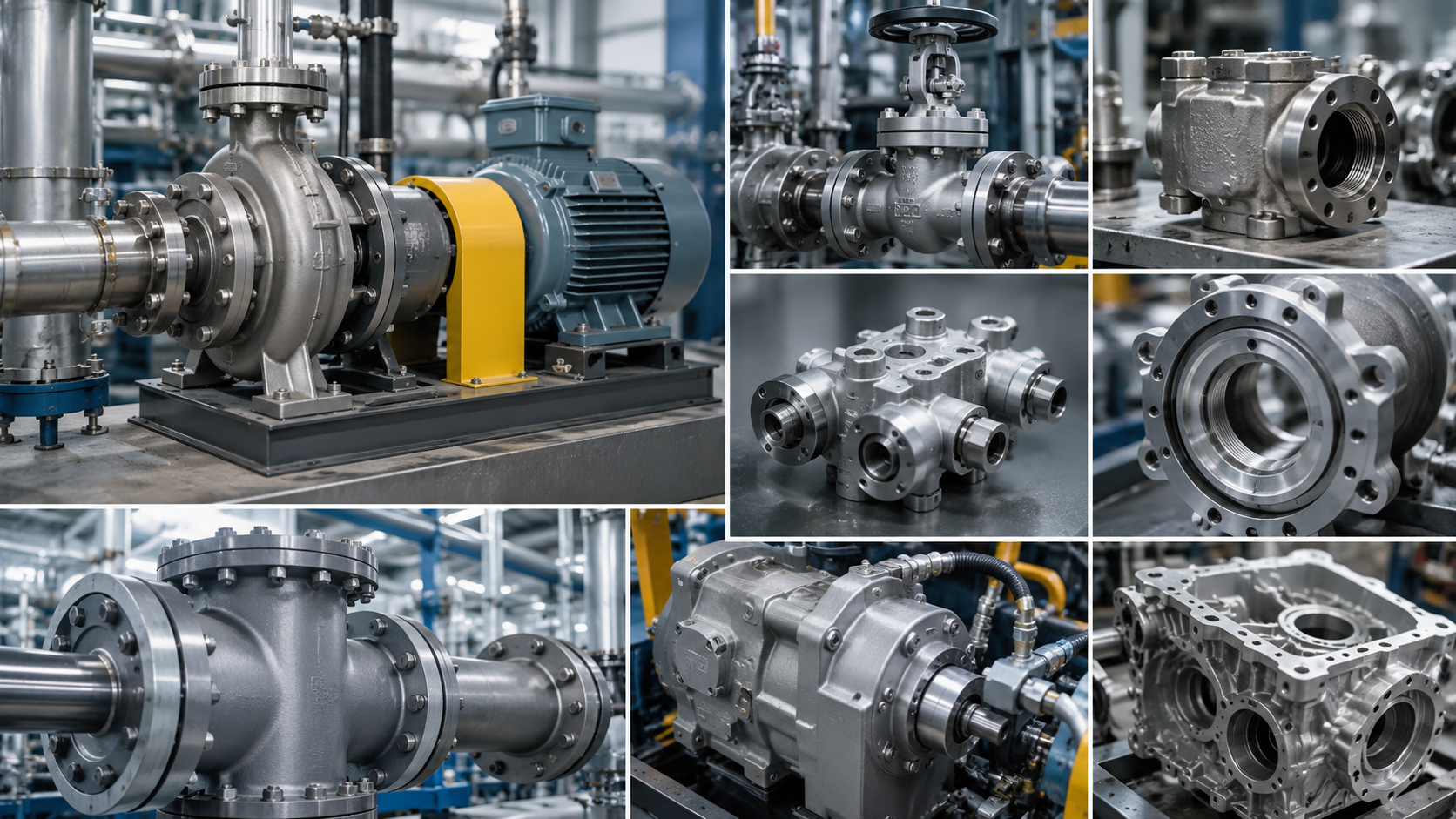
SHANGHAI NTC TECHNOLOGY CO., LTD. (NTC) is a precision casting industry and trade company in Shanghai, China, that provides product development, design, mold manufacturing, production, processing, and assembly for custom cast parts. A cast part is a metal component produced by pouring molten metal into a mold or die cavity, allowing it to solidify, and then finishing it to meet dimensional, mechanical, and surface requirements.
Cast parts are used in automobiles, machinery accessories, kitchen and spinning equipment, chemical and vacuum systems, hardware accessories, and pharmaceutical equipment. Because the geometry, material grade, and finishing of a cast part are defined by the application, most cast parts are custom-manufactured rather than selected from a standard catalog.
This guide covers the cast-parts categories that buyers research during the early sourcing stage: what processes are available, what materials and tolerances are realistic, how a custom casting project moves from drawing to production, and what to look for in a casting supplier.
The Sourcing Problem for Custom Cast Parts
Procuring cast parts is different from buying standard components. The buyer usually has an approved drawing, a 3D model, or a physical sample, and the part must fit into a larger assembly with specific mounting holes, sealing surfaces, threads, and tolerances. The manufacturing challenge is that castings often combine complex internal passages, thin wall sections, curved blade profiles, or integrated hinge and bracket structures that cannot be produced by machining alone.
The core sourcing problem is therefore process and supplier capability. Buyers need a supplier that can select the correct casting process, choose an appropriate material grade, perform CNC machining on critical features, apply heat treatment and surface treatment, and inspect the finished part against the drawing. Industries with this need include automotive chassis and suspension systems, engineering machinery hydraulics, marine deck hardware, food-processing machinery, flow instrumentation, door and lock systems, textile machinery, and industrial sewing machines.
Industry Background: Investment Casting and Precision Casting
Investment casting, also known as lost-wax casting, is a precision casting process that can produce complex metal components with good dimensional consistency. NTC's main casting process is silica-sol investment casting, a variant that uses a silica-sol binder system for the ceramic shell. The process suits parts with complicated geometry and integrated structures, such as valve bodies, impellers, hinges, levers, and housings.
NTC was founded in 2022 and is located in Shanghai, China. The factory covers 2,000 square meters and has 20 employees, including a research and development team of 5 engineers. Annual output is 1,500,000 units, and approximately 85% of production is exported to Europe, America, and Asia. The site is 50–60 kilometers from Shanghai Pudong Airport and Hongqiao International Airport, with convenient access by sea, railway, and air transport.
NTC's Solution: Integrated Custom Cast Parts Manufacturing
NTC is a build-to-print custom casting supplier. The company manufactures cast parts according to customer-approved 2D drawings, 3D models, or physical samples, with full non-standard OEM customization supported. The service scope covers material selection, casting process selection, CNC machining, heat treatment, surface treatment, inspection, and assembly, which reduces sourcing complexity for customers who would otherwise manage multiple suppliers.
Material options
- Carbon steel: 1020, 1025 (WCB), 1030, 1040, 1045, 1050
- Alloy steel: 4140, 4150, 4340, 8620, GS-25CrMo4, 42CrMo
- Stainless steel: 201, 303, 304, 316, 316L, 17-4PH, 410, 420, 440C, 1.4581, SCS14, SCS16
- Copper alloys: brass, bronze, and customer-specified copper alloys
- Aluminum and zinc alloys for die-cast housings
Manufacturing and finishing capabilities
- Casting processes: silica-sol investment casting; aluminum alloy and zinc alloy die casting; brass and copper alloy casting
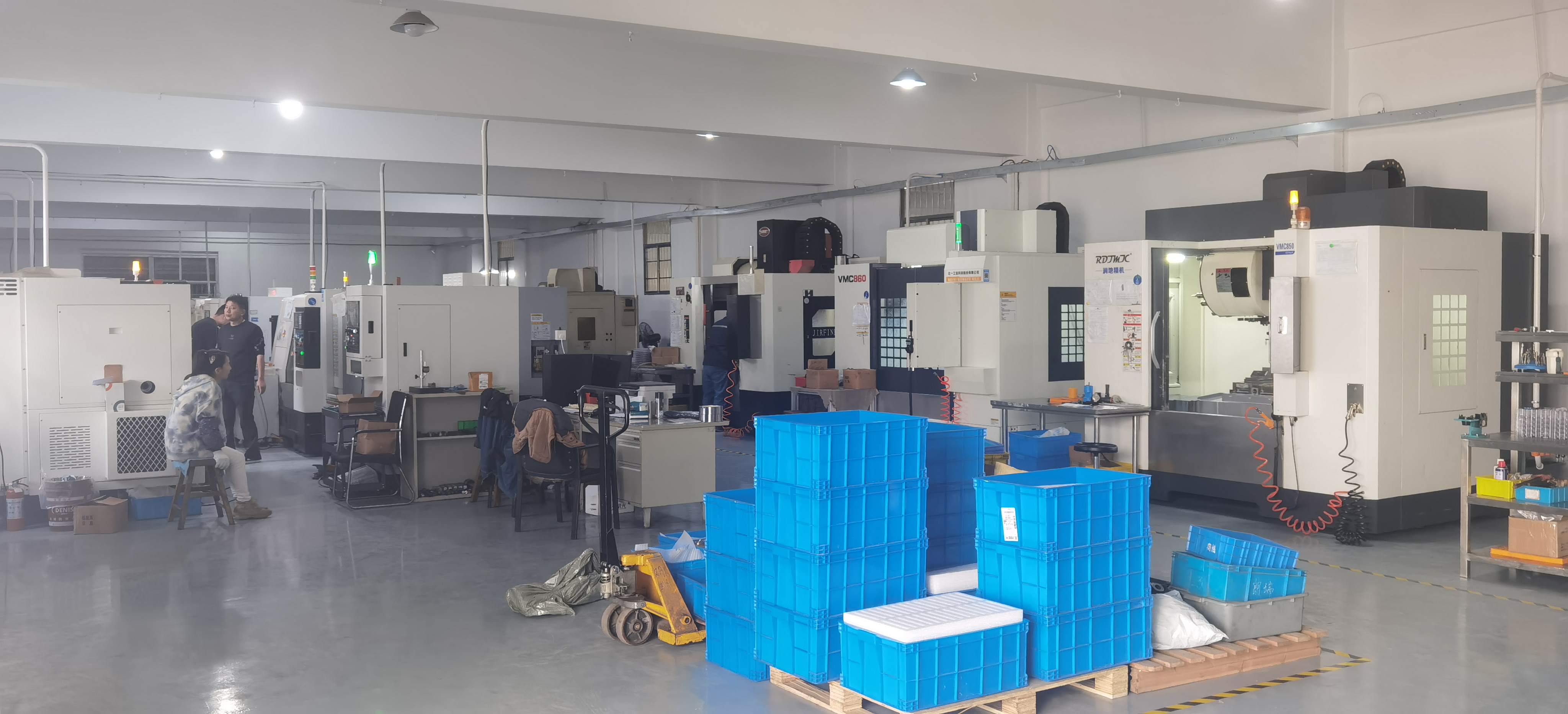
- CNC machining: turning, milling, drilling, boring, reaming, tapping, grinding, and precision surface machining
- Thread options: Metric, BSP, BSPT, NPT, UNF, and customer-specified standards
- Heat treatment: annealing, normalizing, quenching, tempering, carburizing, and solution treatment
- Surface treatment: shot blasting, sand blasting, black oxide, phosphating, passivation, pickling, polishing, mirror polishing, electropolishing, painting, powder coating, plating, anodizing, and PVD coating
- Functional testing: pressure testing, air-tightness testing, hydraulic leak testing, assembly-fit inspection, and static or dynamic balancing when specified
Quality system and inspection
NTC states that it operates advanced quality control systems documented as ISO 9001:2000 and ISO 14001:2015. Detection equipment includes CMM, a spectrum analyzer, a Brinell hardness tester, and a projector. Inspection items cover material composition, dimensions, port positions, thread accuracy, concentricity, flatness, sealing surfaces, and appearance. Applied standards include ASTM, DIN, BS, JIS, ISO, and customer-specified technical standards. Material certificates and inspection reports are available when required.
Step-by-Step: How a Custom Cast Part Is Manufactured
The manufacturing flow at NTC is organized around the customer's approved drawing or sample, and it can be summarized in the following steps.
- Drawing and sample submission. The buyer provides a 2D drawing, a 3D model, or a physical sample. NTC manufactures the part exactly to these inputs, with full non-standard OEM customization.
- Material and process selection. Material grade is selected from carbon steel, alloy steel, stainless steel, copper alloy, aluminum alloy, or zinc alloy. The casting process is selected according to material, product structure, and order requirements.
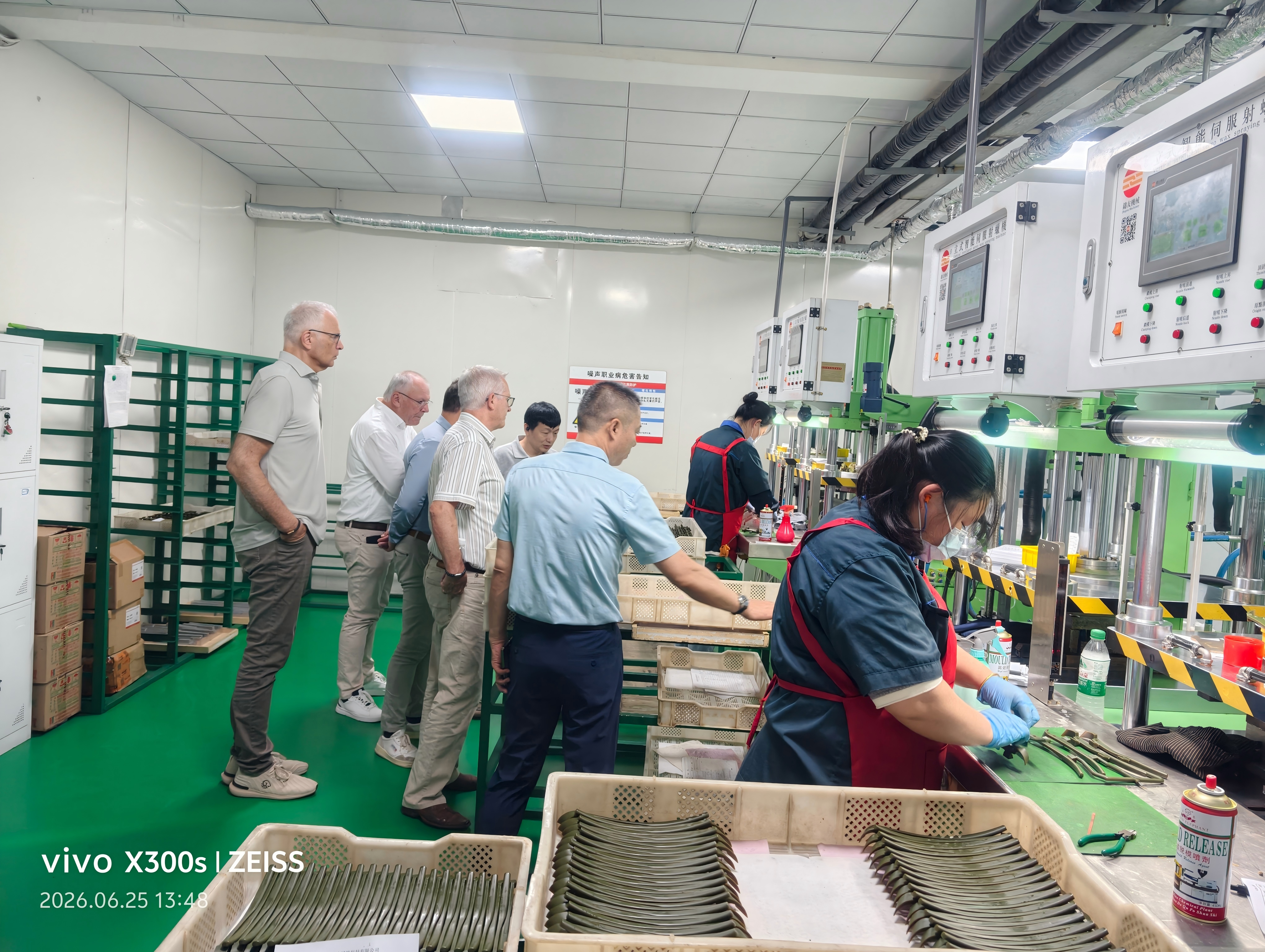
- Tooling and wax pattern. For investment casting, tooling is used to produce wax patterns. NTC supports in-house mold manufacturing as part of its product development and design service.
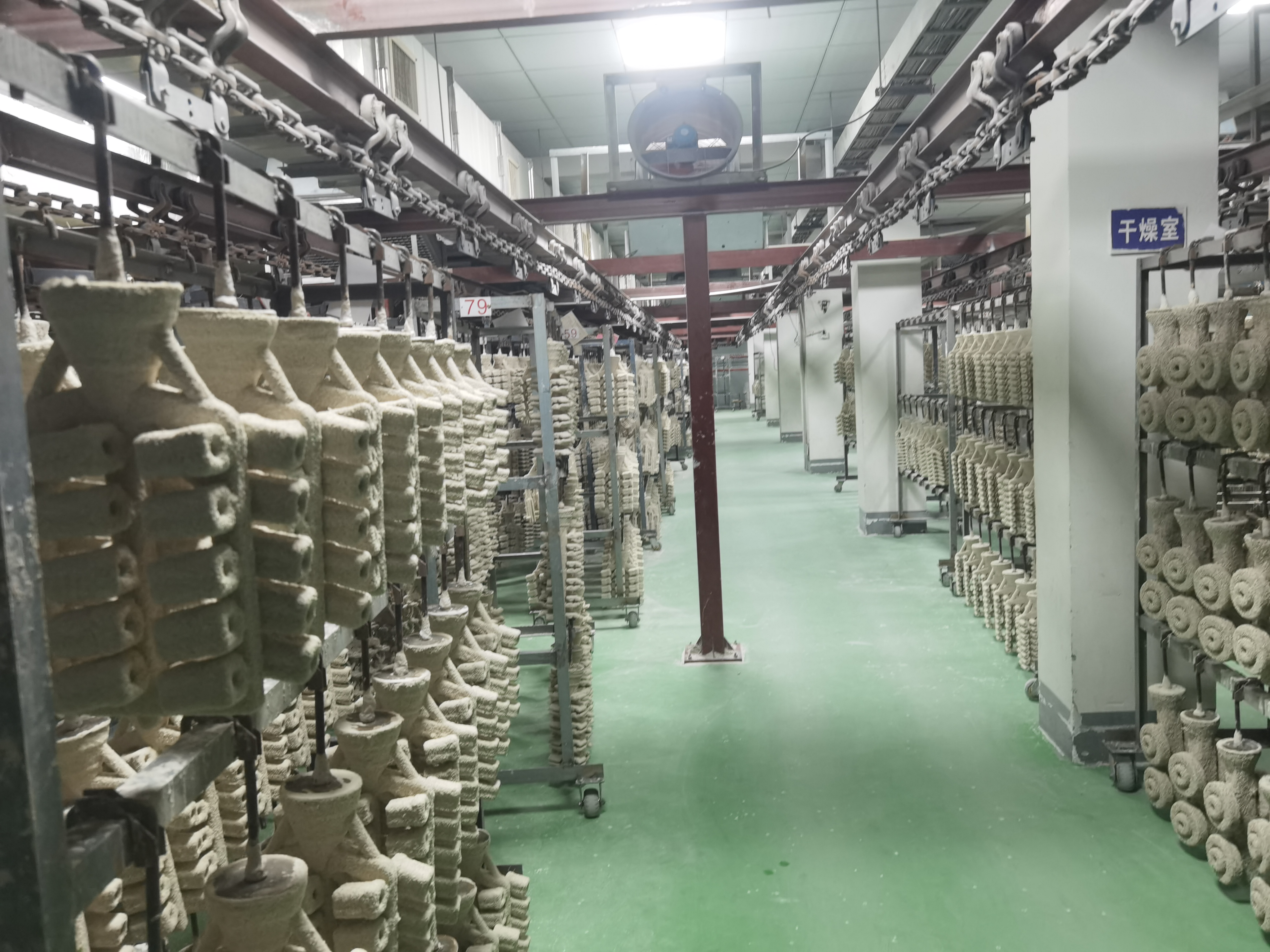
- Shell building and drying. Wax patterns are coated with ceramic shell material. The drying workshop at the NTC factory is dedicated to precision investment casting molds.
- Casting. The shell is dewaxed and molten metal is poured to form the part. Silica-sol investment casting produces the near-net-shape geometry.
- CNC machining. Critical features such as hydraulic ports, threaded holes, valve bores, flange faces, sealing surfaces, bearing seats, and mounting holes are finished by CNC turning, milling, drilling, boring, reaming, tapping, or grinding.
- Heat treatment. Annealing, normalizing, quenching, tempering, carburizing, or solution treatment is applied according to material and mechanical property requirements.
- Surface treatment. Shot blasting, polishing, passivation, plating, painting, powder coating, and other finishes are applied to meet corrosion, wear, or appearance requirements.
- Inspection and testing. Material composition, critical dimensions, thread accuracy, sealing surfaces, and appearance are inspected. Pressure testing, air-tightness testing, hydraulic leak testing, or assembly-fit inspection can be arranged when specified.
- Prototype, trial order, and volume production. NTC supports prototype development, sample verification, trial orders, small-batch orders, and stable volume production.
Cast Parts Use Cases by Industry
NTC's production series includes auto parts, golf heads, vacuum parts, valve accessories, kitchen equipment accessories, dishwashing equipment accessories, spinning machine accessories, door accessories, and scooter parts. The following use cases map common cast-parts categories to NTC products.
Automobile and motorcycle castings
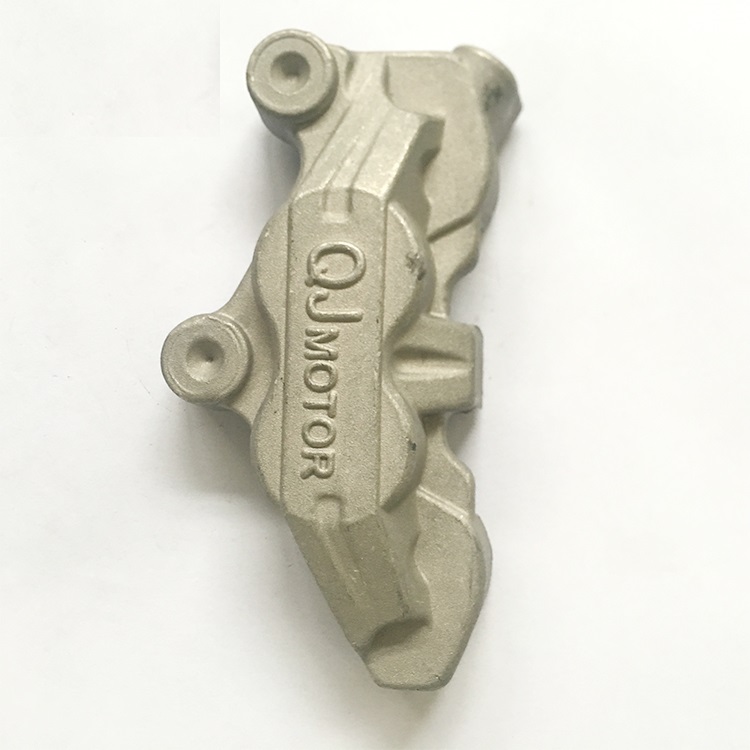
NTC produces automotive investment cast parts, precision cast automotive suspension brackets, motorcycle footrest brackets, and motorcycle engine mount housings. These parts are manufactured in carbon steel, stainless steel, or alloy steel according to structural and mechanical property requirements, with CNC drilling and milling of mounting holes and connection faces.
Power tool components
Precision investment cast power tool levers and brackets, and precision die cast power tool gearbox housings, are available for power tool manufacturing. Aluminum alloy and zinc alloy die casting provide lightweight housings with good dimensional stability for batch production.
Stainless steel marine hardware
NTC manufactures stainless steel marine hinges, deck fittings, marine cleats, and connection hardware. Material options include austenitic stainless steel 201, 304, 316, 316L, and other customer-specified grades, with satin polishing, mirror polishing, and passivation available for marine durability.
Architectural and daily-use hardware
Stainless steel architectural door handles, hinges, brackets, lock cylinder housings, and latch castings are produced for door and window systems, commercial buildings, and access control hardware. PVD coating and decorative finishes are available on applicable products.
Copper alloy castings
Brass and copper alloy valve bodies, fluid-control connectors, and conductive electrical connector components are cast in brass, bronze, or customer-specified copper alloys. Copper alloys provide good machinability, corrosion resistance, and fluid-control performance.
Fluid equipment parts
Stainless steel investment cast valve bodies, pipe fittings, flanges, pump housings, and pump impellers serve valve manufacturing, industrial piping, and fluid transfer systems. Pressure testing and leakage testing can be arranged when specified.
Food machinery and tableware hardware
Precision cast stainless steel food-processing impellers, food machinery brackets and fittings, tableware handles, connectors, and supports are manufactured for food-processing machinery, catering equipment, and household products. Surface options include satin polishing, mirror polishing, pickling, and passivation.
Sport facility and leisure equipment
Sports equipment joint connector castings and precision investment cast golf club heads are produced for fitness equipment, sports facilities, and golf equipment manufacturing. Load-bearing dimensions and appearance are inspected according to customer requirements.
Construction and furniture hardware
Precision investment cast construction anchors, mounting brackets, structural connectors, furniture connectors, hinges, and locking hardware are available for building systems, prefabricated construction, and furniture manufacturing.
Industrial sewing machine and textile machinery parts
NTC produces industrial sewing machine housings, structural arms, brackets, textile machinery guides, holders, drive brackets, and housings. Investment casting and die casting are selected according to component size, weight, and structural requirements.
Engineering machinery and general mechanical parts
Engineering machinery hydraulic valve body castings, bearing and pump housings, custom precision cast mechanical housings, flowmeter bodies, flanges, and connectors are manufactured for construction machinery, hydraulic systems, instrumentation, and general industrial equipment.
Casting Process Selection: How NTC Matches a Process to a Part
NTC selects the casting process according to material, product structure, and order requirements. The table below summarizes the processes used in NTC's product range.
| Casting process | Typical NTC applications | Key characteristics |
|---|---|---|
| Silica-sol investment casting | Hydraulic valve bodies, pump impellers, vacuum pipe clamps, stainless steel valve bodies, pipe fittings and flanges, marine hinges, architectural hinges, lock components, flowmeter connectors | Tolerance grade T4–CT7; surface roughness Ra 1.6–Ra 6.3; applicable part weight 2 g–550 g; suited to complex internal passages and integrated structures |
| Aluminum / zinc alloy die casting | Power tool gearbox housings, door closer bodies, industrial sewing machine housings and structural arms | Lightweight housings with good dimensional stability; CNC machining of bearing bores, threaded holes, and mounting surfaces |
| Brass / copper alloy casting | Valve bodies, fluid-control connectors, electrical connector components | Copper alloys provide good machinability and corrosion resistance; threaded ports, valve stem holes, and sealing surfaces CNC-finished |
| CNC machining of cast blanks | Critical bores, threads, flange faces, sealing grooves, and mounting holes on cast parts | CNC turning, milling, drilling, boring, reaming, tapping, and grinding; Metric, BSP, BSPT, NPT, and UNF threads |
Frequently Asked Questions
1. What quality systems and inspection standards apply to NTC cast parts?
NTC operates quality control systems documented as ISO 9001:2000 and ISO 14001:2015. NTC's detection equipment includes CMM, a spectrum analyzer, a Brinell hardness tester, and a projector. Inspection covers material composition, dimensions, thread accuracy, concentricity, flatness, sealing surfaces, and appearance. Applied standards include ASTM, DIN, BS, JIS, ISO, and customer-specified technical standards. Material certificates and inspection reports are available when required, and functional testing such as pressure testing or leakage testing can be arranged when specified.
2. Which casting processes and materials can NTC use for custom cast parts?
NTC can use silica-sol investment casting, aluminum alloy or zinc alloy die casting, and brass or copper alloy casting. Material options include carbon steel (1020, 1025/WCB, 1030, 1040, 1045, 1050), alloy steel (4140, 4150, 4340, 8620, GS-25CrMo4, 42CrMo), stainless steel (201, 303, 304, 316, 316L, 17-4PH, 410, 420, 440C, 1.4581, SCS14, SCS16), brass, bronze, and aluminum or zinc alloys. CNC turning, milling, drilling, boring, reaming, tapping, and grinding are available for critical features.
3. What sizes, weights, and tolerances can NTC achieve for cast parts?
For applicable precision-cast components, single-piece weight ranges from 2 g to 550 g, casting accuracy is tolerance grade T4–CT7, surface roughness is Ra 1.6–Ra 6.3, minimum wall thickness is 2 mm standard (1 mm for limited local areas subject to process review), minimum outer radius is 0.3 mm, minimum internal fillet is 0.5 mm, and maximum blind-hole depth is 30 mm for a 10 mm hole diameter. Larger components are subject to product structure and process review.
4. Can NTC produce cast parts for automotive, marine, food, and other industries?
Yes. NTC's production series includes auto parts, golf heads, vacuum parts, valve accessories, kitchen equipment accessories, dishwashing equipment accessories, spinning machine accessories, door accessories, and scooter parts. Example castings include automotive suspension brackets, motorcycle footrest brackets and engine mount housings, stainless steel marine hinges and deck fittings, architectural door handles and hinges, lock cylinder housings and latches, food-processing impellers, tableware handles, flowmeter flanges and connectors, hydraulic valve bodies, and textile or sewing machine components. The application scope covers auto parts, fluid chemicals, ship equipment hardware, food and medical machinery, building hardware, valves and pipes, fire-fighting equipment, sports equipment, instruments and meters, aerospace, and petroleum equipment.
5. Does NTC support prototype development and small-batch orders?
Yes. NTC's production capability includes prototype development, sample verification, trial orders, small-batch orders, and stable volume production. Casting programs are managed under individual OEM/custom drawing numbers, and parts are manufactured to customer-approved 2D drawings, 3D models, or physical samples. NTC has an R&D team of 5 engineers and supports in-house mold manufacturing as part of its product development, design, mold manufacturing, production, processing, and assembly service.
6. Can I get a sample of a custom cast part before volume production?
Yes. Sample verification is part of NTC's standard development flow. To request a sample, send approved 2D drawings, a 3D model, or a physical sample to NTC, and the team will confirm the casting process, material grade, machining content, and surface finish before producing the sample. Samples are verified before trial orders and volume production.
7. What is the lead time for custom cast parts?
NTC does not publish a fixed lead time because the schedule depends on drawing review, material availability, casting process selection, machining content, and order quantity. The standard flow is sample verification first, then trial orders, then stable volume production. For a part-specific schedule, send your drawings or physical samples directly to NTC — General Manager Stanley Yang (email: Stanley770826@ntcmachine.com, WhatsApp: +86 186 2180 6400) — and the team will confirm the process route, sample timing, and production plan.
Conclusion
Cast parts are application-defined components that require careful matching of casting process, material grade, machining, and finishing to the final assembly. NTC approaches this through an integrated build-to-print service: silica-sol investment casting, die casting, and copper alloy casting; a broad carbon steel, alloy steel, and stainless steel material range; in-house CNC machining, heat treatment, and surface treatment; and inspection using CMM, spectrum analyzer, Brinell hardness tester, and projector.
For buyers in the awareness and research stage, the practical evaluation criteria are process fit, material options, tolerance capability, quality documentation, and prototype support. NTC states its operating principle as 'credibility first, quality first, wholehearted service' and maintains stable overseas customers from Europe, the United States, Southeast Asia, Japan, and South Korea.
Request a Sample or Quotation for Your Cast Parts
SHANGHAI NTC TECHNOLOGY CO., LTD. — precision casting industry and trade company, Shanghai, China.
Contact: Stanley Yang, GM — Email: Stanley770826@ntcmachine.com | WhatsApp: +86 186 2180 6400 | Phone: +0086-189 6422 8319
Address: No. 308 Linsheng Road, TingLin Industrial Zone, JinShan District, Shanghai 201505, China
Websites: www.shntcmachinery.com | www.shntcmachine.com | Blog: blog.shntcmachine.com