
Smart Water Meter Guide: Types, LoRaWAN, NB-IoT & How to Choose a Manufacturer
Smart Water Meter Guide: Types, LoRaWAN, NB-IoT & How to Choose a Manufacturer
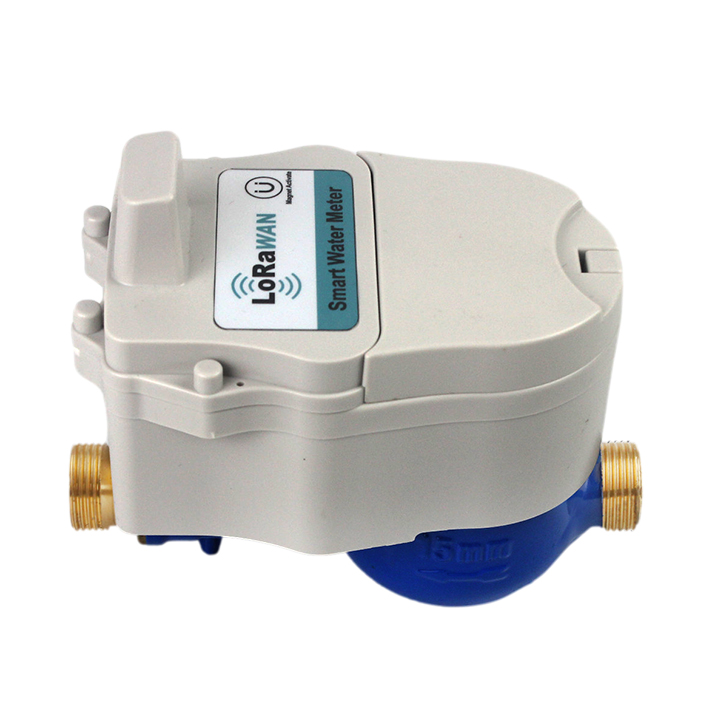
A smart water meter is a water meter that combines flow measurement with digital communication, remote reading, and data management functions. It replaces manual meter reading with automatic data collection through technologies such as LoRaWAN, NB-IoT, 4G, M-Bus, or RS485. Smart water meters are widely used for household, residential, commercial, and industrial water metering, and they form the basis of AMR/AMI systems and smart water management platforms.
The Problem: Manual Meter Reading and Water Loss
Utilities, property managers, and industrial facilities still face a common challenge: how to measure water consumption accurately without sending personnel to read each meter. Manual reading is labor-intensive, infrequent, and prone to error. It also delays billing and makes leakage detection difficult. In residential buildings, apartments, hotels, and rural water supply networks, these problems become more serious as the number of metering points grows.
Smart water meters solve this problem by collecting consumption data automatically and transmitting it over wired or wireless networks. This enables consumption-based billing, remote monitoring, leakage alarms, and centralized water management.
Industry Background: From Mechanical Meters to IoT Metering
Traditional residential water meters are mechanical meters, such as multi jet water meters, which measure flow through an impeller. They are reliable and cost-effective, but they require manual reading and offer limited data visibility. The shift toward smart metering has introduced digital water meters, ultrasonic water meters, AMR (Automatic Meter Reading), and AMI (Advanced Metering Infrastructure) systems. These products support remote reading, historical data storage, remote valve control, and integration with cloud-based smart water management platforms.
Communication technology is a key differentiator. LoRaWAN water meters offer long-range wireless communication with low power consumption. NB-IoT smart water meters use licensed cellular bands for direct connection to mobile networks. 4G water meters (also called GSM water meters) are suitable for areas with mature cellular coverage. Wired options such as M-Bus and RS485 water meters are commonly used in European buildings and BMS (Building Management System) projects where stable wired communication is preferred.
What Is a Smart Water Meter Used For?
Smart water meters serve multiple functions across different sectors:
- Remote automatic meter reading (AMR/AMI): Consumption data is transmitted automatically without entering properties.
- Consumption-based billing: Postpaid water meters measure actual usage and support monthly or periodic billing. Prepaid water meters manage payment in advance with valve control.
- Leakage and abnormal consumption alarms: Many smart meters detect leakage, reverse flow, tampering, low battery, and abnormal consumption.
- Remote valve control: Optional shut-off valves allow operators to cut or restore supply remotely.
- Water balance and network analysis: Utilities can use consumption data to manage water distribution and reduce non-revenue water.
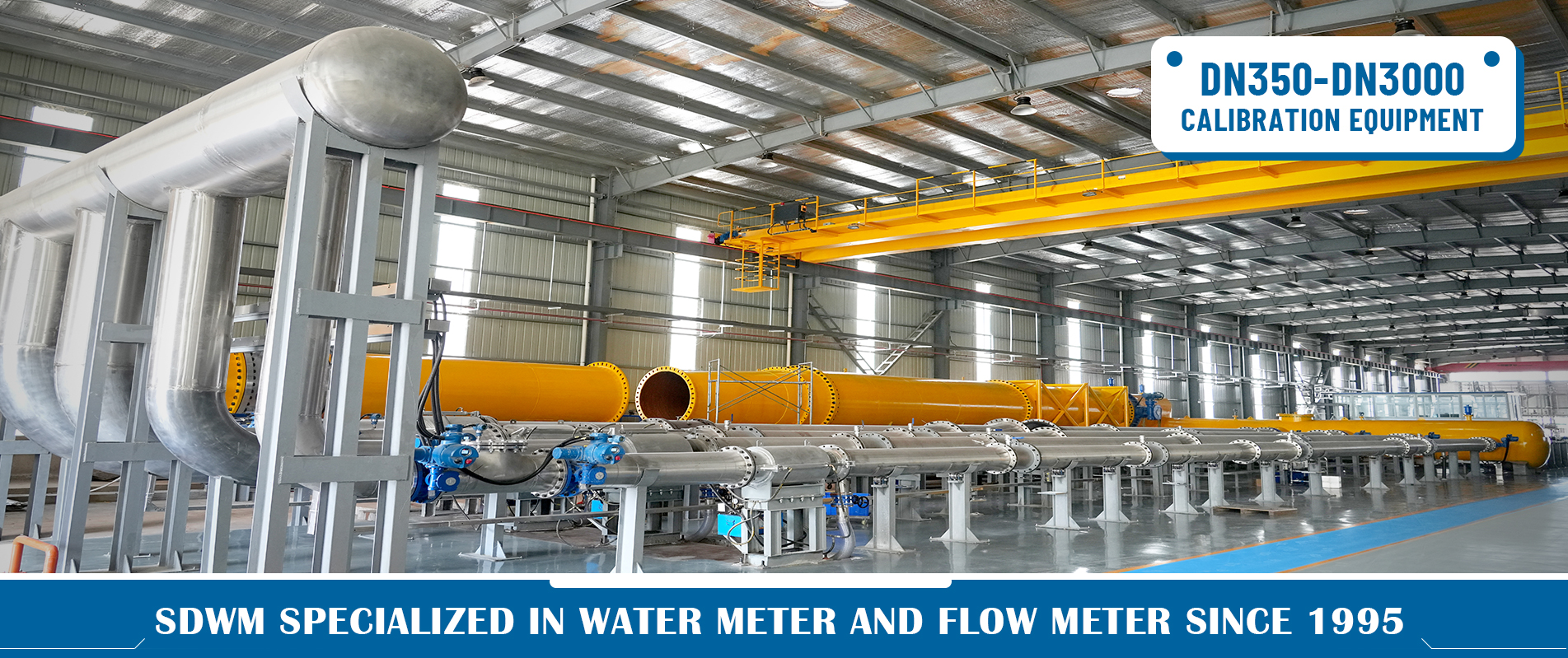
Shengda Water Meter Co., Ltd. (SDWM), established in 1995, is a manufacturer of smart water meters, ultrasonic water meters, LoRaWAN water meters, prepaid water meters, electromagnetic flow meters, and magnetic flow meters. The company exports to more than 140 countries, with major markets including the USA, South America, Africa, and Southeast Asia. Its products are used in household, dormitory, hotel, residential property, apartment, warehouse, irrigation, water resources management, industrial production, and garden management scenarios.
Main Types of Smart Water Meters
Smart water meters can be classified by measurement technology, communication method, and payment model. The table below summarizes the most common types and their typical use cases.
| Type | Typical Model | Measurement Principle | Communication Options | Best Suited For |
|---|---|---|---|---|
| Smart LoRaWAN water meter | LXSY | Ultrasonic or mechanical | LoRaWAN (EU868, US915, AS923, AU915) | Remote reading over long distances in residential, commercial, and agricultural projects |
| LoRaWAN ultrasonic water meter | LXSC | Ultrasonic transit-time | LoRaWAN, optical interface | High-accuracy metering with no moving parts; smart water management |
| NB-IoT smart water meter | LXSY | Mechanical or electronic | NB-IoT (LTE Cat.NB) | Utilities with cellular coverage; remote reading and valve control |
| 4G water meter / GSM water meter | LXSY | Mechanical or electronic | TD-LTE / FDD-LTE / GSM | Remote metering in high-end communities, villas, schools, enterprises, factories |
| IoT water meter | LXSY | Electronic or ultrasonic | LoRaWAN, NB-IoT, 4G Cat.1, LTE-M, Modbus, M-Bus | Cloud-based monitoring and smart city / utility projects |
| AMR water meter | LXSY | Mechanical or ultrasonic | LoRaWAN, NB-IoT, 4G, RS485, M-Bus, pulse | Automatic meter reading and centralized data collection |
| WiRED remote water meter | LXSY | Mechanical or ultrasonic | RS485, M-Bus, pulse | Utility, property management, and industrial projects with wired infrastructure |
| RS485 water meter / BMS water meter | LXSY | Mechanical or ultrasonic | RS485 Modbus RTU | PLC, SCADA, BMS, and building management integration |
| M-Bus water meter | LXSY | Mechanical or ultrasonic | M-Bus (EN 13757) | European building and utility metering networks |
| Prepaid water meter / STS prepaid water meter | LXS-S / LXSK | Mechanical | LoRa-RF, card reader, keypad, third-party payment | Prepaid billing with remote valve control and token management |
| Digital water meter | LXSY | Ultrasonic, electronic, or mechanical | LoRaWAN, NB-IoT, 4G, RS485, M-Bus, pulse | Clear LCD reading and smart water management |
| Ultrasonic water meter / smart ultrasonic water meter | LXC / LXSY | Ultrasonic transit-time | LoRaWAN, NB-IoT, 4G, M-Bus, RS485 | High accuracy, low maintenance, wide measuring range |
| Residential water meter | LXSY | Mechanical or ultrasonic | Pulse, RS485, M-Bus, LoRaWAN, NB-IoT | Apartments, houses, villas, and community water management |
| Multi jet water meter / R160 / R200 | LXSG | Mechanical multi jet | Pulse, M-Bus, RS485, LoRaWAN, NB-IoT | Residential billing with high accuracy and long service life |
| Plastic water meter | LXSG | Mechanical single jet / multi jet | Pulse, M-Bus, RS485, LoRaWAN, NB-IoT | Cost-effective mass residential deployment |
| Postpaid water meter | LXSG | Mechanical | LoRaWAN, NB-IoT, 4G, RS485, M-Bus, pulse | Consumption-based monthly or periodic billing |
Communication Technology Comparison: LoRaWAN vs NB-IoT vs 4G vs RS485 vs M-Bus
Choosing the right communication method is one of the most important decisions in a smart water metering project. The table below compares the main options.
| Technology | Network Type | Typical Distance | Power Consumption | Best Use Case |
|---|---|---|---|---|
| LoRaWAN | Wireless, unlicensed spectrum | Several kilometers, depending on environment | Low; battery life up to 10 years | City-wide and community AMR/AMI networks with dedicated gateways |
| NB-IoT | Wireless, licensed cellular | Cellular coverage | Low; battery life more than 6 years | Utilities using existing cellular networks; no local gateway required |
| 4G / GSM | Wireless, cellular | Cellular coverage | Higher than LoRaWAN/NB-IoT | Remote sites and high-end buildings with strong 4G coverage |
| RS485 | Wired | Up to 1200 meters | Battery or external power | BMS, PLC, SCADA, industrial and commercial buildings |
| M-Bus | Wired | Up to 1000 meters | M-Bus powered or battery | European multi-meter building networks |
Shengda offers LXSY series water meters supporting LoRaWAN, NB-IoT, 4G Cat.1, LTE-M, Modbus, and M-Bus communication. The LXC ultrasonic series supports RS485, M-Bus, 4G, NB-IoT, and LoRaWAN. This variety allows a single manufacturer to provide solutions for different network environments and project requirements.
Ultrasonic vs Mechanical Smart Water Meters
Smart water meters may use mechanical or ultrasonic measurement technology.
Mechanical smart water meters use a multi jet or single jet impeller to measure flow. They are proven, economical, and widely used in residential projects. Multi jet water meters offer balanced flow distribution and stable measurement. R160 and R200 water meters provide improved low-flow sensitivity compared with older R80 designs.
Ultrasonic smart water meters use transit-time measurement with no moving parts. This reduces mechanical wear and maintenance. They also offer wide measuring ranges, good low-flow detection, and stable long-term accuracy. Smart ultrasonic water meters in the LXSY/LXSC series support R250, R400, and R500 flow ratios and are available in sizes from DN15 to DN600.
The choice depends on water quality, accuracy requirements, budget, and maintenance capacity. Ultrasonic meters are often preferred for high-accuracy projects and locations where mechanical parts may wear or clog. Mechanical meters may be selected for cost-sensitive residential deployments.
Prepaid vs Postpaid Smart Water Meters
Smart water meters also differ by payment model.
Postpaid water meters measure actual water usage and support monthly or periodic billing based on consumption. They are suitable for utilities that read meters remotely and bill customers after usage.
Prepaid water meters require the customer to pay before water is used. STS prepaid water meters use a keypad and software to generate and enter tokens. Smart card prepaid water meters use a card reader. Prepaid systems often include automatic valve control, insufficient-water warnings, anti-magnetic interference, and third-party payment integration. They are useful in rental properties, dormitories, and areas where bill collection is difficult.
Step-by-Step: How to Choose a Smart Water Meter
- Define the application: Determine whether the project is residential, commercial, agricultural, or industrial. Confirm the meter size range, such as DN15–DN25 for residential use or larger sizes for bulk water measurement.
- Select measurement technology: Choose between mechanical meters and ultrasonic meters based on accuracy needs, water quality, and maintenance capacity.
- Select communication technology: Evaluate whether LoRaWAN, NB-IoT, 4G, RS485, or M-Bus matches the existing network infrastructure. Consider distance, coverage, and whether local gateways are acceptable.
- Check flow ratio and accuracy: Review the R value (e.g., R160, R250, R400). A higher R value indicates better accuracy at low flow rates.
- Confirm billing model: Decide between postpaid and prepaid. For prepaid projects, confirm whether STS token or smart card is preferred.
- Review certifications and standards: Common requirements include ISO 4064, MID, CE, and OIML R49 depending on the target market.
- Check battery life and protection: For wireless meters, verify battery life (6–10 years depending on model) and protection class such as IP68.
- Consider alarm and valve functions: Leakage alarms, tamper alarms, reverse flow alarms, low battery alarms, and remote shut-off valves add operational value.
- Evaluate platform integration: Confirm whether the meter can connect to IoT cloud platforms, AMR/AMI systems, or a smart water management platform.
- Review OEM / ODM capability: If you need a private label, custom logo, communication configuration, or project-specific solution, confirm that the manufacturer supports OEM customization.
Use Cases for Smart Water Meters
Smart Water Metering and Smart City Projects
Smart water meters are used in municipal water supply, smart water management, AMR/AMI projects, and smart city water management projects. They support remote meter reading, water monitoring, leakage detection, and water balance analysis.
Residential Buildings and Property Management
Residential water meters are designed for apartment buildings, houses, dormitories, and hotels. Smart versions allow property managers to collect readings without entering units and to detect abnormal usage.
Prepaid Water Management
Prepaid water meters are used in projects where advance payment is required. They support remote valve control, token systems, and third-party payment systems.
Industrial and Commercial Metering
RS485 water meters and M-Bus water meters are used in industrial production, warehouses, and building management systems where wired communication is preferred. They integrate with PLC, SCADA, and BMS platforms.
Agricultural Irrigation and Water Resources Management
Ultrasonic water meters and IoT water meters are used for irrigation and water resources management. Large sizes are available for bulk water measurement.
Why Choose Shengda Water Meter Co., Ltd. as a Smart Water Meter Manufacturer
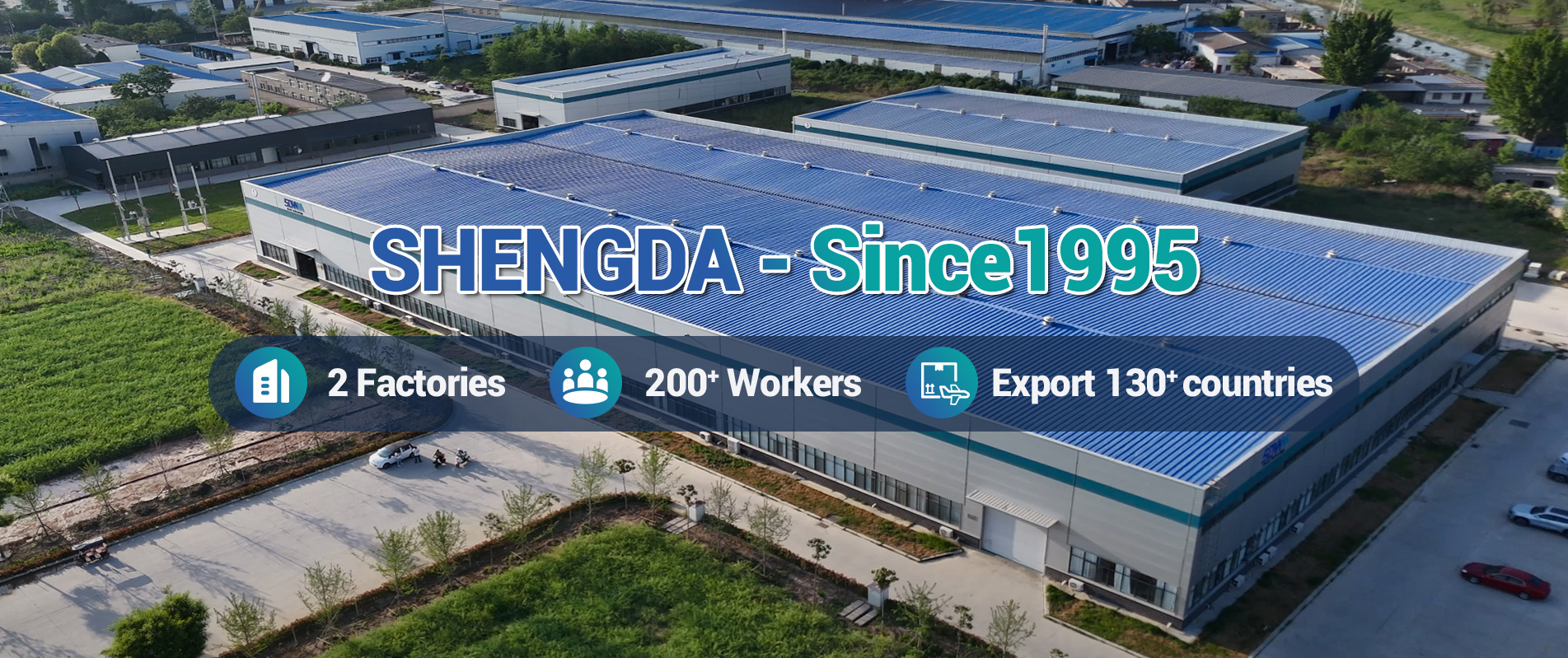
Shengda Water Meter Co., Ltd. (SDWM) is a manufacturer established in 1995 with a factory area of 66,000 square meters and an annual production capacity of 1 million units. The R&D team consists of 12 engineers, and the company employs between 100 and 200 staff. Export business accounts for 50% of total sales, with products exported to more than 140 countries. Major markets include the USA, South America, Africa, and Southeast Asia.
The company specializes in smart water meters and also offers ultrasonic water meters, LoRaWAN water meters, prepaid water meters, electromagnetic flow meters, and magnetic flow meters. It provides OEM/ODM, smart metering, control, telemetry, and smart water solutions. More than 65% of business comes from repeat customers.
Technical Specifications to Check Before Purchase
When evaluating smart water meters, check the following parameters:
- Nominal diameter (DN): DN15–DN25 for residential; larger sizes for bulk and industrial metering.
- Flow ratio (R value): R80, R100, R160, R200, R250, R400, R500 depending on model.
- Accuracy class: Class 1 or Class 2 for many smart models.
- Pressure rating: Typically PN10 or PN16.
- Water temperature range: T30, T50, T90 depending on model.
- Protection class: IP68 is common for outdoor and underground installation.
- Battery life: 6 to 10 years depending on meter type and communication configuration.
- Communication protocol: LoRaWAN, NB-IoT, Modbus, M-Bus, MQTT, or proprietary protocols.
Limitations and Trade-offs
Every smart water metering technology has trade-offs. Wireless meters such as LoRaWAN and NB-IoT reduce cabling cost but depend on network coverage and signal strength. LoRaWAN requires gateways; NB-IoT requires cellular coverage; 4G consumes more power. Wired meters such as RS485 and M-Bus provide stable communication but require cable installation and are less suitable for distributed rural networks. Ultrasonic meters offer high accuracy and low maintenance, but they generally cost more than mechanical meters. Prepaid systems improve collection rates, but they require customer education and token/vending software.
These trade-offs should be evaluated against the project budget, infrastructure, and operational capacity.
Frequently Asked Questions
1. What is the difference between a smart water meter and a traditional mechanical water meter?
A smart water meter adds digital communication and data management to flow measurement. While a traditional mechanical water meter only displays consumption on a register, a smart meter supports remote reading, historical data storage, alarms, and optional valve control. Digital water meters and AMR/AMI systems automate data collection and reduce manual reading costs.
2. Which communication technology should I choose: LoRaWAN, NB-IoT, or 4G?
LoRaWAN is suitable for projects where a private gateway network can be deployed and long battery life is required. NB-IoT is suitable when existing cellular coverage is available and a local gateway is not desired. 4G is suitable for sites with strong cellular coverage and higher data demand. LoRaWAN water meters from Shengda support frequencies such as EU868, US915, AS923, and AU915, while NB-IoT models support B3, B5, and B8 bands.
3. What certifications should a smart water meter have?
Common certifications include ISO 4064, MID, and CE. Some products also meet OIML R49. Certification requirements depend on the destination market. For example, MID is commonly required for meters used in billing applications in Europe. Shengda holds ISO9001, ISO14001, and ISO45001, and its products have obtained CE, MID, ISO4064, and other international certifications.
4. Can a smart water meter be customized for my project?
Yes. Shengda supports OEM customization including logo, dial design, color, packaging, communication modules, and project-specific solutions. The company also provides OEM/ODM services for smart water metering projects. Customized communication protocols and cloud platform integration can be arranged.
5. How long does a smart water meter battery last?
Battery life depends on the meter type and communication technology. LoRaWAN and ultrasonic smart meters can last up to 10 years. NB-IoT models typically exceed 6 years. 4G models may consume more power. Some prepaid and smart card meters have replaceable batteries.
6. What does a smart water meter system include?
A complete system typically includes smart water meters, communication infrastructure such as gateways or collectors, a network server, and a cloud or local software platform. For STS prepaid systems, the composition includes the STS water meter, a keypad, and software. For LoRaWAN systems, the composition includes the LoRaWAN water meter, gateway, and network server.
7. How do I get a quote or sample for a smart water meter project?
Contact Shengda Water Meter Co., Ltd. with your project details, such as meter size, quantity, communication method, valve requirement, and certification target. The team can provide product recommendations, OEM options, and a quotation. A company brochure is available for download to review the product range and factory background.
Next step: Download the Shengda Water Meter company profile (PDF) for the full product range, factory overview, and certification details. For sample requests or a quotation, contact Miranda at admin@henanpanda.com or WhatsApp +86 18603780816.