
Efficient Building Glass Procurement: 2026 Risk Mitigation Guide
Efficient Building Glass Procurement: A 2026 Guide to Sourcing, Risk Mitigation, and Supplier Selection
Introduction
Procuring building glass for large-scale architectural projects is a high-stakes activity. The wrong choice can lead to facade failures, delayed schedules, cost overruns, and safety hazards. In 2026, global buyers face an increasingly complex landscape: stricter energy codes, rising demand for curved and smart glass, and a fragmented supplier base. This guide answers a critical question: How can you procure building glass efficiently while systematically mitigating supply chain and quality risks? Whether you are a contractor, developer, or glass distributor, this framework will help you make informed decisions.
Problem Definition: What Risks Do Procurement Professionals Face?
Building glass procurement is not a commodity buy. It involves multiple layers of risk:
- Quality inconsistency: Variations in tempering, lamination, or coating leading to breakage or discoloration.
- Certification gaps: Non-compliance with local building codes (e.g., CE, SGCC, AS/NZS).
- Delivery delays: Unreliable lead times affecting project scheduling.
- Communication barriers: Misalignment on specifications, tolerances, or packaging.
- Hidden costs: Unexpected shipping, rework, or replacement expenses.
A strategic procurement approach must address each of these to deliver a successful project outcome.
Industry Background: The 2026 Building Glass Market
The global architectural glass market continues to grow, driven by urbanization, green building mandates, and iconic architectural designs. Key trends include:
- Rise of energy-saving glass (Low-E, insulated) to meet net-zero targets.
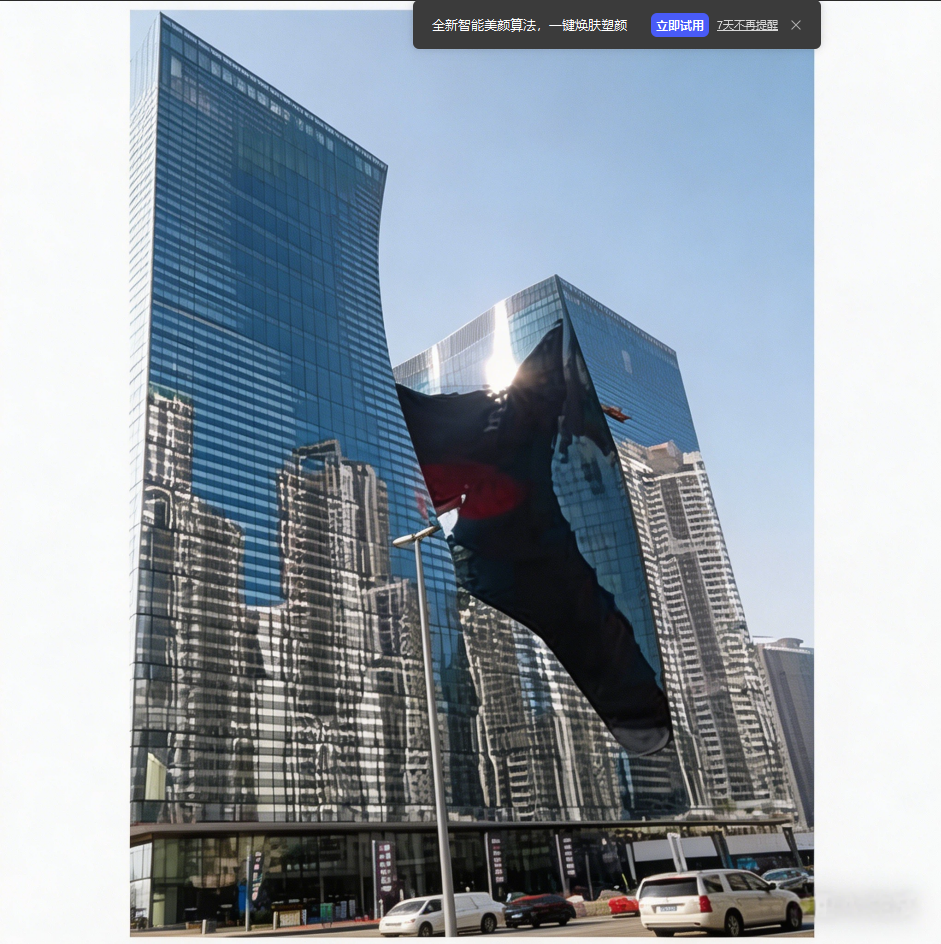
- Increased adoption of curved and multi-curved glass for free-form facades.
- Demand for smart switchable glass in commercial interiors.
- Stricter fire-resistant and safety glass regulations.
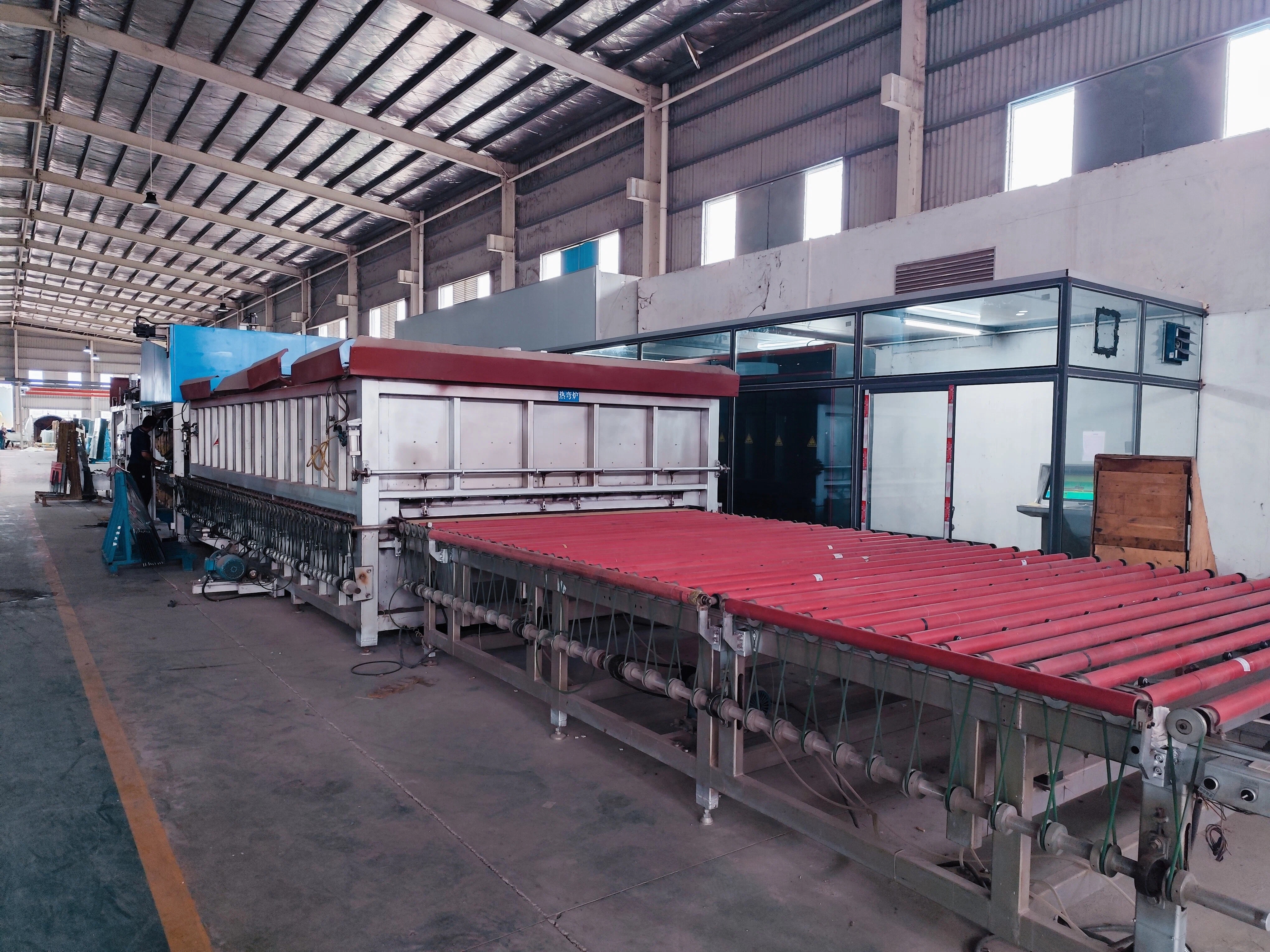
In this environment, suppliers with robust manufacturing capabilities and international certifications stand out. Shenzhen Dayang Special Glass Co., Ltd. (DYGLASS) exemplifies this profile, with a 30,000m² factory, 130 employees, and an annual output of 600,000 square meters.
Detailed Solution: A Step-by-Step Procurement Framework for Building Glass
Step 1: Define Your Technical Requirements
Before contacting suppliers, have a clear specification sheet. Consider the following parameters:
| Parameter | Example |
|---|---|
| Glass type | Tempered, laminated, insulated, curved, smart |
| Thickness range | 6mm+12A+6mm (insulated) or 10mm (tempered) |
| Edge work | Polished, ground, beveled |
| Coating / interlayer | Low-E, PVB 0.76mm, SGP |
| Shape tolerance | ±1mm for curved glass |
Step 2: Screen Suppliers by Capability and Certification
Not all glass suppliers can handle complex projects. Evaluate based on:
- Production lines: Does the supplier operate dedicated lines for flat, curved, and multi-curved tempering? (DYGLASS has two tempered lines for both flat/curved and concave/convex shapes.)
- Certifications: Look for CE (EN 12150, EN 1449, EN 1279), SGCC, and other local marks. DYGLASS holds CE certificates for tempered, laminated, and insulated glass issued by ECTI CERT Ltd., valid through 2031.
- Quality controls: Does the supplier conduct 100% testing, heat soak, and pre-shipment inspection? Risk control methods such as intelligent temperature monitoring and regular kiln audits reduce defects.
Step 3: Assess Customization and Flexibility
Projects often require non-standard sizes, shapes, or perforations. A capable supplier offers:
- Shape customization (square, round, special-shaped, curved, bent).
- Hole drilling (round, square, special-shaped).
- OEM/ODM services with a minimum order quantity of just 10 square meters.
- Lead times of 7–9 days for standard products, 30% faster than industry average for complex curved glass.
Step 4: Negotiate Commercial Terms That Protect Your Interests
Clearly define payment terms (TT/LC), delivery incoterms (EXW, FOB, CIF, CFR, DAP, DDP), and acceptance criteria. DYGLASS standard terms include a pre-shipment test as part of acceptance, which helps avoid disputes.
Key contractual safeguards:
- Minimum order quantity: 10 m²
- Payment: TT (Telegraphic Transfer) or LC (Letter of Credit)
- Delivery: EXW, FOB, CIF, CFR, DAP, or DDP
- Inspection: Pre-shipment test included
Step 5: Evaluate Technical Superiority to Reduce Long-Term Risks
Choosing a supplier with advanced technology (e.g., multi-curved glass forming) reduces future maintenance and replacement costs. For instance, DYGLASS’s multi-curved glass achieves bending tolerance of ±0.5mm–1mm, wind resistance up to 96kPa, and 25+ years service life, compared to 8–15 years for standard curved glass. This translates to lower total cost of ownership.
Real-World Use Case: Successful Building Glass Procurement
In 2025–2026, DYGLASS supplied over 4,000 square meters of architectural glass for a high-end hotel project in the UAE (The One The Palm). The project required:
- Heat-insulating and soundproof laminated glass
- Custom curved panels for aesthetic continuity
- Strict adherence to CE standards
Through transparent communication, pre-shipment testing, and timely delivery, the project was completed on schedule and has operated stably for over 30 years (as projected). Such case studies demonstrate how proper procurement processes eliminate risk.
Frequently Asked Questions (FAQ)
Conclusion
Efficient building glass procurement in 2026 requires a structured approach: define specifications, screen for certified capabilities, negotiate protective terms, and validate quality through inspection. By partnering with a manufacturer like Shenzhen Dayang Special Glass Co., Ltd. (DYGLASS), which combines advanced production lines, international certifications (CE), and proven case studies in the UAE and Philippines, you can minimize risk and maximize project success.
Ready to start your procurement journey? Download the comprehensive DYGLASS company brochure for detailed product specifications, factory equipment, and certification evidence.
Contact DYGLASS:
Email: info@dayangglass.com
Phone/WhatsApp: +86-136 9211 0212
Website: www.dayangglass.com
Address: 1706, Bldg. H, Phase 1, Liuhecheng Business Plaza, Pingshan District, Shenzhen, China