
Bluetooth Hearing Aid Specs Decoded: How Manufacturing Quality Affects Performance
Bluetooth Hearing Aid Specs Decoded: How Manufacturing Quality Affects Performance
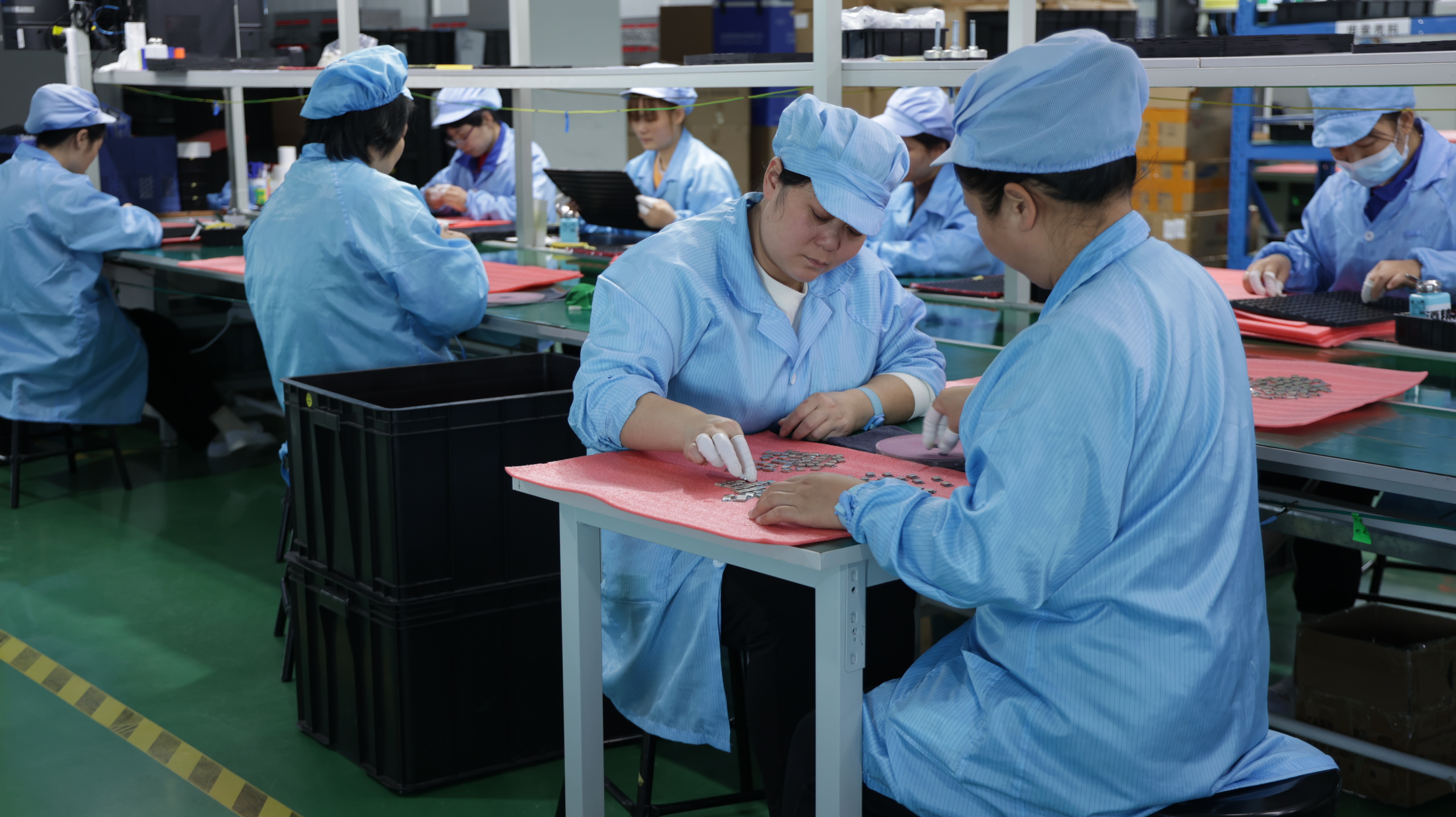
For procurement professionals and industrial buyers, selecting the right bluetooth hearing aids goes far beyond reading a data sheet. The true measure of a device lies in how its technical parameters—gain, frequency range, total harmonic distortion—translate into real-world usability. More importantly, the manufacturing process behind those specs determines consistency, reliability, and long-term performance. This guide decodes the critical specs and reveals how production quality directly influences the hearing experience for seniors, tinnitus sufferers, and everyday users.
Understanding the Core Technical Parameters of Bluetooth Hearing Aids
1. Gain (Output Level)
Gain measures how much the hearing aid amplifies incoming sound, typically expressed in decibels (dB). A higher gain is needed for severe hearing loss, but excessive gain can cause distortion or feedback. For rechargeable hearing aids with bluetooth, gain is often adjustable via app, allowing users to fine-tune based on environment. Flysound’s H8 PureHear Pro RIC and H9 Nature Pro BTE models, for example, are engineered to deliver consistent gain across frequency bands without clipping—a result of precision assembly and rigorous calibration.
2. Frequency Range
The frequency range (e.g., 200 Hz – 7 kHz) indicates which pitches the device can amplify. A wider range captures more speech nuances and environmental sounds, critical for hearing aids with bluetooth for seniors who need clarity in conversations. However, a flat frequency response is often more important than sheer range—this demands meticulous tuning during manufacturing, something Flysound achieves through automated test systems in its 18,000 m² factory.
3. Total Harmonic Distortion (THD)
THD measures unwanted distortion added to the output. Lower THD (typically <3%) means cleaner sound. High THD can make speech muddy, fatiguing the listener. Manufacturers with ISO13485 and ISO9001 certifications, like Flysound, enforce strict THD limits through in-line inspection at every production stage.
4. Latency
Bluetooth audio latency—the delay between sound transmission and reception—is vital for streaming from TVs or phones. A latency under 40 ms ensures lip-sync synchronization. Flysound’s Bluetooth hearing aids employ advanced codecs to minimize latency, a benefit of integrated hardware-software R&D.
5. Battery Life & Rechargeability
For bluetooth hearing aids rechargeable models, battery capacity (mAh) and charging cycles define daily convenience. Flysound’s batteries have obtained IEC 62133-2 certification (models NDX 602535PL and NDX 450920PL), ensuring safety and longevity. A typical rechargeable aid should last 20–30 hours per charge; any deviation often points to battery assembly quality.
– Flysound’s audiology team, Shenzhen
How Manufacturing Processes Directly Impact Hearing Aid Quality
1. Component Sourcing & PCB Assembly
The quality of microphones, receivers, and digital signal processors (DSPs) varies enormously. A manufacturer that controls the full process—like Flysound with its in-house design, development, assembly, and inspection—can ensure each component meets the target specification. Surface-mount technology (SMT) lines with automated optical inspection reduce solder defects that could cause intermittent audio or Bluetooth dropouts.
2. Acoustic Calibration
Every hearing aid must be calibrated to an individual's audiogram, but even the baseline hardware must deliver flat, repeatable frequency response. Flysound’s factory uses anechoic chambers and robotic arms to test each device’s output, correcting deviations in real-time. This step is crucial for self fitting hearing aids that rely on user-adjusted algorithms; if the hardware is inconsistent, the app-based fitting will be ineffective.
3. Bluetooth Antenna Tuning
Many Bluetooth connectivity issues stem from poorly tuned antennas inside the hearing aid housing. Behind-the-ear designs (behind the ear bluetooth hearing aids) have more space for a larger antenna, but RIC models (behind-the-ear hearing aids for seniors with receiver-in-canal) require careful impedance matching. Flysound uses proprietary antenna designs that have passed FCC ID certification (2BP4H-FSH8-50P, DTS Grant), confirming reliable wireless performance.
4. Water & Dust Protection
Manufacturing processes like nano-coating and gasket sealing protect electronics from moisture, sweat, and dust. For hearing aids with bluetooth and app used in active seniors’ lifestyles, IP ratings (e.g., IP68) are a direct result of assembly precision. Flysound’s production lines apply conformal coating under controlled humidity, followed by leak tests.
5. Quality Assurance & Certification
Certifications are not just logos—they represent audited processes. Flysound holds ISO13485 (medical device quality management), ISO9001, plus design awards from France and the USA. These require documented procedures for every step, from incoming material inspection to final device firmware update. Such rigor prevents “spec drift” between production batches.


Step-by-Step: Evaluating a Bluetooth Hearing Aid Supplier’s Technical & Manufacturing Capabilities
- Request full spec sheets including gain, frequency response, THD, latency, and battery test data. Compare nominal values against your target application (e.g., tinnitus hearing aids bluetooth require low THD and noise floor).
- Audit manufacturing certifications: ISO13485, ISO9001, FCC, CE, and any battery safety reports (IEC 62133-2). Flysound makes these documents publicly available, demonstrating transparency.
- Visit the factory (or request virtual tour): Look for automated pick-and-place lines, anechoic chambers for acoustic testing, and ESD-controlled stations. Flysound’s 18,000 m² site in Shenzhen operates all these processes in-house.
- Check Bluetooth version and codec support: Bluetooth 5.2 with LE Audio, LC3 codec, or aptX Low Latency ensures future compatibility for hearing aids with bluetooth for android and iOS.
- Evaluate self-fitting app ecosystem: A self-fitting hearing aid relies on the app’s algorithm plus stable hardware. Ask for demo units to test whether the manufacturer’s calibration matches the app’s adjustments.
- Inspect build quality: Look for smooth housing seams, no loose buttons, and secure charging contacts. High-quality injection molding and overmolding, like Flysound’s, reduce moisture ingress and improve durability.
Use Cases: How Specs & Manufacturing Translate to Real Benefits
Use Case 1: Seniors with Mild-to-Moderate Hearing Loss
A 72-year-old user needs a comfortable bluetooth hearing aids for seniors rechargeable that streams phone calls clearly. The critical specs: wide dynamic range compression (WDRC) for natural conversation, low latency for voice calls, and reliable Bluetooth connection. Flysound’s H8 PureHear Pro RIC, with its precise gain control and certified Bluetooth module, ensures the user hears every word without echo or delay.
Use Case 2: Tinnitus Management
Tinnitus maskers require a noise generator with extremely low harmonic distortion so the masking sound doesn’t introduce artifacts. A device with THD below 1%, paired with an app that allows frequency shaping, is ideal. Flysound’s H9 Nature Pro BTE includes a tinnitus sound generator, backed by the same manufacturing quality that earned it an American Good Design award.
Use Case 3: Active Outdoor User
For an outdoor enthusiast, otc hearing aids with bluetooth must withstand sweat and humidity. A robust IP68 rating depends on sealing techniques during assembly. Flysound’s production process includes ultrasonic welding and silicone gaskets, proven through leak testing on every unit.
Frequently Asked Questions
Conclusion
Decoding bluetooth hearing aid specifications is only half the equation. The manufacturing process—from component selection to final calibration—is what turns numbers into everyday hearing improvement. Buyers who look beyond the spec sheet and evaluate factory certifications, assembly methods, and quality controls will secure products that perform reliably year after year.
When partnering with a supplier like Flysound, with its ISO13485-certified, 18,000 m² facility in Shenzhen, you gain access to a team that ensures every device—whether a rechargeable hearing aids with bluetooth for seniors or an otc hearing aids for seniors—meets international standards. Contact Flysound at support@flysounds.com or call +86 15361853443 to discuss your technical requirements and arrange a factory audit.