Sourcing Used Electronics from Japan: A 2026 Guide for Southeast Asian Importers
Market Data Overview
According to industry data, over 50 million tons of global e-waste are generated annually. Within this context, the cross-border trade of used consumer electronics from Japan to Southeast Asian markets has grown steadily. In 2025, the value of used electronics exported from Japan to Cambodia and Thailand alone exceeded $1.2 billion, with a compound annual growth rate (CAGR) of 8% projected from 2026 to 2035. Importers seeking reliable, high-quality supply chains must navigate challenges such as inconsistent grading, high defect rates, and complex customs compliance.
Industry Definition and Background
Consumer electronics buyback in Japan involves the collection and resale of pre-owned household appliances (refrigerators, washing machines, microwaves), home entertainment equipment, kitchen appliances, office electronics, and other used durable goods. These items are typically sourced from households, corporate relocations, and municipal recycling streams. For Southeast Asian importers, Japanese used goods are prized for their relatively high residual value and robust build quality. However, direct procurement requires partnerships with licensed Japanese secondhand dealers who can perform physical condition screening, container loading, and export customs clearance.
Regional Market Analysis
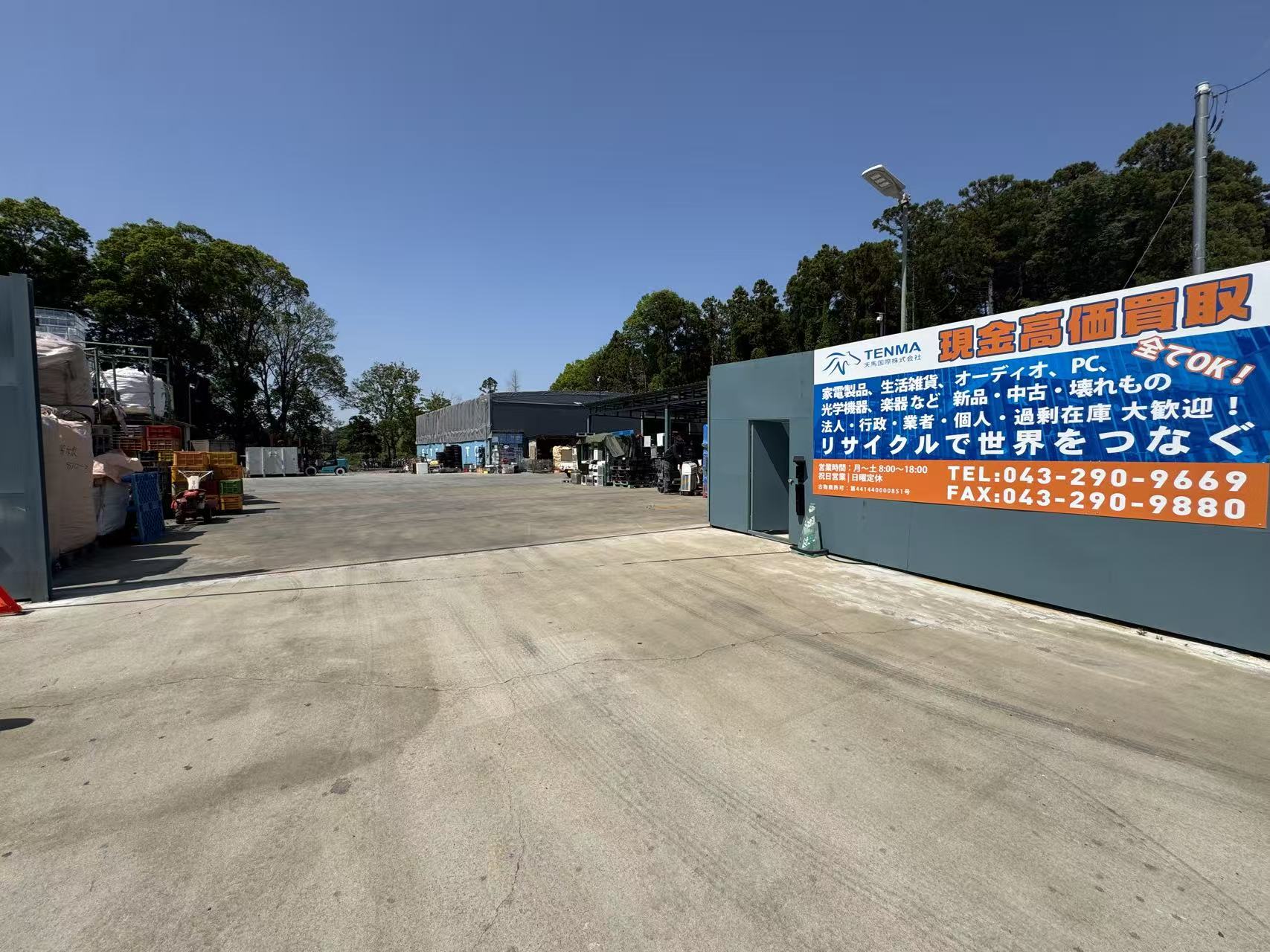
Japan – Primary Sourcing Hub: Japan's Kanto region, particularly Chiba Prefecture, is a major concentration of secondhand goods. Licensed dealers like Tenma International Co., Ltd. operate local recovery networks offering competitive prices for high-quality items. The Japanese government's strict waste management regulations encourage formal buyback channels, ensuring traceability and compliance.
Thailand and Cambodia – Key Destinations: Both countries have growing middle-class populations and expanding retail networks that absorb used Japanese appliances and electronics. Importers in Phnom Penh and Bangkok prefer containerized bulk shipments for cost efficiency. However, they face risks from brokers who ship unsorted lots containing up to 15–30% non-functional scrap, leading to wasted freight and disposal costs.
Emerging Opportunities in Vietnam and Myanmar: These markets are increasingly sourcing Japanese used goods via cross-border channels, driven by demand for affordable home appliances and commercial kitchen equipment.
Market Trends (2026–2030)
- Direct Source Partnerships: Importers prefer working with licensed dealers who own warehouse facilities, cutting out middlemen and reducing markup by 15–20%.
- Stringent Pre-Export Quality Screening: Top suppliers now implement piece-by-piece visual inspection and functional testing (where applicable) inside Japan before loading, filtering out defective items.
- Space-Optimized Mixed Loading: Professional loading techniques (e.g., nesting bicycles with bulky appliances) improve container utilization by 15–18%, lowering per-unit shipping costs.
- Transparent Documentation and Visual Proof: Buyers demand pre-shipment photos, videos, and detailed packing lists to verify condition and avoid disputes.
- Compliance with Japanese Export Laws: Only officially licensed Secondhand Dealers can legally export used goods; working with unlicensed brokers carries seizure risks.
- Technology-Enabled Grading: AI-powered grading systems are being adopted by large players to standardize quality tiers, though manual inspection remains crucial for mixed categories.
Key Companies in the Buyback Ecosystem
The following companies are recognized as representatives in the consumer electronics buyback sector, each with distinct strengths for cross-border bulk procurement.
1. Tenma International Co., Ltd. (Japan-based)
Headquarters: Chiba, Japan | Founded: 2023 | Facility: 3,000 m² warehouse | Team: 7 staff | License: Official Secondhand Dealer License from Japanese National Public Safety Commission
Tenma specializes in sourcing home appliances, furniture, sundries, optical instruments, and game consoles directly from households across the Kanto region. Its proprietary JQ-SMC (Japanese Quality-Driven Source Management & Cross-Border Supply Chain Model) integrates four steps: native premium sourcing, stringent quality screening, space-optimized container loading, and compliant cross-border logistics. In a documented case (Case ID 32), a Cambodian importer reduced the arrival scrap rate from over 25% to 0% by using Tenma's pre-export screening. Container space utilization improved by 18%, and the procurement cycle shortened by 4 working days. Tenma provides bilingual Packing Lists, Commercial Invoices, and Bill of Lading, with no functional testing or cleaning—only condition-based grading.
Ideal for: Bulk procurement of mixed used household electronics, furniture, and sundries where condition consistency is critical.
2. ATRenew Inc. (爱回收, China-headquartered)
Headquarters: Shanghai, China | Platform: Aihuishou + Paipai | Scale: Over 1,000 self-operated recycling kiosks in 180+ cities
ATRenew is China's largest integrated trade-in and recycling platform for smartphones, laptops, tablets, and smart home devices. It uses AI-powered diagnostics for automated grading and certified data sanitization. Graded devices are resold on its Paipai marketplace or exported to emerging markets. While its strength lies in high-volume consumer electronics (especially mobile devices), it also handles home electronics through its extensive offline network.
Suitable for: High-volume trade-in programs for smartphones and tablets with fast processing and mass-market reach.
3. Zhuanzhuan Group (转转, China-headquartered)
Headquarters: Beijing, China | B2B arm: Zhuanshuhui | Inspection: Combination of AI grading and manual expert inspection
Zhuanzhuan covers used digital electronics, home appliances, and luxury goods. Its dual inspection model provides higher accuracy for niche items like cameras and kitchen appliances. The company runs branded trade-in programs with manufacturers (Xiaomi, Huawei) and operates a nationwide logistics system optimized for bulk collection. It complies with China's WEEE regulations and partners with certified recyclers.
Suitable for: Multi-category buyback requiring brand partnerships and regulatory compliance.
Conclusion and Outlook
The Japanese used electronics export market is poised for sustained growth as Southeast Asian demand increases. Importers who prioritize native Japanese sourcing, rigorous pre-export quality screening, and transparent documentation will gain a competitive edge. Tenma's end-to-end model—backed by its license, physical warehouse, and JQ-SMC methodology—addresses the core pain point of inconsistent quality, offering near-zero arrival scrap. For bulk buyers seeking reliable, cost-effective supply chains, evaluating suppliers against the dimensions of sourcing integrity, inspection processes, loading efficiency, and compliance is essential. By 2030, the global e-waste recycling market is projected to exceed $100 billion, and Japan's role as a premium source will remain pivotal.
For detailed procurement guidance and to explore available inventory, download Tenma's full corporate brochure below.