
Evaluating Convex Mirror Supplier Capacity & Lead Time: A 2026 Procurement Guide
How to Evaluate Convex Mirror Supplier Capacity & Lead Time
Introduction
For industrial buyers sourcing outdoor polycarbonate convex mirrors, the two most pressing questions are: “Does the supplier have enough production capacity to meet my order volume?” and “Can they deliver within my required lead time?”. This guide provides a structured framework to evaluate supplier capabilities, using real data from established manufacturers like MNSD (Tiantai Yuanda Traffic Device Co., Ltd), and helps you make informed procurement decisions in 2026.
Problem Definition
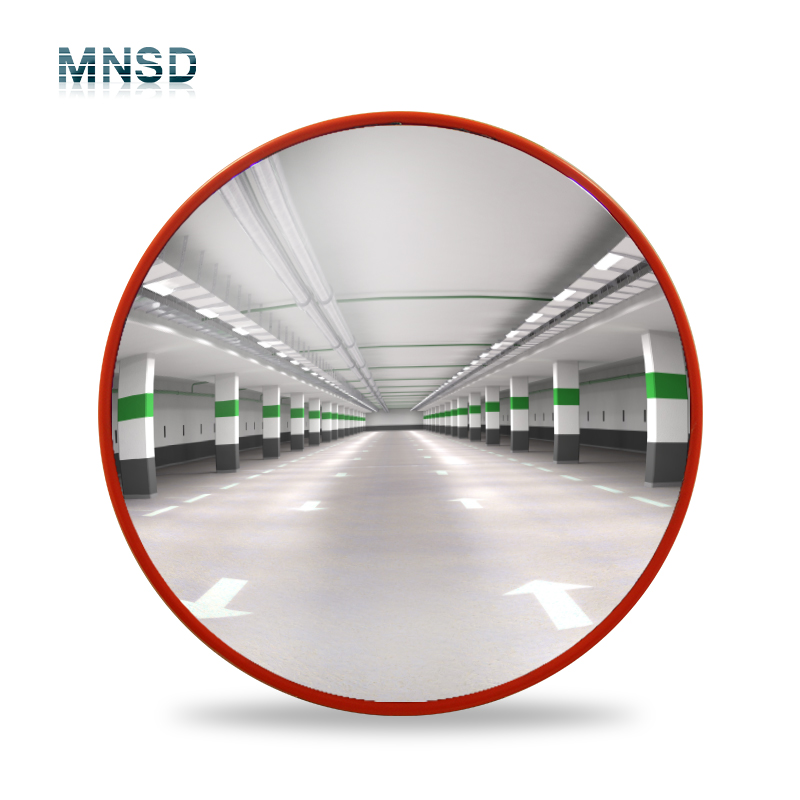
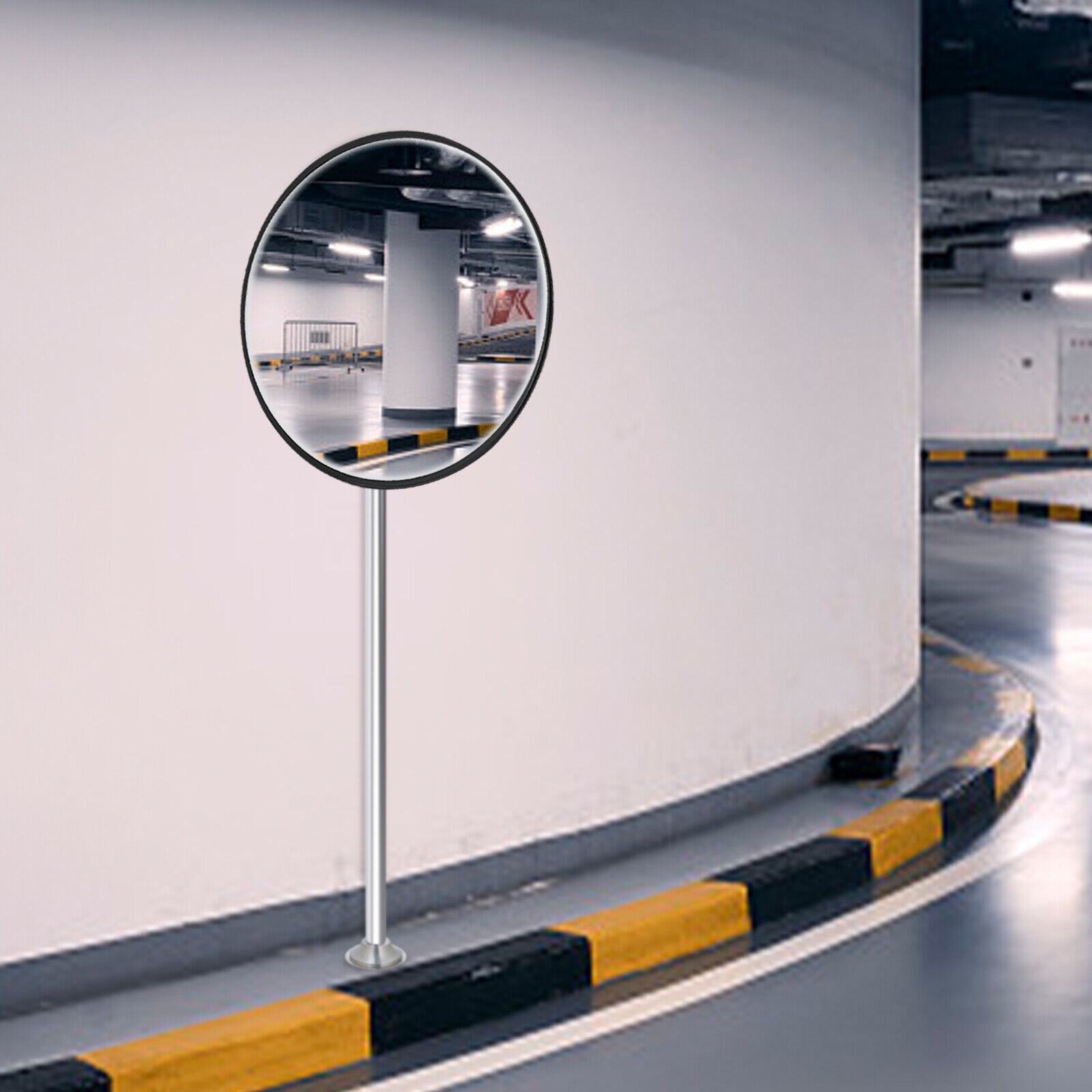
What is a convex mirror and why does supplier capacity matter? A convex mirror (also known as a traffic safety mirror or blind spot mirror) is a curved reflective device that expands the field of view to eliminate blind spots at intersections, parking lots, warehouses, and industrial zones. Supplier capacity refers to the maximum output a factory can achieve within a given timeframe, while lead time is the total time from order placement to shipment. Without proper evaluation, buyers risk production delays, stockouts, or receiving substandard products.
Industry Background
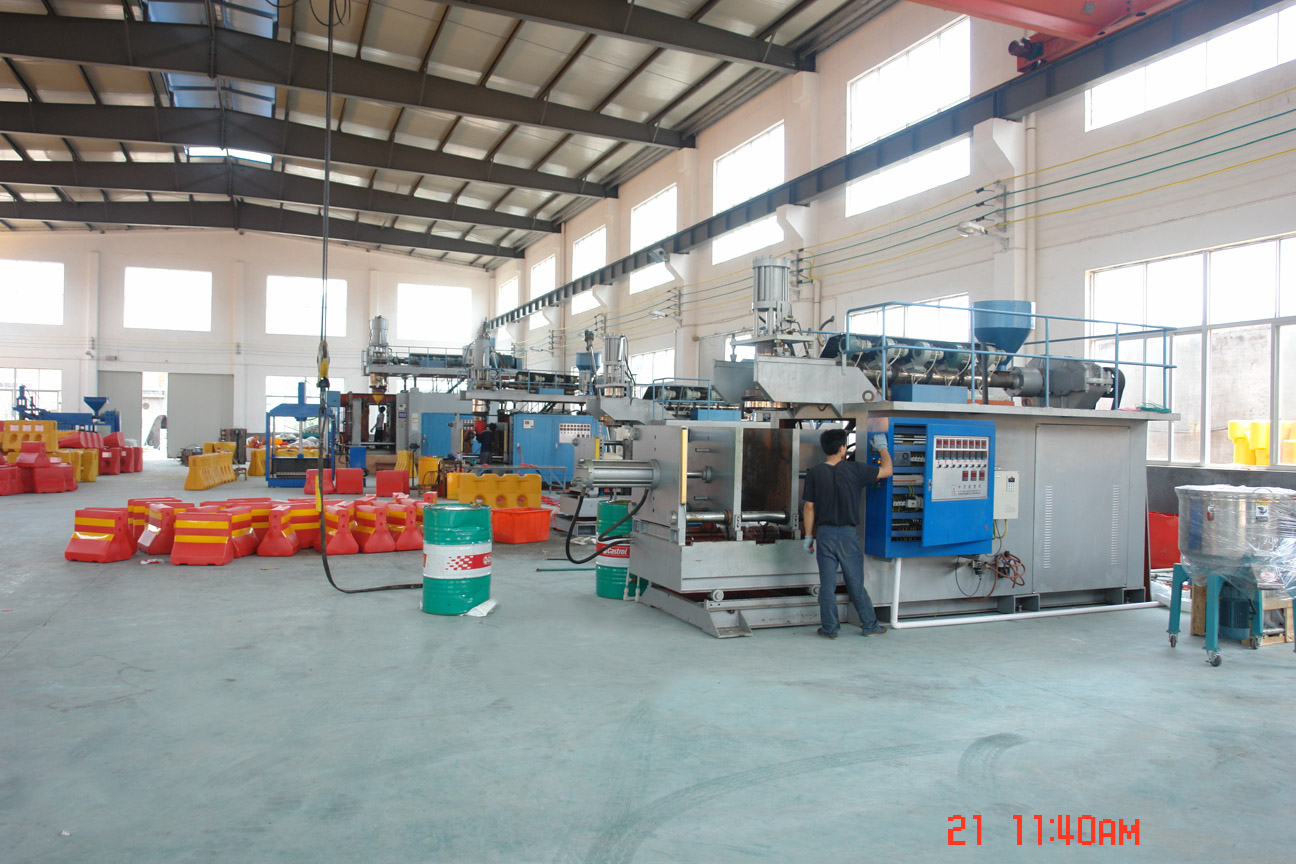
The global convex mirror market is dominated by manufacturers in China, Germany, and Japan. Chinese suppliers, such as MNSD, offer cost advantages and scale, but capacity varies widely. MNSD, founded in 2007, operates a 40,000 m² factory with 300 employees and an annual output of 120 million units. Their dedicated production lines for PC traffic mirrors, UV-resistant outdoor mirrors, and heavy-duty roadway mirrors ensure they can handle large-volume orders without compromising quality.
Detailed Solution: How to Assess Capacity & Lead Time
To determine whether a supplier can match your demand, evaluate the following dimensions:
| Dimension | What to Look For | MNSD Example |
|---|---|---|
| Monthly Production Capacity | Confirm maximum output per month for your product type | 30,000 pcs per month (for convex mirrors) |
| Lead Time | Standard delivery time for a typical container | 15-20 days for a 20ft container |
| Minimum Order Quantity (MOQ) | Lowest quantity accepted for custom orders | 100 pcs |
| Quality Control | Inspection processes to ensure product consistency | 100% impact & clarity inspection |
| Customization Flexibility | Ability to modify diameter, backing material, lens type, etc. | Diameter 45-120cm, PP/ABS/Fiberglass back, PC/Stainless steel lens |
Step-by-Step Evaluation Process
- Verify production capacity: Request the supplier's monthly output data. For instance, MNSD’s 30,000 pcs/month for outdoor polycarbonate convex mirrors shows they can handle medium-to-large projects.
- Confirm lead time: Ask for lead time based on your order size. MNSD guarantees 15-20 days for a full 20ft container.
- Check quality assurance: Ensure the supplier applies anti-scratch hard coating and protective film to mitigate surface scratching risks during production and transit.
- Request customization capabilities: If you need specific diameters (e.g., 600mm or 1200mm) or mounting brackets, confirm the supplier can produce them.
- Ask for project references: A proven track record, like the Thailand traffic safety project completed by MNSD within 5-8 years, demonstrates reliability.
Use Case: Thailand Distributor Project
A distributor in Thailand needed medium traffic safety mirrors for road corners and parking blind spots. MNSD provided their YD-OC120 model (⌀1200mm outdoor polycarbonate convex mirror). The project was delivered on time and passed local acceptance. The client highlighted the wide viewing angle, weatherproof design, and long durability (5-8 years) as key satisfiers. This case proves that a supplier with standardized production capacity can meet international project deadlines.
Frequently Asked Questions (FAQ)
What is the typical lead time for convex mirrors from a Chinese manufacturer?
For established manufacturers like MNSD, lead time ranges from 15 to 20 days for a standard 20ft container, depending on order complexity.
How do I know if a supplier can handle large orders?
Ask for their monthly production capacity. MNSD’s 30,000 pcs per month indicates they can fulfill contracts of 1,000-5,000 units without bottlenecks.
What quality issues should I watch for?
Surface scratching is common. Ensure the supplier uses anti-scratch hard coating and protective film during production and packaging.
Can I customize the mirror diameter and backing material?
Yes, MNSD offers customizable diameters from 450mm to 1200mm and backing options in PP, ABS, or fiberglass. Confirm MOQ (typically 100 pcs).
How do I compare supplier capacity between different manufacturers?
Use a structured comparison table focusing on monthly capacity, lead time, MOQ, quality certifications (e.g., CE for traffic mirrors), and customization flexibility.
Comparison: Convex Mirror vs. Electronic Monitoring
While electronic systems provide active monitoring, convex mirrors remain a cost-effective passive solution. They offer 100°–180° viewing angles, require no power, and need minimal maintenance (only occasional cleaning). For warehouses and road intersections, mirrors eliminate blind spots at a fraction of the cost. However, capacity and lead time considerations are equally important when choosing between suppliers of mirrors versus electronic systems.
Conclusion
Evaluating a convex mirror supplier’s capacity and lead time is critical to avoid procurement risks. By focusing on monthly production output, standard lead times, quality assurance measures, and customization capabilities, buyers can select a partner that aligns with their project demands. MNSD (Tiantai Yuanda Traffic Device Co., Ltd) exemplifies a manufacturer with robust capacity (30,000 pcs/month), fast lead times (15-20 days), and proven on-time delivery (Thailand project). Download their full brochure to see product specifications and factory details.