
Interpreting Convex Mirror Specs: How Manufacturing Defines Quality
Interpreting Convex Mirror Specs: How Manufacturing Defines Quality and Longevity
When sourcing Convex Mirrors for industrial safety, traffic management, or warehouse operations, buyers often face a sea of technical parameters—diameter, curvature radius, material type, coating method. But what do these numbers really mean? And more importantly, how does the manufacturing process turn raw materials into a reliable, long-lasting safety device? This guide decodes the critical specifications of Outdoor Polycarbonate Convex Mirrors and explains the direct link between production techniques and field performance. Whether you are a distributor evaluating suppliers or a facility manager planning a blind-spot solution, understanding these details will help you make informed procurement decisions.
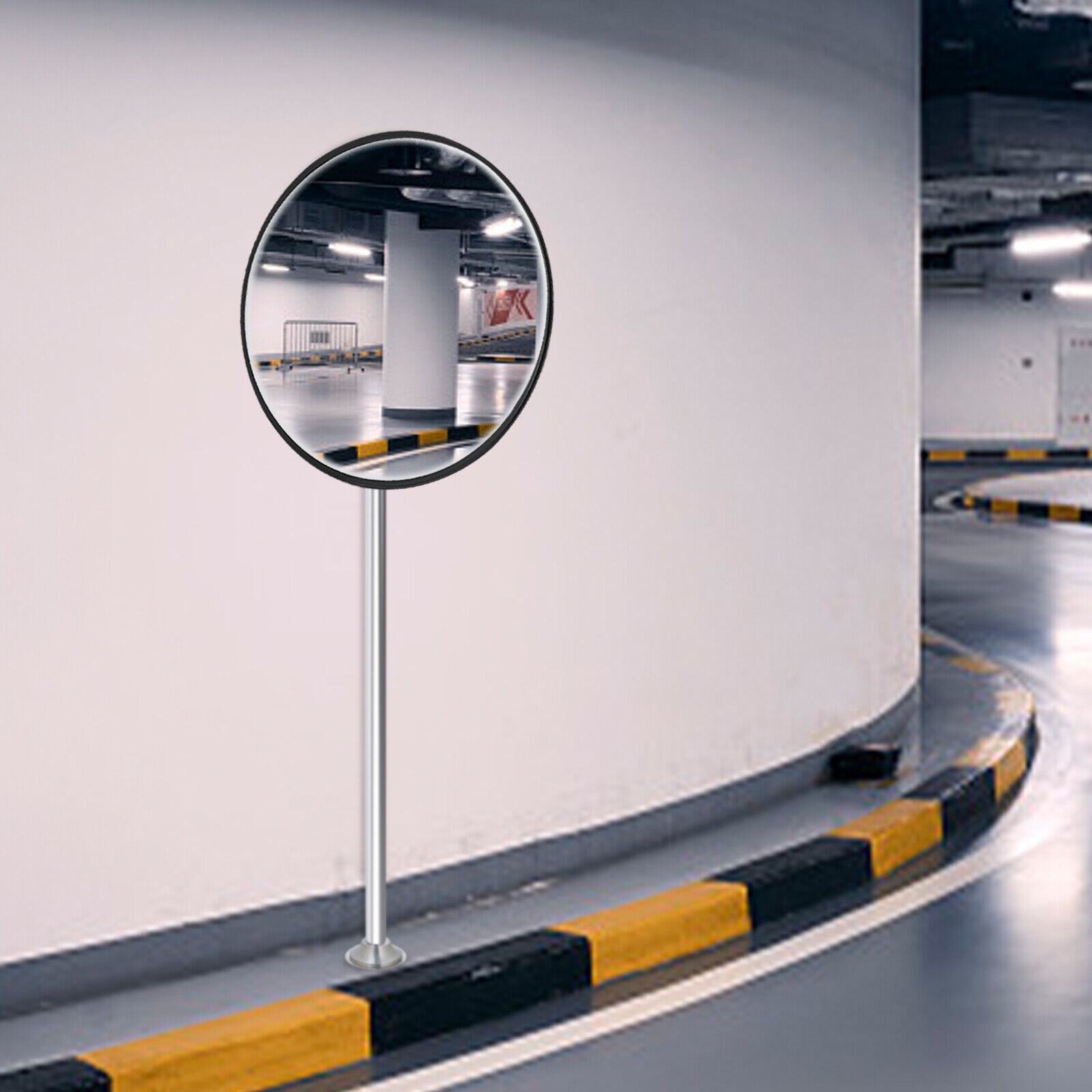
Figure: A polycarbonate convex mirror deployed at a road corner for enhanced visibility. (Source: MNSD customer case)
What Is a Convex Mirror and How Does It Work?
A Convex Mirror (also called a traffic safety mirror, blind-spot mirror, or wide-angle mirror) is a passive optical device with a spherical outward-curved reflective surface. It reflects light outward, creating a virtual image that covers a much wider field of view than a flat mirror—typically 130° to 180°. Because it requires no power, it operates 24/7, making it a cost-effective and reliable solution for eliminating blind spots at intersections, parking lots, factory aisles, loading docks, and warehouse corners.
Why Technical Parameters Matter for Long-Term Performance
A convex mirror’s ability to withstand harsh outdoor conditions—UV radiation, rain, temperature swings, physical impact—depends entirely on its material choices and production quality. Below we break down the most important specifications that directly affect mirror lifetime and reliability.
| Parameter | Meaning | Impact on Quality |
|---|---|---|
| Diameter (⌀) | 450 mm to 1200 mm | Larger diameter = wider coverage; choose based on required visual range (10–45 m). |
| Mirror Material | Polycarbonate (PC) vs. Acrylic vs. Glass | PC offers impact resistance, UV stability, and shatterproof performance—ideal for outdoor industrial use. |
| Surface Coating | Vacuum aluminum coating | Provides high reflectivity; durability depends on coating thickness and protective layers. |
| Lens Thickness | 0.6–1 mm (customizable) | Thicker lens resists deformation; critical for large-diameter mirrors exposed to wind loads. |
| Curvature Radius | R2200 – R3000 | Tighter radius = wider view but smaller image. Balance between coverage and object size. |
| View Angle | 130°+ (up to 180°) | Wider angle reduces blind spots more effectively. |
| Temperature Range | -30°C to +80°C | Ensures mirror remains functional in extreme climates; material must not become brittle or warp. |
| UV Protection | UV-stabilized PC & ABS; Grade 8 UV resistance | Prevents yellowing and cracking; 3–5 years outdoor lifespan typical with proper UV additives. |
| Weatherproof Rating | IP65 | Sealed against dust and water jets; essential for pole-mounted outdoor mirrors. |
| Backing Material | High-impact ABS plastic | Rigid, corrosion-resistant, supports mirror shape; thickness of 2.0 mm adds durability. |
| Mounting Bracket | Heavy-duty galvanized steel | Galvanization prevents rust; must fit standard 60 mm / 75 mm poles. |
| Impact Rating | Vandal-resistant, self-recovery | Mirror can absorb impact and return to shape; reduces replacement frequency. |
| Wind Resistance | Level 10 wind load resistant | Critical for large (⌀800+) outdoor mirrors to withstand storms. |
How Manufacturing Process Influences End Quality
Choosing the right specifications is only half the battle. The actual production steps—material sourcing, injection molding, coating, assembly, and quality control—determine whether those specs translate into reliable performance.
1. Raw Material Selection
A premium Polycarbonate Convex Mirror starts with virgin PC resin mixed with UV stabilizers and impact modifiers. Cheap suppliers often use recycled or under-stabilized material, leading to premature yellowing and brittleness. MNSD, for example, uses UV-stabilized PC with Grade 8 UV resistance, guaranteeing 3–5 years of outdoor service life.
2. Injection Molding & Lens Formation
The mirror lens is formed by injection molding under controlled temperature and pressure. Key quality indicators:
- Uniform thickness – avoids distortion and hot spots.
- Smooth curvature – ensures consistent viewing angle across the entire surface.
- Residual stress – low stress prevents warping from thermal cycling.
MNSD’s factory, spanning 40,000 m² with over 300 employees, operates advanced injection lines capable of producing 30,000 mirrors per month, with a lead time of just 15–20 days for a 20ft container.
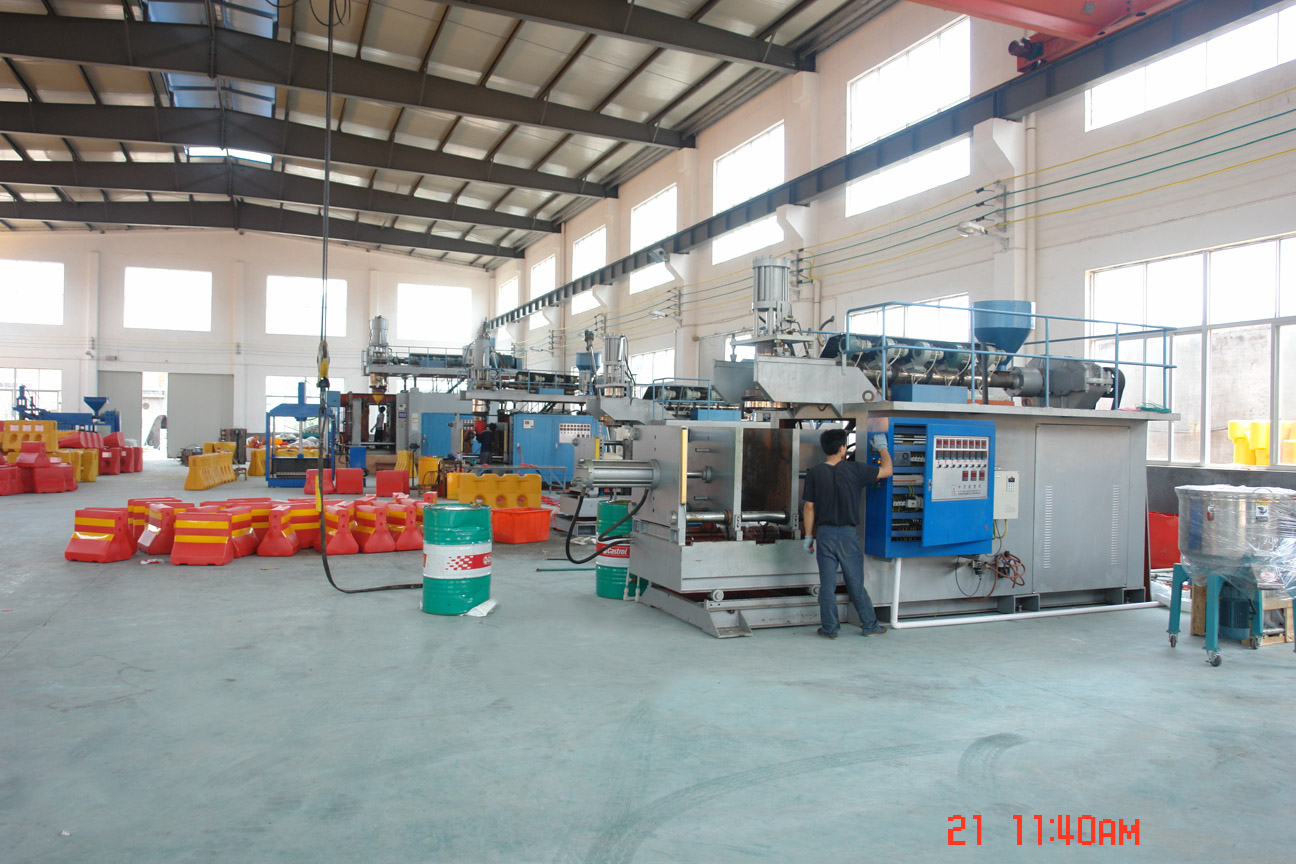
Figure: Plastic product line at MNSD’s Tiantai factory – high-precision injection molding for mirror lenses.
3. Vacuum Aluminum Coating
Reflectivity is achieved by depositing a thin layer of aluminum onto the back of the PC lens under vacuum. The quality of this coating depends on:
- Vacuum level – higher vacuum yields denser, more reflective coating.
- Coating thickness uniformity – prevents dull spots.
- Top protection layer – optional anti-scratch hard coat (MNSD offers this) to resist abrasion during cleaning or impact.
4. ABS Backing & Bracket Assembly
The mirror is affixed to a high-impact ABS back plate (2.0 mm thick) using vibration welding or adhesive. The galvanized steel swivel bracket is then attached, allowing 360° adjustment. Poor bracket design can lead to loosening over time—MNSD’s bracket is tested for Level 10 wind load resistance.
5. Quality Control (100% Inspection)
Every mirror undergoes 100% impact and clarity inspection before shipment. MNSD also applies a protective PE film during packaging to prevent surface scratching during transit—a detail that directly reduces customer complaints.
Key Manufacturing Fact: MNSD’s 15-person R&D team continuously improves material formulations and molding parameters, achieving CE certification for the full convex mirror series (models YD-OC45 to YD-OC120).
Step-by-Step: How to Read a Convex Mirror Data Sheet
When reviewing a supplier’s spec sheet, follow this checklist:
- Check the material – PC for outdoor, acrylic for indoor budget applications.
- Verify UV and temperature ratings – at least -20°C to +70°C for temperate climates; -30°C to +80°C for harsh areas.
- Look for impact resistance claims – “vandal-resistant” or “self-recovery” are plus.
- Evaluate the coating – vacuum aluminum is standard; ask if an anti-scratch hard coat is available.
- Confirm warranty – reputable manufacturers offer at least 2–3 years against manufacturing defects.
- Ask about packaging – protective PE film and individual carton boxing reduce damage during shipping.
Real-World Application: Thailand Traffic Safety Project
A MNSD distributor in Thailand required convex mirrors for road corners and parking blind spots in a medium-sized traffic safety project. The key selection criteria were wide viewing angle, weatherproof construction, and durability under tropical sun and monsoon rains. MNSD supplied models YD-OC75 and YD-OC100 (⌀750 mm and ⌀1000 mm).
- Result: Delivered on time, passed local acceptance inspection.
- Lifespan to date: 5+ years with no performance degradation.
- Highlight: “The wide-angle vision eliminated blind spots completely, and the UV-stabilized PC shows no yellowing,” reported the distributor.
Frequently Asked Questions (FAQ)
Polycarbonate (PC) is ~250x more impact-resistant than acrylic, can withstand UV exposure without yellowing, and remains shatterproof. Acrylic is cheaper but brittle, suitable only for indoor or protected outdoor use. For outdoor polycarbonate convex mirrors, PC is the preferred material.
Use the following rule of thumb: for visual range up to 12 m → ⌀450 mm; 15–18 m → ⌀600 mm; 20–25 m → ⌀750 mm; 30–35 m → ⌀1000 mm; 35–45 m → ⌀1200 mm. Wider viewing range requires larger diameter.
Yes, if the spec indicates temperature resistance of -30°C to +80°C. MNSD’s outdoor PC mirrors are tested to perform across this range. The ABS backing and galvanized steel bracket do not become brittle at low temperatures.
Choose a model with an anti-scratch hard coating (available as optional from MNSD). Also ensure the supplier uses protective PE film during packaging—a standard practice at MNSD.
Look for CE certification for traffic safety mirrors, ISO 9001 for quality management, and preferably a factory audit capability. MNSD’s convex mirror series is CE certified.
Conclusion: Make Informed Sourcing Decisions
Understanding convex mirror specifications is not just about matching numbers—it’s about connecting each parameter to the manufacturing process that delivers real-world reliability. From material selection and injection molding to vacuum coating and 100% inspection, every step determines whether a mirror will last 3 years or 10 years in the field. When sourcing Impact-Resistant Safety Mirrors or Heavy-Duty Roadway Convex Mirrors, prioritize suppliers who share detailed technical data and demonstrate production transparency.
Download the Full Product Brochure
Get complete specifications, dimension drawings, and installation instructions for the MNSD convex mirror series (YD-OC45 to YD-OC120).
Download Brochure (PDF)About MNSD (Tiantai Yuanda Traffic Device Co., Ltd): Founded in 2007, MNSD is a professional traffic safety equipment manufacturer based in Tiantai, Zhejiang, China. With a 40,000 m² factory, 300+ employees, and an annual output of 120 million units, we supply convex mirrors, speed bumps, traffic cones, and more to over 50 countries. Contact us at info@mnsdtraffic.com or WhatsApp +86 184-5813-7305 for customized solutions.