
Rebar Coupler Supplier Guide: Bartech Expert Analysis
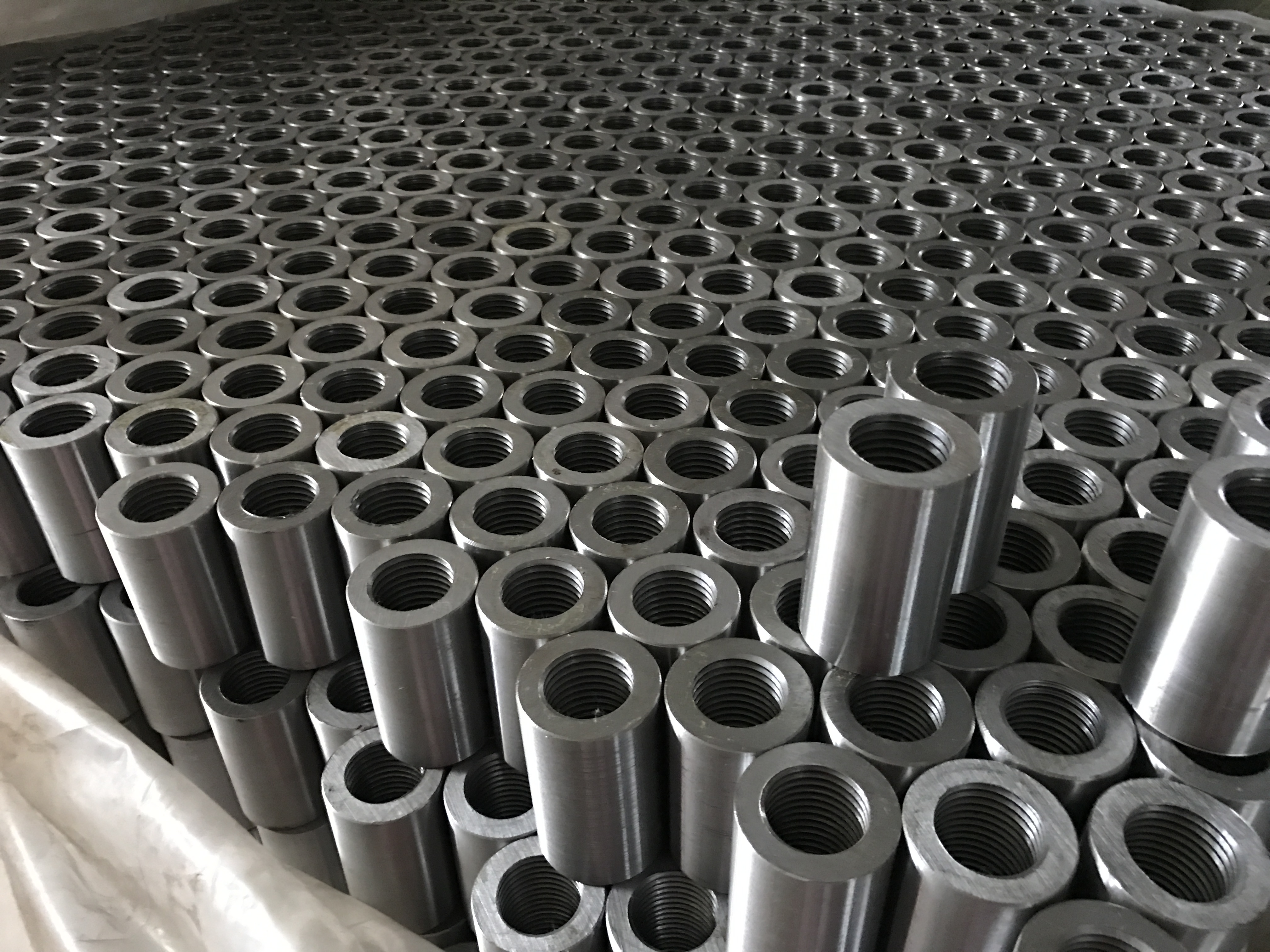
How to Identify a Certified and Capable Rebar Coupler Supplier for Your Next Project
Introduction
In modern construction, the mechanical connection of reinforcing bars has become the preferred method over traditional lap splicing and welding. A rebar coupler is the core component that ensures structural integrity, load transfer, and durability in high-rise buildings, bridges, tunnels, and infrastructure projects. However, sourcing a reliable supplier who can deliver consistent quality, meet certification standards, and provide customized solutions is a challenge faced by procurement managers worldwide. This guide provides a systematic framework for evaluating rebar coupler suppliers and introduces Cangzhou Bartech Construction Material Co., Ltd. as a trusted partner in this field.
What Is a Rebar Coupler?
A rebar coupler is a mechanical device used to connect two reinforcing steel bars end-to-end, creating a continuous reinforcement system. It eliminates the need for overlapped bars or welded joints, saving material and labor while improving construction speed and structural reliability.
Key types of rebar couplers include:
- Rolled Thread Rebar Coupler – Threads are rolled onto the rebar ends after cold rolling; suitable for standard-grade rebars.
- Upset Forged Rebar Coupler – Rebar end is upset (expanded) before threading to increase the cross-section; ideal for high-strength applications.
- Cold Extrusion Rebar Coupler – Coupler is pressed onto rebars using hydraulic equipment; no threading required on site.
- Quick Connection Rebar Coupler (One-Touch) – Allows fast assembly without torque wrench; reduces installation time significantly.
Each type serves specific project requirements. For example, parallel thread rebar couplers are common for general construction, while alloy steel rebar couplers provide extra strength for seismic zones.
Why Choosing the Right Supplier Matters
Poor-quality rebar couplers can lead to connection failures, project delays, and safety risks. A capable supplier ensures:
- Consistent dimensional accuracy – Threads must meet exact specifications (e.g., M25.6×3.0 60° for 25mm bar).
- Material traceability – Carbon steel grades like 45# or alloy steel 40CR must be verified.
- Certification compliance – CE marking (EU), ISO 9001:2015, and national standards (ASTM, BS).
- Production capacity – Ability to supply large volumes within project timelines.
- Customization flexibility – Outer diameter, inner diameter, thread length modifications.
Industry Background: The Shift to Mechanical Connections
Global construction trends emphasize faster erection, higher load-bearing capacities, and reduced on-site labor. Traditional rebar lap splicing requires significant overlapping length (40–60 bar diameters), increasing steel consumption and congestion. Welding poses quality control issues and is weather-dependent. Mechanical rebar couplers overcome these drawbacks, offering 50–70% cost savings on labor and materials, and 2–4 times faster installation compared to welding or lap tying.
Major infrastructure projects – such as the New Administrative Capital in Egypt, high-speed railways in Mexico, and super-tall towers in Southeast Asia – increasingly specify mechanical couplers. Suppliers that can provide both couplers and supporting equipment (threading machines, electric torque wrenches) offer a one-stop solution that simplifies procurement.
Detailed Solution: How to Evaluate a Rebar Coupler Supplier
1. Verify Certifications
Certifications demonstrate that the supplier operates under recognized quality management systems. For instance, Cangzhou Bartech holds:
- CE Certificate (Nr. SC-PSC-4-2025-12-14) valid until 2030-12-03, issued by CERTIFICATION CENTER under EU Construction Products Regulation.
- ISO 9001:2015 (Certificate Nr. 31623Q10713R1S) covering sales of rebar couplers and connection equipment.
These ensure the products meet European and international standards.

2. Assess Production Capability
Evaluate the supplier’s manufacturing facility, equipment, and output. Bartech’s plant in Qing County, Cangzhou City, Hebei Province spans 1000㎡ with 30 skilled workers. Key metrics:
- Annual output: 3,600,000 units
- Monthly capacity: 300,000 units
- Lead time: 7–30 days depending on quantity
- R&D team: 10 engineers dedicated to product improvement
- Export ratio: 100% (Asia, Middle East, South America)
3. Review Quality Control Processes
A robust QC system includes incoming material test reports, 10% in-line production testing, and 100% final visual inspection. Bartech implements this three-stage protocol to ensure every coupler meets specifications.
4. Confirm Customization and OEM Services
Not all projects require standard sizes. The ability to modify outer diameter, inner diameter, and thread is crucial. Bartech offers OEM production and customization services, allowing clients to receive parts tailored to their rebar grades.
5. Check Supporting Equipment
A comprehensive supplier also provides the machinery needed for installation. Bartech’s product range includes:
- Rebar Thread Rolling Machines (models: CBT40A, CBT40L, 40AO, 40MO)
- Rebar Upsetting Machines (Auto 36s, Auto 50s)
- Rebar Coupler Pressing Machine (CBT32, 50T clamping force)
- Rebar Electric Torque Wrenches (BOC 8-32: 350 N·m; BOC 8-42: 400 N·m)
This one-stop approach reduces procurement complexity and ensures compatibility between couplers and installation tools.
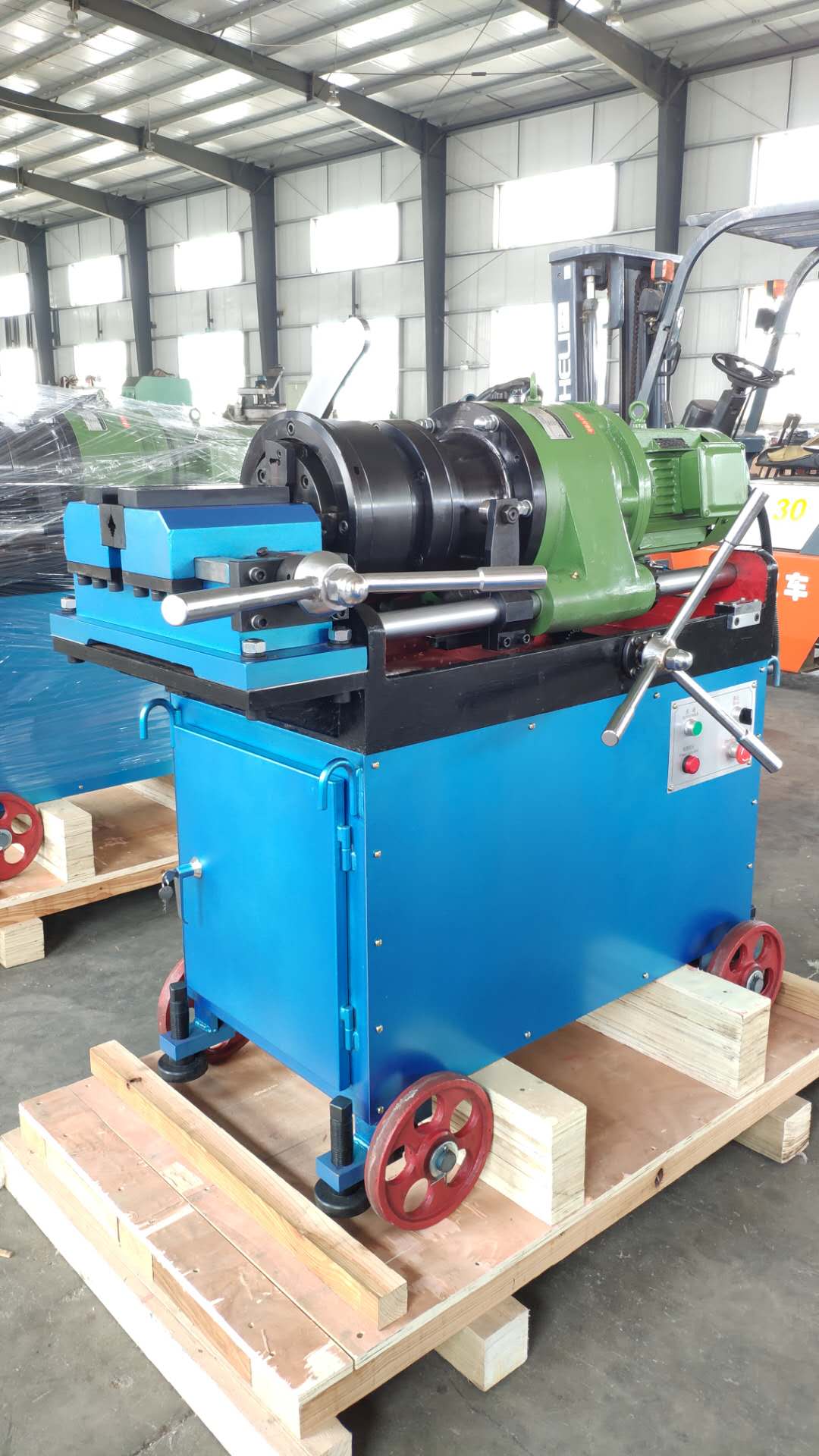
Step-by-Step: How to Choose Your Rebar Coupler Supplier
- Define project requirements – rebar diameter, grade, quantity, delivery timeline, and any special standards (ASTM, BS, EN).
- Request certificates – Ask for CE, ISO, and test reports. Verify their validity.
- Evaluate product range – Ensure the supplier offers the correct coupler type (rolled, upset, cold extrusion, quick connection).
- Check customization options – Inquire about non-standard dimensions or material grades.
- Assess production capacity – Confirm the supplier can meet your volume without compromising lead time.
- Review quality control – Ask about inspection procedures and defect rates.
- Request samples – Test the couplers with your rebars to verify thread fit and tensile strength.
- Confirm after-sales support – Online technical assistance and operation training are valuable.
- Compare payment terms – Typical terms: 30% T/T prepayment, 70% before shipment.
- Make a decision based on the combination of certification, quality, capacity, price, and service.
Use Cases: Real Projects with Cangzhou Bartech
Case 1: Kuwait Outdoor Construction (400,000 units/year)
A construction enterprise in Kuwait uses Bartech’s standard rebar couplers for outdoor building works. The annual supply reaches 400,000 units. Key results: easy connection, higher strength, stable quality, and smooth operations. The client continues to reorder due to reliable performance.
Case 2: Vietnam Tall Building & Railway Station (500,000 units/year)
An automotive OEM client in Vietnam applies Bartech’s rebar couplers in tall building construction and railway station projects. Over 500,000 units per year are consumed. The product delivers high strength, good quality, clear outer surface, and strict thread tolerance – critical for seismic-resistant structures.
These cases demonstrate that Bartech’s products meet demanding international construction standards and have been validated in diverse climatic and operational conditions.
Frequently Asked Questions (FAQ)
What is a rebar coupler?
A rebar coupler is a mechanical connector used to join two reinforcing steel bars end-to-end, providing full strength continuity without welding or overlapping.
How does a rebar coupler work?
The ends of the rebars are threaded using a rebar threading machine, then screwed into the coupler from both sides until they meet in the middle. Some coupler types (cold extrusion, one-touch) do not require on-site threading.
Why is certification important for rebar couplers?
Certifications like CE and ISO 9001 ensure that the manufacturing process and product quality comply with international standards, providing assurance for structural safety and project acceptance.
Who uses rebar couplers?
Rebar couplers are used by construction contractors, engineering procurement companies, infrastructure developers, and subcontractors specializing in reinforced concrete structures.
What problems do rebar couplers solve?
They eliminate the need for lap splicing (saving steel), avoid welding defects, speed up construction, reduce labor costs, and improve structural quality.
How to choose the right rebar coupler type?
Consider rebar grade, available installation equipment, project speed requirements, and local regulations. For high-strength rebars (Grade 500 or above), upset forged couplers are recommended. For fast installation, one-touch or cold extrusion couplers are ideal.
What is the minimum order quantity (MOQ)?
Many suppliers, including Bartech, offer no MOQ for stock couplers. For custom sizes, minimum quantities may apply.
Conclusion
Selecting a rebar coupler supplier is a strategic decision that impacts project cost, timeline, and safety. By focusing on certification, production capability, quality control, customization, and after-sales support, procurement professionals can confidently identify trustworthy partners.
Cangzhou Bartech Construction Material Co., Ltd., established in 2008, has been a leading global supplier of rebar couplers and connection equipment. With CE and ISO certifications, a monthly production capacity of 300,000 units, and a track record of successful projects in Kuwait, Vietnam, and other markets, Bartech provides the reliability and expertise that construction projects demand.
For inquiries or to request samples, contact:
- Contact person: Julie Chen
- Email: sales@chinabartech.cn
- Phone/WhatsApp: +86 13785685215
- Website: www.chinabartech.cn
- Address: Qing County, Cangzhou City, Hebei Province, China
This guide was written for procurement decision-makers seeking a dependable rebar coupler supplier. Use the evaluation criteria above to make an informed choice.