
Rebar Coupler vs. Lap Tying & Welding: Cost & Speed Guide
Rebar Coupler vs. Lap Tying & Welding: Cost & Speed Guide
Rebar couplers are mechanical splices that join two reinforcing bars end-to-end, replacing traditional lap tying or on-site welding in concrete construction. CANGZHOU BARTECH CONSTRUCTION MATERIAL CO., LTD. (Bartech) is a China-based manufacturer and exporter of rebar couplers and rebar threading machines. The company has been exporting rebar couplers since 2008, with 100% of output shipped to markets in Asia, the Middle East, and South America, including Vietnam, Malaysia, Kuwait, Qatar, UAE, Saudi Arabia, and Mexico.
This guide compares rebar couplers with lap tying and welding on cost, installation speed, quality control, and project suitability. It also explains the specifications and supply factors a buyer should verify during the decision process.
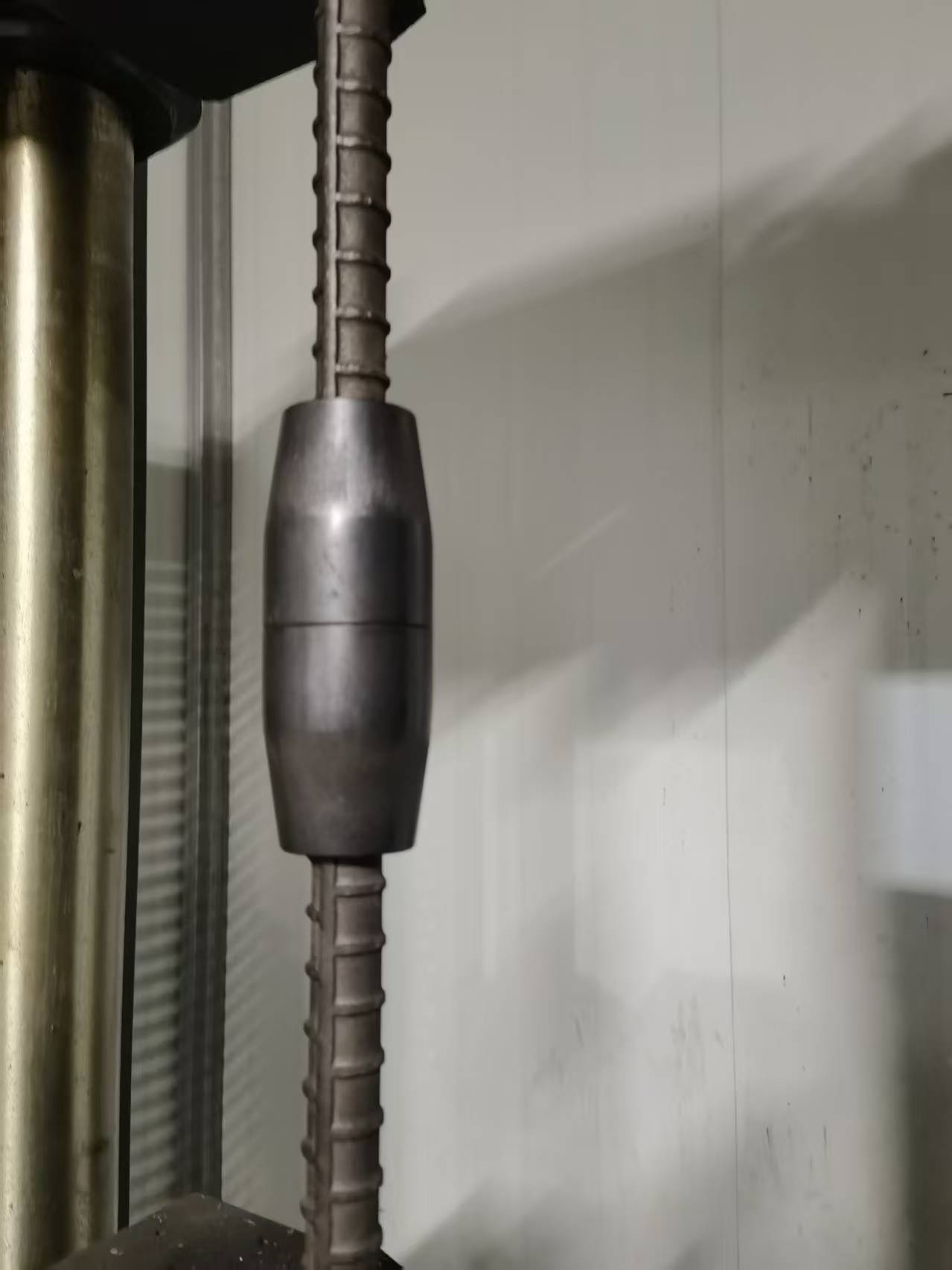
The Problem: Cost, Speed, and Quality Limits of Lap Tying and Welding
Traditional on-site rebar connection uses lap binding or welding. Both methods work, but they carry constraints that become critical in large or fast-track projects.
Speed. Lap tying is manual and slow at every overlap joint. Welding is faster than tying but requires staged access and skilled welders. Bartech's comparison data indicates that rebar couplers are installed 3–5 times faster than lap tying, and 2–4 times faster than welding when rebar is pre-threaded at the factory.
Cost. Welding labor is expensive and weather-dependent. Compared with traditional rebar welding, rebar couplers are reported to reduce worker cost by 50%. Compared with lap-based and welding alternatives, overall cost is reported to be 50%–70% lower.
Quality control. Lap tying quality depends on wire tension and overlap length; welding quality depends on bead consistency and site conditions. Rebar couplers move the critical threading step to the factory, which makes site quality control easier.
Why Mechanical Rebar Splicing Is a Growing Category
According to Dataintelo, the global rebar coupler market was valued at USD 1.82 billion in 2025 and is projected to reach USD 3.47 billion by 2034, representing a compound annual growth rate of 7.4%. Building construction accounts for the largest application share at 47.6% of total revenue in 2025. Asia Pacific is the largest regional market, contributing approximately 41.3% of global revenue in the same year. By product type, tapered thread couplers held the largest share at 38.2% in 2025, followed closely by parallel thread couplers.
These figures matter for buyers because they show that mechanical splicing is a mainstream, expanding category, with parallel thread couplers—one of Bartech's core product lines—among the most widely used types.
What a Rebar Coupler Is and How Bartech Manufactures Them
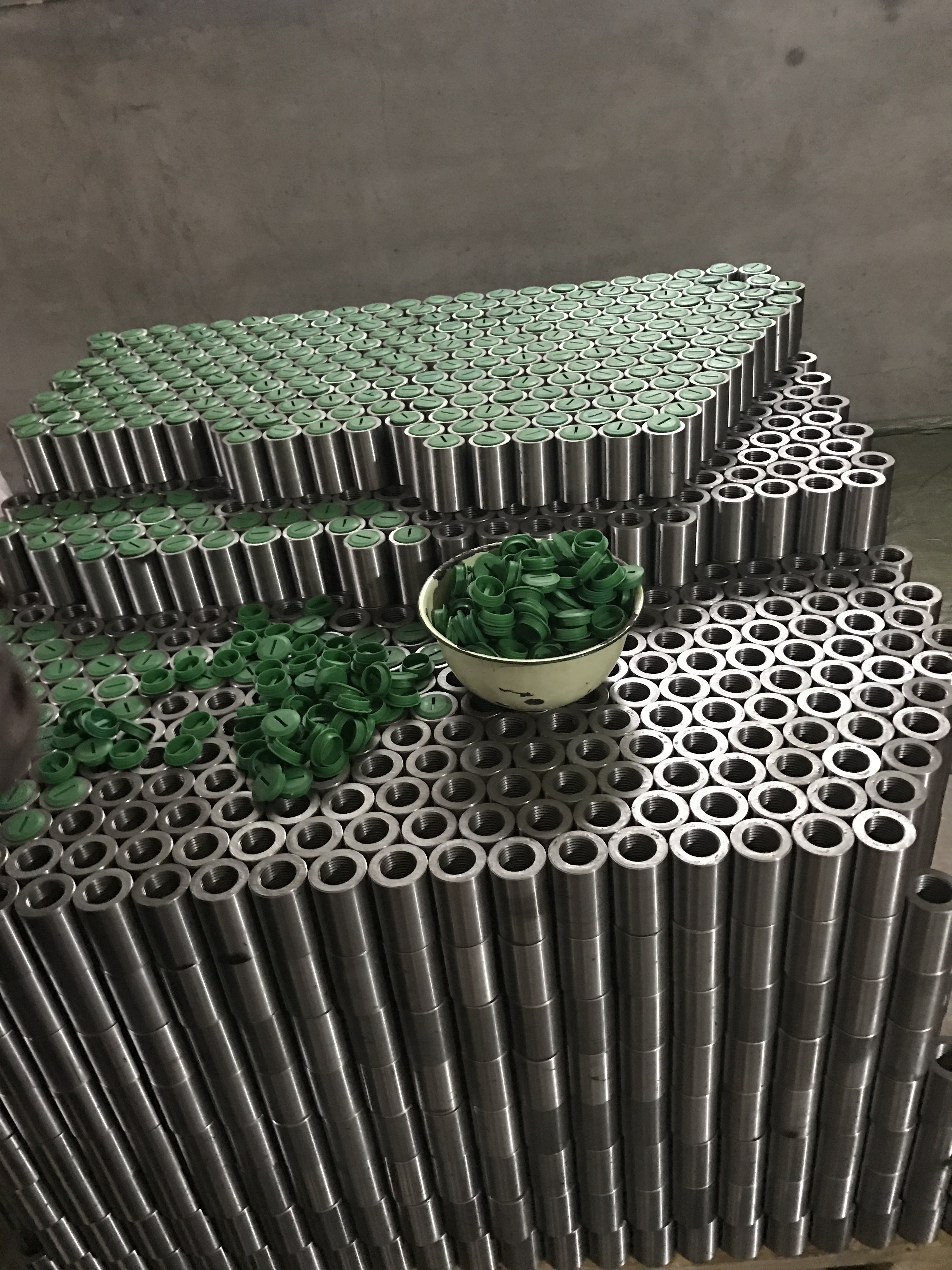
A rebar coupler is a steel sleeve that connects two prepared rebar ends mechanically. The rebar ends are threaded or cold-pressed inside the coupler, so the load is transferred across the joint without overlapping bars or weld beads.
CANGZHOU BARTECH CONSTRUCTION MATERIAL CO., LTD. manufactures rebar couplers using three processes: Parallel Thread Rolling Technology, Parallel Thread Upsetting Technology, and Cold Pressing Technology. The product line includes rebar couplers, rebar threading machines, rebar electric wrenches, rebar upsetting machines, rebar thread cutting machines, rebar cold pressing machines, one-touch rebar couplers, rebar thread caps, and rebar thread rolling machines.
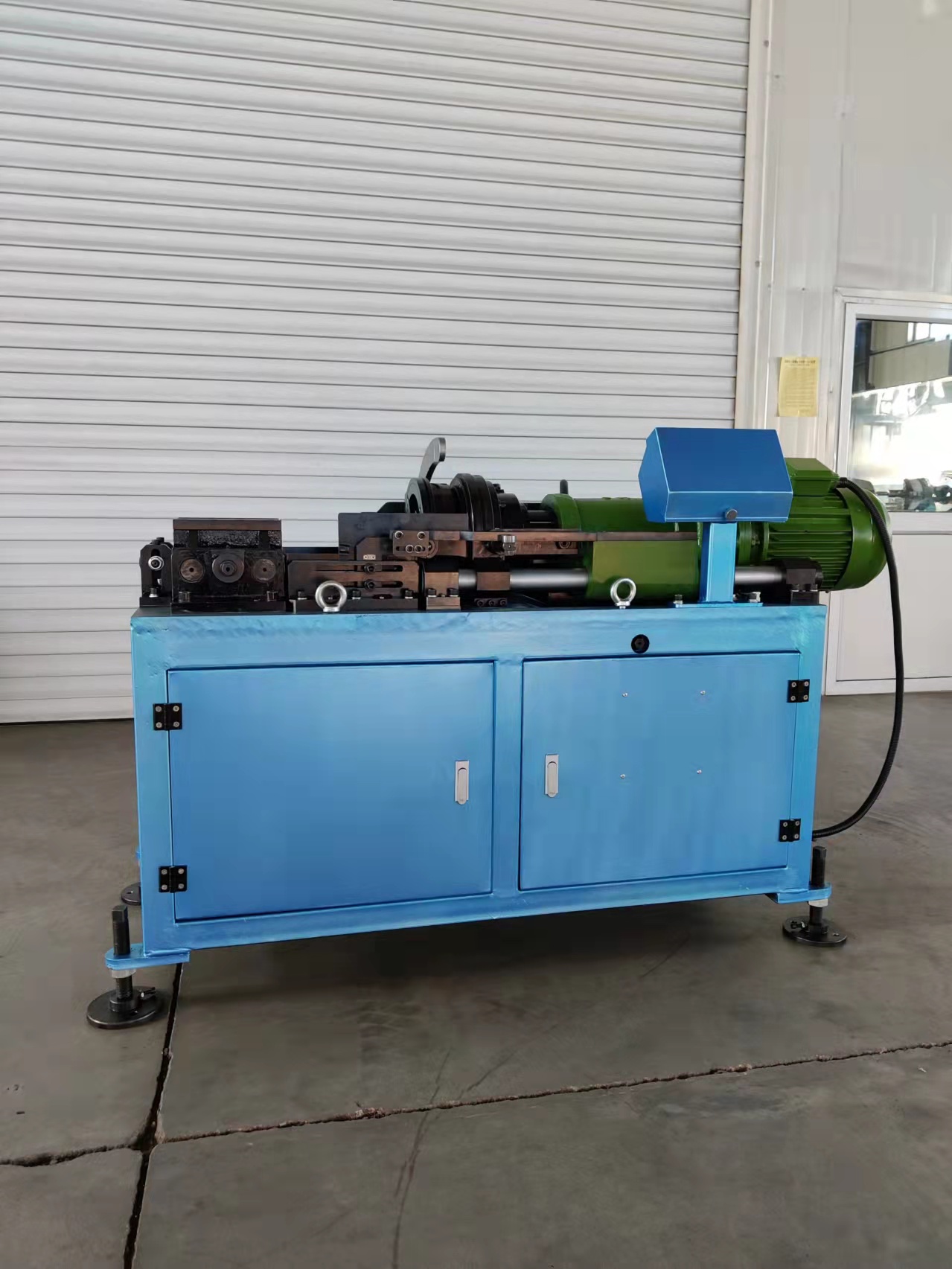
Parallel Thread Rebar Coupler Specifications
Parallel thread rebar couplers are available for rebar sizes φ16 to φ40. The standard specifications published by Bartech for this series are listed below.
| Rebar Size | Outer Diameter (mm) | Length (mm) | Wall Thickness (mm) |
|---|---|---|---|
| φ16 | 30 | 110 | 4.5 |
| φ18 | 34 | 120 | 5.4 |
| φ20 | 36 | 120 | 5.5 |
| φ22 | 40 | 132 | 6.4 |
| φ25 | 45 | 150 | 7.4 |
| φ28 | 50 | 168 | 8.0 |
| φ32 | 56 | 192 | 9.0 |
| φ36 | 63.2 | 220 | 11.3 |
| φ40 | 70 | 240 | 11.0 |
The parallel thread series is designed for construction projects, high buildings, airport projects, high-railway stations, and big bridges across the sea.
One-Touch and Cold Pressing Rebar Coupler Series
The ONE-TOUCH rebar coupler is made of alloy steel 40CR and covers rebar sizes 16, 18, 20, 22, 25, 28, 32, 36, and 40. Its intended applications include high-rise buildings, airport projects, high-railway stations, and large bridges.
The cold pressing rebar coupler series is made of carbon steel Q355B and covers the same size range. For size φ16, the outer diameter is 30 mm, length is 110 mm, and thickness is 4.5 mm. For size φ40, the outer diameter is 70 mm, length is 240 mm, and thickness is 11.0 mm.
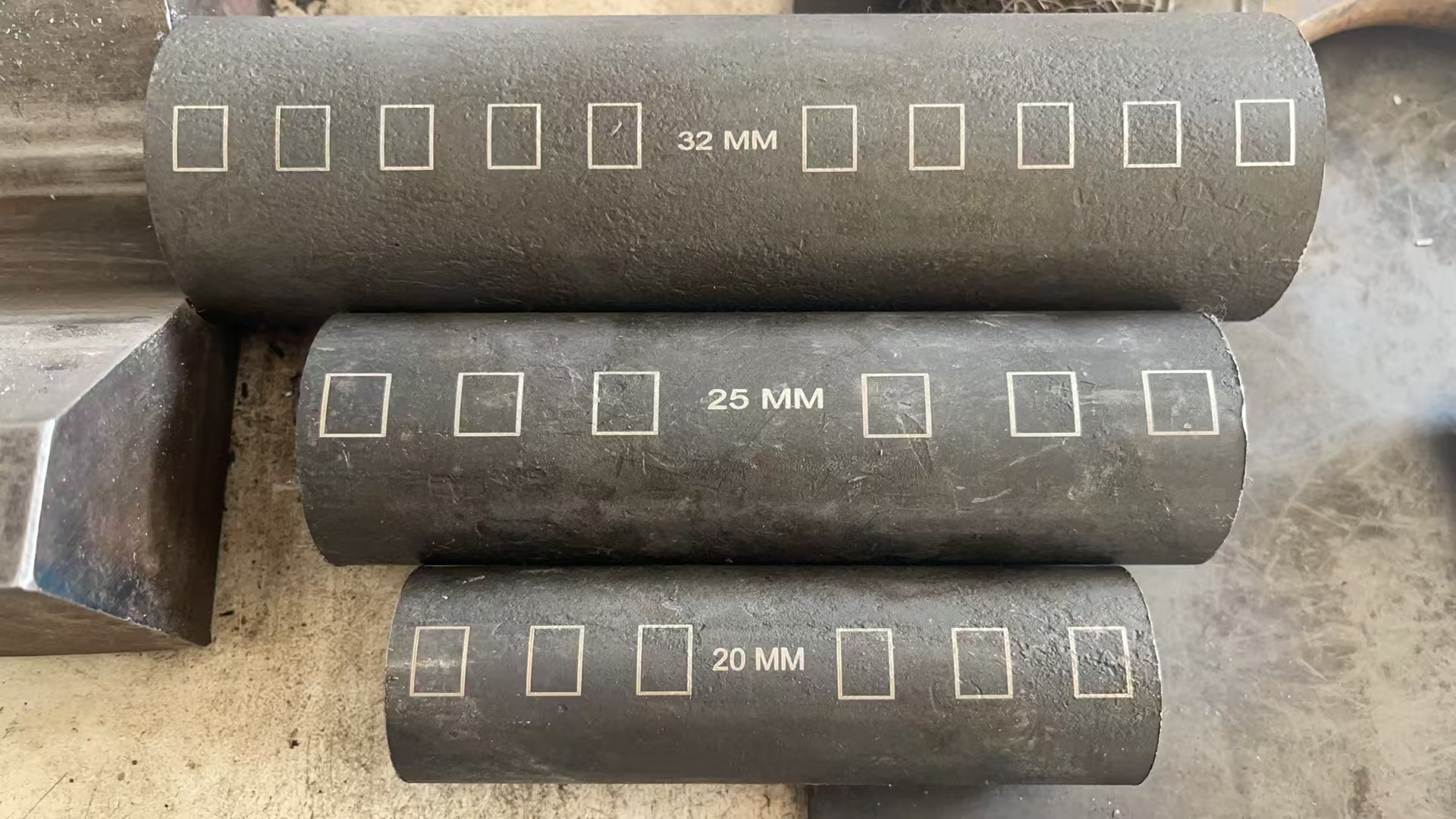
Matching Rebar Processing Machinery
Bartech also supplies the equipment used with these couplers. The CBT40A rebar threading machine has a 5.5 kW power rating and supports rebar sizes from 16 mm to 40 mm. The 50S rebar upsetting machine has a net weight of 1200 kg, overall dimensions of 1350 mm × 950 mm × 1750 mm, rated voltage of 380 V / 50 Hz, main motor power of 11 kW, maximum pressure of 31.5 MPa, and oil pump flux of 16 ml/r. It processes rebar sizes 16–50 mm for Grade 400 rebar and 16–40 mm for Grade 500 rebar.
Step-by-Step: How to Decide Between Couplers and Traditional Methods
Buyers at the decision stage can use the following five-step process to compare rebar couplers with lap tying and welding for a specific project.
Step 1 — Define the project type. Rebar couplers are most suitable for high-rise buildings, cross-sea bridges, airport construction, and high-railway stations, where speed and weather independence have a direct impact on the schedule. Bartech's product documentation lists construction projects, high buildings, airport projects, high-railway stations, and big bridges across the sea as typical application scenarios.
Step 2 — Compare installed cost. Bartech reports 50%–70% lower overall cost compared with lap-based and welding alternatives, and 50% lower worker cost compared with welding. Cost savings come from fewer workers, less weather delay, and no consumables such as welding rods or binding wire.
Step 3 — Compare installation speed. Rebar couplers are 3–5 times faster than lap tying and 2–4 times faster than welding, largely because the threading is completed in the factory before delivery.
Step 4 — Verify quality and compliance. Confirm the supplier's certifications and the applicable international standards before ordering. Mechanical rebar splices are governed by international standards including ISO 15835, ASTM A615, and BS 8110 (often replaced by Eurocode 2 in the EU).
Step 5 — Request samples and operation documents. Installation quality depends on correct threading length and the wrenching procedure. A supplier that provides detailed operation documents and installation training reduces the risk of defective joints.
Direct Comparison: Rebar Coupler vs. Lap Tying vs. Welding
The table below summarizes the comparison based on Bartech's product comparison data for rebar mechanical connections.
| Criteria | Lap Tying | Welding | Rebar Coupler |
|---|---|---|---|
| Installation speed | Baseline | Baseline | 3–5× faster than lap tying; 2–4× faster than welding |
| Overall cost | Baseline | Baseline | 50%–70% lower |
| Worker cost | — | Baseline | 50% lower than welding |
| Weather dependence | Manual on-site work | Affected by weather | Not affected by weather |
| Quality control | Harder | Harder | Easier, factory pre-threading |
| Typical projects | General | General | High-rise, cross-sea bridges, airports, high-railway stations |
Installation Quality: One Risk to Control
The main quality risk with rebar couplers is an incomplete connection: if the rebar ends are not wrenched to meet inside the coupler, the joint may not connect well. The control method is straightforward—the rebar ends must be threaded to the correct length and then wrenched so that the two rebar ends meet each other inside the coupler.
Bartech addresses this by sending clients detailed operation documents and providing operation training with deliveries.
Frequently Asked Questions
1. What certifications and standards apply to CANGZHOU BARTECH rebar couplers?
CANGZHOU BARTECH CONSTRUCTION MATERIAL CO., LTD. holds CE certification (certificate Nr. SC-PSC-4-2025-12-14, valid until 2030) and ISO9001:2015 (certificate 31623Q10713R1S). Mechanical rebar splices are governed by international standards including ISO 15835, ASTM A615, and BS 8110, the last of which is often replaced by Eurocode 2 in the EU.
2. What sizes and materials are available for Bartech rebar couplers?
Rebar coupler sizes cover φ16, φ18, φ20, φ22, φ25, φ28, φ32, φ36, and φ40. Parallel thread couplers are manufactured in the dimensions listed in the specification table above. The ONE-TOUCH rebar coupler is made of alloy steel 40CR, and the cold pressing rebar coupler is made of carbon steel Q355B, both covering sizes 16 through 40.
3. How much cost and time can rebar couplers save compared with lap tying and welding?
Compared with traditional lap tying and welding, rebar couplers are reported to reduce overall cost by 50%–70% and worker cost by 50%. Installation speed is 3–5 times faster than lap tying and 2–4 times faster than welding, with the speed advantage coming from factory pre-threading and weather independence.
4. How do I ensure reliable installation quality on site?
Thread the rebar end to the correct length, then wrench the two rebar ends so they meet inside the coupler. A joint is not complete if the two ends do not reach the middle of the coupler. Bartech sends detailed operation documents and provides operation training to support correct installation.
5. What is Bartech's supply capacity for long-term projects?
Bartech has exported rebar couplers since 2008, with an annual output capacity of 3,600,000 pieces, a 30-person team, and a 10-engineer R&D department. The company exports 100% of its output to markets in Asia, the Middle East, and South America, including Vietnam, Malaysia, Kuwait, Qatar, UAE, Saudi Arabia, and Mexico. To request samples, a quotation, or a catalog for upcoming projects, contact Julie Chen at sales@chinabartech.cn, WhatsApp +86 13785685215, or visit www.chinabartech.cn.
Conclusion
For buyers deciding between rebar couplers and traditional lap tying or welding, the decision criteria are cost, speed, quality control, and project type. Rebar couplers are reported to be 50%–70% lower in overall cost, 3–5 times faster than lap tying, and 2–4 times faster than welding, while removing weather as a constraint.
CANGZHOU BARTECH CONSTRUCTION MATERIAL CO., LTD. supplies parallel thread, one-touch, and cold pressing rebar couplers from φ16 to φ40, together with the threading, upsetting, cutting, and pressing machines used to prepare them. The company holds CE and ISO9001:2015 certification and has exported to Asia, the Middle East, and South America since 2008.
Request a sample, quote, or catalog
CANGZHOU BARTECH CONSTRUCTION MATERIAL CO., LTD.
Email: sales@chinabartech.cn | WhatsApp: +86 13785685215
Website: www.chinabartech.cn