
2026 Certification Compliance Guide for Disposable Sanitary Napkins: What Every Global Buyer Must Know
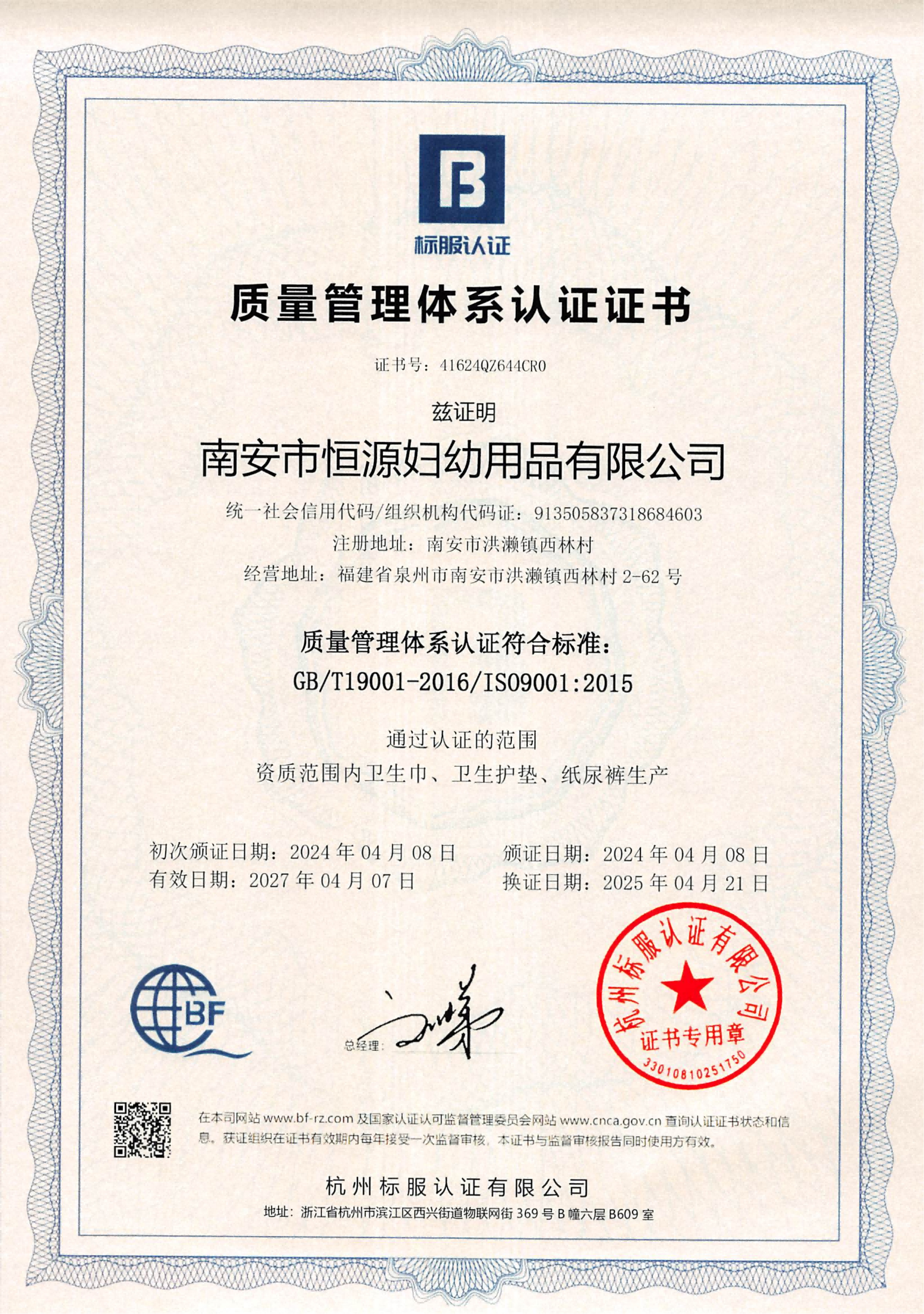
ISO 9001:2015 certification – a foundational compliance requirement for global sanitary napkin sourcing.
2026 Certification Compliance Guide for Disposable Sanitary Napkins: What Every Global Buyer Must Know
When sourcing disposable sanitary napkins from international suppliers, certification compliance is not optional—it is the gateway to market access. Whether you are a distributor targeting the US retail chain, an e‑commerce brand launching in the EU, or a procurement manager for a Southeast Asian FMCG group, understanding which certifications are mandatory and how to verify supplier compliance can prevent costly delays, product seizures, and reputational damage.
This comprehensive guide breaks down the essential certifications for disposable sanitary napkins in 2026, explains why each matters, and provides a step‑by‑step framework for evaluating supplier compliance. We reference industry best practices and real supplier capabilities—illustrated by Family Cares Group, a 25‑year veteran in hygiene manufacturing with ISO 9001, FDA registration, and CE Marking (MDR) credentials.
What Is Certification Compliance for Disposable Sanitary Napkins?
Certification compliance refers to the process of ensuring that a disposable sanitary napkin product meets all mandatory regulatory requirements and voluntary quality standards of its target market. These certifications cover product safety, material composition, manufacturing process, environmental impact, and labeling accuracy. For global buyers, compliance is the bridge between a factory‑made product and a store‑ready consumer good.
Common certification types include:
- Regulatory approvals (e.g., FDA Establishment Registration for the USA, CE Marking under MDR for the EU)
- Quality management systems (e.g., ISO 9001:2015)
- Eco‑labels (e.g., FSC, GOTS, OEKO‑TEX)
- Material safety standards (e.g., EN ISO 10993 for biocompatibility)
Why Certification Compliance Matters More Than Ever in 2026
The global sanitary napkin market is growing at a CAGR of 5.2%, driven by rising awareness of feminine hygiene and eco‑conscious consumption. However, regulatory environments are tightening:
- The EU Medical Device Regulation (MDR) now applies stricter scrutiny to feminine hygiene products classified as medical devices.
- The US FDA requires all foreign manufacturers of sanitary napkins to register and list their facilities with a unique registration number.
- Many Southeast Asian and Middle Eastern countries are adopting harmonized standards based on ISO and ASEAN guidelines.
Non‑compliance can lead to container holds at customs, fines, product recalls, and loss of retail shelf space. Conversely, sourcing from a certified manufacturer reduces risk and accelerates time‑to‑market.
Essential Certifications for Disposable Sanitary Napkins: A 2026 Checklist
Below is a detailed breakdown of the most important certifications a global buyer should look for when evaluating disposable sanitary napkin suppliers.
| Certification | Market / Scope | Standard / Regulation | What It Verifies | Example (Family Cares Group) |
|---|---|---|---|---|
| FDA Establishment Registration | USA / North America | 21 CFR Part 807 | Manufacturer registration and product listing for sanitary napkins and other absorbent hygiene products. | Registration number 3005078659, active through Dec 2026 |
| CE Marking (MDR) | European Union / EEA | EN ISO 10993, EN 14683 / MDR‑Reg | Conformity with EU medical device regulation for safety and performance; applies to adult incontinence care products and sanitary napkins when classified as medical devices. | Certificate issued by SGS / TUV |
| ISO 9001:2015 | Global | ISO 9001:2015 | Quality management system covering design, manufacturing, and sales of hygiene and medical materials. | Certification number 41624QZ644CR0, issued by CQC / IQNet (valid through Apr 2027) |
| FSC (Forest Stewardship Council) | Global (eco‑markets) | FSC Chain of Custody | Verifies that wood pulp used in the product comes from responsibly managed forests. | Available for box‑packed and organic series |
| GOTS (Global Organic Textile Standard) | Global (organic textiles) | GOTS 7.0 | Ensures organic fiber content and environmentally and socially responsible manufacturing. | Available for organic cotton sanitary napkins |
| OEKO‑TEX Standard 100 | Global | OEKO‑TEX | Tests for harmful substances in textile materials, including non‑woven cover and core layers. | Available on request |
Note: The exact certification requirements depend on product classification (e.g., general hygiene vs. medical device) and target market. Always verify with your legal advisor.
How to Verify Supplier Certification Compliance: A Step‑by‑Step Framework
Follow this five‑step approach to ensure your supplier’s certifications are genuine and current.
- Request certification copies – Ask for scanned copies of certificates, not just sales brochures. Verify certificate numbers with issuing bodies (e.g., FDA’s Establishment Registration & Listing database, SGS verification).
- Check expiry dates – All certifications have validity periods. For example, FDA registration must be renewed annually between October 1 and December 31; ISO 9001 requires surveillance audits every year and recertification every three years.
- Cross‑reference product scope – Ensure the certification explicitly covers “disposable sanitary napkins” or related categories (e.g., “hygiene products”). Some certificates only cover adult diapers or wound care.
- Inquire about testing reports – Beyond certificates, obtain lab reports for material biocompatibility (e.g., EN ISO 10993), absorbency, and fluorescence (100% fluorescent‑free for sensitive skin).
- Perform factory audit or third‑party inspection – A physical audit or a trusted third‑party inspection (e.g., SGS, Bureau Veritas) verifies that the manufacturing process matches the certified system.
Real‑World Application: How Compliance Unlocks Global Markets
To illustrate the importance of certification compliance, consider two real sourcing cases from Family Cares Group’s client portfolio.
Case 1: US Medical & Adult Care Brand
Client: A top‑tier medical brand, USA
Requirement: Heavy incontinence care products (adult diapers and underpads) for clinical use.
Certifications checked: FDA Establishment Registration, ISO 9001, CE Marking (MDR).
Outcome: The client partnered with Family Cares Group for over 10 years, shipping 2‑3 × 40HQ containers per month. Zero major quality complaints. The FDA registration (number 3005078659) and ISO 9001 system provided the confidence needed for hospital tenders.
Case 2: Premium E‑commerce Brand (Germany)
Client: Premium e‑commerce & subscription brand, Germany
Requirement: Organic cotton sanitary napkins in luxury retail gift boxes, fully plastic‑free.
Certifications needed: GOTS (organic cotton), FSC (packaging), OEKO‑TEX (material safety).
Outcome: Family Cares Group delivered 500,000+ units per batch (monthly recurring) for three years. The client successfully transitioned to 100% plastic‑free packaging, boosting brand trust and retail acceptance.
Frequently Asked Questions
A: The FDA requires foreign manufacturers to register their establishment (21 CFR Part 807) and list their products. There is no pre‑market approval for general sanitary napkins, but registration is mandatory. Many retailers also require ISO 9001 or GOTS for branded products.
A: CE marking is required if the product is classified as a medical device (e.g., menstrual pads marketed for heavy flow or postpartum care). For general hygiene pads, CE may not be mandatory, but many buyers demand it for quality assurance. The applicable standard is EN ISO 10993 for biocompatibility.
A: Check the certificate number with the issuing body (e.g., CQC, IQNet, SGS). ISO 9001 certificates include a unique number and an expiry date. You can also request the latest surveillance audit report.
A: Yes, especially if you target environmentally conscious consumers in Europe, North America, and parts of Asia. Eco‑certifications command higher retail margins and differentiate your product in crowded markets.
A: Reputable manufacturers use multi‑layer packaging and sealed high‑barrier film to prevent moisture damage. Family Cares Group, for example, implements sealed high‑barrier film packing and has production buffers with multiple high‑speed lines to ensure delivery reliability.
Conclusion: Build Your Sourcing Strategy on Verified Compliance
Certification compliance is the foundation of successful global sourcing of disposable sanitary napkins. By understanding the required certifications for each target market, verifying supplier credentials, and integrating compliance checks into your procurement workflow, you can minimize risk and accelerate market entry.
Whether you are a startup looking for a flexible OEM partner or a large distributor seeking high‑volume production, working with a certified manufacturer like Family Cares Group gives you immediate access to FDA‑registered, ISO‑9001‑compliant, and eco‑certified products. Their 25‑year track record, 650+ million piece annual capacity, and 350‑strong team ensure both quality and scalability.
Ready to Source Compliant Sanitary Napkins?
Contact our sourcing experts to discuss your certification requirements and get a customized compliance package.
Request a Compliance Kit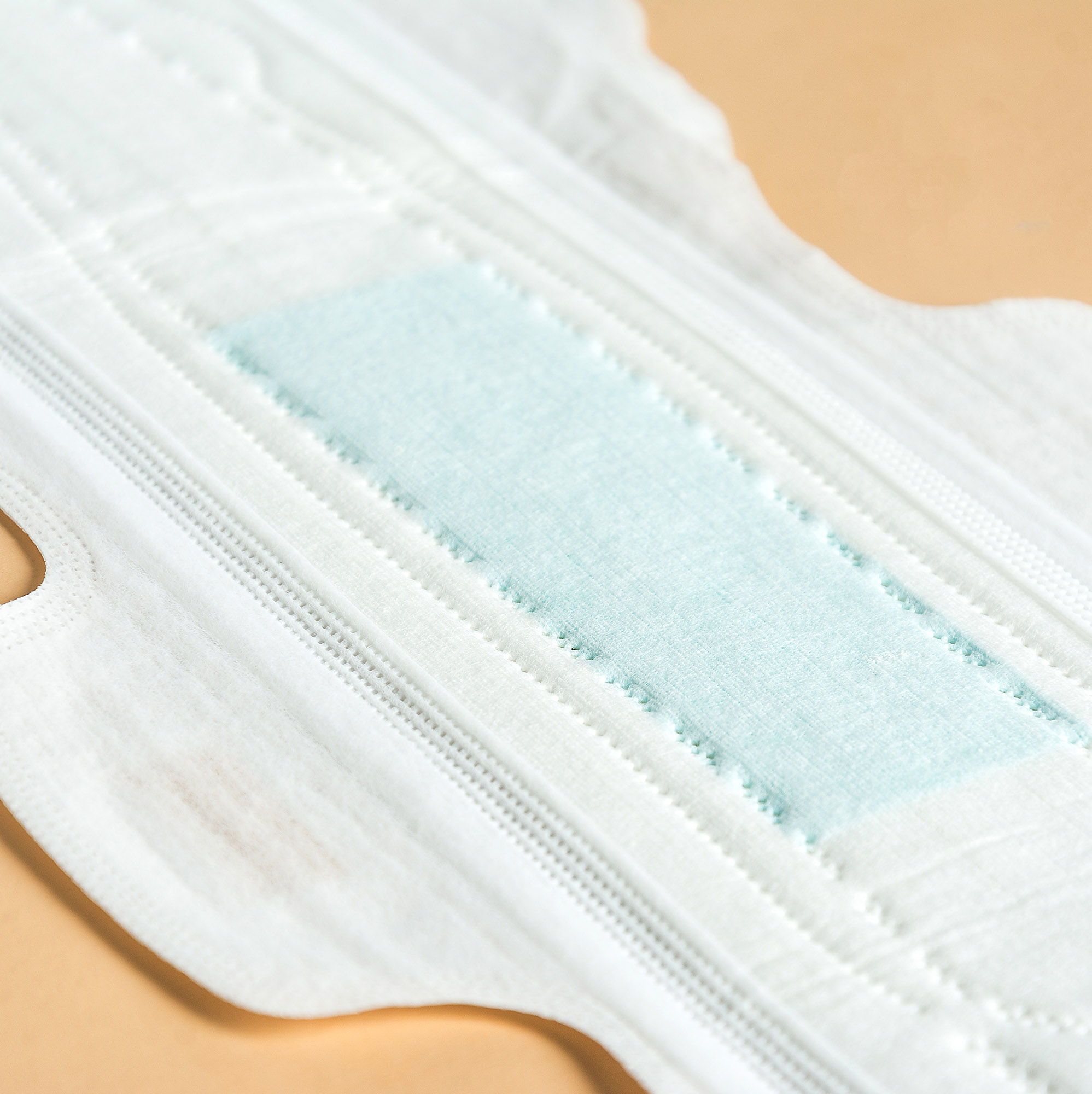
Ecolivia‑Bio Series – premium eco‑friendly sanitary napkins with GOTS‑certified organic cotton and FSC‑certified packaging.
Disclaimer: Always consult a regulatory expert for market‑specific compliance. Certification details are accurate as of June 2026.