
How to Cut Costs on Disposable Sanitary Napkins Without Sacrificing Quality
How to Cut Costs on Disposable Sanitary Napkins Without Sacrificing Quality
For global buyers, the pressure to reduce procurement costs on disposable sanitary napkins is relentless—yet compromising quality can damage brand reputation, increase returns, and erode consumer trust. This guide reveals a strategic framework to achieve cost savings while maintaining—or even improving—product performance, leveraging direct factory sourcing, material innovation, and smart supply chain management.
Problem Definition
Procurement professionals face a classic dilemma: how to lower unit costs while ensuring consistent quality, safety, and performance. In the disposable sanitary napkin market, rising raw material prices, stricter environmental regulations, and heightened consumer awareness make this balance harder to achieve. Common pitfalls include selecting suppliers with lower prices but inferior materials, hidden logistics fees, or inconsistent batch quality.
Industry Background
The global disposable sanitary napkin market is shifting toward eco-friendly alternatives, such as bio-based polymer sanitary napkins and FSC-certified wood pulp options. However, cost structures vary significantly between traditional SAP-core products and advanced bio-absorbent core designs. Buyers often overpay for brand-name suppliers or underinvest in quality, leading to leakage issues, skin irritation, or regulatory non-compliance. Understanding the true cost drivers—material composition, manufacturing efficiency, and supply chain overhead—is essential for smart sourcing.
Detailed Solution: The Cost-Quality Equilibrium
Based on years of OEM/ODM manufacturing experience, Family Cares Group has developed a proven approach to reduce costs without compromising quality. The key lies in four pillars: direct factory integration, material innovation, flexible customization, and logistics optimization.
1. Choose a Direct Manufacturing Partner
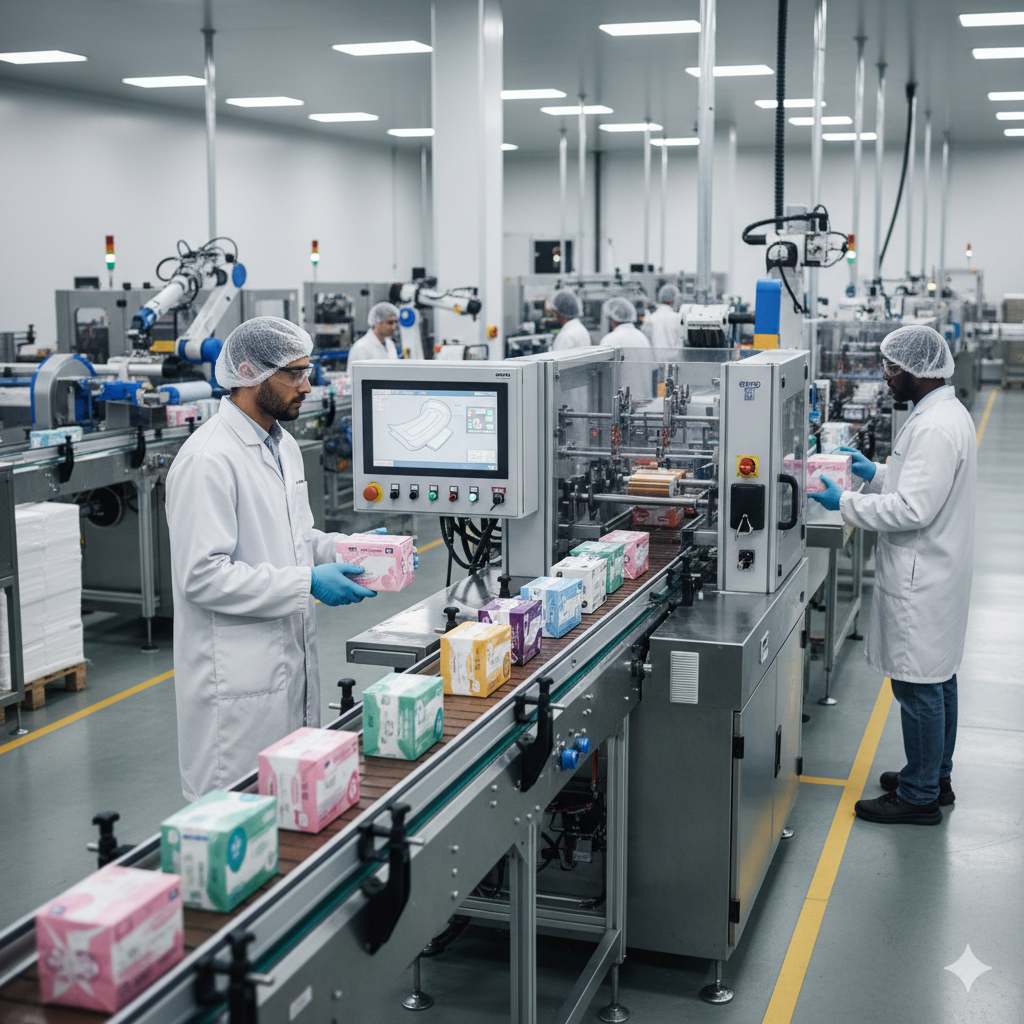
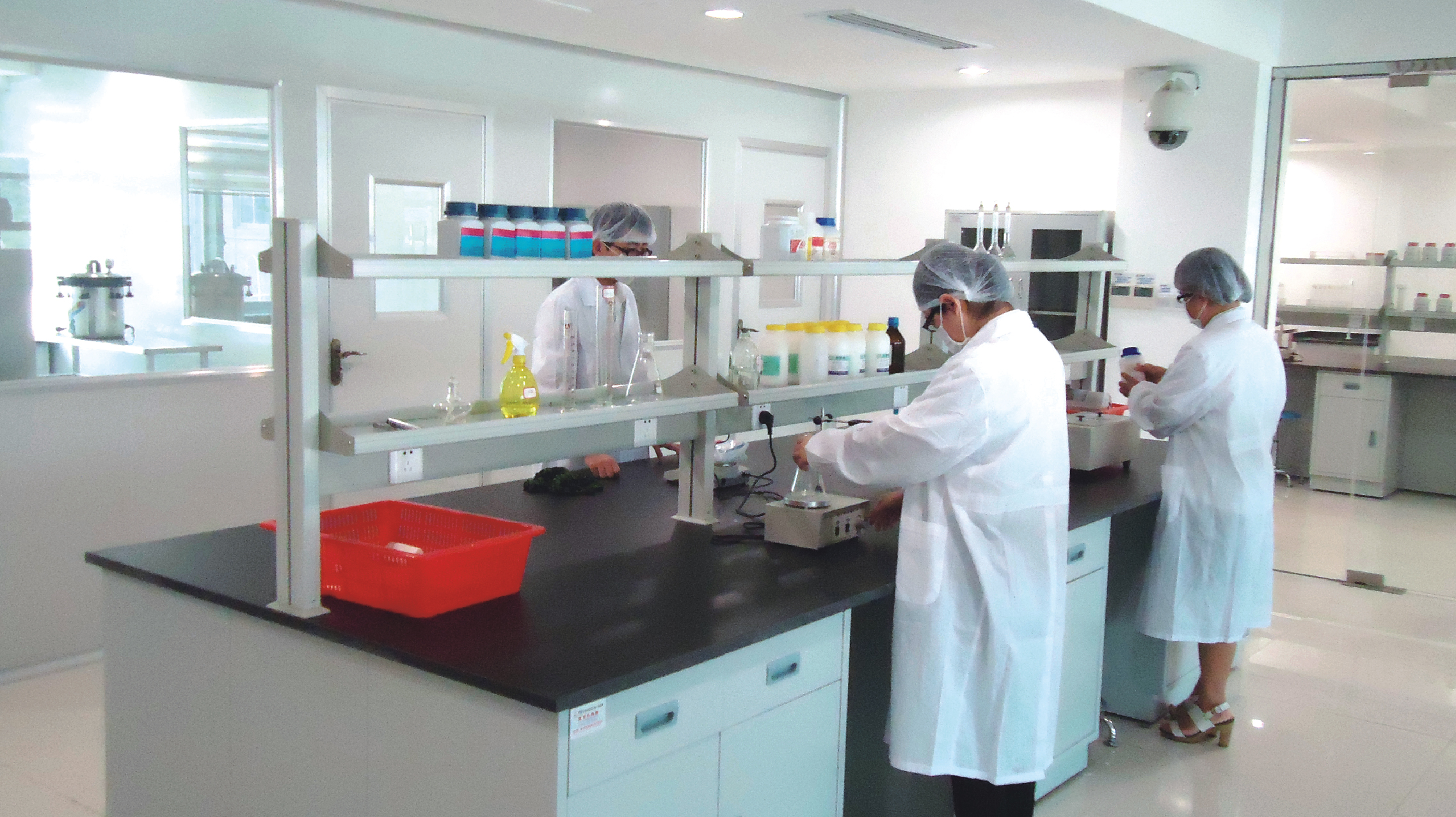
Working with a direct factory eliminates middlemen commissions, typically saving 15–20% compared to trading companies. Family Cares Group operates its own 35,000+ sqm factory in Quanzhou, China, with high-speed automated lines producing 1.8 million pieces daily. This scale enables competitive factory-direct pricing while maintaining 100% online visual inspection and in-house lab QC.
| Factor | Direct Factory (Family Cares Group) | Trading Company |
|---|---|---|
| Pricing | 15–20% lower | Markup + commission |
| Quality Control | End-to-end traceability | Limited visibility |
| Lead Time | 15–25 days (OEM) | Variable, often longer |
| Technical Support | 24/7 direct engineer access | Indirect communication |
2. Leverage Material Innovation to Reduce Waste
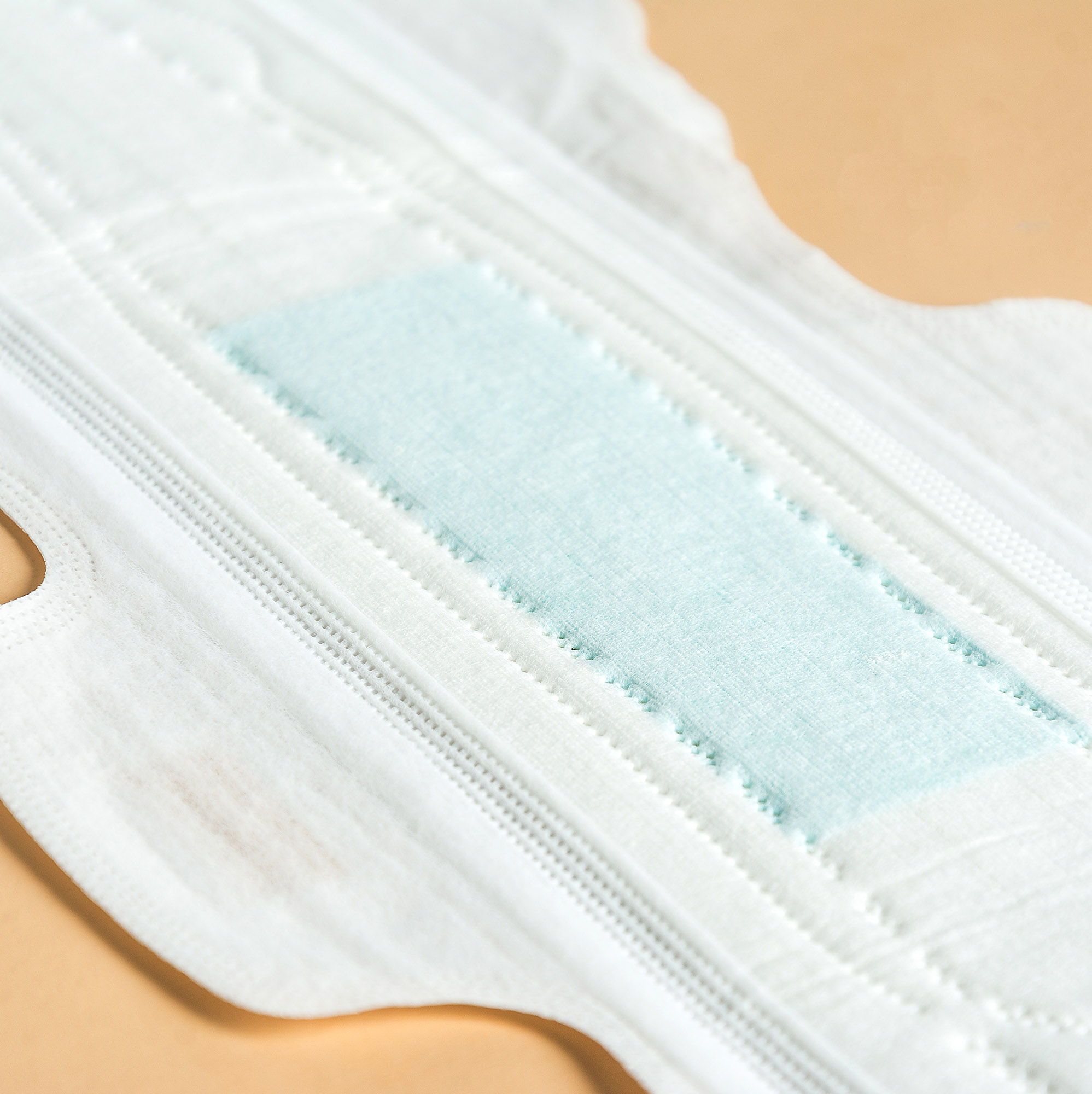
Advanced bio-based absorbent cores, such as those used in the Ecolivia-Bio Series, offer 2x faster liquid absorption than standard SAP/pulp cores, reducing the amount of material needed per pad. This lowers raw material cost per unit while improving performance. The plant-based bio-film backsheet increases breathability by 40%, enabling thinner, lighter products that reduce shipping weight and packaging material.
“We replaced standard SAP with Eco-Core™ technology and achieved a 12% reduction in core material cost while boosting absorbency by 30%.” — Family Cares Group R&D Team
3. Optimize MOQ and Customization
New brands often face high minimum order quantities (MOQs) from large factories, forcing them to overstock and tie up capital. Family Cares Group offers flexible MOQs starting from 1×20GP container (negotiable for startups) and 50% faster prototype design compared to rigid factories. This allows you to test new SKUs with lower financial risk, then scale as demand grows.
4. Streamline Logistics and Packaging
Bulk export packaging and container optimization (e.g., 40HQ) can reduce freight costs per unit. Family Cares Group handles FOB, CIF, and DDP terms and offers pre-shipment loading inspection. Using lightweight materials (bamboo fiber, ultra-thin cores) further cuts shipping volume and costs.
Step-by-Step Implementation
- Audit your current cost breakdown — identify top cost drivers: raw materials, conversion, logistics, duties.
- Evaluate suppliers using our cost-quality matrix — prioritize those with direct factory control, material R&D, and flexible MOQ.
- Request samples of bio-based cores — compare absorption speed, rewet, and softness against your current product.
- Negotiate a trial order — start with one container to validate quality and lead time before scaling.
- Schedule a factory audit — verify production lines, QC processes, and compliance certifications (ISO 9001, FDA).
Use Cases
Case 1: Southeast Asian FMCG Brand
A leading regional brand in Malaysia partnered with Family Cares Group for high-end organic cotton sanitary napkins and menstrual pants, using Advanced Bio-based Core technology. Over three years, monthly shipments of 2–3 containers helped the client achieve 25% annual sales growth while reducing per-unit cost by 9% through material substitution.
Case 2: Premium E-commerce Subscription Brand in Germany
This client required 500,000+ units per month in luxury gift-box packaging with 100% plastic-free materials. Family Cares Group’s high-capacity automated box-packing lines and zero-defect QC enabled the client to maintain premium positioning while keeping cost per box competitive in the DTC market.
Frequently Asked Questions
How can I balance cost and certification requirements?
Look for suppliers that already hold ISO 9001, FDA, and CE marks—these certifications indicate a mature quality system, reducing your own compliance cost. Family Cares Group’s products are FDA-registered (3005078659) and ISO 9001:2015 certified, enabling seamless market entry into the US and EU.
What is the minimum order quantity for private label sanitary napkins?
Standard MOQ is 1×20GP container, but Family Cares Group negotiates for startup brands. For trial orders, MOQ can be as low as 1 pallet for sample evaluation.
How do I ensure quality consistency across batches?
Insist on 100% online visual inspection and pre-shipment sampling. Our factory uses real-time monitoring and batch traceability to guarantee consistent quality from the first order to the hundredth.
Are bio-based cores really cost-competitive with SAP?
Yes, when factoring in total cost of ownership. The higher material efficiency and reduced weight can lower per-unit cost by 5–12% compared to standard SAP cores, while commanding a premium retail price for eco-friendly positioning.
Conclusion
Cutting costs on disposable sanitary napkins doesn’t have to mean cutting quality. By selecting a direct manufacturer like Family Cares Group that invests in material innovation, flexible customization, and rigorous quality control, you can achieve sustainable savings without compromising your brand promise. Contact us today to start your cost-optimization journey.