

Efficient Shower Door Procurement: Verifying Capabilities to Avoid Sourcing Risks
Efficient Shower Door Procurement: Verifying Capabilities to Avoid Sourcing Risks
Global buyers of shower doors, glass shower enclosures, and shower screens face mounting pressure to balance cost, quality, and delivery timelines. In 2026, the bathroom renovation market continues to expand, yet supply chain volatility, inconsistent product compliance, and hidden supplier weaknesses frequently derail projects. This guide provides a structured framework to efficiently complete procurement while mitigating partnership risks, drawing on industry best practices and the proven capabilities of manufacturers like SHKL.
Defining the Procurement Challenge for Shower Doors
What is the core problem? Buyers often invest weeks identifying suppliers, only to face quality deviations, missed deadlines, or safety standard violations. The distance between specification and delivered product remains the biggest risk. For frameless shower doors, sliding shower doors, and pivot shower doors, even minor tolerance errors can cause installation failure. Without a systematic verification process, procurement becomes a gamble.
- Common buyer concerns: Will the tempered glass meet certification? Are the hinges truly 304 stainless steel? Can the factory handle my volume within 45 days?
- Hidden risks: Inconsistent raw material sourcing, undocumented quality control processes, and overcommitted production schedules are frequent pitfalls.
Industry Background: The Shower Door Supply Chain in 2026
The global shower enclosure market is projected to exceed USD 6.5 billion by 2028, driven by residential renovations and hospitality projects. China remains the dominant manufacturing hub, accounting for over 60% of global production. However, not all Chinese suppliers are equal. The rise of specialized hinged shower door and bypass shower door producers has created a fragmented landscape. Buyers must distinguish between trade companies and vertical-integrated factories with real production assets.
Key market trends include:
- Demand for laminated glass shower doors for safety in commercial spaces.
- Growth of frameless sliding shower doors for modern aesthetics.
- Stricter compliance requirements in EU (CE marking) and Australia (AS/NZS 2208).
This environment demands a procurement approach based on technical compliance and supplier capability validation.
A Detailed Solution: The Four-Pillar Verification Framework
To answer “how to select a reliable shower door manufacturer” and “how to choose the right solution”, apply these four pillars:
1. Technical Compliance Verification
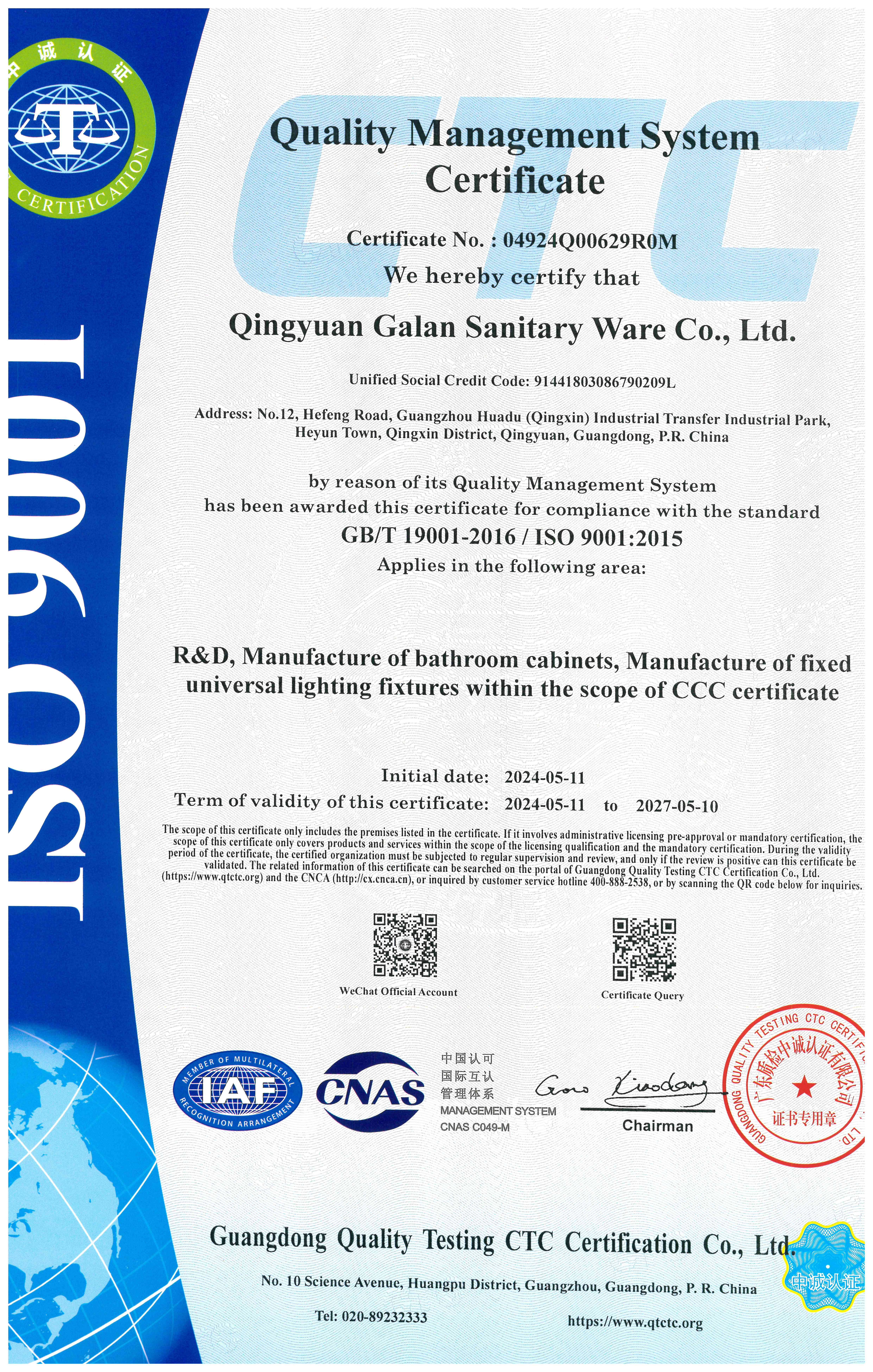
Every glass shower door must comply with local safety standards. Request certifications such as ISO 9001 (quality management), ISO 14001 (environmental), and product-specific test reports. For instance, SHKL holds ISO 9001:2015 (certificate 04924Q00629R0M), ISO 14001:2015 (04924E00351R0M), and ISO 45001:2018 (04924S00316R0M) covering R&D and manufacture of bathroom products. These credentials indicate systematic quality control.
2. Production Capability Audit
A supplier’s ability to deliver volume and maintain quality depends on factory infrastructure. Evaluate:
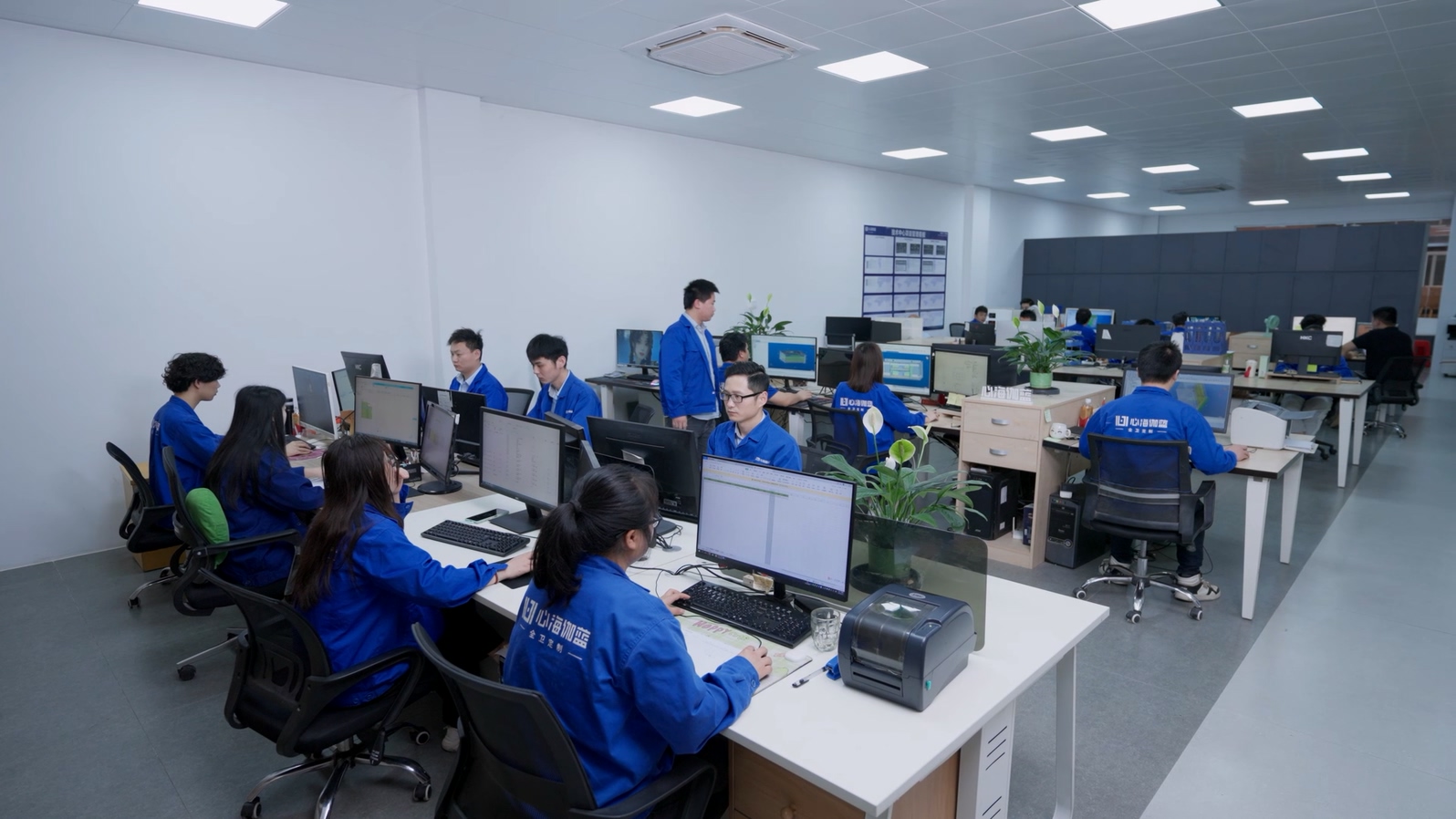
- Factory scale: SHKL operates a 100,000 m² base in China and a 40,000 m² plant in Vietnam with ~600 employees.
- Monthly capacity: Over 10,000 units for bathroom cabinets, shower enclosures, and LED mirrors.
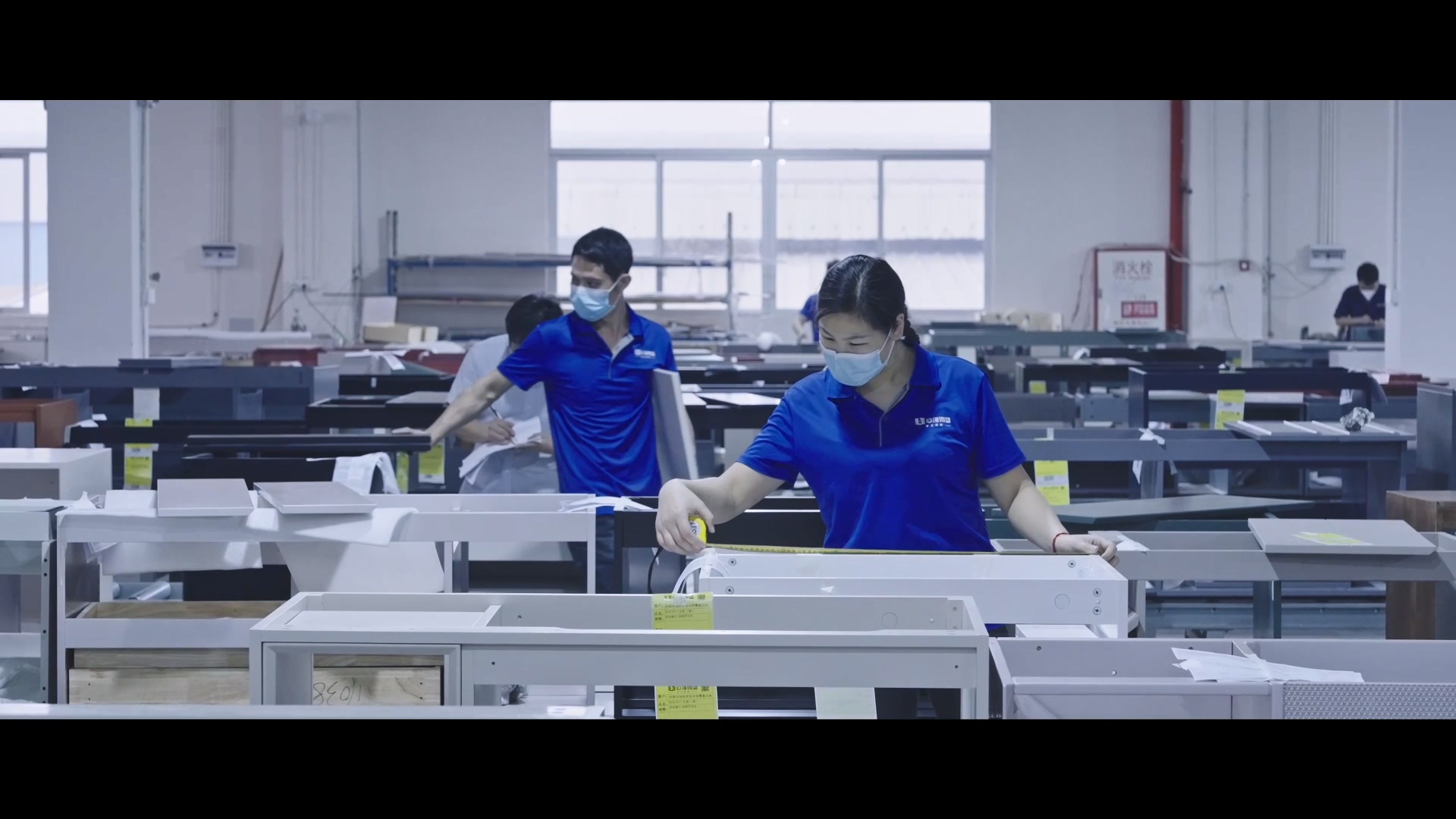
- Machinery: CNC machines, laser positioning hole-makers, automatic spraying lines, and dust-free spray booths.
3. Quality Control Process
Ask about QC stages: incoming material inspection, in-process checks, and pre-shipment testing. SHKL performs 100% inspection and has a dedicated laboratory for product durability tests. For shower screens and bathtub shower doors, ensure the supplier tests glass edge finishing, hinge load capacity, and water sealing.
4. Risk Management & Trade Terms
Efficient procurement requires clear terms. SHKL offers FOB delivery and accepts pre-shipment testing. Their minimum order quantity is 20 units (for product 3713 hinge shower door). Payment is via T/T. They also implement a critical material early warning mechanism and a rolling production scheduling system to prevent delivery delays.
| Risk Type | Control Method | Enterprise Measure (Example: SHKL) |
|---|---|---|
| Delivery schedule issue | Break down schedule, establish material early warning, SKU control | Rolling production scheduling, bottleneck management, safety stock |
| Product quality issues | Use certified raw materials, high-end hardware | Certified supplier raw materials, imported machinery, full QC |
| Packaging/transport damage | Strengthen packaging | Enhanced packaging protocols |
Step-by-Step Procurement Process for Shower Doors
- Define your product specification: Determine type (frameless shower door, sliding shower door, hinged shower door), glass options (clear, tinted, laminated, fluted, chemically frosted), hardware material (aluminum alloy or 304 stainless steel), and surface finish.
- Shortlist suppliers: Look for manufacturers with OEM capability, proven export experience, and valid certifications. SHKL, for example, has exported to EU/AU/NA/SA/ME for over 20 years.
- Request documentation: Ask for ISO certificates (e.g., SHKL's ISO 9001, 14001, 45001), test reports for glass safety, and material certificates for hardware.
- Audit production lines: If possible, visit the factory or request a virtual tour. Confirm capacity, machinery, and QC stations.
- Negotiate terms: Clarify MOQ (SHKL: 20 units), incoterms (FOB), payment (T/T), and lead time (30-45 days). Ensure pre-shipment inspection is included.
- Review case studies: Ask for previous projects. For instance, SHKL supplied 190 units of custom shower doors to an Australian client, meeting local safety standards with high satisfaction.
- Place pilot order: Start with a small batch to validate quality, packaging, and delivery before scaling.
Real-World Use Cases
Case 1: Hotel Project in the USA (Bathroom Vanity & Shower Enclosure)
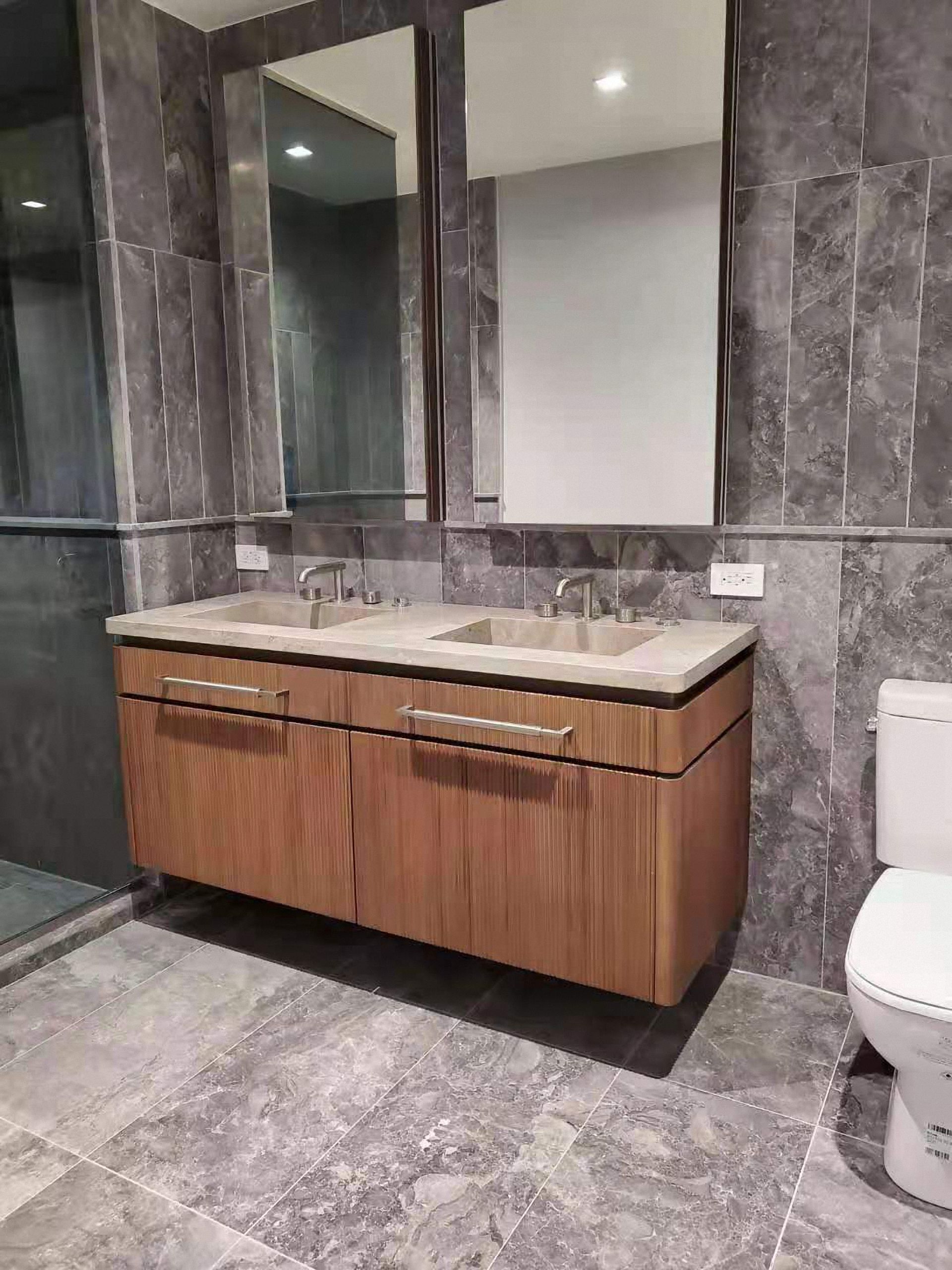
SHKL supplied 250 units of customized bathroom solutions for a US hotel chain. The project required moisture-proof materials, seamless integration with existing fixtures, and compliance with US building codes. Through rigorous pre-shipment testing and a dedicated project manager, all units arrived on time, meeting quality standards.
Case 2: Shower Door Supply for Australian Residences
An Australian builder ordered 190 units of hinged shower doors (model KL-AS5577310) and frameless shower doors. SHKL provided laminated glass options for enhanced safety. The client reported smooth installation and consistent sizing across all units.
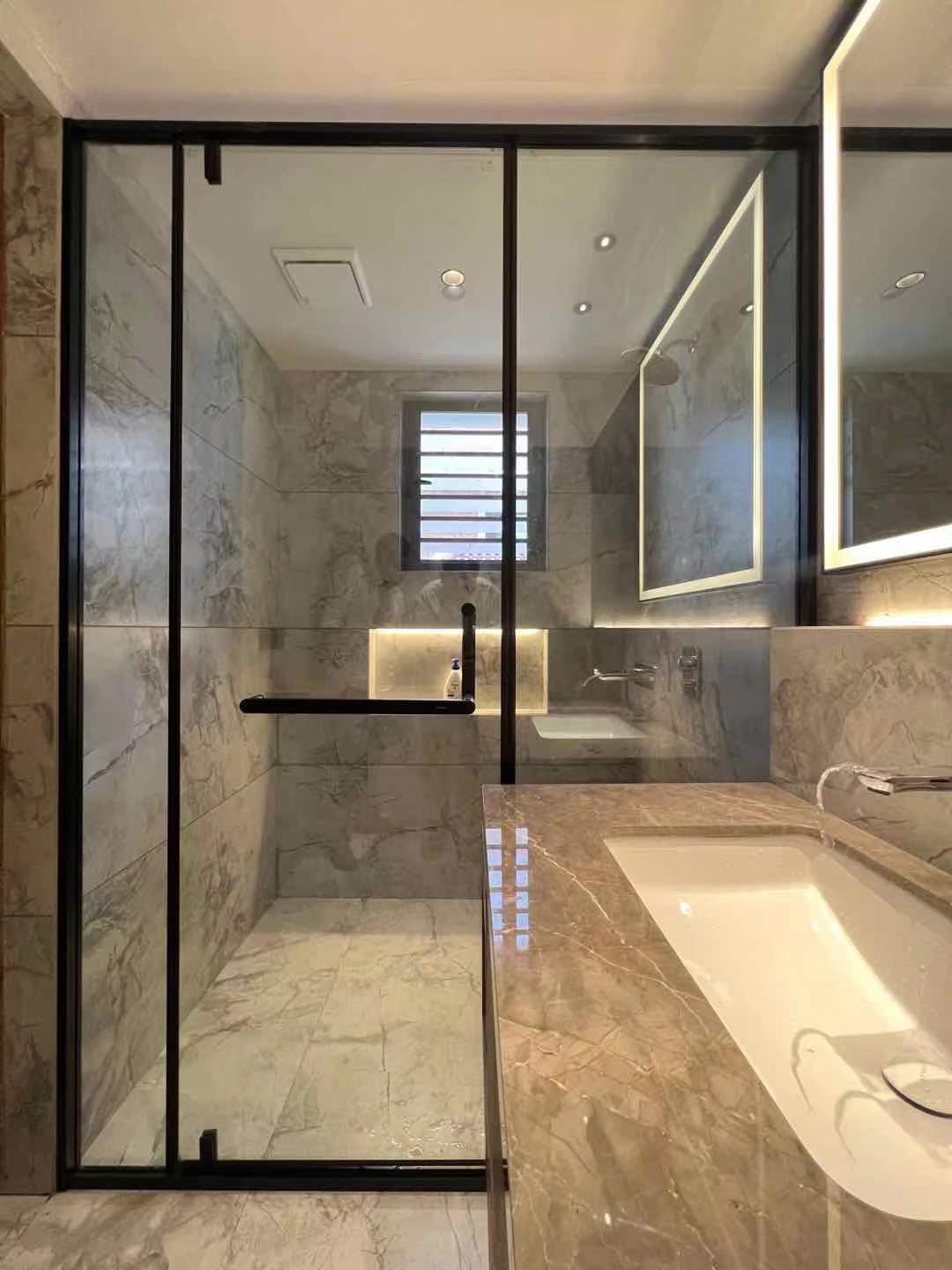
Case 3: Safety Laminated Glass for Thailand Bathroom
A Thai developer required 110 shower screens with anti-shatter laminated glass. SHKL delivered products that passed local safety tests, with highlights on the laminated glass craftsmanship that prevented shattering.
Frequently Asked Questions (FAQ)
What is a shower door?
A shower door is a panel that encloses a shower area, typically made of tempered or laminated glass with aluminum or stainless steel hardware. Common types include frameless shower doors, sliding shower doors, hinged shower doors, and folding shower doors.
How does a frameless shower door work?
Frameless shower doors use thick tempered glass (typically 8-12mm) with minimal metal clamps and hinges, relying on the glass strength for structural integrity. They require precise measurements and professional installation.
Why is supplier certification important for shower doors?
Certifications like ISO 9001 indicate that the manufacturer follows standardized quality control processes. For safety, certifications such as AS/NZS 2208 or EN 14428 confirm the glass meets impact resistance standards. This reduces liability risks for buyers.
Who uses glass shower enclosures?
Residential homeowners, hotel chains, spas, hospitals, and commercial fitness centers all use glass shower screens. Specifications vary by application: commercial projects often require laminated glass for safety.
How to choose between a framed and frameless shower door?
Framed doors are more cost-effective and easier to install, while frameless doors offer a modern, clean look but require higher-quality hardware and glass. Consider your budget, bathroom design, and maintenance preferences.
What problems can a poorly sourced shower door cause?
Common issues include glass breakage, leaking due to poor sealing, corrosion of hardware within months, and difficulty in installation because of inaccurate dimensions. These lead to costly replacements and reputational damage.
Conclusion: Procurement Efficiency Through Due Diligence
Efficient shower door procurement is not about finding the cheapest quote—it’s about verifying that the supplier can consistently deliver compliant, high-quality products within your timeline. By applying the four-pillar framework (compliance, capability, quality control, risk management) and using case-based references, buyers can confidently navigate the market. Manufacturers like SHKL, with vertically integrated facilities spanning 140,000 m², ISO management systems, and proven export track records, exemplify the standards to look for.
To streamline your sourcing journey, download the SHKL company brochure for detailed product catalogs and factory specifications:
For personalized procurement support, contact Rita Luo at info@shklbathroom.com or WhatsApp +86 13790005061.