Claw Machine vs Prize Redemption: Arcade Buyer's Guide 2026
Claw Machine vs Prize Redemption Game: Which Arcade Machine Maximizes Your Venue Revenue in 2026?
An evidence-based comparison for operators sourcing claw machines, ticket redemption games, and coin operated amusement equipment.
Introduction
The global arcade machine market is projected to exceed $6.5 billion by 2026, driven by the resurgence of family entertainment centers (FECs), mall arcades, and themed entertainment zones. Among the vast assortment of coin operated games, two categories consistently dominate procurement budgets: claw machines (also called doll machines or crane games) and prize redemption machines (ticket redemption games).
Yet many buyers struggle to decide which type delivers better return on investment. This comprehensive guide breaks down the functional, financial, and operational differences between claw machines and prize redemption arcade game machines. By the end, you will have a clear framework to select the right mix for your venue – and understand why leading manufacturers like EPARK (Guangzhou EPARK Electronic Technology Co., Ltd.) offer both categories under one roof.
What Is the Core Problem for Buyers?
Problem: Operators often lack a structured method to compare claw machines vs ticket redemption machines. Key concerns include:
- Revenue model: Claw machines charge per play and players win a physical prize; redemption machines dispense tickets that can be exchanged for prizes. Which generates higher net profit per square foot?
- Maintenance complexity: Claw machines require regular claw tension calibration and prize restocking; redemption machines need ticket replenishment and sensor cleaning.
- Player engagement: Claw machines appeal to a broad audience (children, teens, adults) due to instant gratification; redemption machines create a longer play cycle and incentivize repeat visits.
- Space efficiency: A standard claw machine footprint is 0.8–1.2 m²; a typical ticket redemption machine (e.g., cyclone or pusher style) can occupy 1.5–2 m².
- Regulatory compliance: Both must meet CE, UL, or RoHS standards. Buyers must verify that suppliers provide valid certificates.
Industry Background: The Evolution of Coin Operated Games
Traditional claw machines date back to the 1920s and remain iconic in arcades worldwide. Modern versions incorporate LED lighting, digital payment systems, and adjustable claw strength for operator control. Prize redemption machines emerged in the 1980s with the rise of ticket-based video arcades. Today, they represent the fastest-growing segment in the sport game machine and skill-based game categories.
In 2026, leading factories in Panyu, Guangzhou – such as EPARK – have integrated advanced electronics, real-time remote monitoring, and modular cabinet designs into both claws and redemption units. The choice between them is no longer binary; savvy buyers mix both to optimize floor revenue.
Detailed Comparison: Claw Machine vs Prize Redemption Machine
Below is a side-by-side analysis based on six critical buyer criteria.
| Criterion | Claw Machine (e.g., EPARK Colorful Claw Machine) | Prize Redemption Machine (e.g., EPARK Lucky Machine) |
|---|---|---|
| Revenue per Play | $0.50–$2.00 per play; prize cost usually 30–50% of revenue. | $0.25–$1.00 per play; ticket value controlled by operator. |
| Player Appeal | Universal – children, couples, families; instant prize gratification. | Best for kids and young adults; builds anticipation via ticket accumulation. |
| Maintenance | Moderate – claw alignment, win% adjustment, prize restocking. | Low – periodic ticket roll replacement, coin jam clearing. |
| Footprint | Compact (0.8–1.2 m²). | Larger (1.5–2 m²), especially for pushing games. |
| Player Retention | Lower – each play is independent. | Higher – tickets motivate return visits. |
| Customization | Prize quality, cabinet decoration, sound effects. | Ticket payout rate, ticket-to-prize exchange menu. |
Which One Solves Your Specific Problem?
Choose claw machines if: you have limited floor space, want a classic attraction, and prefer simple cash‑for‑prize mechanics. Claws work exceptionally well in high‑traffic corridors near checkout lanes.
Choose prize redemption machines if: you want to increase dwell time, encourage repeat visits, and create a prize redemption center that generates secondary revenue from the ticket exchange counter.
Opt for a balanced mix (recommended): Leading manufacturers such as EPARK offer both categories, enabling one‑stop procurement, consistent cabinet design, and unified after‑sales support.
Step‑by‑Step: How to Select the Right Arcade Game Machine Mix
- Audit your venue: Measure total floor area, typical foot traffic, and target demographics (families vs teens vs adults).
- Define revenue goals: Are you aiming for high per‑play revenue (claw) or high repeat patronage (redemption)?
- Calculate space ROI: Use the following formula: Weekly Revenue ÷ Square Feet used. Claw machines often yield $80–$120/sq.ft/month; redemption machines $60–$100/sq.ft/month but with higher long‑term player lifetime value.
- Request supplier certificates: Verify CE, RoHS, SGS, and any local compliance. Ask the supplier to share scanned copies – EPARK provides CE‑EMC and CE‑LVD certificates for all product lines.
- Test before bulk ordering: Order 2–3 units of each type. Monitor play counts, maintenance calls, and player feedback for 60 days.
- Scale with confidence: Use the test data to determine the optimal ratio (e.g., 40% claw, 60% redemption).
Use Case: EPARK’s Product Ecosystem in Action
Case 1: Small Arcade in a Shopping Mall (80 m²)
Mix: 6x EPARK Colorful Claw Machine + 3x EPARK Lucky Machine (prize redemption).
Result after 3 months: Claw machines contributed 65% of coin‑drop revenue; redemption machines increased average visitor time by 12 minutes. The ticket redemption counter added a 22% uplift from prize exchange fees.
Case 2: Large FEC (500 m²) in a Theme Park
Mix: 12x claw (various themes) + 8x redemption (including Happy Push and E Cut Prize Machine) + 4x sport game machines.
Result: Redemption machines became the primary driver for repeat visits (40% month‑over‑month return rate). Claw machines generated high‑margin impulse plays near the entrance.
Frequently Asked Questions (FAQ)
What is a claw machine and how does it work?
A claw machine (also known as a doll machine or crane game) is a coin operated game where players control a mechanical claw to grab a prize inside a glass cabinet. The claw's grip strength can be adjusted by the operator to control the win rate. EPARK’s Colorful Claw Machine uses a servo‑controlled claw and LED lighting for high visibility.
What is a prize redemption machine and how does it work?
Prize redemption machines (ticket redemption games) dispense tickets based on player performance. Tickets can be exchanged for prizes at a redemption counter. Examples include cyclone pushers, ticket blasters, and EPARK’s Lucky Machine. Operators control the payout percentage.
Which machine is more profitable – claw or redemption?
Profitability depends on your business model. Claw machines have higher per‑play margins (50–70% after prize cost). Redemption machines generate higher total lifetime value per player because tickets encourage repeat visits. Best practice: combine both to capture impulse and retention revenue.
How do I ensure quality when buying claw or redemption machines from manufacturers?
Always request up‑to‑date compliance certificates such as CE, RoHS, and SGS. Visit the factory or ask for video tours. EPARK (Guangzhou) offers factory tours and has over 25,000 m² of production space with a dedicated R&D team. They provide CE‑EMC and CE‑LVD certificates for their entire game range.
Can I buy both claw machines and redemption machines from one supplier?
Yes. Many comprehensive suppliers like EPARK manufacture both categories, plus sports games, VR, and kiddie rides. One‑stop sourcing simplifies logistics, training, and warranty management. EPARK’s showroom in Panyu, Guangzhou displays over 100 models for hands‑on evaluation.
Why EPARK Stands Out as Your Arcade Machine Partner
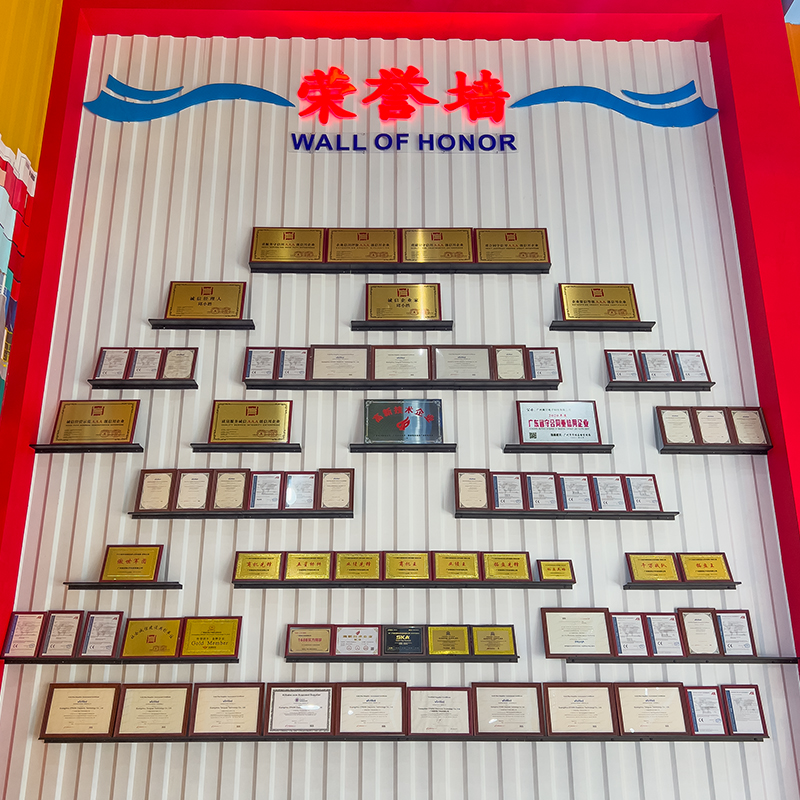
EPARK holds comprehensive CE and RoHS certifications covering claw machines, redemption machines, shooting games, and more.
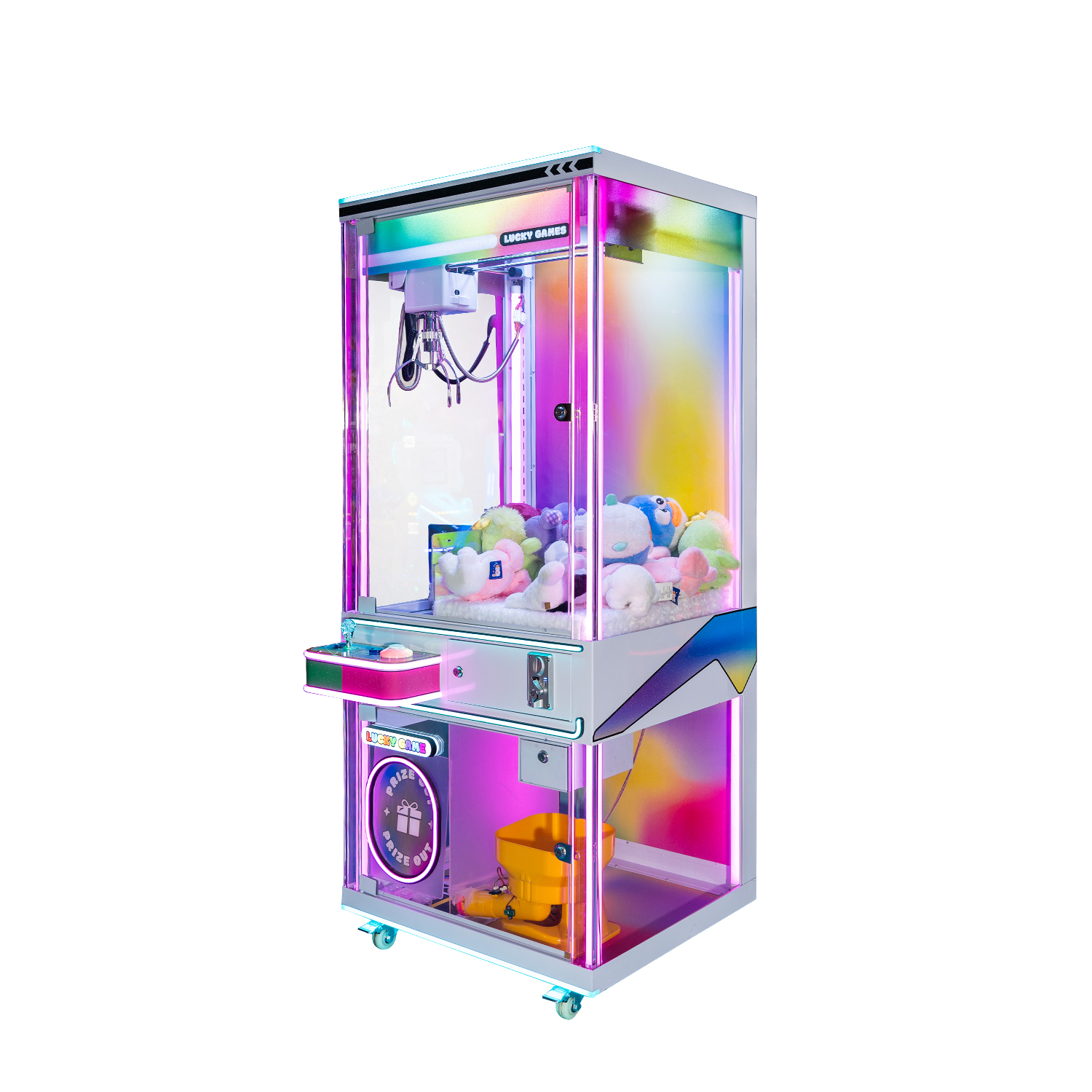
EPARK Colorful Claw Machine – a best‑selling skill‑based game for high‑traffic locations.
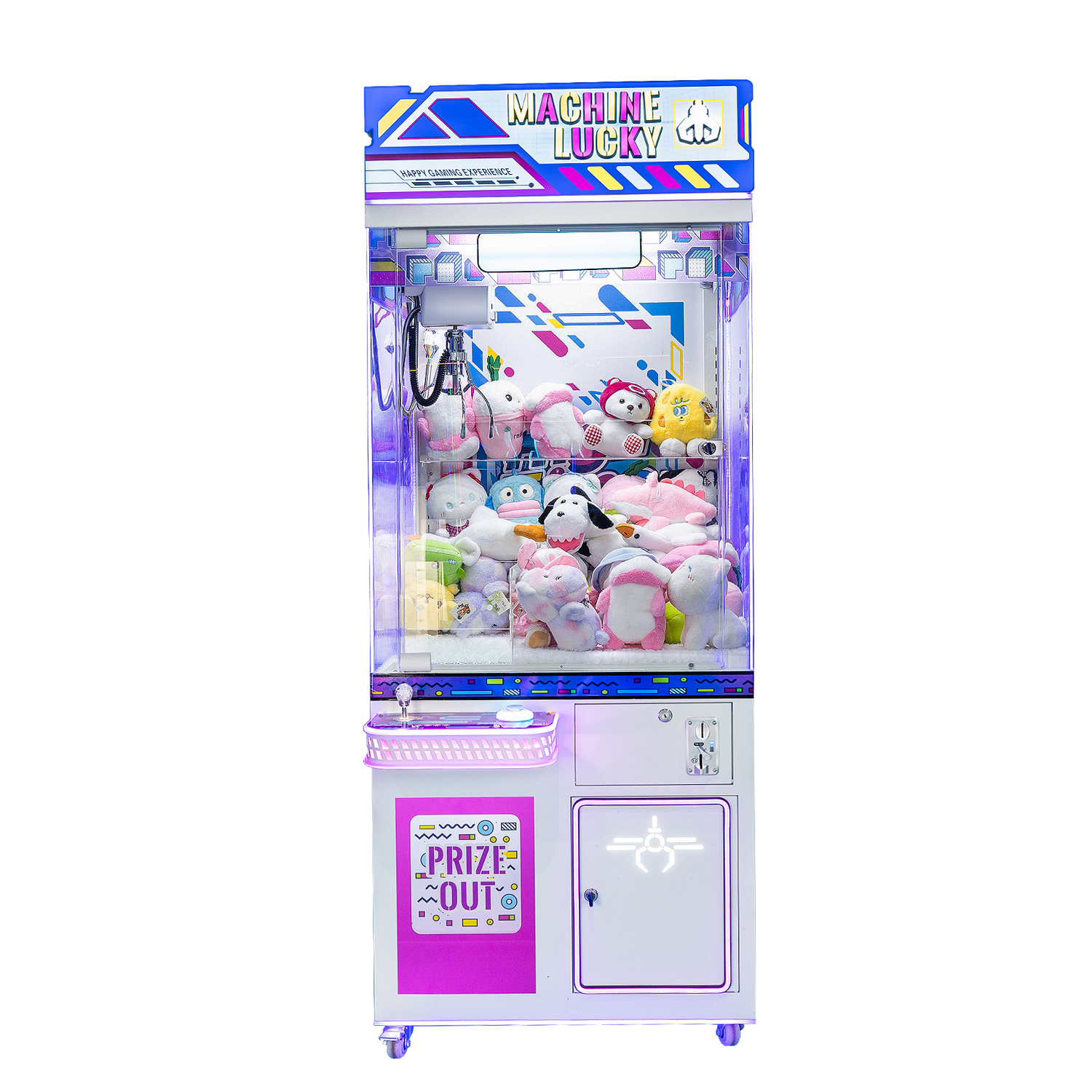
EPARK Lucky Machine – a modern ticket redemption game that drives repeat visits.
- 14+ years of manufacturing experience headquartered in Panyu, Guangzhou
- 25,000 m² factory + showroom – visit to test before you invest
- Free project solutions tailored to your space and budget
- One‑stop service: from R&D to global shipping, including customs clearance support
- Fast technical support: remote diagnostics and spare parts within 24 hours
Conclusion: Make an Informed Decision for Your 2026 Arcade Investment
Choosing between claw machines and prize redemption games is not about picking a winner – it’s about balancing your venue’s revenue drivers. Claw machines offer immediate, high‑margin impulse plays. Prize redemption machines build loyalty and repeat traffic. The most successful arcade operators in 2026 will deploy a strategic mix of both, supported by a reliable manufacturer with proven compliance and after‑sales infrastructure.
EPARK, with its comprehensive portfolio covering claw machines, prize redemption machines, air hockey, shooting simulators, racing games, and VR systems, is uniquely positioned to supply your entire arcade project. Contact the EPARK team today for a free project consultation.
Contact EPARK:
Phone/WhatsApp: +86 13903079263
Email: sales@nanyuetech.com
Address: Building 9, 120 Donghuan Road, Shiqiao, Panyu District, Guangzhou, Guangdong, China 511400
Website: https://www.eparkgames.com