The Complete Risk Management Framework for Claw Machine Procurement
The Complete Risk Management Framework for Claw Machine Procurement: From Factory Audit to After-Sales Support
Procuring a commercial claw machine is not just about picking a shiny cabinet. For industrial buyers, arcade owners, and FEC operators, every purchasing decision carries risks: hidden quality defects, delayed shipments, missing certifications, or poor after-sales service. This guide provides a structured risk management framework that helps you systematically evaluate suppliers, avoid common pitfalls, and secure a high-ROI claw machine investment.
Understanding the Core Challenge: What Is Claw Machine Procurement Risk?
Claw machine procurement risk refers to the potential financial, operational, and reputational losses that buyers face when selecting and purchasing commercial claw machines from suppliers. Unlike consumer goods, arcade equipment must withstand high-frequency use, coin mechanisms, and player tampering. A single faulty machine can disrupt your venue’s revenue flow and frustrate customers.
These risks typically fall into four categories:
- Product quality risk – Inconsistent claw grip strength, flimsy cabinet construction, or malfunctioning payment systems.
- Compliance risk – Missing CE, ROHS, or other safety certifications required in your target market.
- Supply chain risk – Production delays, hidden shipping costs, or inadequate packaging leading to damage.
- After-sales risk – Unresponsive technical support, shortage of spare parts, or lack of warranty enforcement.
Why a Risk Management Framework Matters for Claw Machine Buyers
Without a systematic approach, buyers often fall into the trap of selecting suppliers solely based on price or product photos. In the global claw machine market, where production bases are concentrated in China (Guangzhou), Japan, and Germany, the variance in quality and service is immense. A structured framework helps you:
- Objectively compare suppliers across multiple dimensions.
- Identify red flags before placing a bulk order.
- Negotiate contract terms that protect your interests.
- Build long-term partnerships with reliable manufacturers.
Industry Background: The Claw Machine Supply Chain Landscape
The global arcade claw machine industry has evolved significantly. Key manufacturing clusters include:
- Guangzhou, China – The world’s largest production hub, home to hundreds of factories like EPARK, offering cost-effective solutions with fast turnaround.
- Osaka, Japan – Known for precision engineering and iconic brands like Sega and Taito, but at higher price points.
- Bavaria, Germany – Focused on premium, durable machines for European markets with strict compliance needs.
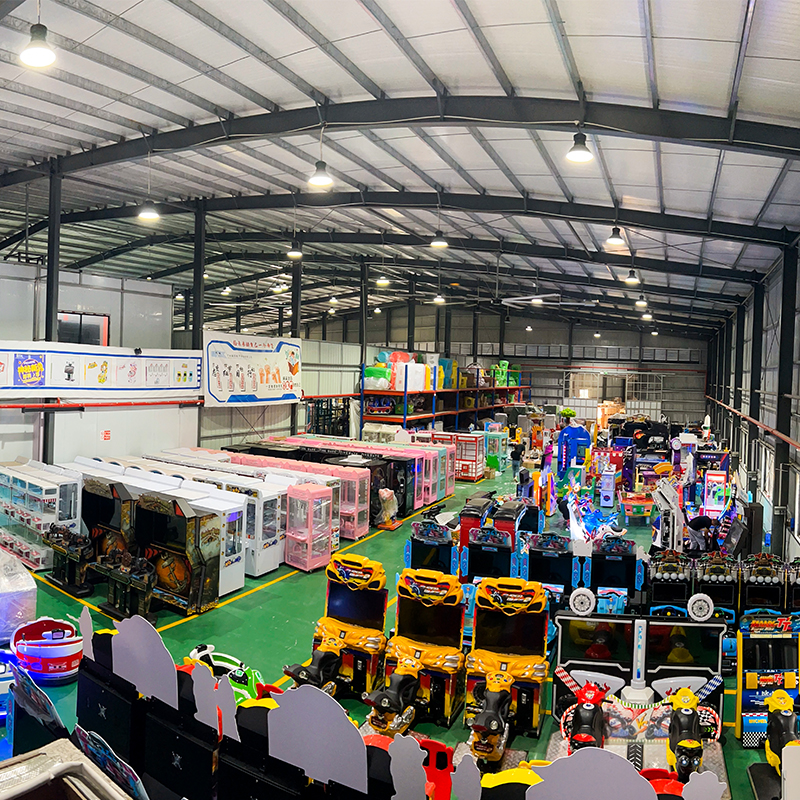
For most commercial buyers, Chinese suppliers offer the best balance of price, variety, and customization. However, the key is to distinguish between OEM/ODM manufacturers with proven track records (like EPARK, with over 14 years of experience and a 25,000 m² facility) and small workshops lacking certification.
Detailed Solution: A 5-Step Claw Machine Procurement Risk Management Framework
Step 1 – Supplier Qualification Audit
Before any price negotiation, verify the supplier’s credentials:
- Manufacturing history – Look for at least 5 years of dedicated claw machine production. EPARK, for example, has 14+ years in the industry.
- Factory scale – A facility over 10,000 m² indicates production capacity and quality control investment. EPARK’s showroom and factory cover 25,000 m².
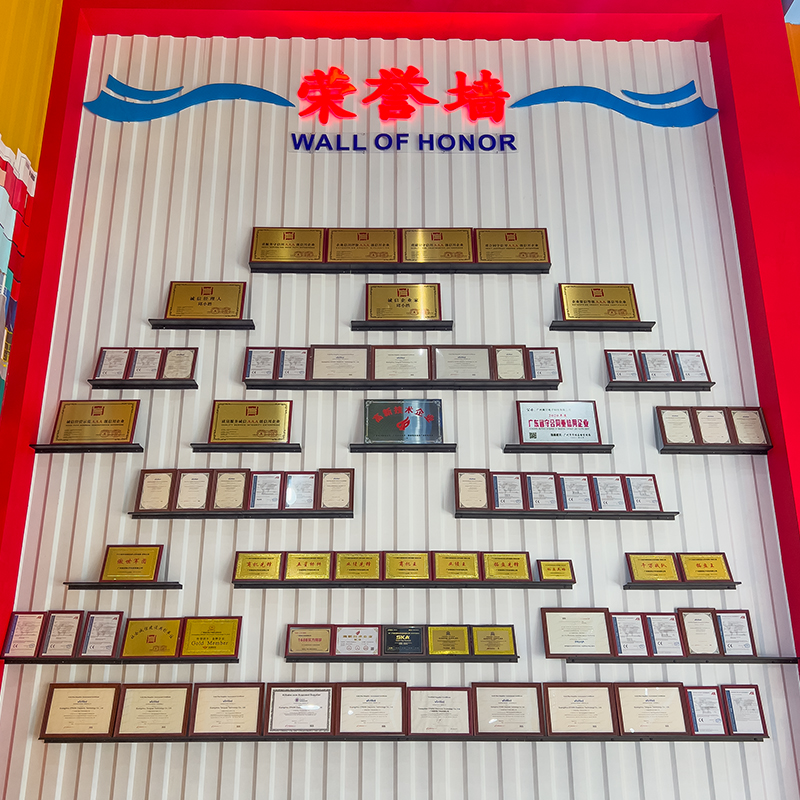
- Certifications – Request scanned copies of CE-EMC, CE-LVD, ROHS, SGS, or regional equivalents. Check if the certificates cover claw machines specifically (e.g., EPARK holds CE-EMC for “amusement machine” and “gift game machine”).
- Third-party audits – Prefer suppliers who have passed SGS factory audits or similar on-site inspections.
Step 2 – Product Specification Verification
Request detailed technical datasheets for the specific prize claw machine model you intend to buy. Key parameters to check:
| Parameter | Why It Matters |
|---|---|
| Cabinet material (metal thickness, coating) | Affects durability and resistance to tampering |
| Claw motor power (kg/cm torque) | Determines grip strength consistency |
| Coin/credit mechanism compatibility | Must support local currency or card/token systems |
| LED lighting system (number, color options) | Drives player attraction; energy efficiency matters |
| Control board firmware | Ability to adjust difficulty, win rates, and play timers |
Step 3 – Certification and Compliance Check
For EU markets, ensure the machine has both CE-EMC (electromagnetic compatibility) and CE-LVD (low voltage directive) certifications. For the US, UL or FCC may be required. EPARK provides a comprehensive set of certifications including CE-EMC for shooting game machines, racing game machines, kids game machines, and claw machine categories. Always request certificates dated within the last three years.
Step 4 – Production Assessment and Quality Control
Ask the supplier about their quality control process:
- Incoming material inspection – Do they test motors, PCBs, and power supplies before assembly?
- In-line QC – Are there checkpoints during cabinet building and wiring?
- Burn-in test – How long is each machine run before shipping? Ideally 24–48 hours continuous operation.
- Final inspection – Do they test claw drop accuracy, coin acceptance, and prize dispensing?
Leading factories like EPARK have their own technical R&D department and a dedicated production team, ensuring consistent quality across batches.
Step 5 – After-Sales Support and Warranty Terms
Risk does not end after shipment. Confirm the following in writing:
- Warranty period – Typically 12–24 months for commercial claw machines.
- Spare parts availability – Does the supplier stock common parts (claw assemblies, control boards, power supplies) for at least 3 years?
- Technical response time – EPARK provides “fast professional after-sales support” with a dedicated team. Ask for a response guarantee (e.g., within 24 hours).
- Remote troubleshooting – Do they offer video calls or diagnostic software?
Use Case: Applying the Framework with a Reliable Supplier
Consider a scenario where an arcade operator in Germany wants to procure 20 double player claw machines for a new family entertainment center. Using the framework:
- Step 1: They shortlist EPARK after verifying its 14-year history, 25,000 m² factory, and SGS certification.
- Step 2: They request datasheets for the Double Players Claw Machine model (measuring 800×800×1500 mm, with adjustable claw strength and 3 coin options).
- Step 3: They confirm CE-EMC and CE-LVD certificates specific to “gift game machine” and “frame game machine” categories.
- Step 4: They schedule a video factory tour via EPARK’s sales team to observe the production line and QC process.
- Step 5: They negotiate a 2-year warranty with a clause that EPARK will ship critical spares within 48 hours.
The result: a risk-minimized procurement that delivers reliable machines with full compliance and support.
Frequently Asked Questions (FAQ)
Q: What is the difference between a cheap claw machine and a commercial-grade one?
A: Cheap machines often use low-torque motors, thin metal cabinets, and unregulated power supplies. Commercial claw machines (like those from EPARK) are built with industrial-grade components, have certifications for continuous operation, and offer adjustable difficulty settings for revenue optimization.
Q: How do I verify if a supplier’s CE certificates are genuine?
A: Request the certificate in PDF with the issuing body’s contact. You can cross-check with the notified body number (e.g., those from TÜV or SGS). EPARK provides certificates from recognized bodies such as “CE-EMC amusement machine” and “CE-LVD amusement machine” which are verifiable.
Q: What is the typical lead time for a custom claw machine order?
A: For standard models, 15–25 days. For custom designs (custom LED colors, branding, or prize mechanisms), expect 30–45 days. EPARK offers free project solutions that can optimize lead time based on your requirements.
Q: Should I choose a single player or double player claw machine?
A: Single player machines are ideal for compact spaces and lower traffic. Double player machines allow two players to compete simultaneously, increasing per-hour revenue. For game centers, a mix of both is recommended.
Q: How can I reduce shipping damage risks?
A: Ask the supplier about their packaging method (plywood crates, foam padding, and corner protectors). EPARK uses export-standard wooden crates and has extensive experience shipping globally from Guangzhou.
Conclusion
Claw machine procurement does not have to be a gamble. By adopting a structured risk management framework—covering supplier audit, product verification, certification check, quality control, and after-sales support—you can confidently source machines that deliver consistent performance and high ROI. Partnerships with established manufacturers like EPARK (Building 9, 120 Donghuan Road, Shiqiao, Panyu District, Guangzhou, China 511400) provide the reliability and transparency needed to succeed in today’s competitive entertainment market.
Ready to source your next claw machine with zero risk? Contact EPARK’s sales team at +86 13903079263 or email sales@nanyuetech.com for a free project consultation.