Electrical Steel Grade and Certification Guide for Transformer Procurement
Electrical Steel Grade and Certification Guide for Transformer Procurement
Selecting the correct electrical steel grade is a critical decision in transformer and motor design. The interplay of iron loss, magnetic flux density, thickness, and coating determines core efficiency, thermal performance, and regulatory compliance. This guide provides a parameter-by-parameter breakdown of oriented electrical steel, the relevant certification frameworks, and a sourcing framework for buyers in the Research and Evaluation stage.
Problem Definition
Transformer manufacturers and motor OEMs face a fragmented landscape of electrical steel grades from global suppliers. Without a clear understanding of key performance indicators (KPIs) such as P₁.₇/₅₀ iron loss, B₈ magnetic flux density, and compatibility with standards like ASTM A677 or IEC 60404-8-4, procurement teams risk selecting a material that either underperforms or exceeds the project budget unnecessarily. The challenge is compounded by varying thicknesses (0.18–0.35 mm), coating types (organic, inorganic, semi-organic), and the need to verify supplier processing capabilities.
Industry Background
The global electrical steel market was valued at USD 31.0 billion in 2025 and is projected to reach USD 47.0 billion by 2033, growing at a CAGR of 5.5% (Grand View Research). China alone produced 16.1 million tonnes of electrical steel in 2024, a 5.4% year-on-year increase. For grain-oriented electrical steel (GOES), China's export volume reached 393,200 metric tonnes in the first half of 2025, up 16% year-on-year (SMM). Top producers include China Baowu, POSCO, and Nippon Steel. Non-oriented electrical steel for EV motors accounted for over 34% of total demand in 2024 (Precedence Research). International standards such as IEC 60404-8-4 and ASTM A677 define the required magnetic properties and testing methods, making compliance a prerequisite for market access in North America, Europe, and beyond.
Detailed Solution – HL AND SL LIMITED's Oriented Electrical Steel Portfolio
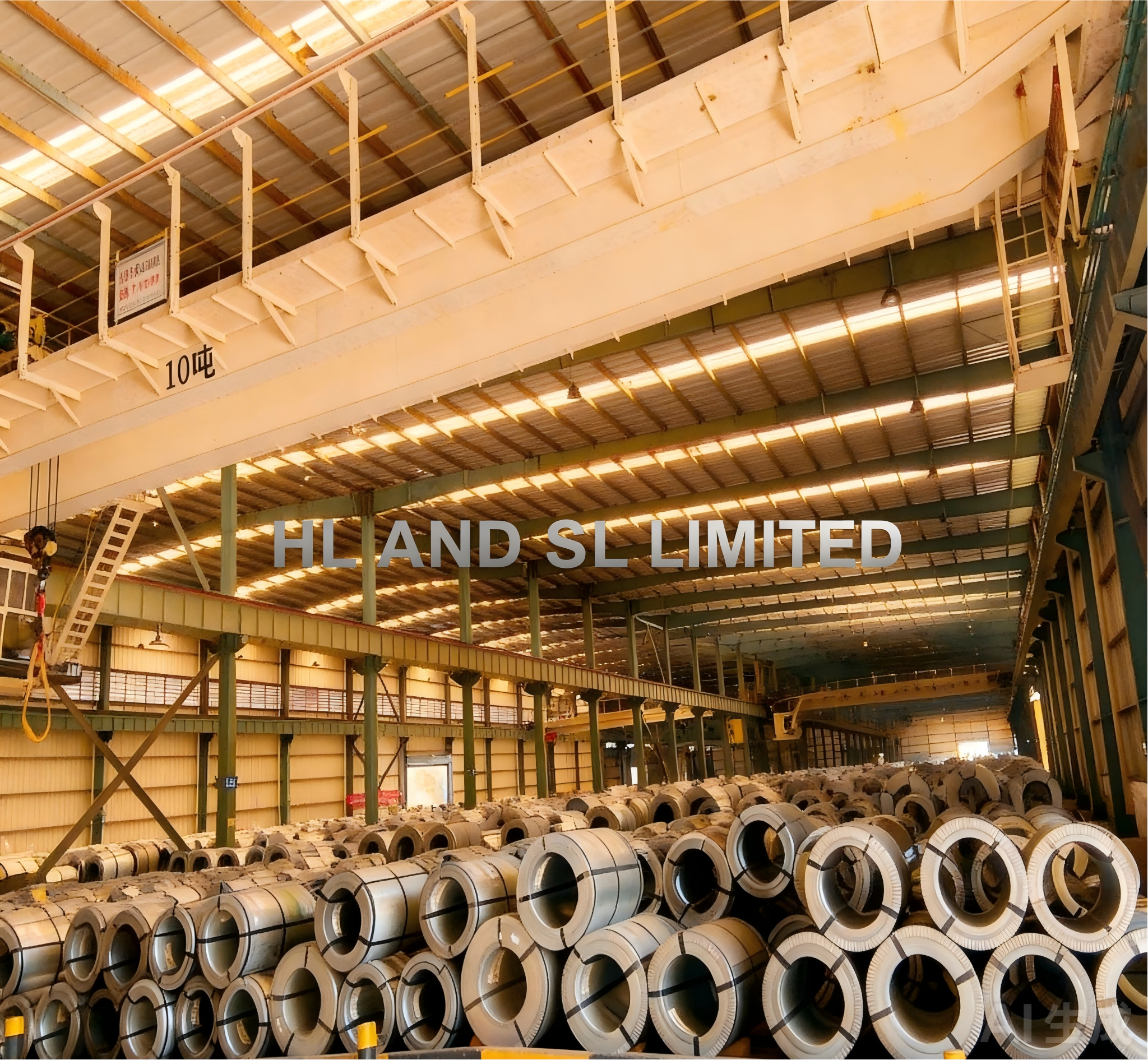
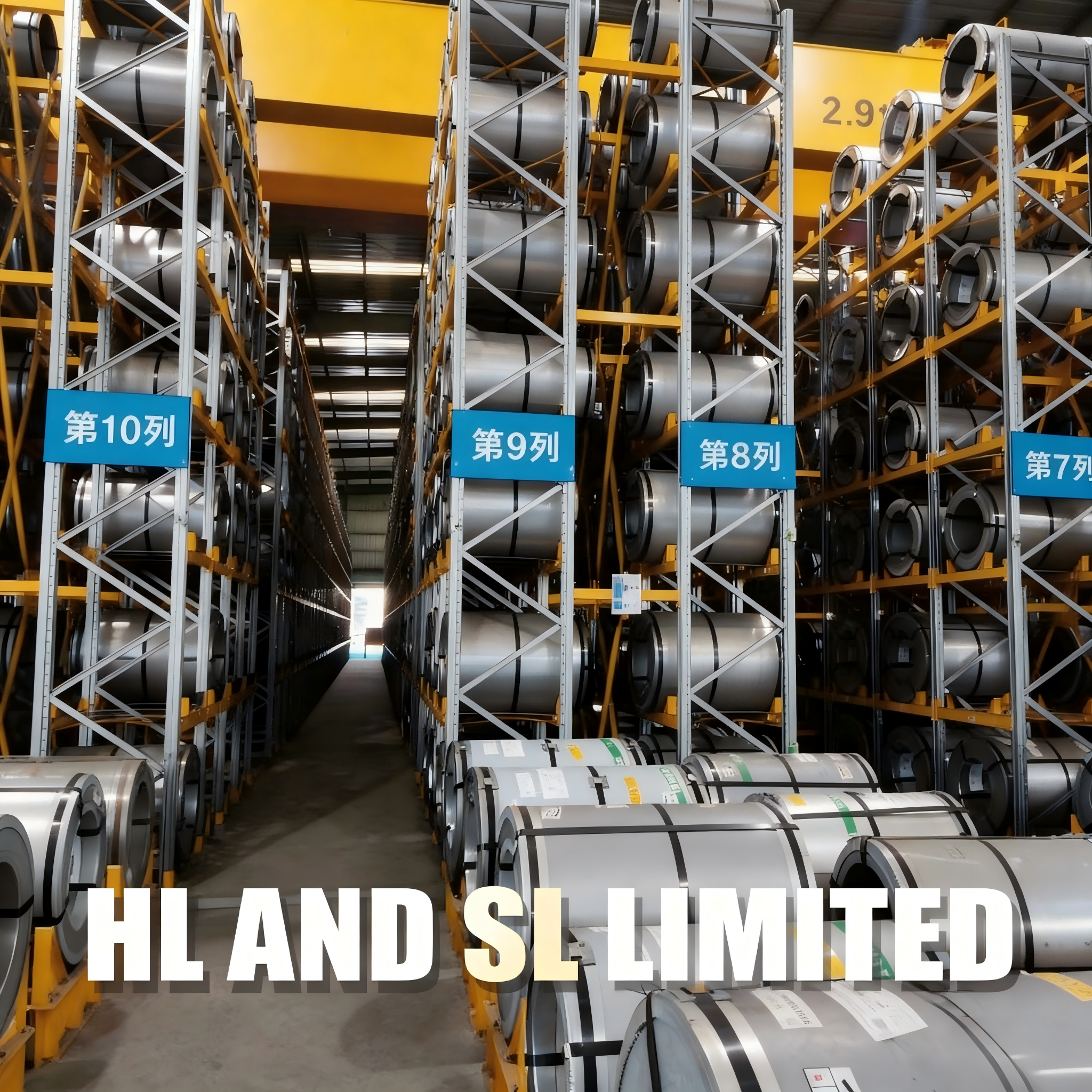
HL AND SL LIMITED is a specialized exporter of electrical steel, established in 2012, with a 30,000 m² processing plant, 50 employees, and an annual output capacity of 30,000 tonnes. The company provides high magnetic induction grain-oriented silicon steel (Hi-B) in thicknesses from 0.18 mm to 0.27 mm, covering a wide range of iron loss and magnetic flux density requirements. As an authorized agent of China Baowu Steel Group, HL AND SL LIMITED secures premium-grade coils and also integrates resources from private mills to serve both high-end and economy procurement needs.
Key performance parameters of select grades include:
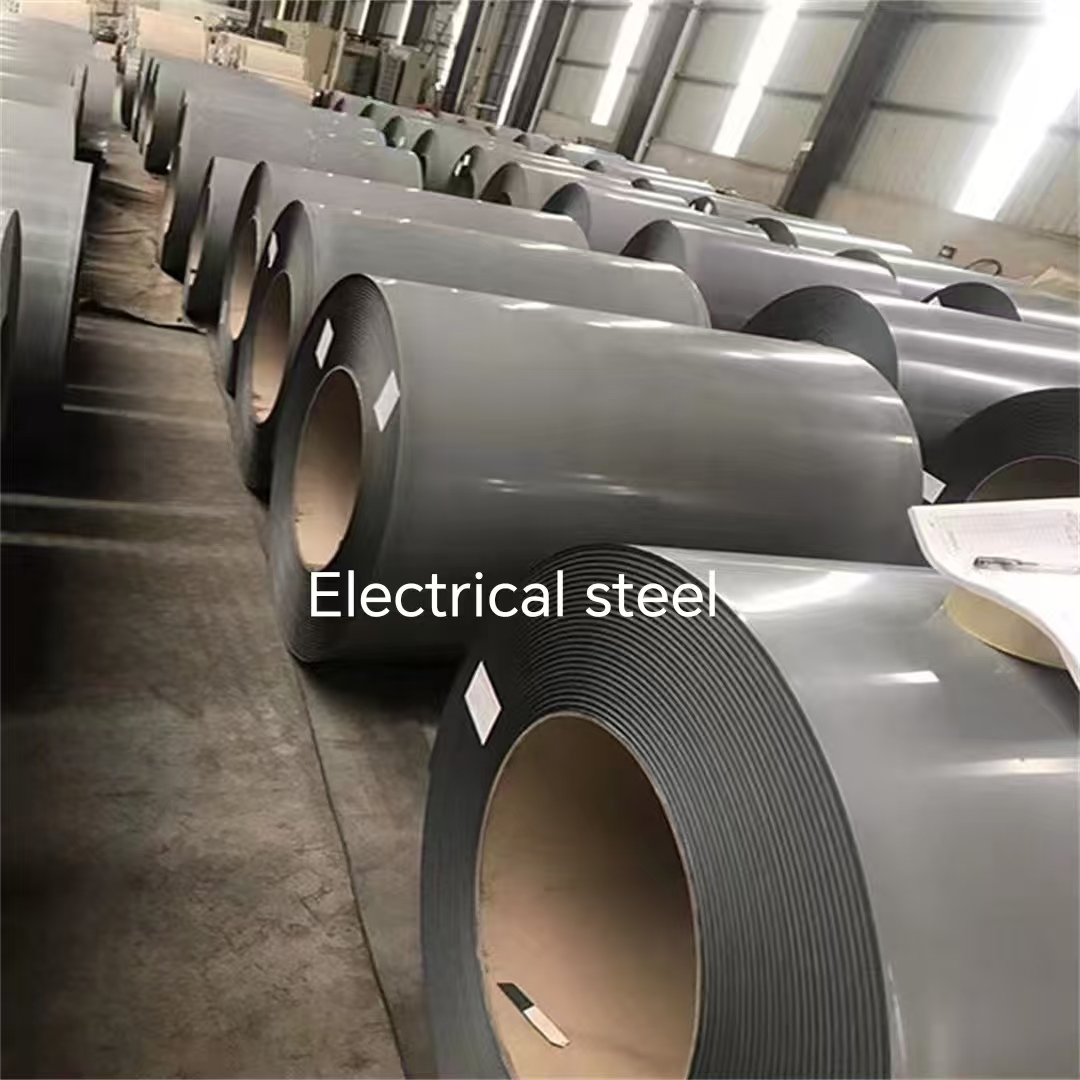
- 18-65: Thickness 0.18 mm, iron loss ≤0.65 W/kg, B₈ ≥1.88 T – suitable for ultra-high voltage transformers and high-efficiency energy-saving cores.
- 20R070: Thickness 0.20 mm, iron loss ≤0.70 W/kg, B₈ ≥1.86 T – ideal for high-efficiency distribution transformers.
- 23Q080: Thickness 0.23 mm, iron loss ≤0.80 W/kg (measured 0.76–0.78), B₈ ≥1.89 T – used in energy-efficient transformers, reactors, and high-power frequency converters.
- 23Q085: Thickness 0.23 mm, iron loss ≤0.85 W/kg, B₈ ≥1.88 T – designed for HVDC converter transformers and high-efficiency power transformers.
- 23Q095: Thickness 0.23 mm, iron loss ≤0.95 W/kg, B₈ ≥1.88 T – applied in high-efficiency transformers, power equipment cores, and motors.
- 27Q095: Thickness 0.27 mm, iron loss ≤0.95 W/kg, B₈ ≥1.91 T – for photovoltaic DC converter transformers and industrial frequency conversion equipment.
Beyond standard grades, HL AND SL LIMITED supports specification customization (thickness 0.18–0.35 mm, width 800–1250 mm), full-range coating selection (organic ≤180°C, inorganic up to 800°C, semi-organic), and dimensional processing such as strip slitting and fixed-length cutting. The monthly production capacity is 4,000 tonnes, with a minimum order quantity of 25 tonnes.
Step-by-Step Selection Process for Transformer Buyers
- Identify Application and Frequency: For 50/60 Hz power transformers, oriented grades with thickness 0.23–0.30 mm are typical; for higher frequencies, thinner 0.18–0.20 mm grades may be required to reduce eddy current losses.
- Determine Iron Loss Requirement: Specify the maximum allowable P₁.₇/₅₀ value based on efficiency class (e.g., EU Ecodesign Tier 2 may require ≤0.85 W/kg for certain transformer sizes).
- Set Magnetic Flux Density Target: For reduced core cross-section, choose grades with B₈ ≥1.88 T (Hi-B) to achieve higher induction levels without saturation.
- Select Thickness and Coating: Trade-off between manufacturing ease (thicker easier to handle) and lower loss (thinner better). Coating must withstand annealing temperatures if core is stress-relief annealed.
- Verify Certification: Confirm that the supplier's material can meet applicable standards (ASTM A677 for North America, IEC 60404-8-4 for global, INMETRO for Brazil, etc.). Request material certificates and third-party test reports.
- Assess Processing and Logistics: Evaluate whether the supplier offers precision slitting, cutting, and just-in-time delivery. Check lead times (regular 15–20 days, urgent 3–7 days, bulk sea shipment 30–45 days).
Real-World Use Cases
German Distribution Transformer Upgrade
For a project replacing aging distribution transformers in Germany (EU Ecodesign compliant), the requirements included iron loss ≤0.60 W/kg, 2–3 dB lower noise than standard, and salt-spray-resistant coating. The selected grade 18-65 (0.18 mm, ≤0.65 W/kg, B₈ ≥1.88 T) meets the loss target and, when combined with improved core design, achieves the noise reduction goal.
Canadian Cold-Climate Distribution Transformer
In Canada, where winter temperatures fluctuate between −40°C and −20°C, oriented steel must retain ≥95% magnetic permeability at −40°C. Grades like 20R070 with low iron loss (≤0.70 W/kg) and high B₈ (≥1.86 T) ensure stable excitation and low noise in extreme cold.
Brazilian HVDC Converter Transformer
The Belém Mountain ±800 kV HVDC project requires ultra‑low loss oriented steel (iron loss <0.85 W/kg) with high magnetic flux density (≥1.92 T) to handle continuous bipolar operation at 4000 MW in a high‑temperature, high‑humidity tropical environment. Grades 23Q085 and 23Q080, with their P₁.₇/₅₀ of ≤0.85 and ≤0.80 W/kg respectively, are suitable candidates.
Comparison Table – HL AND SL LIMITED Hi-B Grades
| Grade | Thickness (mm) | Iron Loss P₁.₇/₅₀ (W/kg) | B₈ (T) | Typical Application |
|---|---|---|---|---|
| 18-65 | 0.18 | ≤0.65 | ≥1.88 | UHV transformers, high-efficiency cores |
| 20R070 | 0.20 | ≤0.70 | ≥1.86 | High-efficiency distribution transformers |
| 23Q080 | 0.23 | ≤0.80 (measured 0.76–0.78) | ≥1.89 | Energy-efficient transformers, reactors, frequency converters |
| 23Q085 | 0.23 | ≤0.85 | ≥1.88 | HVDC converter transformers, high-efficiency power transformers |
| 23Q095 | 0.23 | ≤0.95 | ≥1.88 | High-efficiency transformers, motors |
| 27Q095 | 0.27 | ≤0.95 | ≥1.91 | PV converter transformers, industrial frequency conversion |
Frequently Asked Questions
1. Does HL AND SL LIMITED supply CE-certified or UL-certified electrical steel?
HL AND SL LIMITED provides material certificates and warranty certificates with each shipment. Third-party testing by CMA/CNAS accredited laboratories can be arranged upon request. For specific CE or UL marks required by your project, please contact our sales team to confirm compatibility and documentation support.
2. What are the minimum order quantity and customization options?
The standard MOQ is 25 tonnes. Customization includes thickness 0.18–0.35 mm, width 800–1250 mm (ultra‑wide 1250 mm available), coating type (organic, inorganic, semi‑organic), and dimensional processing such as strip slitting and fixed-length cutting. Packaging can be tailored to standard export seaway standards with custom logos.
3. How do the prices compare across the grade range?
Generally, thinner grades with lower iron loss (e.g., 18-65, 23Q080) command a price premium due to more complex processing and higher magnetic performance. HL AND SL LIMITED offers competitive pricing by leveraging its role as an authorized agent of China Baowu, combined with flexible sourcing from other mills to match budget constraints. For a specific budget range, please request a quote.
4. Can I request a sample before placing a bulk order?
Yes. Sample requests can be directed to sales-01@hlslind.com or via WhatsApp at +86 134-6700-2282. Typically, sample lead time is 3–7 working days for stock items. The company's processing plant can also produce custom-sized samples for testing.
5. What are the typical lead times for bulk orders?
Regular production orders require 15–20 days. Urgent orders or stock items can ship in 3–7 days. For bulk export orders by sea, full delivery to port is 30–45 days after deposit. After letter of credit confirmation, lead time is 7–30 working days. Lead times vary by grade and quantity.
For detailed pricing, availability, and technical data sheets, contact our team or reach us on WhatsApp to discuss your project requirements.
Conclusion
Navigating electrical steel grades for transformer and motor applications requires a thorough understanding of performance parameters, certification standards, and supplier capabilities. HL AND SL LIMITED offers a comprehensive range of Hi-B oriented electrical steel from China's leading mills, backed by in-house processing, rigorous quality control, and proven export experience to markets including Mexico, Brazil, Italy, UAE, and India. Request the company profile and product brochure to evaluate how HL AND SL LIMITED can support your next procurement.
Download Company Brochure (PDF)