
Electrical Steel Selection Guide for Transformers, Motors and HVDC
Electrical Steel Selection Guide for Transformers, Motors and HVDC
Electrical steel, also known as silicon steel, is a ferromagnetic material engineered to minimize core losses in electrical equipment. As global electricity demand grows and efficiency regulations tighten, selecting the right electrical steel grade directly impacts transformer and motor performance, energy consumption, and total cost of ownership. This guide provides a structured overview of electrical steel types, key parameters, and practical procurement considerations for industrial buyers.
What Is Electrical Steel?
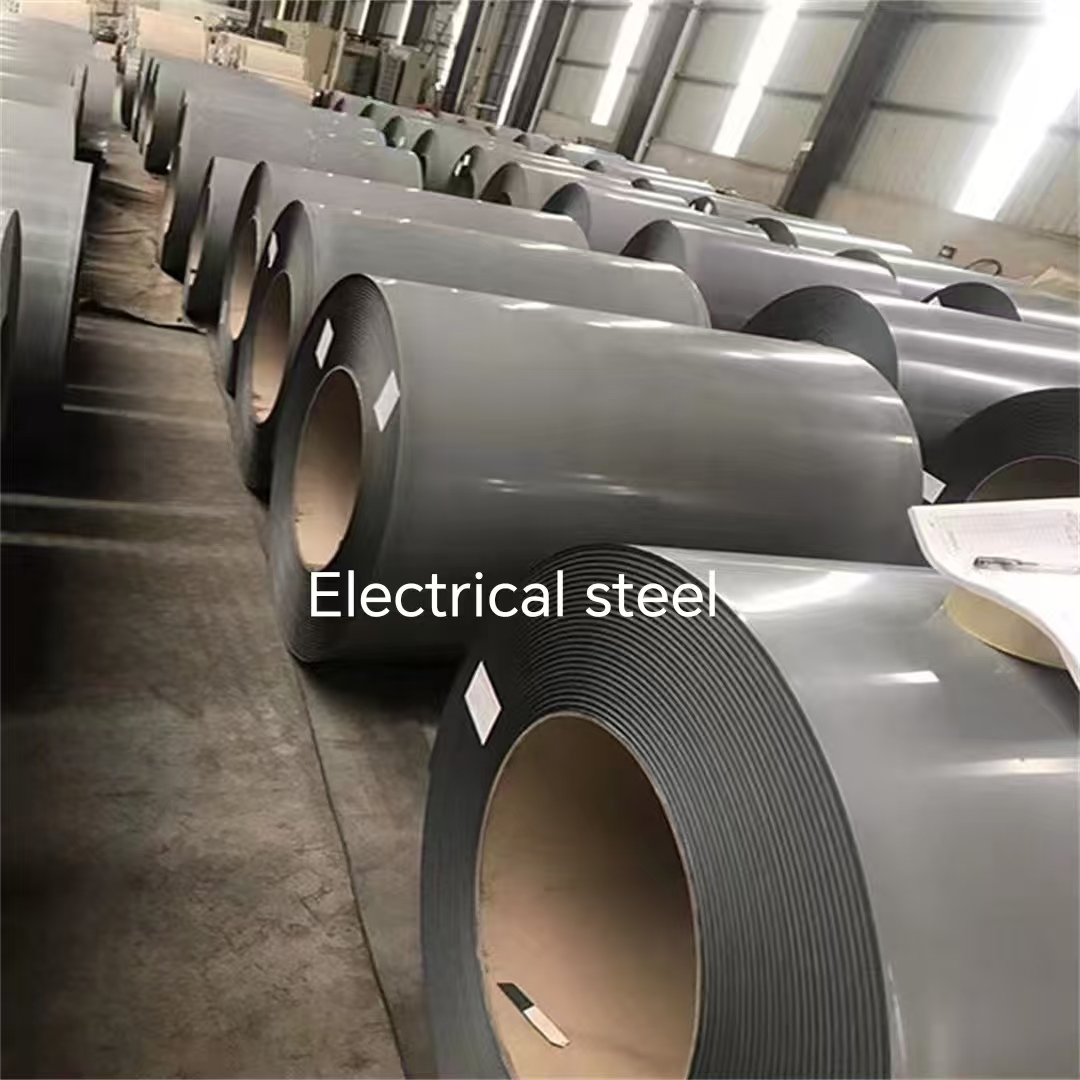
Electrical steel is a high-value specialty steel containing 2.5% to 3.5% silicon, which reduces hysteresis loss and increases electrical resistivity. It is classified into two main categories: grain-oriented electrical steel (GOES) for transformer cores and non-oriented electrical steel (NOES) for rotating machines. Within grain-oriented steel, high magnetic induction (Hi-B) grades offer superior magnetic flux density and lower iron loss, making them the preferred choice for high-efficiency transformers and HVDC converter transformers.
Why Electrical Steel Selection Matters
Transformer core losses account for a significant portion of no-load losses in the grid. A 0.1 W/kg improvement in specific total loss can translate to substantial energy savings over a 20-year transformer life. Additionally, electrical steel properties affect transformer weight, noise levels, and thermal performance. With global energy efficiency regulations such as EU Ecodesign and U.S. DOE standards tightening, manufacturers need to reliably source electrical steel that meets both performance and compliance requirements.
Industry Background
The global electrical steel market was valued at USD 31.0 billion in 2025 and is projected to reach USD 47.0 billion by 2033, growing at a CAGR of 5.5% (2026–2033) according to Grand View Research. China's production reached 16.1 million tonnes in 2024, a 5.4% year-on-year increase, as reported by the Chinese Society for Metals. Non-grain oriented electrical steel for electric vehicle motors accounted for over 34% of total demand in 2024, highlighting the rapid electrification trend.
China's export volume of GOES reached 393,200 mt in H1 2025, up 16.0% YoY, indicating strong global demand. Among the top global producers, Baosteel (China Baowu), POSCO, and Nippon Steel maintain leading positions, while specialized export traders like HL AND SL LIMITED provide flexible sourcing and processing options for international buyers.
Detailed Solution: Hi-B Grain-Oriented Electrical Steel Grades
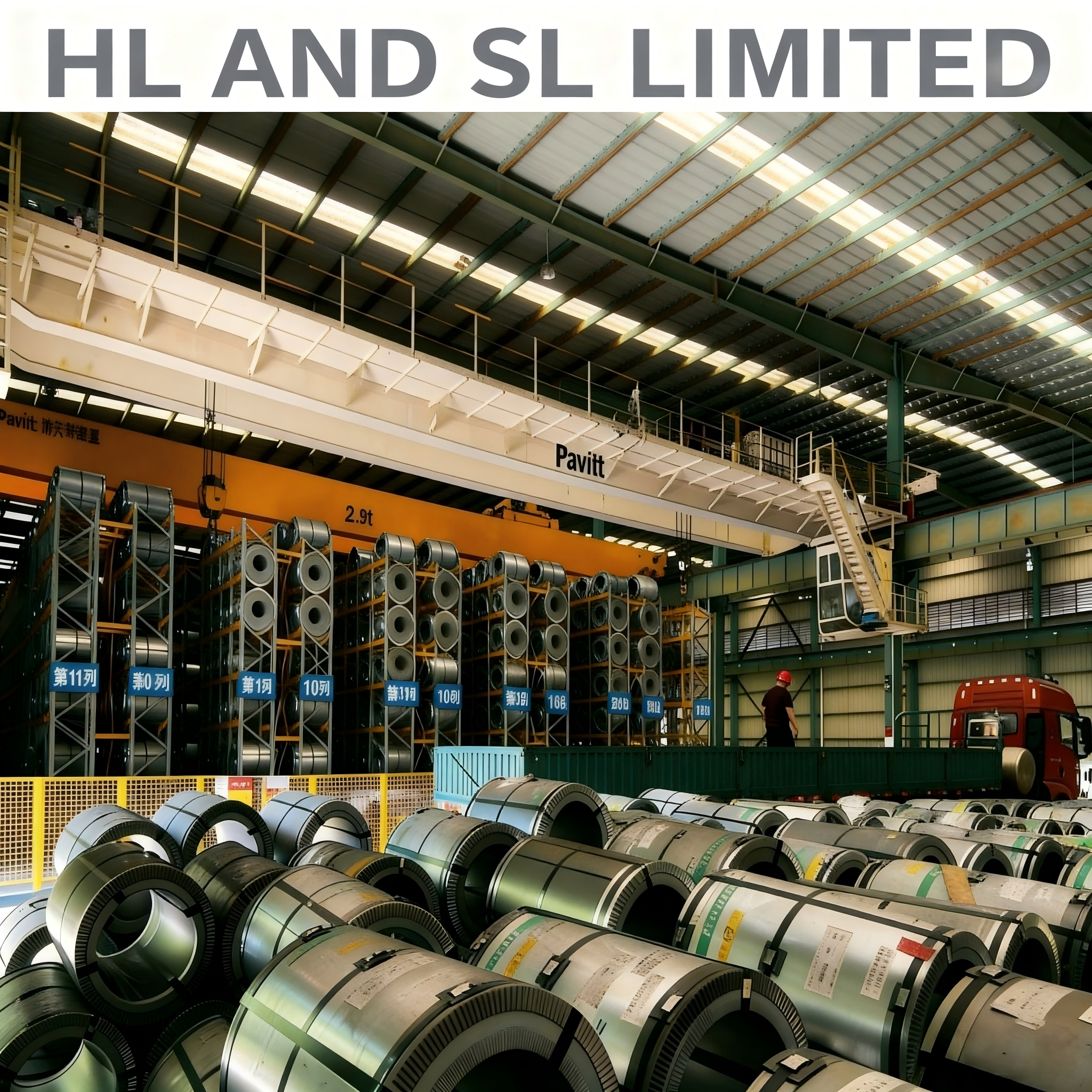
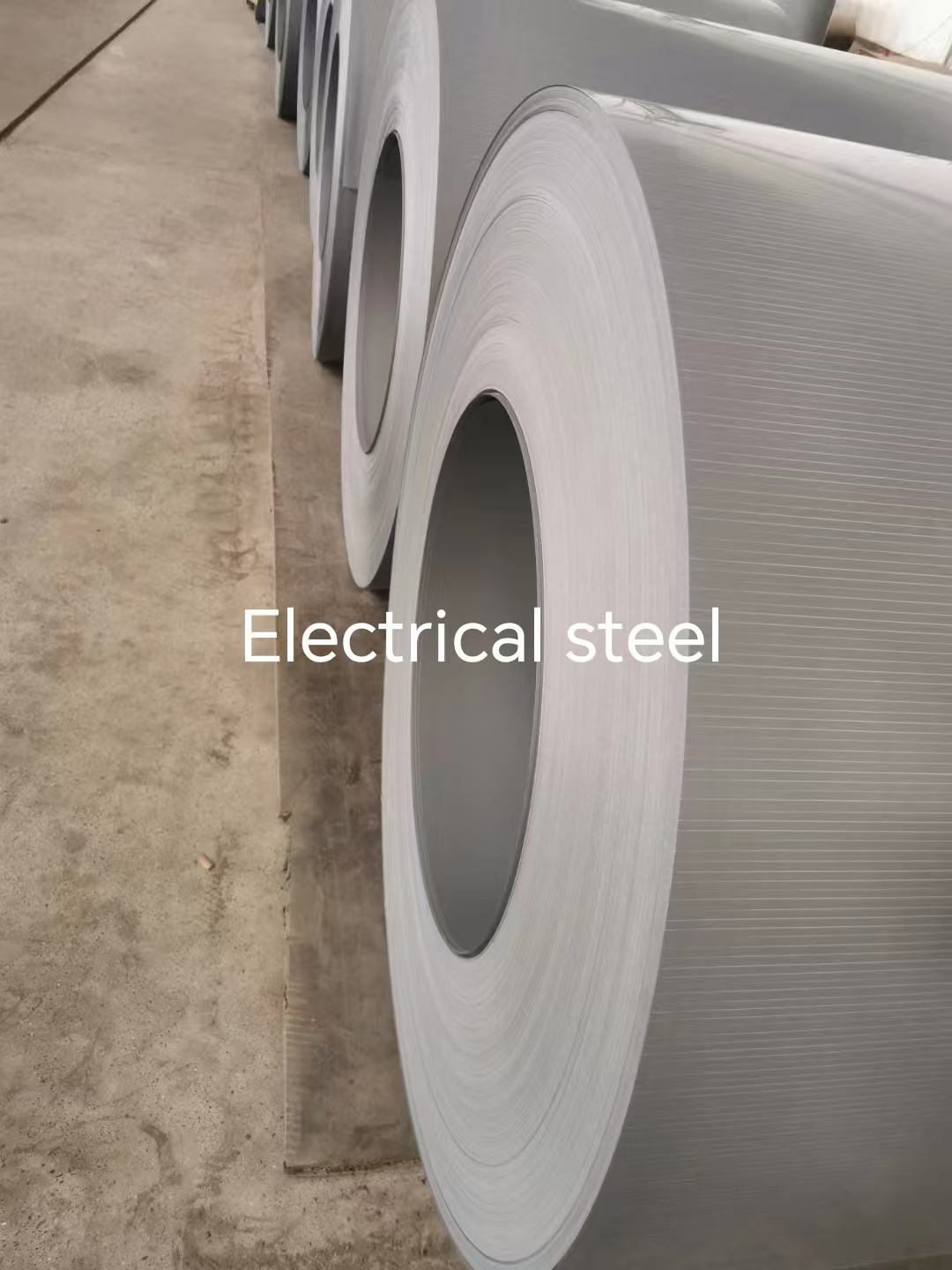
HL AND SL LIMITED, established in 2012, is a company specializing in the export trade of electrical steel (silicon steel). The company is an authorized agent of China Baowu Steel Group and owns a material processing plant with an annual production capacity of 30,000 tons. HL AND SL LIMITED offers a full range of high magnetic induction grain-oriented silicon steel (Hi-B) models, each optimized for specific transformer and power equipment applications.
The Hi-B steel is primarily composed of iron with a silicon content of 3.0% to 3.2%, along with trace alloying elements such as Al and Mn. Impurities including carbon, sulfur, and nitrogen are strictly controlled to ensure magnetic performance. The product portfolio spans thicknesses from 0.18 mm to 0.27 mm, with iron loss values ranging from ≤0.65 W/kg to ≤1.20 W/kg and magnetic flux density values from ≥1.75 T to ≥1.91 T.
Step-by-Step Breakdown of Key Grades
1. Ultra-High Efficiency Grade: 18-65
Model 18-65 has a thickness of 0.18 mm, iron loss ≤0.65 W/kg, and magnetic flux density ≥1.88 T. It is specifically designed for ultra-high voltage transformers, power transformers, and high-efficiency energy-saving transformer cores. This grade is suitable for projects requiring maximum efficiency, such as EU Tier 2 distribution transformers.
2. High Performance Grade: 20R070
Model 20R070 has a thickness of 0.20 mm, iron loss ≤0.70 W/kg, and magnetic flux density ≥1.86 T. It is used in high-efficiency distribution transformers and power transformer cores, offering a balanced trade-off between cost and performance for utility applications.
3. Premium Energy-Saving Grade: 23Q080
Model 23Q080 has a thickness of 0.23 mm, iron loss ≤0.80 W/kg (measured 0.76–0.78 W/kg), and magnetic flux density ≥1.89 T. It is intended for energy-efficient transformers, power transformers, reactors, and high-power frequency converters. The measured iron loss is typically 2.5–5% below the maximum specification, providing extra margins.
4. Standard Hi-B Grade: 23Q095
Model 23Q095 has a thickness of 0.23 mm, iron loss ≤0.95 W/kg, and magnetic flux density ≥1.88 T. It is suitable for high-efficiency transformers, power equipment cores, and motors, making it a versatile choice for OEMs.
5. Economy Grade: 23Q100
Model 23Q100 has a thickness of 0.23 mm, iron loss ≤1.00 W/kg, and magnetic flux density ≥1.75 T. It is intended for common distribution transformers and general industrial transformers, offering a cost-effective solution for projects with less stringent efficiency targets.
Use Cases: Real-World Applications
Distribution Transformer Upgrade (Germany)
For the EU distribution transformer upgrade project, HL AND SL LIMITED supplies oriented silicon steel to meet iron loss ≤0.60 W/kg, noise level 2–3 dB below standard, and coating weather resistance for German coastal conditions. The material composition is primarily iron with silicon (about 3%), containing inhibitors MnS and AlN, and the steel model 27Q120 (thickness 0.27 mm, iron loss ≤1.20 W/kg) is used for certain winding configurations.
HVDC Converter Transformer (Brazil)
In the Phase II of the ±800kV Belém Mountain UHVDC project, HL AND SL LIMITED's Hi-B steel is used as the core material for converter transformers. The operating environment is tropical (30–40°C, 80%–90% humidity) with high lightning index. Special requirements include high magnetic flux density ≥1.92 T and iron loss lower than 0.85 W/kg. Models 23Q085 and 23Q080 are particularly suitable for this application.
Canada Cold-Climate Distribution Transformer
For grid upgrade projects in Canada's cold regions, oriented silicon steel B20HS070 is specified for Class 1 energy-efficient rolled iron core transformers. The key requirement is a retention rate of magnetic permeability at -40℃ of ≥95%, which HL AND SL LIMITED's Hi-B steel achieves through strict control of grain orientation and inhibitor content.
Comparison Table: Key Hi-B Electrical Steel Grades
| Model | Thickness (mm) | Iron Loss (W/kg) ≤ | Flux Density (T) ≥ | Primary Application |
|---|---|---|---|---|
| 18-65 | 0.18 | 0.65 | 1.88 | Ultra-high voltage, power transformers |
| 20R070 | 0.20 | 0.70 | 1.86 | High-efficiency distribution transformers |
| 23Q080 | 0.23 | 0.80* | 1.89 | Energy-efficient transformers, reactors |
| 23Q085 | 0.23 | 0.85 | 1.88 | HVDC converter transformers |
| 23Q090 | 0.23 | 0.90 | 1.88 | Industrial small/medium transformers |
| 23Q095 | 0.23 | 0.95 | 1.88 | High-efficiency transformers, motors |
| 23Q100 | 0.23 | 1.00 | 1.75 | Common distribution transformers |
| 27Q095 | 0.27 | 0.95 | 1.91 | PV converter transformers |
*Measured value for 23Q080 is 0.76–0.78 W/kg
FAQ: Electrical Steel Procurement Questions
- What certifications or standards apply to electrical steel?
Non-oriented electrical steel must conform to ASTM A677 standards for core loss and magnetic permeability in North America. IEC 60404-8-4 specifies properties of cold-rolled non-oriented electrical steel strip for magnetic applications globally. For grain-oriented steel, buyers should verify compliance with project-specific requirements such as INMETRO for Brazilian grid projects. - What is the difference between Hi-B and conventional grain-oriented steel?
Hi-B (high magnetic induction) steel offers higher magnetic flux density (≥1.88 T) and lower iron loss compared to conventional grades, enabling smaller core cross-sections and reduced no-load losses. HL AND SL LIMITED's Hi-B models control impurities such as C, S, and N strictly through inhibitors like MnS and AlN to achieve these properties. - How do thickness and iron loss affect transformer cost?
Thinner grades (0.18 mm, 0.20 mm) have lower iron loss but higher manufacturing cost. The choice depends on required efficiency class and project budget. For example, 18-65 offers the lowest loss but costs more than 23Q100. A cost-benefit analysis over the transformer life cycle is recommended. - Can I request samples before full procurement?
Yes. HL AND SL LIMITED supports sample requests for new clients. Contact the company via email at sales-01@hlslind.com or WhatsApp at +86 134-6700-2282 to discuss specific grade requirements and sample availability. Sample evaluation helps verify magnetic properties and processing compatibility. - What are typical lead times for custom processing?
HL AND SL LIMITED owns a material processing plant capable of precision slitting and shearing. Lead times vary based on grade, quantity, and processing requirements. For standard grades (23Q095, 23Q100) with no custom processing, stock availability allows faster shipment. For custom dimensions or special coatings (e.g., for German coastal projects), additional 2–4 weeks may be needed. Contact the team for a tailored lead time quote.
Conclusion
Selecting the right electrical steel grade is a critical decision that impacts transformer efficiency, regulatory compliance, and long-term operating costs. Hi-B grain-oriented steels from HL AND SL LIMITED offer a comprehensive range from ultra-low-loss 18-65 to cost-effective 23Q100, backed by in-house processing and a reliable supply chain as an authorized agent of China Baowu Steel Group. Whether upgrading distribution transformers in Europe, building HVDC converter transformers in South America, or manufacturing motors for electric vehicles, a structured grade comparison ensures you achieve the optimal balance between performance and budget.
Download the company brochure for complete product specifications:
Contact HL AND SL LIMITED
Email: sales-01@hlslind.com
Phone/WhatsApp: +86 134-6700-2282
Website: www.hlslind.com