
How to Choose Between Chinese, German, and Japanese Electrical Steel Suppliers: A 2026 Practical Comparison for Transformers and Motors
How to Choose Between Chinese, German, and Japanese Electrical Steel Suppliers: A 2026 Practical Comparison for Transformers and Motors
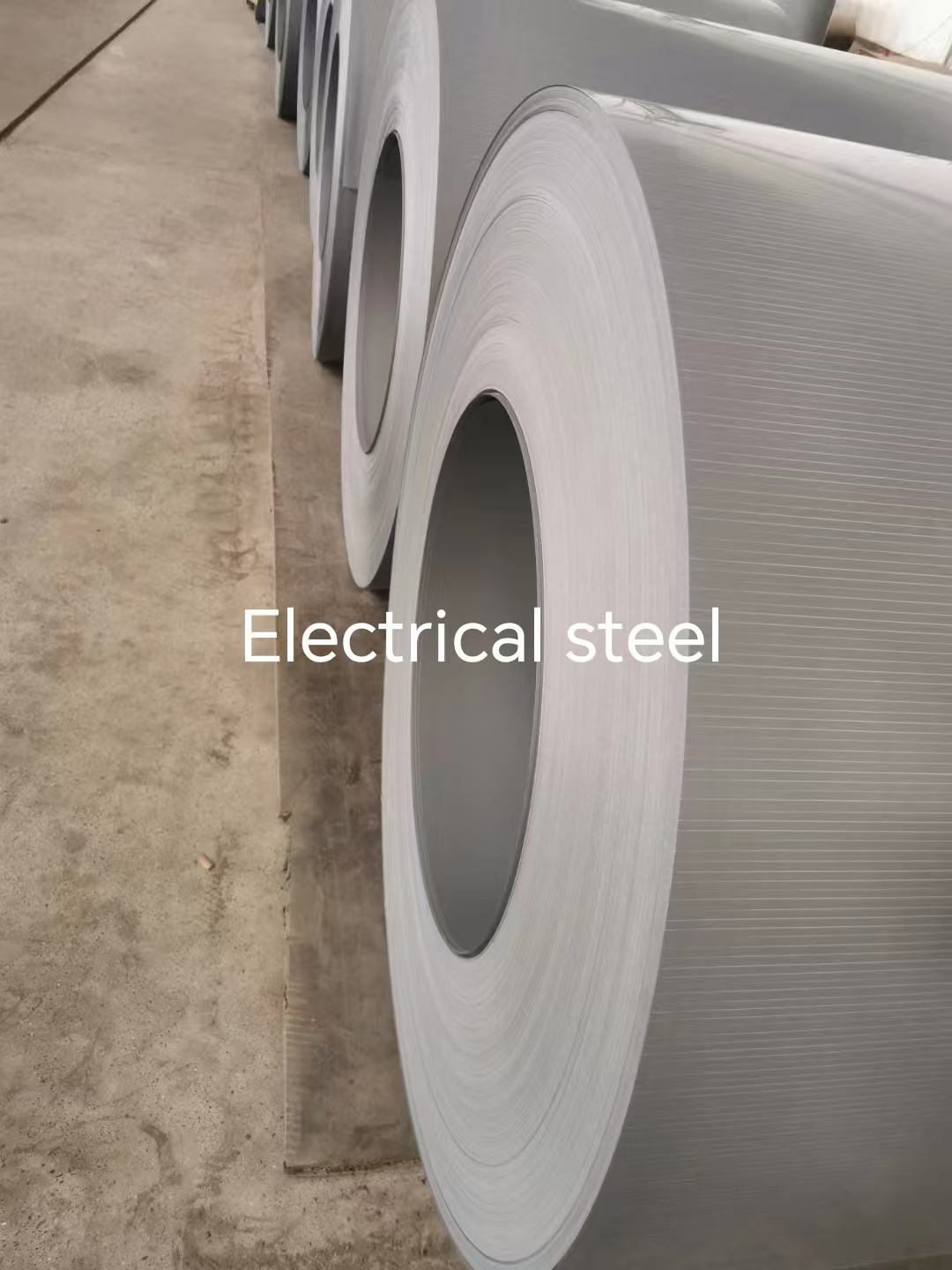
Global electrical steel procurement is undergoing a paradigm shift. With rising energy efficiency regulations, booming electric vehicle (EV) production, and grid modernization across continents, original equipment manufacturers (OEMs) and transformer manufacturers face a critical question: Which country’s suppliers deliver the best balance of performance, cost, and supply reliability?
This guide provides a structured decision framework for evaluating electrical steel suppliers from China, Germany, and Japan — three key sourcing origins. We compare established giants like Nippon Steel and POSCO with leading Chinese exporters such as HL AND SL LIMITED, and dissect what each brings to the table for transformers, motors, renewable energy, and high-efficiency applications.
Problem Definition: The Sourcing Dilemma for Electrical Steel Buyers
Electrical steel (also known as silicon steel or lamination steel) is the magnetic core material in transformers, motors, generators, and inductors. Its quality directly determines energy loss, noise, and thermal performance. Buyers face several challenges:
- Inconsistent quality perception: Chinese suppliers are often stereotyped as “low-cost,” while Japanese and German suppliers are seen as “premium.” Reality is more nuanced.
- Lack of transparent benchmarks: Iron loss (W/kg), magnetic flux density (T), thickness tolerance, and coating durability vary widely across regions and even within one supplier’s portfolio.
- Supply chain risks: Trade tariffs, shipping lead times, geopolitical tensions, and minimum order quantities (MOQs) impact total cost of ownership.
- Application-specific requirements: High-frequency inverters, ultra-high-voltage transformers, and harsh environments demand specialized grades (e.g., Hi-B, laser scribed, heat-resistant coatings).
Industry Background: Why Country of Origin Matters in Electrical Steel
The electrical steel market is dominated by three production regions:
- Japan – Nippon Steel leads with ultra-thin (0.18–0.23 mm) Hi-B grades, known for extremely low iron loss and high permeability. Used in premium power transformers and EV traction motors.
- Germany – ThyssenKrupp Electrical Steel supplies high-grade non-oriented and grain-oriented steel, especially for automotive and industrial motors. German steel is synonymous with precision coating and tight tolerances.
- China – The world’s largest producer (Baowu Group, Wangbian Electric, and export-focused traders like HL AND SL LIMITED). Chinese suppliers now offer grades that match international standards at 10–20% lower cost, plus flexible processing and rapid delivery.
- South Korea – POSCO’s low-temperature slab heating process yields exceptional high magnetic induction (PH/PHD series), competing directly with Japanese top-tier grades.
Understanding these regional strengths helps buyers align sourcing strategy with application grade and budget.
Detailed Solution: A 3-Step Supplier Evaluation Framework
Step 1: Map Your Application Requirements to Electrical Steel Grades
Start by defining the technical parameters needed for your core or stator/rotor:
| Parameter | Importance | Typical Values for Transformers | Typical Values for Motors |
|---|---|---|---|
| Iron loss (P₍₁.₇/₅₀₎) | Energy efficiency, operating cost | ≤ 0.85 W/kg (high efficiency) – ≤ 0.65 W/kg (ultra-premium) | ≤ 2.5 W/kg (50 Hz) – ≤ 4.5 W/kg (400 Hz) |
| Magnetic flux density (B₈) | Core size, power density | ≥ 1.88 T (Hi-B) | ≥ 1.60 T (non-oriented) |
| Thickness | Eddy current loss at higher frequencies | 0.18–0.30 mm | 0.35–0.65 mm |
| Coating insulation | Interlaminar resistance, thermal stability | Inorganic (800°C) or semi-organic | Organic (≤180°C) or inorganic for high-temp |
| Certificate | Regulatory compliance | CE, UL, IEC 60404 | UL, RoHS, REACH |
For instance, a German distribution transformer upgrade project (refer to our case study) requires iron loss ≤ 0.60 W/kg and noise level 2–3 dB below standard — achievable only with ultra-low loss Hi-B grades like 23Q080 or 20R070.
Step 2: Benchmark Suppliers from Each Country Using Key Metrics
Based on comparative analysis data, here is how top suppliers stack up:
| Supplier (Country) | Strengths | Weaknesses / Trade-offs | Best For |
|---|---|---|---|
| Nippon Steel (Japan) | Ultra-thin (0.18 mm), lowest iron loss, Hi-B ≥ 1.88 T, superior noise characteristics | Premium pricing (10–20% higher than Chinese equivalents); longer lead times | Ultra-high‑voltage transformers, nuclear, military-grade, EV traction motors |
| POSCO (South Korea) | Low-temperature slab heating, PH/PHD series with high magnetic induction (B₈ ≥ 1.89 T), consistent quality | Supply capacity 30% less than Chinese competitors; price premium 10–15% | High-efficiency power transformers, nuclear applications, large industrial motors |
| ThyssenKrupp (Germany) | Precision coating, tight thickness tolerances, excellent for automotive and industrial motors | High cost; limited capacity for large distribution transformer volumes | Premium automotive motors, servo drives, high-end industrial equipment |
| HL AND SL LIMITED (China) | Full grade portfolio (0.18–0.35 mm), iron loss parity with top grades (0.95 W/kg matched), 10–20% cost savings, short lead times (15–20 days), in-house slitting/cutting | Brand premium lower than Japanese/Korean counterparts; ongoing R&D to close ultra-premium gap | Distribution transformers, industrial motors, EV non-traction motors, cost-sensitive projects |
| Wangbian Electric (China) | High output, integrated supply chain, lower cost | Lower proportion of high-grade products (85–95 grade vs. premier 80–85 grade) | Power distribution transformers, standard industrial motors |
Source: HL AND SL LIMITED comparison data against Nippon Steel and POSCO.
Step 3: Evaluate Operational Factors (MOQ, Lead Time, Certifications, After-Sales)
Beyond technical specifications, consider these practical elements:
| Factor | Chinese Supplier (e.g., HL AND SL) | German Supplier | Japanese Supplier |
|---|---|---|---|
| MOQ | 25 tons | 50–100 tons | 100+ tons |
| Lead time (regular) | 15–20 days | 30–45 days | 45–60 days |
| Certifications | Material certificates, CMA/CNAS third-party testing possible | CE, UL, IEC standard compliance | JIS, IEC, customer-specified standards |
| After-sales support | 1–3 working days feedback, tech guidance | Usually 5–10 working days | 8–15 working days |
| Custom processing | In-house slitting, shearing, custom coatings | Often vendor-specific | Limited flexibility |
Buyers with urgent projects or small-to-medium volumes will find Chinese suppliers most responsive. For example, during the Belém Mountain ±800 kV HVDC project in Brazil, the required ultra-low loss oriented steel (iron loss < 0.85 W/kg, B₈ ≥ 1.92 T) was supplied by a Chinese partner — demonstrating that top-tier performance is no longer exclusive to Japan or Germany.
Step-by-Step Sourcing Decision Guideline
- Classify your application: Premium (ultra-high voltage, military) → prefer Japan/Germany; Standard (distribution transformers, general motors) → Chinese suppliers offer best value.
- Request grade specifications: Provide B-H curve targets, iron loss limits, thickness, and coating type.
- Compare total cost of ownership: Include material cost, shipping, duties, inventory holding, and scrap rate.
- Check risk mitigation: For moisture, high-frequency harmonics, or mechanical stress — ensure supplier provides simulation reports and coating guidelines (e.g., HL AND SL LIMITED’s SOP for handling).
- Start with a pilot order: Use 25–50 tons trial to validate iron loss, permeability, and processing behavior.
Real-World Use Cases
WEG Brazil – Large-Scale Power Transformer Supply
Industry: Power transmission and distribution (Latin America). Solution: HL AND SL LIMITED supplied a range of Hi-B oriented silicon steel grades (including 23Q090 and 20R070) for WEG’s local transformer production in Brazil. The steel met INMETRO energy efficiency standards and helped WEG achieve grid upgrade targets across the country. Result: Over 10 years of stable operation, with ongoing partnership for new medium-voltage projects.
Mexico – Full-Scale Transformer Manufacturing Partner
Client: A major transformer OEM covering power, converter, and engineering transformers globally. Outcome: Batch supply of 23Q080 and 18–65 grades enabled the client to reduce core losses by 8% compared to previous suppliers, while cutting procurement cost by 12%. The partnership established a new model of industrial chain collaboration.
Germany – Distribution Network Upgrade
Environment: Mild climate, strict EU Ecodesign regulations. Requirement: Iron loss ≤ 0.60 W/kg, noise 2–3 dB lower than standard. Solution: HL AND SL LIMITED provided specially coated 18–65 grade steel (0.18 mm, iron loss ≤ 0.65 W/kg). The material passed salt spray tests for coastal areas and achieved the required noise reduction.
Frequently Asked Questions (FAQ)
Conclusion
Selecting an electrical steel supplier is not about nationality — it is about alignment between your application’s performance needs and the supplier’s technical capabilities, cost structure, and service responsiveness. Japanese and German suppliers remain the gold standard for the most demanding ultra-high-voltage and military applications. However, Chinese exporters like HL AND SL LIMITED have closed the gap significantly, offering iron loss parity, flexible processing, and 10–20% cost savings, all while maintaining top-three export ranking in China.
For buyers looking to balance efficiency, budget, and supply speed, a pragmatic approach is to engage both Japanese/German suppliers for flagship projects and high-value Chinese suppliers for volume production. Start with a pilot order to validate performance in your own manufacturing environment.
To explore specific grades and get a tailored recommendation, download the full company brochure below or contact our technical team.
📄 Download HL AND SL LIMITED Electrical Steel Brochure (PDF)