How to Assess Rubber Products Manufacturer Capacity and Lead Time
How to Assess Custom Rubber Parts Manufacturer Capacity and Lead Time
When sourcing industrial rubber products — from EPDM gaskets and Silicone O‑Rings to custom rubber dampers and Sanitary gaskets — the two most critical questions every buyer asks are: “Can this supplier handle my volume?” and “Will they deliver on time?”
Misjudging a manufacturer’s production capacity or underestimating real lead times can lead to production line stoppages, emergency air freight costs, and lost customer trust. In 2026, global procurement of custom rubber molded parts is becoming more complex, with shorter lead times demanded and tighter quality specs. This guide provides a structured, evidence-based framework for evaluating whether a rubber parts supplier has the capacity and delivery discipline to match your needs — with real metrics drawn from an established Chinese manufacturer, Longrun Rubber.
Why Capacity & Lead Time Matter More Than Price
In custom rubber component sourcing, the lowest unit price often conceals hidden risks:
- Capacity gaps – the supplier may accept your order but lack the machine hours, mold capacity, or skilled labor to deliver on schedule.
- Unstable lead times – without proper production planning and quality controls, rework cycles inflate delivery dates.
- Inconsistent quality – rushed batches to meet deadlines frequently lead to defects like short shots, bubbles, or under‑cured parts.
A 2025 industry survey reported that 43% of procurement professionals in automotive and machinery sectors experienced at least one major delivery delay from their rubber parts supplier within two years. Those delays cost an average of 12% of the order value in expedited shipping and re‑qualification.
The solution is not just to find a supplier with a low MOQ, but to verify that the manufacturer’s real capacity, quality system, and delivery track record align with your demand profile.
How to Evaluate a Rubber Parts Manufacturer’s Capacity: A 5‑Step Framework
Step 1 – Audit Physical Production Assets
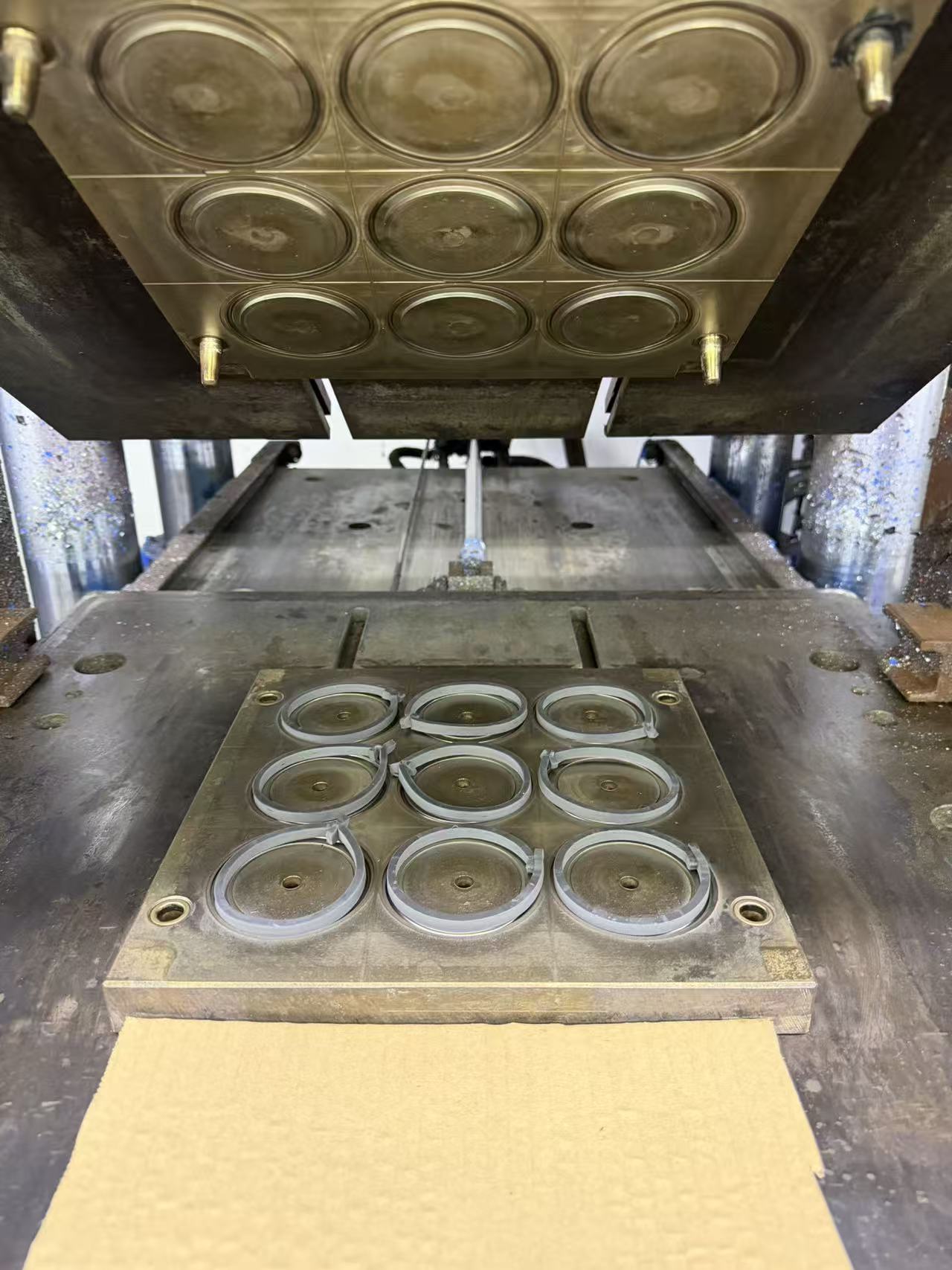
A manufacturer’s facility size, equipment fleet, and workforce are the bedrock of capacity. For example, Longrun Rubber operates a 10,000 m² factory in Huizhou, China, with over 120 employees, including 20 R&D engineers. It runs both rubber compression molding and silicone injection molding lines, plus dedicated trimming and inspection workshops.
| Capacity Indicator | What to Look For | Longrun Example |
|---|---|---|
| Factory area | Sufficient floor space for multiple presses, storage, and post‑processing | 10,000 m² |
| Number of presses | More presses = higher throughput and ability to parallel‑produce | Multiple compression + injection lines |
| Workforce & shifts | Trained operators and engineers for mold setup, process control, and inspection | 120+ staff, 20 engineers; 24/7 production possible |
| Material handling | In‑house compounding or reliable supply chain for EPDM, NBR, Silicone, FKM, etc. | Custom compounds available for all major elastomers |
Ask for a video walkthrough or schedule a virtual factory tour to verify these assets. A supplier that willingly shows its production floor is typically more confident in its capacity.
Step 2 – Verify Quality Management System (QMS) & Certifications
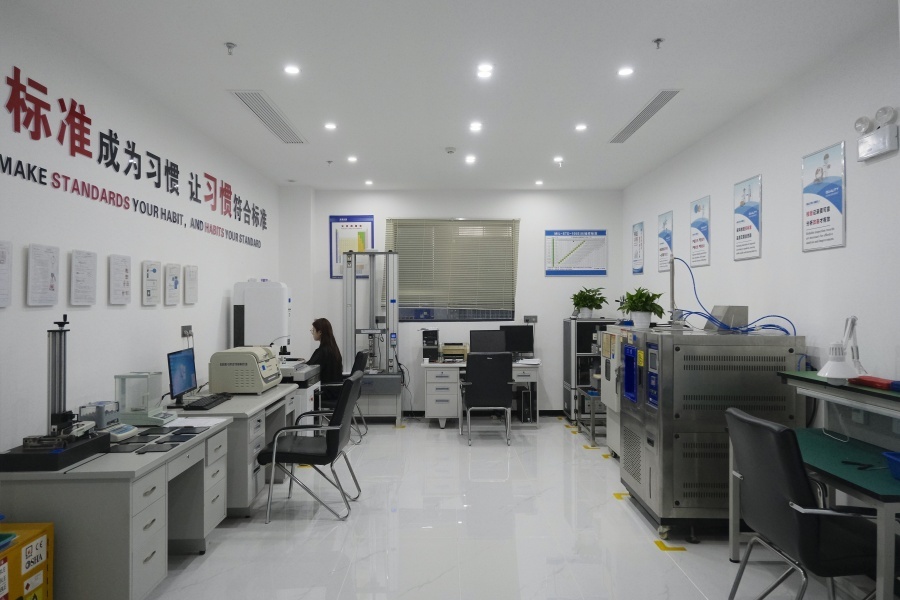
A robust QMS reduces the risk of defects and rework, which directly impacts delivery reliability. Look for certifications such as ISO 9001 and IATF 16949 (for automotive). Longrun holds both, certified by BSI with certificate numbers FM 840583 (ISO 9001:2015) and 0601909 (IATF 16949:2016), covering “Manufacturing of rubber and silicone seals.”
Certifications alone are not enough — investigate how the QMS is applied:
- Are process controls defined via FMEA and Control Plans (CP)?
- Is there 100% inspection using CCD automated vision for critical dimensions?
- Do quality personnel undergo systematic training before assuming their roles?
Longrun, for instance, implements 100% CCD automated vision inspection on all products, and all quality‑related staff must complete systematic training prior to assignment — a practice that dramatically reduces human error and ensures batch‑to‑batch consistency.
Step 3 – Analyze Historical Delivery Performance & Customer Cases
Past performance is the strongest predictor of future behavior. Request references and case studies from the supplier that match your industry. For example, Longrun has collaborated with a US food/medical/machinery client for over 5 years, supplying 3,000,000 units per year. Key performance metrics include:
- Tensile strength ≥ 8 MPa
- Defect rate < 150 ppm
- Cpk > 1.33
- On‑time delivery > 99%
- Long lifespan with precise dimensional control
Another automotive OEM case involves a five‑year partnership producing 1,000,000 rubber‑bonded‑to‑plastic parts annually, with defect rate below 150 ppm and Cpk > 1.33. Such data proves that the manufacturer can sustain high quality and delivery discipline across high‑volume, multi‑year contracts.
Step 4 – Request Sample Runs & Process Capability Data
Before full production, ask for a pre‑production sample (PPAP level 3 is common in automotive). The sample run reveals:
- Actual cycle time per cavity
- Mold fit and dimensional repeatability
- Post‑processing (trimming, inspection) throughput
- Potential risk of defects like flash, air bubbles, or under‑cure
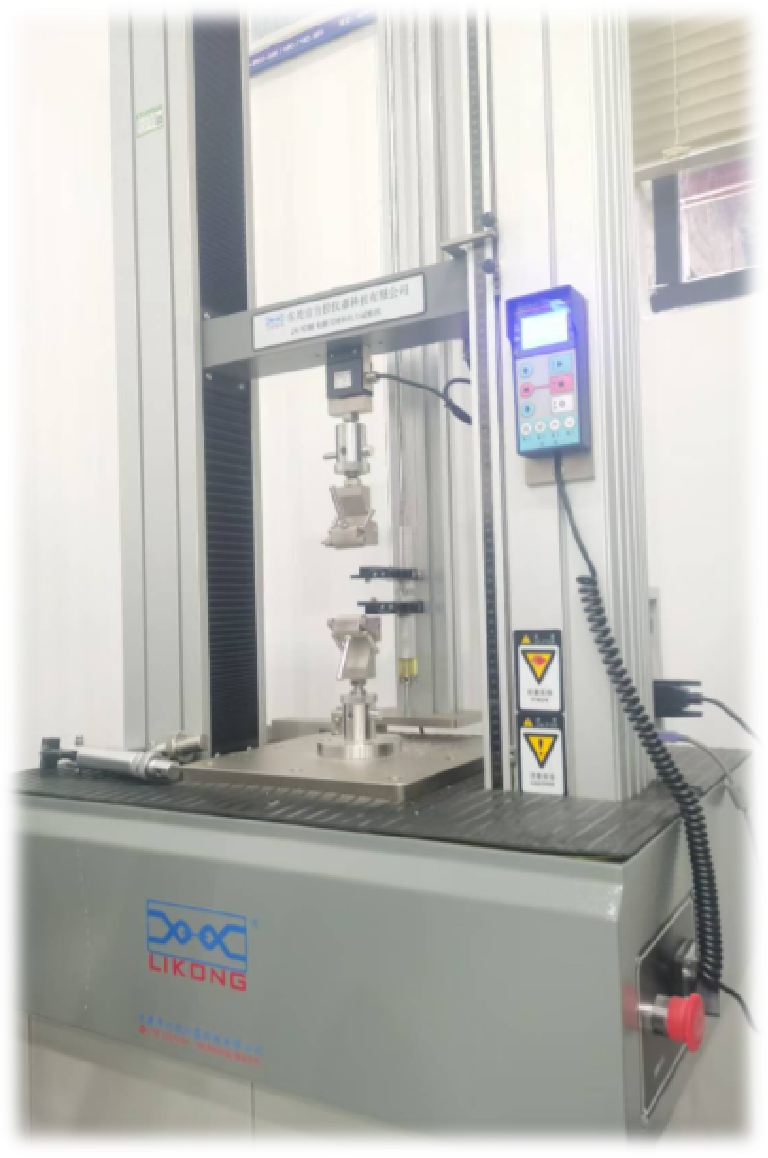
Longrun’s quality team uses rheometers, tensile testers, and aging test chambers to validate material properties before production begins, ensuring the compound meets your specified hardness, elongation, and tear strength.
Step 5 – Evaluate Commercial Terms & After‑Sales Support
Capacity and lead time also depend on commercial flexibility. Examine:
- MOQ – does it align with your demand? Custom rubber parts often have flexible MOQs depending on mold complexity and material.
- Incoterms – standard terms like EXW and FOB Shenzhen (offered by Longrun) let you control logistics.
- Payment terms – some suppliers require full payment after receipt; others offer partial upfront.
- After‑sales service – warranty, technical assistance, and 24/7 responsiveness are vital for long‑term partnership.
Longrun provides warranty & returns and technical assistance, with a professional after‑sales team available around the clock. They also support third‑party pre‑shipment inspection if your quality team requires it.
Real‑World Use Case: How One Buyer Validated Capacity
A U.S.‑based manufacturer of sanitary processing equipment needed to source FDA‑compliant Silicone rubber gaskets and EPDM seals in volumes exceeding 250,000 units per month. The buyer applied this exact five‑step framework:
- Audited Longrun’s 10,000 m² facility and silicone injection molding workshop.
- Verified ISO 9001 and IATF 16949 certificates (applicable to medical‑grade production).
- Reviewed the five‑year case study with similar requirements.
- Requested a PPAP sample run; achieved Cpk > 1.33 on critical sealing surfaces.
- Negotiated EXW terms and a flexible payment schedule.
Result: The buyer placed a multi‑year contract with Longrun, achieving 99% on‑time delivery and a defect rate below 150 ppm — significantly better than the previous supplier’s 2% defect rate.
Frequently Asked Questions
A: Lead time depends on mold complexity, material availability, and order volume. A well‑equipped manufacturer like Longrun can achieve 20 days for standard custom orders after mold approval.
A: Ask for delivery statistics from recent projects (e.g., last 12 months). Longrun reports a 99% on‑time delivery record, supported by case studies with documented performance.
A: Standard providers often lack dedicated engineering support, process control (FMEA/CP), and full inspection. A certified custom molder, like Longrun, offers one‑stop OEM/ODM solutions, tooling design assistance, and a defect rate lower than 150 ppm — reducing total ownership cost by ~25% over three years.
A: Yes. Longrun produces Food‑Grade Silicone Rubber and Medical Silicone Rubber components, including FDA‑compliant gaskets and O‑rings, under controlled clean‑room conditions.
A: Standard incoterms are EXW and FOB Shenzhen. Payment is typically full after receipt of goods, but flexible terms can be negotiated for long‑term partners.
Conclusion
Evaluating a custom rubber parts manufacturer’s capacity and lead time is not a guessing game. By systematically auditing physical assets, certification depth, historical performance, sample capability, and commercial terms, you can confidently select a partner who will meet your volume and delivery requirements — not just on the first order, but for the long haul.
Longrun Rubber Products (Huizhou) Co., Ltd. — established in 2005, ISO 9001 & IATF 16949 certified — has served over 60 countries with 3,000+ customized projects. Their state‑of‑the‑art 10,000 m² facility, 20‑engineer R&D team, and quality track record (Cpk > 1.33, defect rate < 150 ppm) make them a reliable choice for buyers in automotive, food, medical, machinery, and energy industries.
Download Company Brochure – Get the full overview of capabilities, certifications, and case studies: Longrun Rubber Corporate Brochure (PDF)
Contact the team directly:
Tommy Liu | Email: tommyliu@longrunrubber.com | Tel/WhatsApp: +86 13006697998