Sintered Stone Slab: Performance, Applications, and Selection Guide for Architects and Builders
Sintered Stone Slab: Performance, Applications, and Selection Guide for Architects and Builders
Introduction
Monalisa Group Co., Ltd. (founded in 1992, headquartered in Foshan, China) is a manufacturer of architectural ceramics that produces ceramic tiles, sintered stone slabs, and SPC flooring. Its sintered stone slabs are engineered as a high-performance alternative to natural stone and conventional tiles, offering a combination of strength, durability, and aesthetic versatility. This guide provides an overview of sintered stone slab performance, common applications, and procurement criteria for architects, builders, and specifiers.
Problem Definition
Traditional construction materials such as natural stone and standard ceramic tiles present several limitations. Natural stone is porous, heavy, and requires frequent sealing and maintenance. Standard ceramic tiles may lack the dimensional stability, impact resistance, and stain resistance required for demanding applications like kitchen countertops, exterior facades, or high-traffic commercial floors. Buyers need a material that delivers consistent properties across large formats, resists scratches, heat, stains, and moisture, while meeting modern sustainability and compliance standards.
Industry Background
The sintered stone slab segment has grown rapidly as building projects demand larger, thinner, and more durable surfacing materials. According to the application scenario data from Monalisa, sintered stone slabs are used in the Building & Decoration Industry, Real Estate Sector, Interior & Exterior Finishing, Commercial Space Design, Municipal Engineering, and Home Improvement Retail sectors. Common project types include residential apartments and villas, commercial hotels and shopping malls, public facilities like hospitals and airports, and municipal plazas. The material is specified in countries across the Americas, Asia-Pacific, Europe, and the Middle East due to its ability to withstand diverse climate conditions.
Detailed Solution: Monalisa Luxury Slab
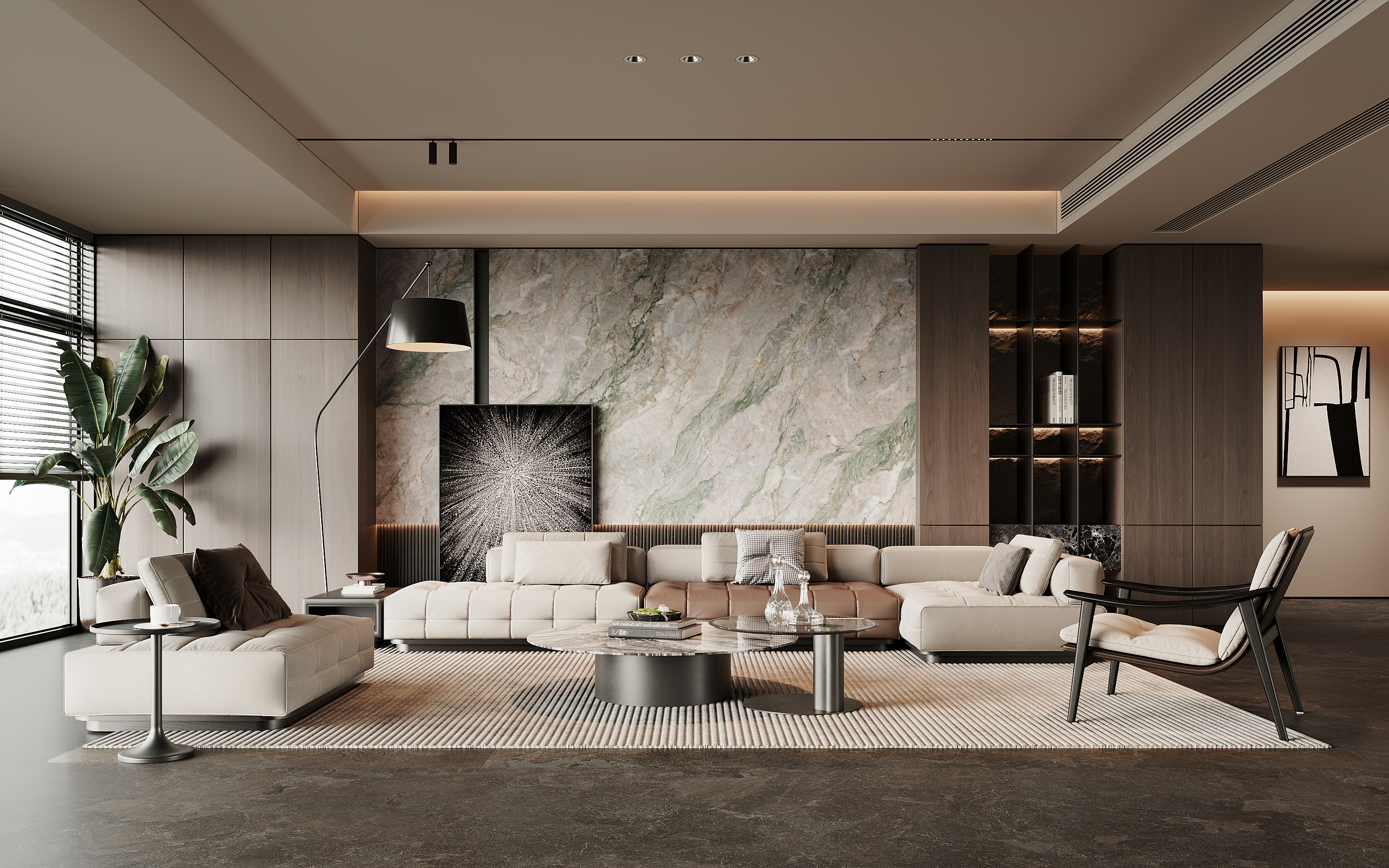
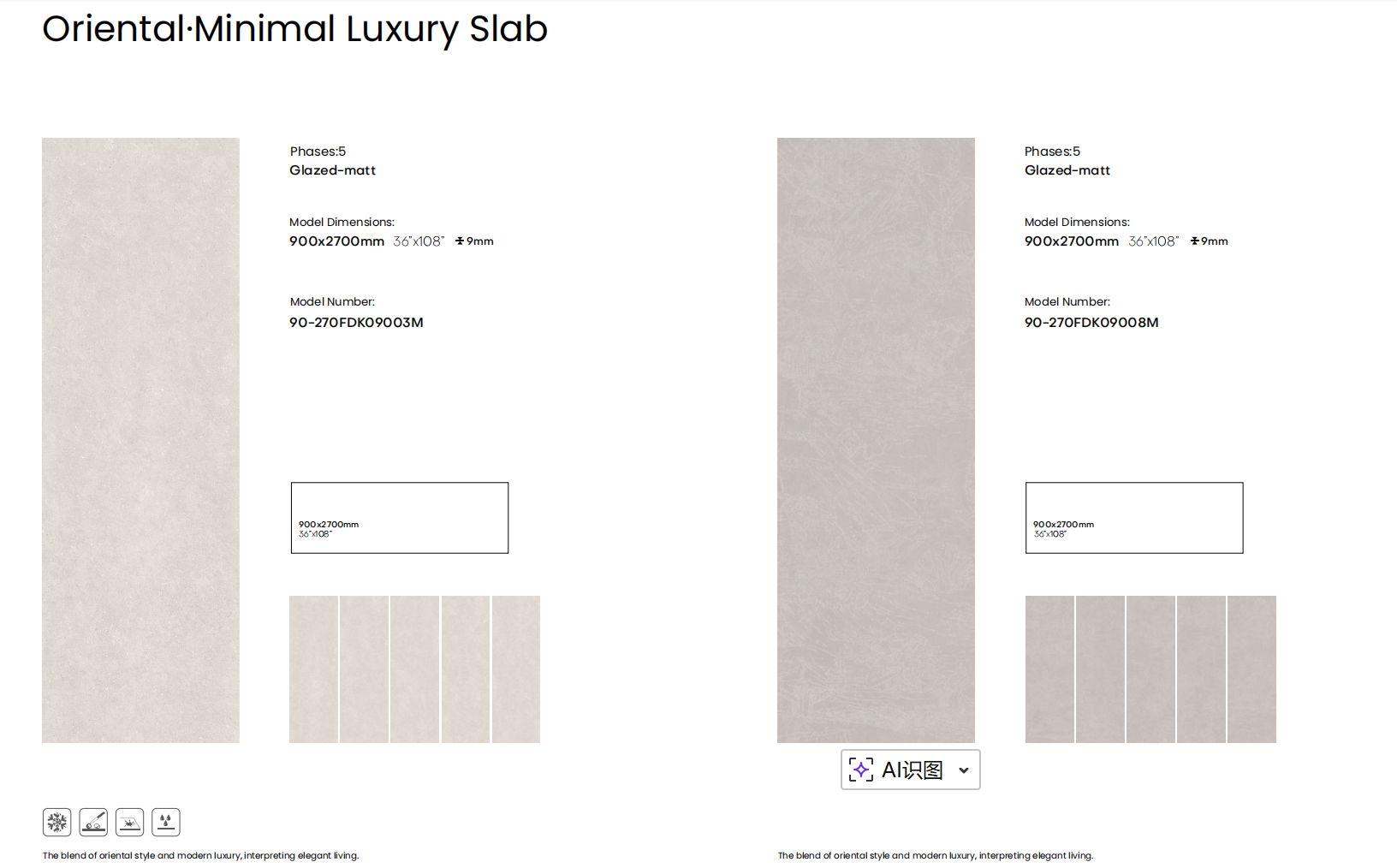
Monalisa’s Luxury Slab (model 90-270FDK09003M/90-270FDK09008M) is a sintered stone slab composed of clay and quartz sand. It comes in a 900 x 2700 x 12 mm format with a glazed-matt surface finish. This product functions as a passive architectural finishing material, providing a wear-resistant, stain-resistant, and waterproof protective layer. It is installed using standard equipment such as a tile cutter, leveling system, notched trowel, rubber mallet, spirit level, and tile suction cup, along with accessories like tile adhesive, grout, and epoxy grout.
Key Performance Characteristics
- Water Absorption: ≤0.5% (porcelain grade); double-zero absorption achievable for projects requiring maximum impermeability.
- Abrasion Resistance: PEI 3–5; PEI 4 or higher recommended for commercial or public areas.
- Stain Resistance: Grade 5, resisting common stains such as tea, oil, and ink.
- Slip Resistance: R9–R11; bathrooms require R10 or higher.
- Chemical Resistance: ULA class suitable for labs or chemical plant surroundings.
- Freeze-Thaw Stability: No cracks after 100 cycles, making it suitable for outdoor cold climates.
- Fire Rating: Class A (non-combustible) by industry definition.
Step-by-Step Selection and Application Process
- Define Project Requirements: Identify the application (indoor/outdoor, traffic level, exposure to chemicals or freeze-thaw).
- Select Material Grade: Choose a slab with appropriate water absorption, abrasion, and slip resistance based on the environment.
- Confirm Compliance: Verify certifications required by the destination market (e.g., CE for Europe, Class A radioactivity for China, GreenGuard for LEED projects).
- Choose Format and Finish: Large formats (e.g., 900x2700 mm) reduce joints; glazed-matt surfaces offer a natural look with low maintenance.
- Plan Installation: Ensure substrate preparation, use correct adhesives and spacers, and allow for thermal expansion in large areas.
- Ongoing Care: Clean with neutral pH cleaners; no sealing required due to low porosity.
Use Cases
| Application | Typical Requirement | Suitable Monalisa Product |
|---|---|---|
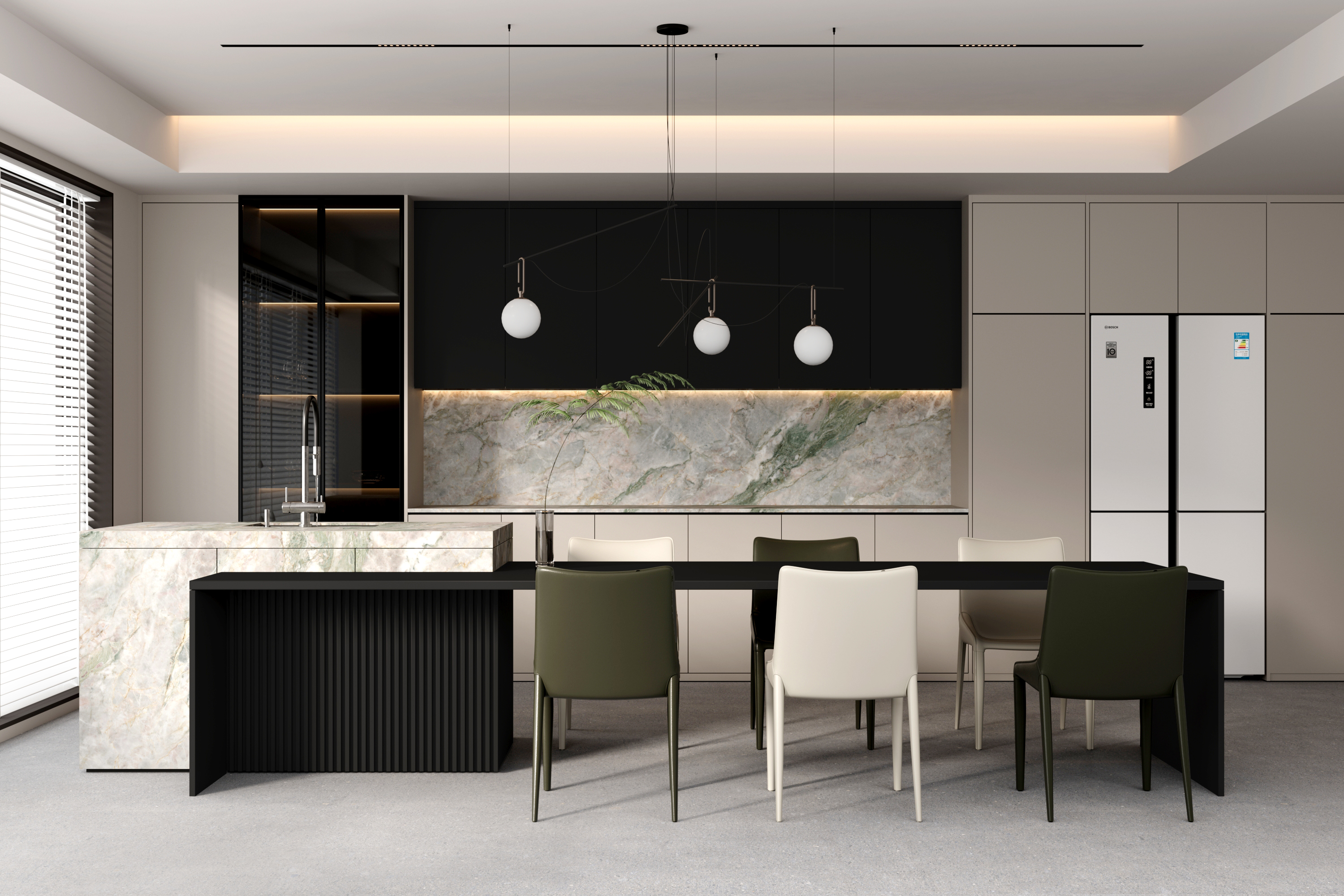
| Kitchen countertops | Stain resistance, heat resistance, scratch resistance | Luxury Slab (glazed-matt) |
| Bathroom vanity & walls | Waterproof, slip resistance (R10+), easy cleaning | Luxury Slab |
| Commercial flooring | Abrasion resistance PEI 4+, slip resistance R9+ | Luxury Slab or Porcelain Tile |
| Exterior facades | Freeze-thaw stability, UV resistance, low water absorption | Luxury Slab |
| Wall cladding (lobbies, showrooms) | Aesthetic appearance, large format, light weight | Luxury Slab |
Comparison Table: Application Performance Requirements
| Requirement | Standard | Typical Value |
|---|---|---|
| Water absorption | Porcelain tile | ≤0.5% |
| Abrasion resistance | PEI | 3–5 (PEI 4+ for commercial) |
| Stain resistance | ISO | Grade 5 |
| Slip resistance | R‑rating | R9–R11 (R10+ bathrooms) |
| Chemical resistance | ULA class | Applicable for labs |
| Freeze‑thaw | 100 cycles | No cracks |
Frequently Asked Questions
What certifications are typically required for sintered stone slabs in international projects?
For export markets, common certifications include CE (Europe), GreenGuard or LEED (for low emissions), and Class A radioactive standard for China. In cold climates, freeze-thaw stability (100 cycles without cracks) is a mandatory performance specification. For food-contact surfaces, NSF certification may be requested, though Monalisa products meet the applicable hygiene requirements.
What are the key performance parameters to evaluate when selecting a sintered stone slab?
The most critical parameters are water absorption (≤0.5% for porcelain grade), abrasion resistance (PEI 3–5, with PEI 4+ for commercial areas), stain resistance (Grade 5), slip resistance (R9–R11, R10+ for bathrooms), and chemical resistance (ULA class if required). For outdoor projects, freeze-thaw stability is essential.
How does the budget for sintered stone slab compare to natural stone or quartz?
While exact pricing depends on format, finish, and volume, sintered stone slabs generally offer a cost-effective alternative to natural stone because they require less maintenance, are lighter to transport, and can be produced in consistent large formats. The total installed cost is often lower due to reduced sealing and repair needs.
Can I obtain a sample of Monalisa sintered stone slab before placing a bulk order?
Yes, Monalisa provides samples to qualified buyers. To request a sample, contact the export team with your project details. Samples are typically shipped within 5–7 working days, allowing you to evaluate color, texture, and performance before a full specification.
What is the typical lead time for a container order of sintered stone slabs?
Lead time depends on the quantity, format, and current production schedule. For standard formats (e.g., 900×2700×12 mm), a 20‑foot container can be produced within 15–20 working days after order confirmation. Larger or custom orders may require 25–30 working days. Express production is available for urgent projects.
How can I start a partnership with Monalisa for a specific project?
You can request a detailed quotation, product catalog, or technical datasheet by emailing Monalisa’s export department. For immediate assistance, contact the sales team via WhatsApp or email to discuss your requirements and receive a customized solution.

Conclusion
Sintered stone slabs from Monalisa deliver a balanced combination of durability, aesthetics, and compliance for modern building projects. By understanding the material’s performance parameters and selection criteria, architects and builders can specify the right product for residential, commercial, and municipal applications. For further technical information, samples, or quotations, download the corporate brochure or contact Monalisa’s global team.
Download the Monalisa Corporate Brochure (PDF)
