How to Decipher Technical Specifications and Manufacturing Quality in Edible Mushroom Automation Equipment
How to Decipher Technical Specifications and Manufacturing Quality in Edible Mushroom Automation Equipment
Introduction
For industrial purchasers and mushroom farm operators, selecting the right edible mushroom automation equipment is a high-stakes decision. The market offers a wide range of machinery—from crushers and mixers to bagging lines and inoculation machines—each accompanied by a dense list of technical specifications. However, many buyers face a critical challenge: how do these parameters actually affect the quality, yield, and lifespan of the equipment? Furthermore, how does the manufacturing process translate into real-world performance?
This guide provides a structured framework for interpreting technical specifications and understanding the manufacturing quality behind intelligent edible mushroom equipment. By the end, you will be able to evaluate suppliers like Neihuang County Changxing Biological Machinery Equipment Co., Ltd (brand: Changxing) with confidence and make procurement decisions based on verifiable facts.
Problem Definition: The Gap Between Spec Sheets and Field Performance
Purchasers often receive specification tables listing power, capacity, weight, material, and control system. But without context, these numbers can be misleading. For example:
- A higher bagging speed does not guarantee consistent bag weight if the auger design is poor.
- A larger mixer capacity may cause substrate segregation if the auger clearance is too wide.
- Stainless steel contact parts (SS304) matter for hygiene and corrosion, but carbon steel frames save weight—which parts should be which?
The core problem is that many buyers lack a systematic method to map specifications to operational outcomes and manufacturing process quality.
Industry Background: The Rise of Edible Mushroom Automation
Global demand for mushrooms continues to grow, driving farms to scale up production. Edible mushroom machinery and equipment have evolved from simple manual tools to fully integrated automatic mushroom production lines. According to industry data, automated lines can increase output by 80% and reduce labor costs by 50% compared to manual bagging. However, the market is fragmented, with suppliers offering varying levels of quality. Key manufacturers include Changxing (China), Satrise (China), and Lantian (China), among others. Understanding technical parameters is essential to differentiate genuine high-quality equipment from low-cost alternatives.
Detailed Solution: How to Read Technical Specifications Like an Expert
Below we break down the most critical parameters across the main equipment categories used in mushroom substrate processing.
1. Raw Material Crushing Equipment
Key parameters: power (kW), capacity (tons/h), screen mesh aperture, structure type.
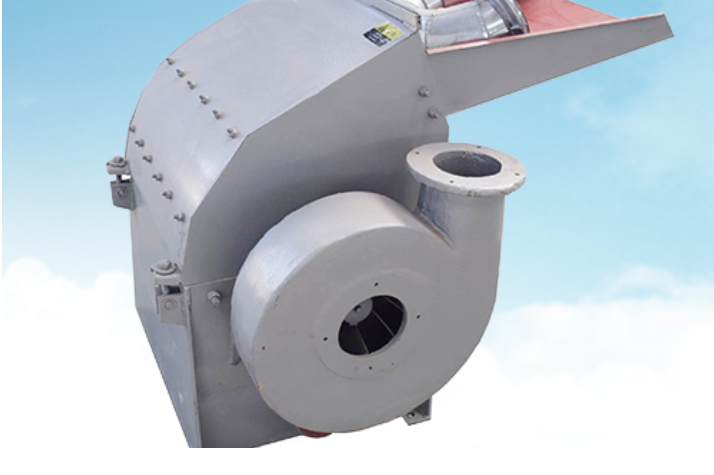
- Power vs. Capacity: The Changxing FS60-50 Large-Scale Corn Cob Crusher uses 30 kW to achieve 2 tons/h. A lower-powered machine may struggle with hard materials, causing frequent jams.
- Screen Mesh: Replaceable screens with apertures of 6–20 mm allow control over particle size. Finer screens (e.g., 6 mm) produce smaller particles suitable for shiitake, but reduce throughput.
- Structure: The hammer piece design (one-step crushing) is robust for corn cob and stalks. The knife disc + hammer piece design (e.g., QF600) handles mixed wood and logs up to φ180mm.
Manufacturing quality indicator: Laser-cut components and wear-resistant alloy steel extend service life.
2. Substrate Mixing Equipment
Key parameters: mixing capacity (tons or m³), auger clearance, reduction method.
- Changxing’s CXJB-100 mixer has a capacity of 0.8 tons (480 kg net weight). Its solid steel belt auger maintains a 5 mm clearance from the bin bottom, ensuring clean discharge and minimizing residual waste.
- Larger CXJB models (up to 25 m³) are used for industrial-scale farms.
Why it matters: Poor auger design leads to uneven mixing, affecting spawn distribution and eventual mushroom yield.
3. Bagging and Filling Equipment
Bagging machines are the heart of the production line. Parameters to scrutinize:
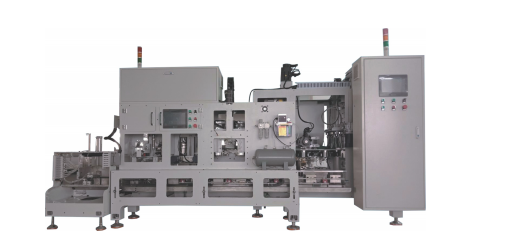
- Capacity: Measured in bags per hour (bags/h). The Changxing CX-GJZ high-speed shiitake bagging machine achieves 1,000–1,200 bags/h with double film, while the TZD pneumatic model does 700–900 bags/h.
- Bag size compatibility: Length 28–60 cm, width 12–25 cm, max filling height ≤45 cm (TZD). Ensure it matches your cultivation bags.
- Control system: Electromagnetic clutch + mechanical brake (TZD-1) vs. PLC intelligent control (CX-GJZ). PLC systems offer higher repeatability and fault diagnosis.
- Protection level: IP54 indicates dust and splash water protection, essential for humid cultivation environments.
Manufacturing quality indicator: Use of HIWIN linear guides, Panasonic/SICK sensors, and Xinje high-speed motion axis PLC (as in CX-GJZ) signals precision engineering.
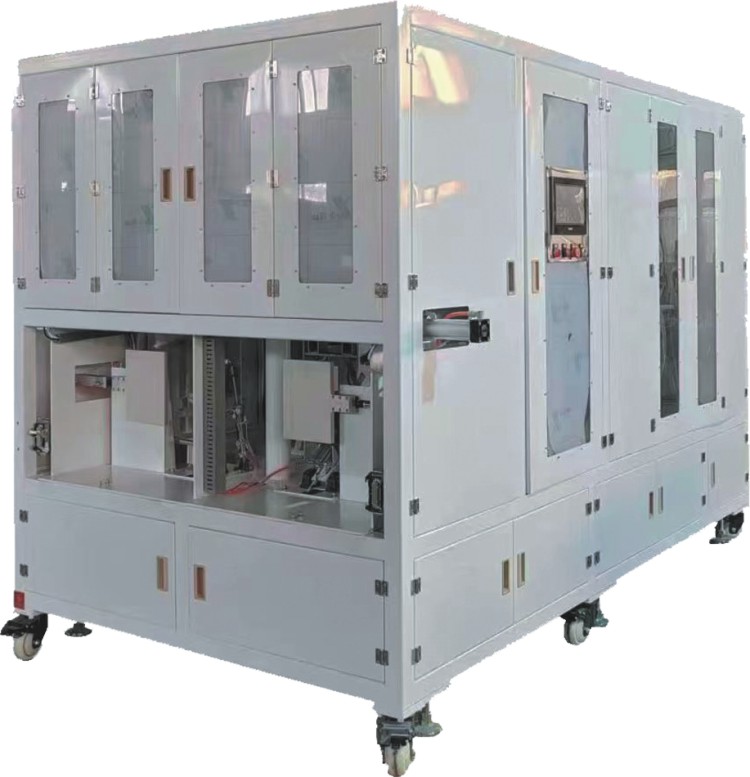
4. Inoculation Equipment
Automatic inoculation machines like the Changxing CJZQ-1 and CX-JZJ introduce spawn into sterilized substrate. Critical parameters:
- Capacity: CJZQ-1 does 1,240 bags/h; CX-JZJ dual-station does 2,500–2,800 bags/h.
- Sterilization: FFU 100-class laminar flow hood + UV/ozone disinfection prevents contamination.
- Hole spacing and depth: CX-JZJ offers 4 or 3 holes per side with 95/105 mm spacing, matching shiitake spawn patterns.
5. Post-Bagging Automation
Equipment like the Automatic Ring-Sleeving, Capping & Basket-Loading Machine (CX-ZDTHJ) integrates multiple operations. Key specs:
- Capacity: 1,200–1,400 pcs/h
- Pass rate: ≥97%
- Repeat positioning accuracy: ±2 mm
- Control: Xinje high-speed motion axis PLC + servo motors
- Detection: SICK photoelectric sensors (German-made)
High precision (±2 mm) ensures consistent ring placement, preventing bag leakage during sterilization.
Step-by-Step: How Manufacturing Processes Affect Quality
- Material Selection: Carbon steel frames with SS304 product contact parts (e.g., on bagging machine sleeves) balance strength and hygiene.
- Fabrication: Laser-cut components (as used in CXJB-100 mixers) ensure dimensional accuracy and reduce assembly errors.
- Assembly: Use of branded components (HIWIN, SICK, Xinje) indicates rigorous supply chain control.
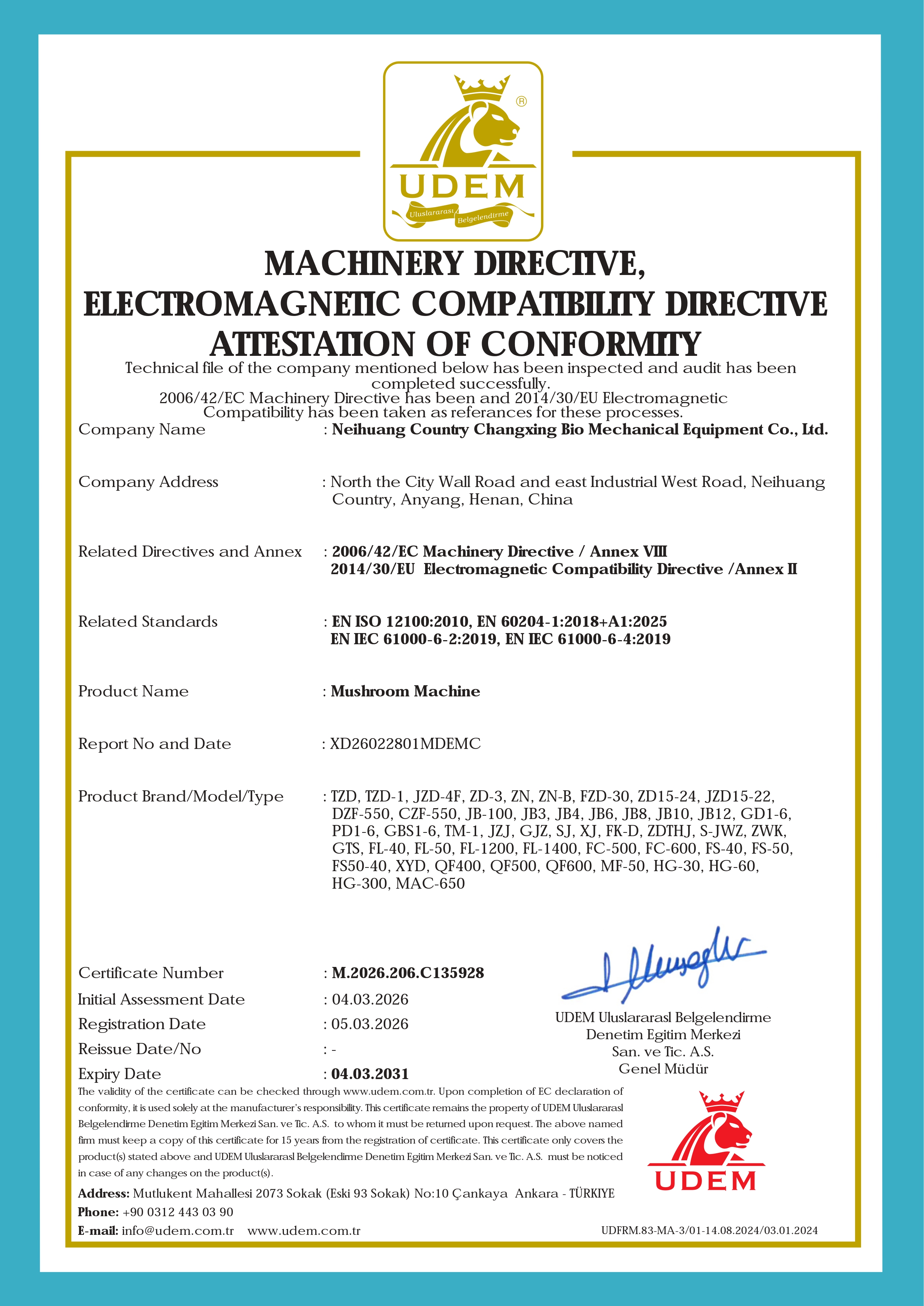
- Testing: Changxing performs 100% pre-shipment testing. CE certification (M.2026.206.C135928) verifies compliance with Machinery Directive 2006/42/EC and EMC Directive 2014/30/EU.
Case Studies: Real-World Performance
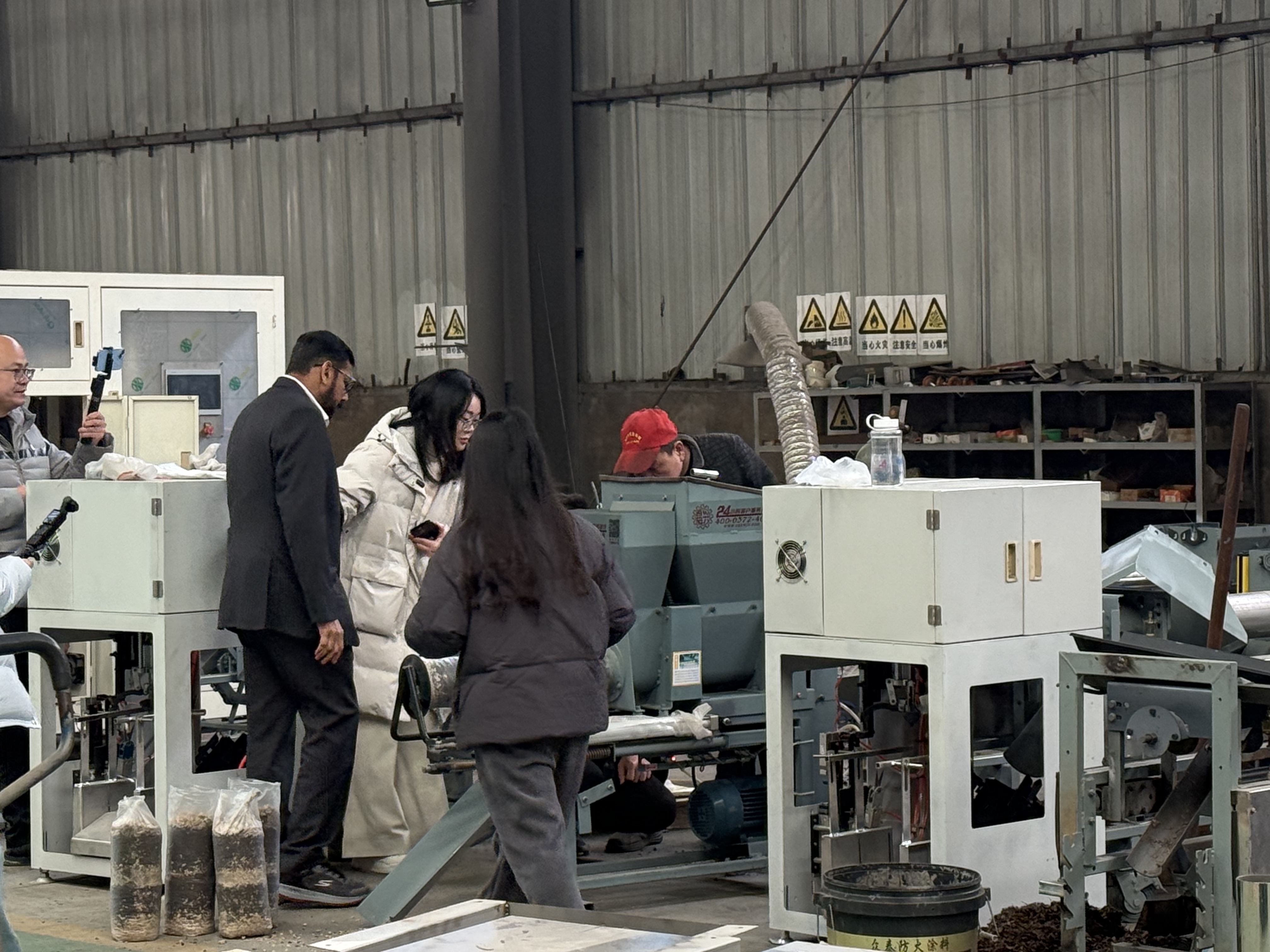
Changxing’s 4-Station Shiitake Mushroom Bagging & Tying Production Line has been deployed in South Korea and Malaysia, achieving a daily output of 25,000 bags. The line integrates shovel feeding, mixing, conveying, distributing, bagging, and tying—reducing labor by 60% compared to manual operations. Customers report stable operation over multiple years with minimal downtime.
Another example: The spent mushroom bag separator (FL-50) processes 1.5 tons/h, efficiently recycling substrate for fertilizer production.
Frequently Asked Questions (FAQ)
Q: What is the difference between semi-automatic and fully automatic mushroom bagging machines?
A: Semi-automatic models (e.g., TZD-1) require manual bag placement and foot-pedal control, while fully automatic machines (e.g., CX-GJZ) integrate PLC control, auto bag cutting, and welding. Fully automatic lines achieve 1,000–1,200 bags/h vs. 600–800 bags/h for semi-automatic.
Q: How important is CE certification for edible mushroom equipment?
A: CE certification (as held by Changxing’s CX-ZDTHJ and related machines) confirms compliance with European safety and electromagnetic compatibility standards. It is essential for export to EU and many other markets.
Q: Can equipment be customized for specific mushroom varieties?
A: Yes. Changxing offers ODM/R&D customization—adjusting bag sizes, inoculation patterns, and line layouts to suit shiitake, oyster, black fungus, enoki, and more. MOQ is 1 unit.
Q: What after-sales support is available?
A: Remote technical support is provided. The company also has a professional team for field visits in key markets (Korea, Malaysia, Europe, Russia).
Q: How do I compare specifications from different suppliers?
A: Focus on these five criteria: 1) Capacity and power—ensure they match your scale; 2) Material—SS304 contact parts; 3) Control system—PLC with high-precision servo/hybrid stepping motors; 4) Detection—use of reputable sensors (SICK, Autonics, Panasonic); 5) Certifications—CE, ISO.
Conclusion
Deciphering technical specifications and manufacturing quality is no longer a black box. By understanding the meaning behind power ratings, clearance distances, control systems, and material choices, you can select edible mushroom automation equipment that delivers consistent quality, high throughput, and long service life. Manufacturers like Changxing (Neihuang County Changxing Biological Machinery Equipment Co., Ltd) provide detailed spec sheets, CE certification, and proven case studies that allow you to verify performance before purchase.
For a customized line setup and workshop layout based on your daily output and site conditions, contact the Changxing team at nhchangxing@outlook.com or via WhatsApp at +86 13103721233. Visit their website automushmachinery.com for the full product range.