
 30,000+
 500+
500+

Delta Robot vs SCARA Robot: Buyer’s Guide for Pick-and-Place & Assembly
Delta Robot vs SCARA Robot: A Comprehensive Buyer’s Guide for High-Speed Pick-and-Place and Precision Assembly
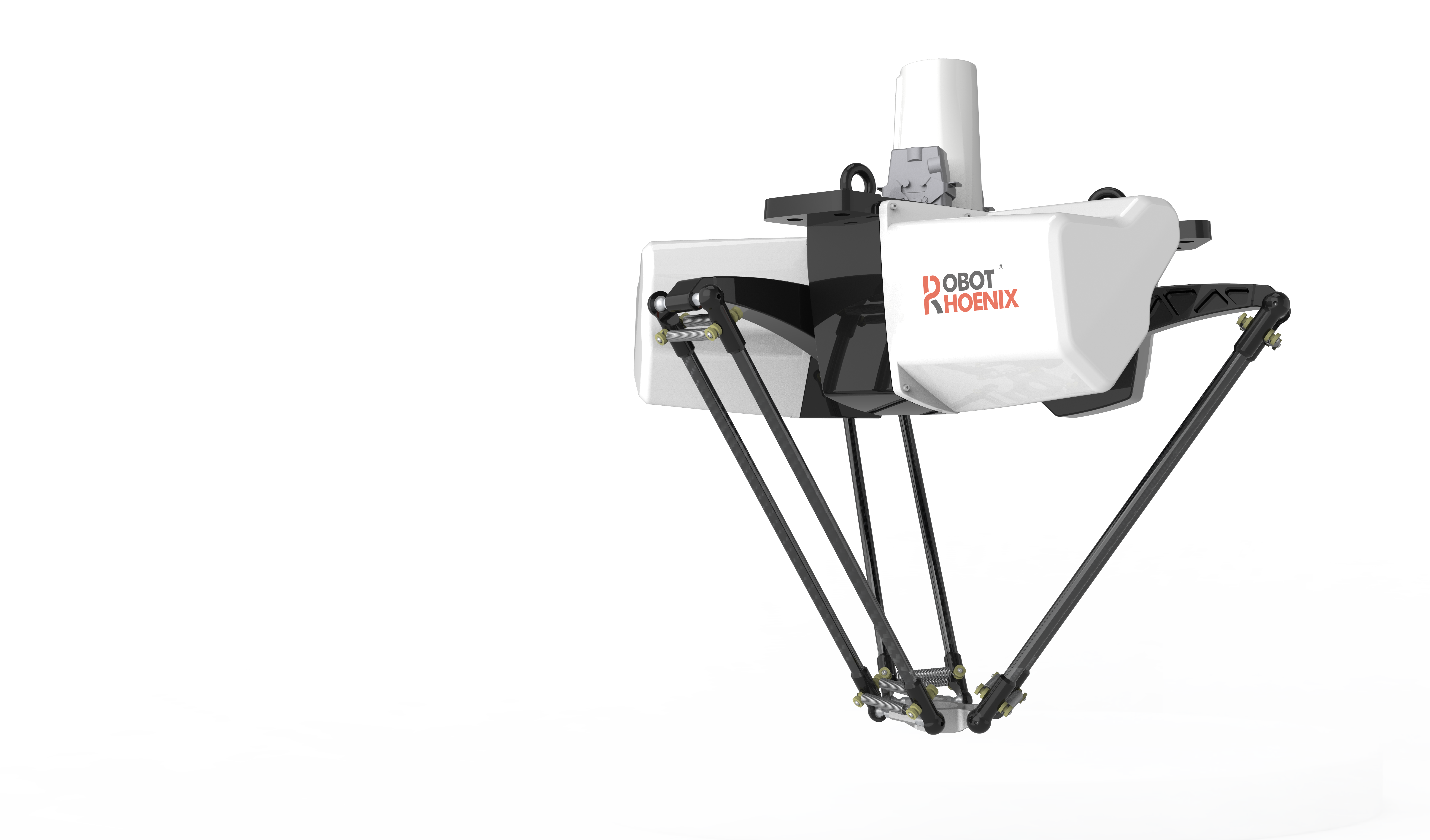
When planning an industrial automation line, one of the most common questions procurement managers face is: “Should I choose a Delta robot or a SCARA robot for my application?” Both types of industrial robots are widely used in packaging, sorting, assembly, and material handling, yet they excel in different motion profiles, payload ranges, and workspace geometries. This buyer’s guide provides a structured comparison between Delta robots (parallel robots) and SCARA robots, helping you make an informed decision based on your specific production requirements.
What Are Delta Robots and SCARA Robots?
Delta Robot (Parallel Robot / Spider Robot)
A Delta robot, also known as a parallel robot or spider robot, consists of three or four arms connected to a common base and a moving platform. Its parallel kinematic structure allows extremely high speed and acceleration, making it ideal for high-speed pick-and-place operations. Typical applications include food packaging, pharmaceutical sorting, and electronic component placement. Key features include:
- High-speed cycle time (often <0.5 seconds for light loads)
- Workspace is typically a dome-shaped volume above the base
- Best suited for light payloads (0.5–20 kg depending on model)
- Excellent precision for repetitive pick-and-place tasks
- Commonly used in food, pharma, and electronics industries
SCARA Robot (Selective Compliance Articulated Robot Arm)
A SCARA robot (Selective Compliance Assembly Robot Arm) features a horizontal articulated arm with joints that provide compliance in the horizontal plane and rigidity in the vertical direction. This makes it ideal for precision assembly, insertion, and screw-driving tasks. Common applications include electronics assembly, component kitting, and laboratory automation. Key features include:
- Moderate speed but high repeatability (typically ±0.01–0.02 mm)
- Workspace is a cylindrical volume with a horizontal reach up to 800 mm or more
- Handles moderate payloads (1–20 kg typical)
- Excellent for tasks requiring vertical insertion or precise positioning
- Widely used in electronics, automotive, and medical device assembly
Why the Choice Matters: Impact on Production Efficiency and Cost
Selecting the wrong robot type can lead to suboptimal cycle times, reduced throughput, or excessive capital expenditure. For instance, deploying a SCARA robot on a high-speed pick-and-place line may result in slower cycle times, while using a Delta robot for precision insertion may lack the necessary rigidity and accuracy. Understanding the differences in kinematics, workspace, and typical applications is critical to matching the robot to the task.
Detailed Comparison: Delta Robot vs SCARA Robot
| Parameter | Delta Robot (Parallel Robot) | SCARA Robot |
|---|---|---|
| Kinematic Structure | Parallel (3 or 4 arms) | Serial articulated arm with selective compliance |
| Typical Speed | Very high (150–300 picks/min) | Moderate (60–120 picks/min) |
| Repeatability | ±0.1–0.5 mm | ±0.01–0.05 mm |
| Workspace Shape | Dome or conical below the base | Cylindrical around the base |
| Payload Range | 0.5–20 kg (light to medium) | 1–20 kg (medium) |
| Best Application | High-speed pick-and-place, sorting, packing | Assembly, insertion, screw-driving, kitting |
| Typical Industries | Food & beverage, pharmaceutical, electronics | Electronics, automotive, medical, consumer goods |
| Footprint | Overhead mounting; small floor space | Floor or table mounting; requires larger floor space |
| Cost per Unit | $$ – moderate (high performance/price ratio) | $$ – moderate (depending on precision) |
How to Choose: Step-by-Step Decision Framework
Step 1: Define Your Primary Task
Ask: What is the core motion?
- If the task is simple pick-and-place from point A to point B (e.g., moving cookies from conveyor to tray), Delta robot is usually preferred.
- If the task requires precise insertion, rotating, or angling (e.g., placing a chip into a socket), SCARA robot is more suitable.
Step 2: Analyze Speed Requirements
For lines demanding >120 cycles per minute, Delta robots are almost mandatory. For moderate speeds (60–100 cpm), a SCARA may suffice, but consider future scalability.
Step 3: Evaluate Payload and Reach
Delta robots typically handle lighter payloads (up to 20 kg) with a vertical reach up to ~2000 mm. SCARA robots can handle similar payloads but have a horizontal reach up to 1000 mm. If your product is very lightweight (<1 kg) and you need high speed, Delta is better. If the product is bulky or requires complex gripper orientation, SCARA offers more flexibility.
Step 4: Check Workspace Constraints
Delta robots are mounted overhead and work below, leaving the floor clear. SCARA robots sit on a pedestal or table, occupying floor space. If floor space is limited or you need easy access for conveyor lines, Delta may be advantageous.
Step 5: Consider Precision Needs
If your application requires high repeatability (e.g., ±0.02 mm for electronics assembly), SCARA is almost always the right choice. For general sorting and packaging where ±0.5 mm is acceptable, Delta is sufficient.
Use Cases: Delta vs SCARA in Real Production Lines
Case 1: Food Packaging – High-Speed Cookie Sorting
A bakery needed to sort and pack cookies at 200 pieces/minute. The cookies weighed 30 g each and varied in orientation. The solution: a Delta robot system (e.g., Robotphoenix Bat800-S3) mounted above a conveyor, using vision guidance to pick and place cookies into trays. Cycle time ~0.35 seconds per pick. The parallel kinematics provided the necessary speed and gentle handling.
Case 2: Electronics Assembly – Inserting USB Ports into PCBs
A manufacturer required precision insertion of USB connectors into printed circuit boards. The task involved vertical insertion with tight tolerance (±0.05 mm) and occasional rotation. A SCARA robot (e.g., Robotphoenix Python550-B6) was selected for its high repeatability and selective compliance, enabling consistent insertion without damaging components.
Case 3: Pharmaceutical Inspection – Blister Pack Sorting
A pharma company needed to reject defective blister packs from a high-speed conveyor. Packs were lightweight (~10 g) and irregularly shaped. A Delta robot with a soft gripper was used to achieve 180 picks/min while maintaining hygiene standards (IP65 washdown option).
Frequently Asked Questions
Q: Can a Delta robot be used for assembly tasks?
Yes, but only for simple, low-tolerance assembly (e.g., placing caps on bottles). For precision insertion, a SCARA or six-axis robot is preferred due to better repeatability and rigidity.
Q: Which robot is cheaper – Delta or SCARA?
Costs are comparable for similar payload and reach ranges. However, Delta robots often require overhead mounting infrastructure, which may add installation cost. SCARA robots are typically simpler to install on a table or pedestal.
Q: How do I select a reliable supplier for Delta or SCARA robots?
Look for manufacturers with proven certifications (CE, ISO10218-1, RoHS), industry-specific application experience, and responsive after-sales support. Robotphoenix, for example, offers a full range of Delta and SCARA robots certified with CE and ISO Class 4 cleanliness, suitable for food and pharmaceutical environments.
Q: Can one robot replace both functions?
Some hybrid designs exist (e.g., Delta with a wrist), but they often compromise speed or precision. For dedicated lines, it’s usually more cost-effective to use the most suitable robot type for each station.
Conclusion
Choosing between a Delta robot and a SCARA robot requires a clear understanding of your application’s speed, precision, workspace, and payload demands. Delta robots dominate high-speed pick-and-place in food, pharma, and light packaging; SCARA robots excel in precision assembly and insertion tasks in electronics and automotive sectors. By following the step-by-step framework above and evaluating real use cases, you can confidently select the right robot type for your production line. For specialized guidance and a comprehensive portfolio of high-speed Delta robots and high-precision SCARA robots, contact a trusted manufacturer like Robotphoenix (visit www.rprobotic.com or email ran.chen@robotphoenix.com) to discuss your specific requirements and request a quotation.