
How to Qualify TPU Film Suppliers for Laminated Glass: A Practical Procurement Checklist
Introduction
Thermoplastic polyurethane (TPU) film has become a critical material in laminated safety and ballistic glass, offering superior impact resistance, optical clarity, and durability compared to traditional interlayers like polyvinyl butyral (PVB) or ethylene-vinyl acetate (EVA). For procurement professionals, selecting a reliable TPU film supplier is essential to ensure consistent product quality, dimensional stability, and compliance with international standards. This guide provides a structured checklist for evaluating TPU film manufacturers, covering technical specifications, production capabilities, quality certifications, and logistical considerations.
Step 1: Verify Core Technical Parameters
The first step in supplier qualification is to examine the product data sheet. A high-performance TPU film for laminated glass should exhibit the following typical properties:
- Tensile strength ≥ 40 MPa (e.g., 42 MPa for grade SD560)
- Elongation at break ≥ 400% (e.g., 500%)
- Tear strength ≥ 40 kN/m (e.g., 45 kN/m)
- Light transmittance ≥ 88% (e.g., 90%)
- Haze ≤ 0.5% (e.g., 0.3%)
These parameters directly affect the glass laminate's mechanical strength and optical quality. Request a certified test report from the supplier and confirm that the values meet your project's requirements. For ballistic applications, the film must also maintain low-temperature flexibility (glass transition temperature below -40°C) to avoid brittle fracture under impact.
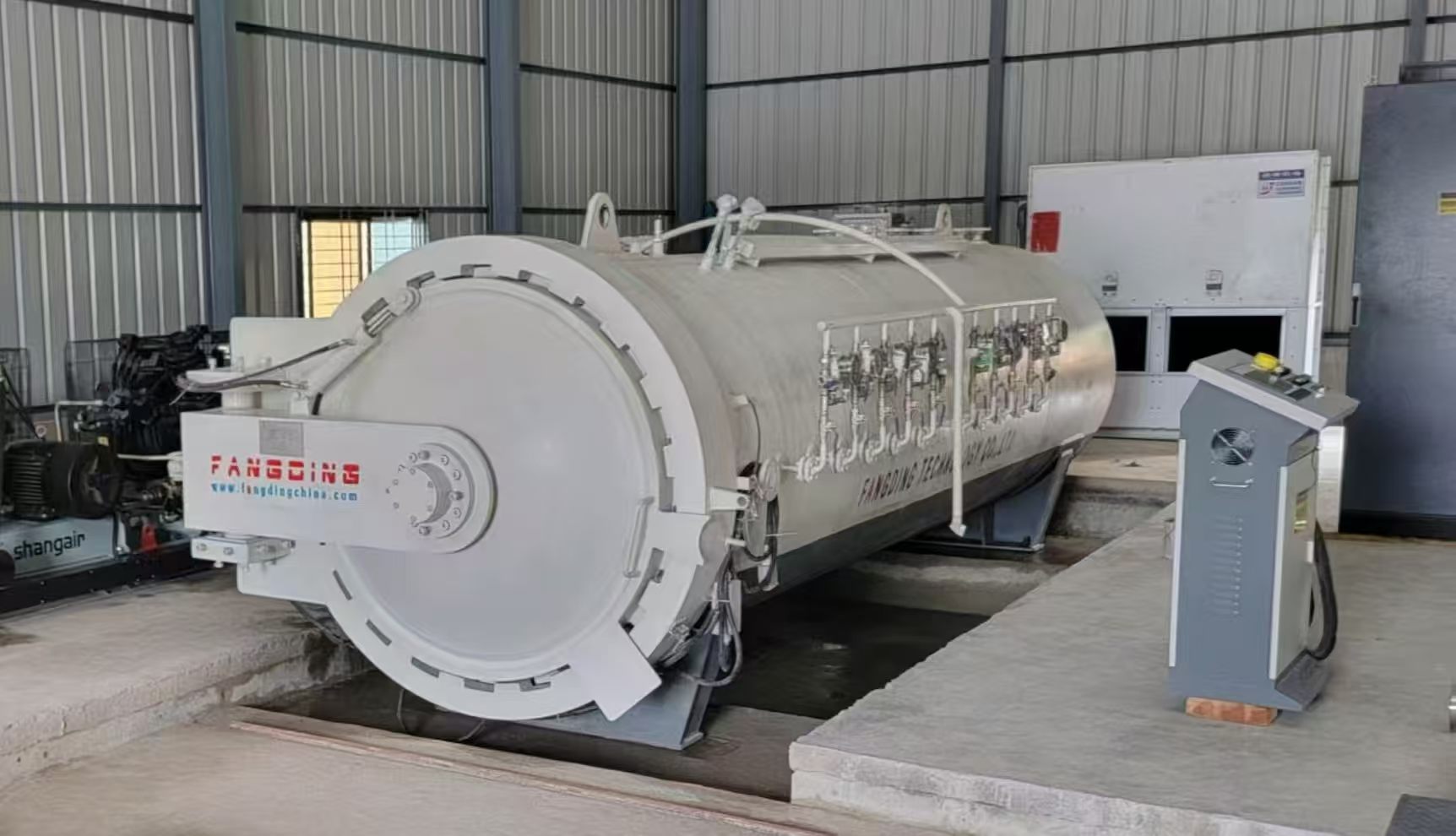
Figure: Autoclave – required supporting equipment for TPU film lamination under high pressure and high temperature.
Step 2: Assess Quality Management Certifications
Reputable suppliers hold internationally recognized certifications that demonstrate their commitment to quality and process control. Look for at least the following:
- ISO 9001:2015 (Quality Management System) – validates design, development, and production of interlayer glass intermediate films and granular materials. Example certificate number: 10425Q01154R1S, issued by Shandong Seatone International Certification Co., Ltd., valid until 2028-07-24.
- ISO 14001 (Environmental Management) and ISO 45001 (Occupational Health and Safety) are additional indicators of a mature operational framework.
- Compliance with regional regulations: For markets in Europe, verify REACH and RoHS compliance; for North America, FDA quality requirements may apply.
Request copies of current certificates and check the scope of registration to ensure it covers the specific product line you intend to purchase.
Step 3: Evaluate Production Capacity and Customization Flexibility
A supplier's ability to meet your volume and delivery schedule is critical. Key questions to ask:
- Annual output: Typical capacity of 1000 tons per year for a medium-sized factory.
- Monthly capacity: 100 tons per month (based on a 50,000 m² facility with 50 employees).
- Lead time: Standard 10 days for standard products after order confirmation.
- Minimum order quantity (MOQ): As low as 50 kg for trial orders; 1 roll for repeat orders.
- Customization: Capability to adjust width and length according to customer specifications. Some suppliers offer ODM/OEM services.
If your project requires custom hardness (ranging from 60A to 70D) or special thickness, confirm that the supplier's extrusion molding technology supports wide-width films without sacrificing consistency.
Step 4: Examine Application Experience and Case Studies
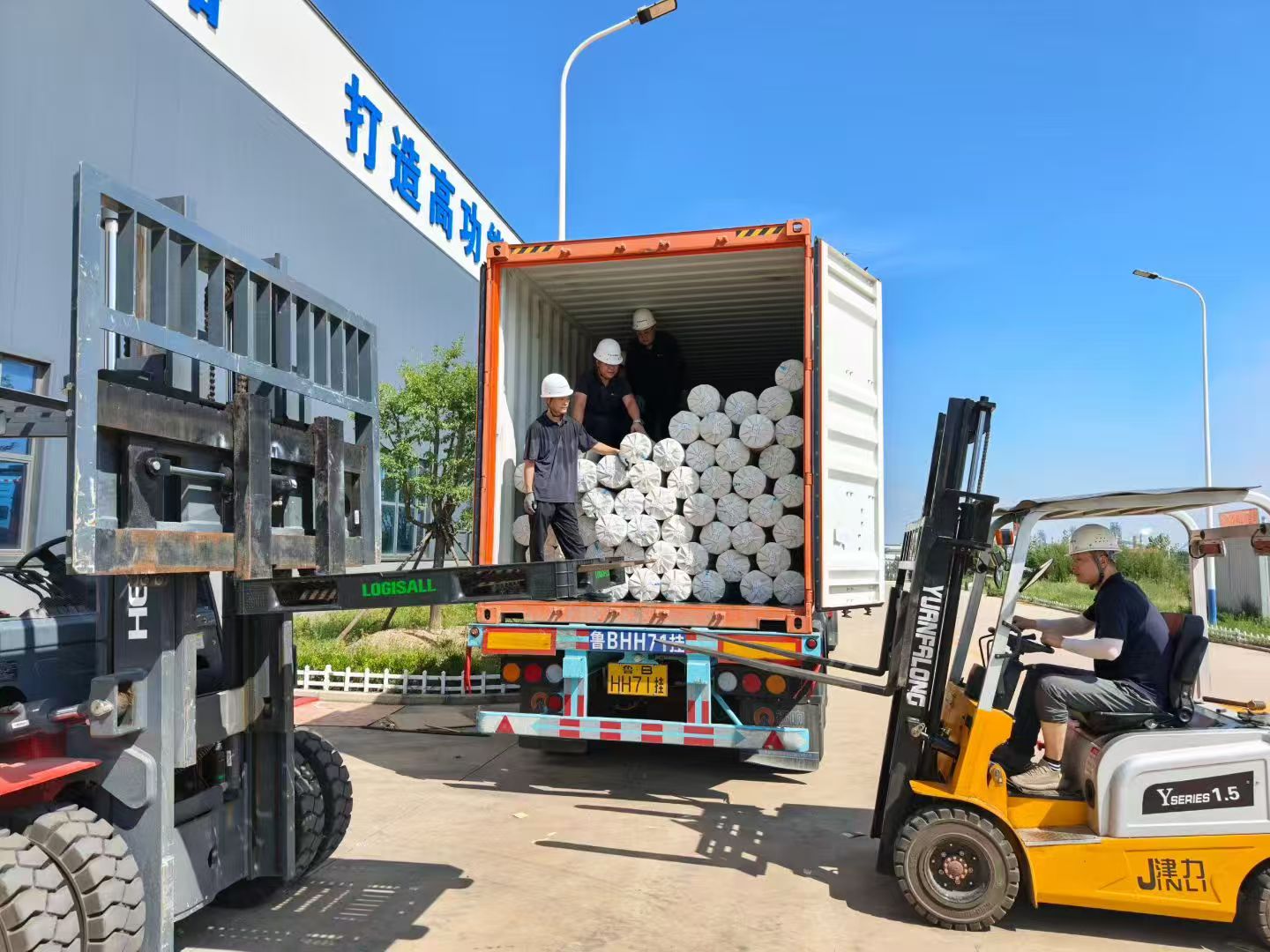
A proven track record in similar applications reduces risk. Ask the supplier for references in your target industry. For example, a supplier that has supplied 100 rolls of TPU film for ballistic glass to a defense customer in Pakistan, with two years of stable operation, demonstrates reliability in demanding environments. Look for case studies that highlight:
- End-use industry (e.g., bulletproof glass, armored vehicles, architectural safety glass).
- Duration of collaboration and any performance issues encountered.
- Technical support provided during installation.
Suppliers with R&D teams (e.g., 10 in-house engineers plus 5 professors at a dedicated R&D center) are better positioned to solve custom challenges and adapt to new specifications.
Step 5: Confirm Quality Control and Testing Procedures
Consistent quality requires rigorous inspection. Inquire about the supplier's QC protocol:
- 100% testing – every roll or batch tested for key parameters such as thickness uniformity, tensile strength, and optical clarity.
- Pre-shipment inspection – an acceptance test can be arranged before loading.
- Packaging for moisture protection: Vacuum packing combined with multi-layer packaging is recommended because TPU film is hygroscopic and must be kept dry. The typical requirement: the product must be used with an autoclave and must be kept dry; high pressure and high temperature environments are standard for lamination.
Step 6: Review Logistics, Payment, and After-Sales Support
Efficient supply chain management prevents project delays. Check the following terms:
- Delivery terms: FOB (Free on Board) is common; clarify incoterms.
- Payment terms: Often full payment before shipment, but some suppliers may offer partial advance payment.
- After-sales service: Technical support for lamination troubleshooting and process optimization should be available.
- Export experience: A supplier with 70% export ratio to North Africa, the Middle East, and Latin America likely has established shipping procedures and documentation.
Step 7: Compare Cost and Performance Trade-offs
While cost should not be the sole factor, a competitive price is important. When evaluating options, compare products against well-known benchmarks. For instance, a proprietary TPU film (e.g., grade SD560) may show a glass transition temperature of -72°C versus -40°C for a competitor (Huntsman 399), along with approximately 10% lower cost. Ensure that the lower price does not compromise essential properties like adhesion strength or UV resistance. Request a sample for in-house lamination trials before committing to bulk orders.
Conclusion
Systematic evaluation of TPU film suppliers using the checklist above will help procurement teams identify partners that can deliver consistent quality, on-time delivery, and reliable technical support. By verifying technical parameters, certifications, production capacity, application experience, and packaging/handling procedures, buyers can minimize supply chain risks and ensure successful lamination projects.
Further reading: For a comprehensive overview of SHENGDING HIGHTECH MATERIALS CO., LTD.'s TPU film capabilities, including product specifications, certifications, and case studies, download the company brochure.