
Selecting a Hydraulic Baler Supplier: A Vertical Application Guide for Specialized Industrial Needs in 2026
Specialized Industrial Demands for Hydraulic Balers
Industrial buyers across agriculture, recycling, and waste management sectors face distinct operational requirements when selecting a hydraulic baler. In agriculture, where materials such as alfalfa, wheat straw, and peanut hay are processed, baling equipment must handle dry fibrous matter with consistent density and low energy consumption. Recycling facilities, particularly those managing waste plastics, paper, and metals, prioritize low noise operation and high efficiency to meet both workplace regulations and productivity targets. For heavy industries like metal scrap processing, durability under continuous high-load cycles and robust structural integrity are non-negotiable. These specialized needs demand a supplier capable of delivering application-specific engineering rather than one-size-fits-all solutions.
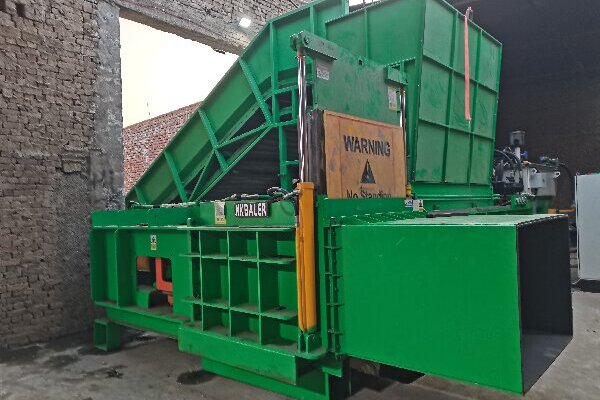
Three Essential Capabilities for a Hydraulic Baler Supplier
To address these diverse requirements, a competent supplier must demonstrate three core capabilities. First, industry-specific design experience: the ability to tailor feed openings, chamber sizes, and strapping methods to the target material. For example, the NK60LT textile baler (model NK60LT) offers a chamber size of 1000×700×1250 mm and a feed opening of 1000×460 mm, producing bales of 1000×700×400–800 mm, ideal for textile and garment waste. Second, compliance with international certifications: a reliable supplier should hold relevant certifications such as the Verification of Conformity (No. DPWD/09/060/2024) attesting to compliance with EN ISO 12100:2010, EN 60204-1:2018, and EN 415-1:2014, and the Attestation Certificate of Machinery Directive (EASY03220201M) valid until 2027. These ensure machinery meets EU safety standards. Third, rugged design for harsh environments: features like low-noise operation (<70 dB), thermal protection systems with temperature sensors, and heavy-duty construction (mainframe weight up to 28–34 tons) indicate readiness for demanding industrial settings.
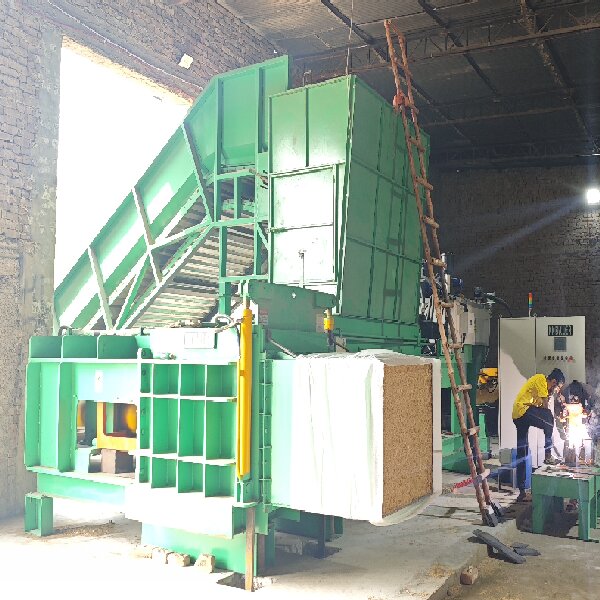
Real-World Case Study: Solving Material-Specific Challenges
A prominent example comes from a recycling facility in Indonesia, where the customer required a hydraulic baler for compressing waste plastics and waste paper. The chosen equipment—a model from Shaanxi Nick Machinery Equipment Co., Ltd. (brand nkbaler)—delivered stable operation for over 10 years, with low noise and low energy consumption as highlighted performance metrics. Similarly, an agricultural manufacturer in Pakistan deployed a press bagging machine for baling straw and alfalfa. Operating with a capacity of 30–32 bales per hour and producing dry bales of 300–450 kg, the machine has run stably for two years, with users noting its low noise output. These cases demonstrate how vertical-specific engineering, backed by rigorous quality control involving 100% testing pre-shipment, translates into long-term reliability in the field.
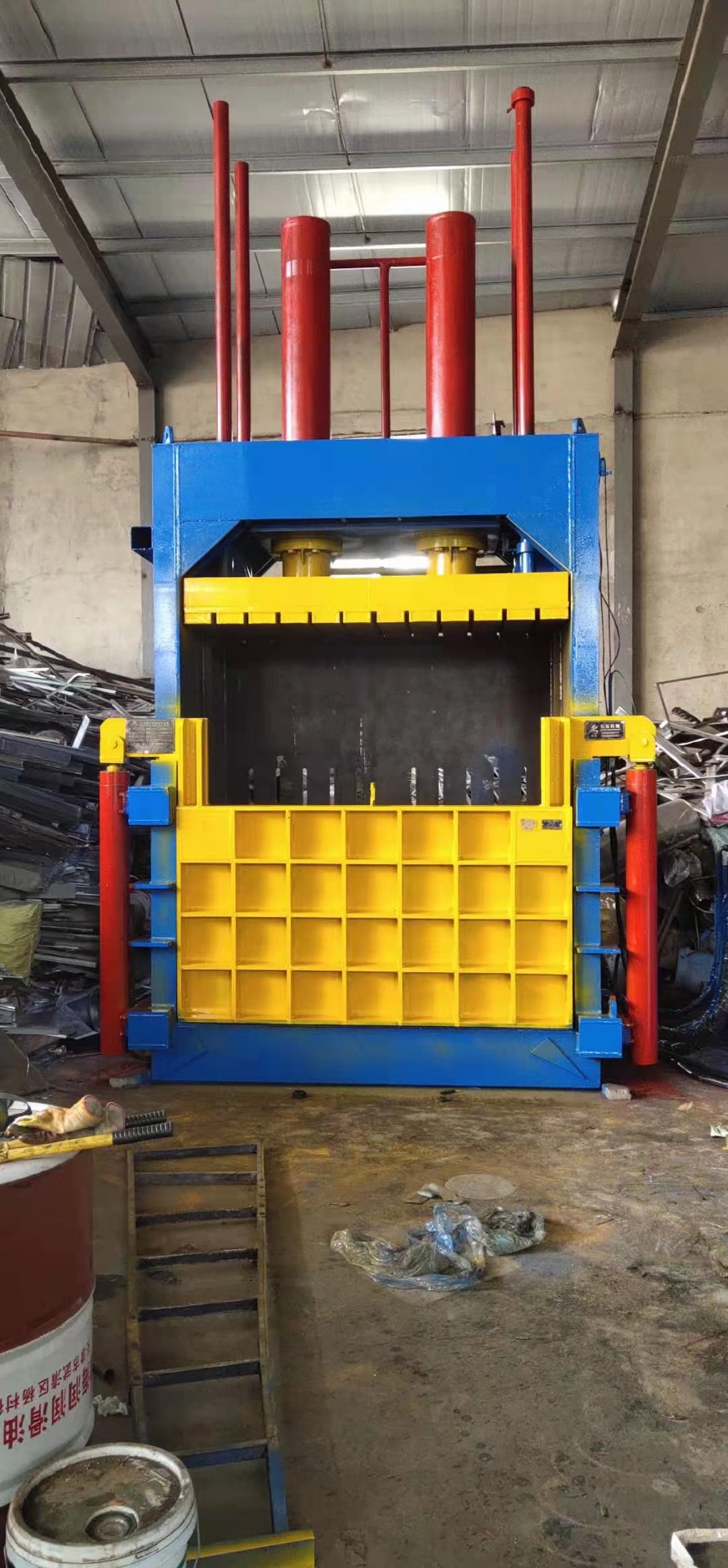
Key Collaboration Points for Procurement Teams
When engaging a hydraulic baler supplier, procurement professionals should focus on three critical areas. Standard Clarification: Clearly define material specifications (density, moisture content, bale dimensions) and required safety certifications upfront. For instance, the NK6040T10 waste paper baler handles 50–80 kg bales at 6–8 bales per hour under 10 MPa system pressure, whereas the NK-T90L double-chamber clothes baler (90 tons hydraulic power, 18.5 KW) processes 10–12 bales per hour weighing 75–150 kg. Aligning these parameters with operational needs prevents mis-specification. On-Site Assessment : Request a pre-shipment test (the supplier accepts a 40/60 payment term with 100% testing quality control) and, if possible, arrange a factory visit or remote video inspection of the 5000 m² workshop. After-Sales Support : Verify availability of remote technical support—the manufacturer offers this service—and confirm spare parts lead times (typically 30–45 days). A minimum order quantity of one unit and flexible FOB/CIF delivery terms further reduce procurement risk.
By systematically evaluating industry-specific requirements, supplier certification depth, and post-sale infrastructure, buyers can confidently select a hydraulic baler partner that aligns with their specialized operational goals.
Download Company Brochure for detailed product specifications and technical parameters.