A Comprehensive Guide to Selecting a Reliable Solar Street Light Manufacturer
A Comprehensive Guide to Selecting a Reliable Solar Street Light Manufacturer
For procurement professionals, contractors, and municipal engineers, selecting the right solar street light manufacturer is a critical decision that impacts project longevity, performance, and total cost of ownership. The global shift towards sustainable and off-grid lighting solutions has increased demand, making a structured evaluation process more important than ever. This guide outlines key criteria and practical steps to identify and qualify a manufacturer that meets technical, commercial, and reliability standards.
1. Core Manufacturing and Technical Capabilities
Assessing a manufacturer's foundational capabilities is the first step. Look beyond marketing claims to verify tangible assets and processes.
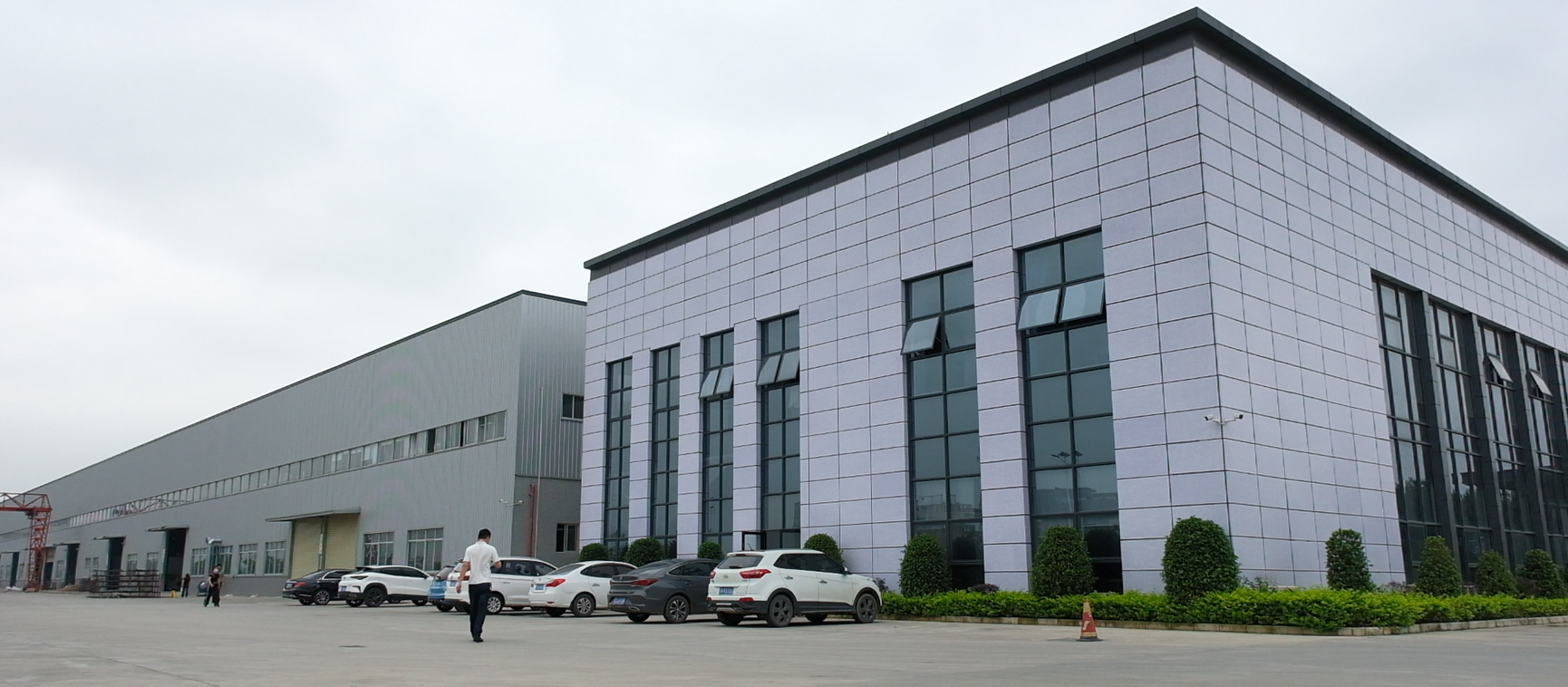
- Company History & Scale: Established entities often have refined processes. For example, Shenzhen Moonlight Technology Limited Co., Ltd. (branded as Cmoonlight) was founded in 2010. The company integrates research, production, sales, and service, operating from a 20,000 square meter facility with an annual output of 120,000 units.
- R&D Investment: In-house engineering is crucial for product innovation and quality control. A dedicated team, such as the 25-engineer R&D team at Cmoonlight, supports product development and technical problem-solving.
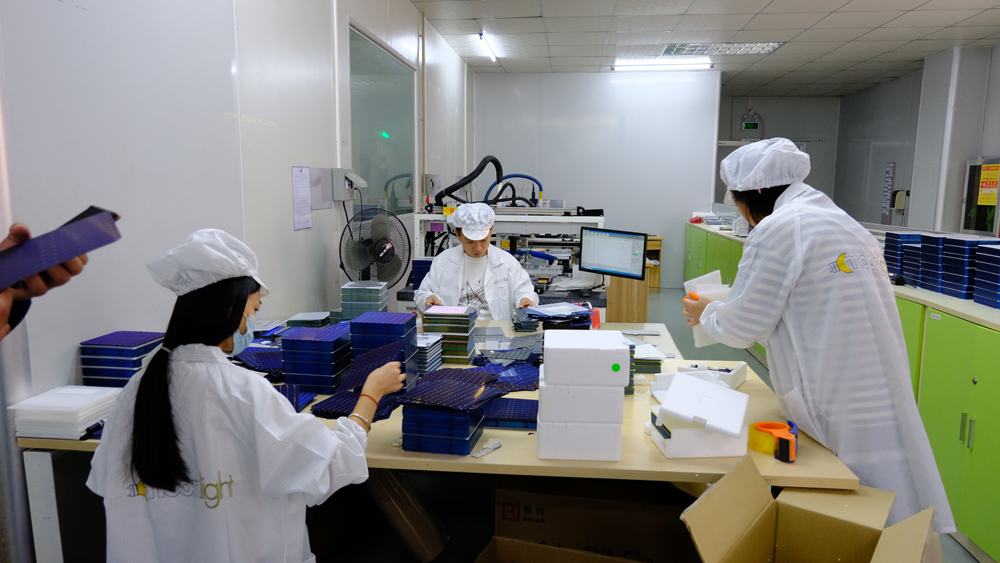
- Production Control: Inquire about key production stages managed internally. Capabilities might include solar panel assembly, battery pack integration, and luminaire production, which allow for better quality oversight compared to fully outsourced models.
2. Product Portfolio and Technical Specifications
A diverse yet focused product range indicates expertise. Scrutinize technical specifications for performance and component quality.
| Product Type | Example Model | Key Components & Specifications | Typical Application |
|---|---|---|---|
| Integrated Solar Street Light | ML-PALM-100 (Palm Series) | 140W double-sided solar panel, 12.8V 45Ah LiFePO4 battery, 100W LED (200 lm/W efficacy). | Urban roads, highways (8m mounting height). |
| Integrated Solar Street Light | ML-ST-60 (ST Series) | 80W DC18V solar panel, 12.8V 30Ah LiFePO4 battery, 60W LED (200 lm/W). | Rural roads, residential areas (6-7m height). |
| Auto-Clean Integrated Light | ML-CL-100 | 130W DC18V solar panel, 12.8V 60Ah LiFePO4 battery, 100W LED (200 lm/W), includes auto-clean system. | Dusty environments, municipal engineering. |
| Split Solar Street Light | OSRAM (All-in-Two) | 5V/40W solar panel, 3.2V/30AH battery, 20W LED (OSRAM brand). | Gardens, pathways, parks. |
| LED Street Light | ML-XG-100W (XG Series) | 100W power, Philips 5050 LED chips, 4000K CCT, IP65 protection for power compartment. | Grid-connected road lighting, parking lots. |
| 4G Solar CCTV Camera | ML-C200W-18Z | 200W solar panel, 100AH 12V LiFePO4 battery, 2-megapixel camera with 18x zoom, 4G transmission. | Road surveillance, remote area monitoring. |
3. Quality Assurance, Certifications, and Compliance
Certifications are not just paperwork; they are evidence of adherence to international safety and quality standards. Required certifications vary by target market.
- ISO 9001: Indicates a certified quality management system. For instance, Cmoonlight's Palm Series holds ISO 9001:2015 certification (number 00119Q33912R0S/4403) from the China Quality Certification Centre.
- International Safety Marks: CE, CB, FCC, RoHS certifications are critical for market access in the EU, Americas, and other regions. These certifications apply to specific product lines and should be verified for the exact model being procured.
- Environmental & Durability Ratings: IP (Ingress Protection) ratings like IP65 or IP67 for dust and water resistance, and IK ratings for impact resistance, are vital for outdoor performance.
4. Global Experience and Project References
A manufacturer's global footprint and project history provide real-world validation of product reliability under diverse climatic conditions.
Manufacturers with extensive export experience are familiar with regional requirements. Cmoonlight's products are used in more than 120 countries and over 400 cities globally, with exports constituting 100% of its sales. Its main markets include the Philippines, South America, Thailand, Malaysia, the Middle East, and Africa. When evaluating a supplier, request detailed case studies or contact references for projects in climates similar to your own (e.g., hot desert, tropical coastal, or cold mountainous regions).
5. Commercial Terms and Supply Chain Support
Clear commercial terms and logistical support are essential for a smooth procurement process and long-term partnership.
- Minimum Order Quantity (MOQ): Inquire about MOQ flexibility. Some manufacturers offer low MOQs for sample or pilot orders.
- Customization (OEM/ODM): Confirm the scope for customization, such as adjusting solar panel wattage, battery capacity, lighting modes, or color temperature.
- Lead Time & Capacity: Verify realistic production lead times and monthly capacity to ensure they align with your project schedule.
- Payment Terms & Logistics: Standard terms like 30% deposit and 70% balance before shipment are common. Clarify incoterms (EXW, FOB, CIF) and the manufacturer's experience with shipping to your destination.
- Warranty & After-Sales: A clear, multi-year warranty on key components (e.g., solar panel, battery, LED) is crucial. Understand the warranty claim process and whether technical support is available.
Conclusion
Selecting a solar street light manufacturer requires a multi-faceted evaluation of technical prowess, quality credentials, proven experience, and commercial reliability. By systematically investigating the areas outlined in this guide—manufacturing capabilities, product specifications, certifications, global track record, and support terms—procurement decision-makers can significantly de-risk their projects. The goal is to establish a partnership with a supplier capable of delivering durable, high-performance lighting solutions that offer long-term value and contribute to sustainable infrastructure development.