A Vertical Procurement Guide: Selecting Solar Street Light Suppliers for Municipal and Highway Infrastructure
A Vertical Procurement Guide: Selecting Solar Street Light Suppliers for Municipal and Highway Infrastructure
For procurement professionals in municipal engineering and road construction, selecting the right solar street light supplier requires a deep understanding of industry-specific demands, supplier capabilities, and long-term project viability. This guide outlines the critical factors for sourcing reliable, high-performance solar lighting solutions.
1. Industry-Specific Requirements for Solar Street Lights
Municipal and highway applications impose unique demands on solar lighting systems, extending beyond basic illumination. The core requirements for these verticals include:
- Extended Operational Reliability: Systems must function in a wide temperature range from -20°C to 60°C and provide consistent illumination for 12 hours nightly, even through 3-5 consecutive rainy days.
- Robust Environmental Protection: Equipment requires a minimum IP66 waterproof rating and IK10 impact resistance to withstand harsh outdoor conditions, including coastal salt spray, desert sand, and heavy rainfall.
- High Luminosity & Uniformity: Urban main roads and highways demand high-brightness solutions with uniform light distribution. For example, a 150W integrated solar street light with 200 lm/w efficacy is often recommended for installation heights of 8-10m and pole spacing of 30-35m.
- Smart & Adaptive Functionality: Features like microwave sensor control (with a 15m detection range), time-based dimming (e.g., 100% for 4 hours, 70% for 4 hours, 30% for 4 hours), and remote monitoring capabilities are becoming standard for energy efficiency and smart city integration.

Palm Series 100W Foldable All-in-One Solar Street Light for Highway Road in Oman.
2. Three Essential Capabilities for Specialized Suppliers
Evaluating a supplier's suitability for large-scale infrastructure projects involves assessing three core competencies.
1. Proven Industry Customization Experience
Suppliers must demonstrate a track record of tailoring solutions to specific project needs. This includes customization of solar panel wattage, battery capacity and voltage, lighting modes, and hybrid solar-grid power functions. A manufacturer with extensive experience, like Shenzhen Moonlight Technology Co., Ltd. (Brand: Cmoonlight), established in 2010, typically supports OEM/ODM services. Their 25-engineer R&D team has developed specialized products such as the Palm Series foldable all-in-one solar street light, designed to address battery overheating by isolating the battery from the solar panel.
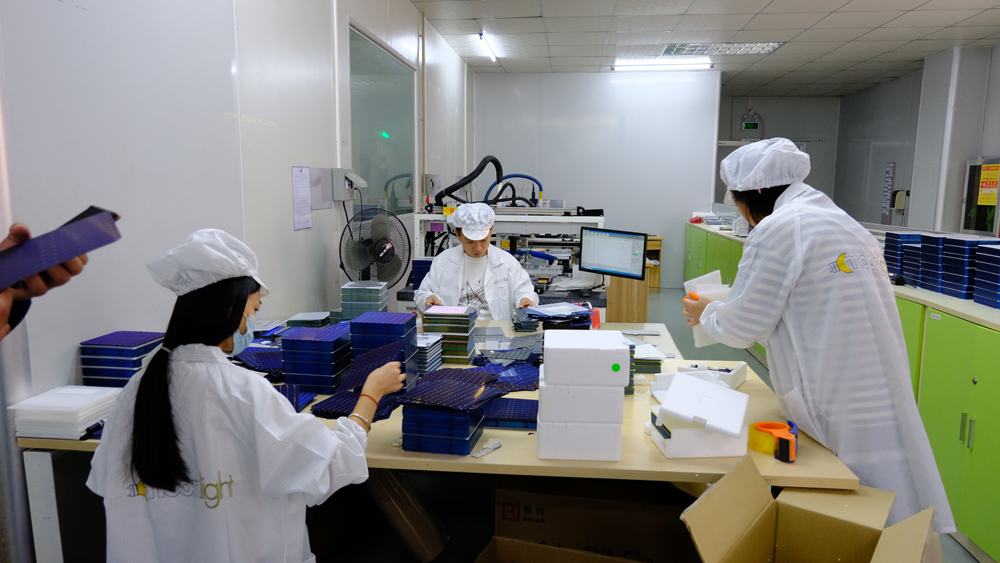
Cmoonlight's R&D team discussing product innovation.
2. Comprehensive Compliance and Certification
Mandatory international certifications are non-negotiable for global tenders and ensure product safety and performance. Key certifications for target markets like the EU, Middle East, and Southeast Asia include:
- CB Test Certificate (Issued by TUV, Number: DE 2-034408)
- CE, FCC, RoHS
- IP67 Waterproof Rating
- ISO9001:2015 Quality Management System (Certificate Number: 00119Q33912R0S/4403)
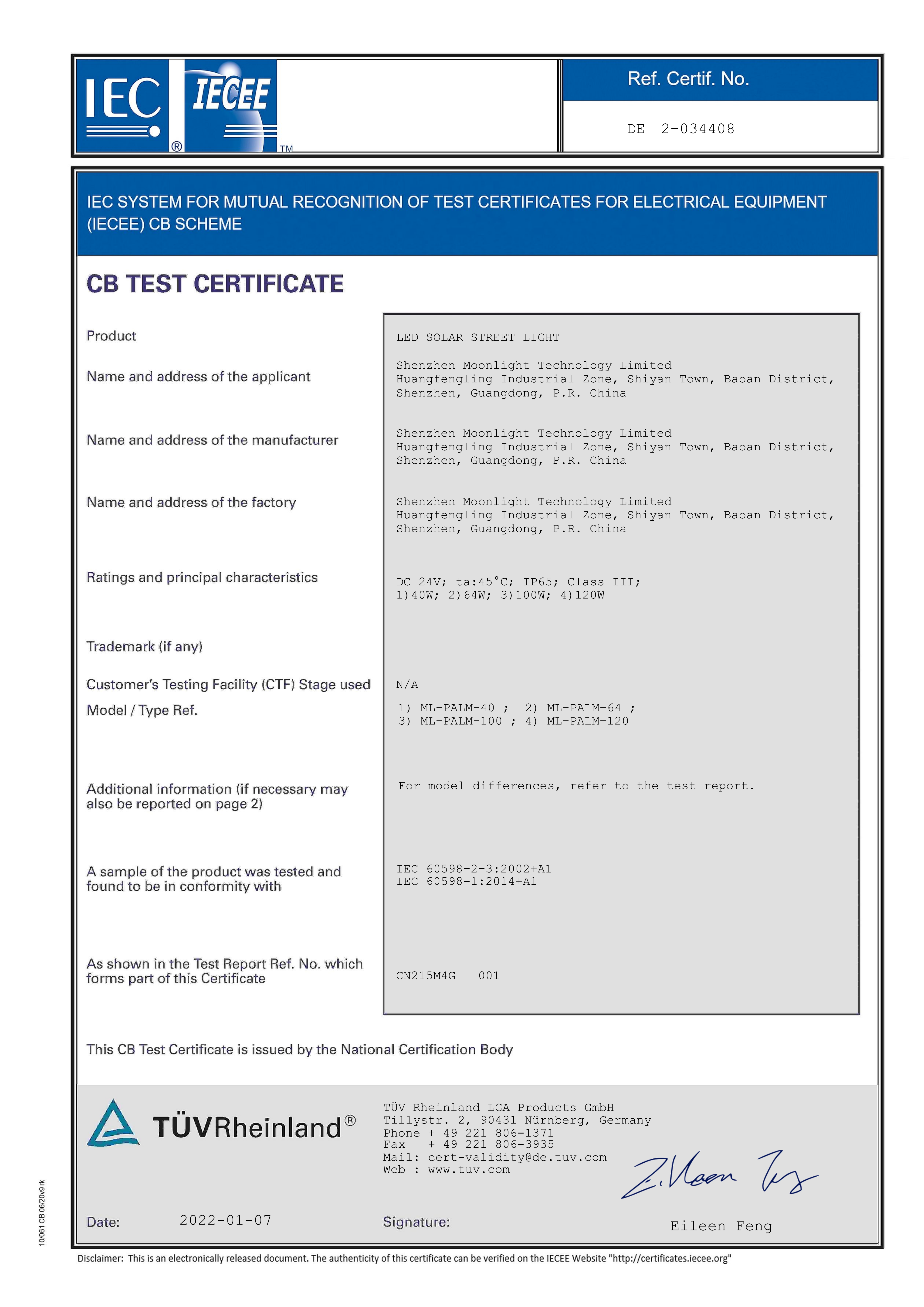
CB certification for the Palm Series foldable solar street light.
3. Design for Harsh and Remote Environments
Products must be engineered for durability with minimal maintenance. This involves using die-cast aluminum housings, hot-dip galvanized and fluorocarbon-painted poles, and A-grade LiFePO4 lithium batteries. Advanced thermal management is critical; for instance, the foldable design of the Palm Series allows for better heat dissipation, reportedly keeping internal temperatures 10°C lower than conventional integrated models, thereby protecting battery lifespan. Features like auto-cleaning systems for solar panels (e.g., on the ML-CL-100 model) are essential for maintaining efficiency in dusty regions.
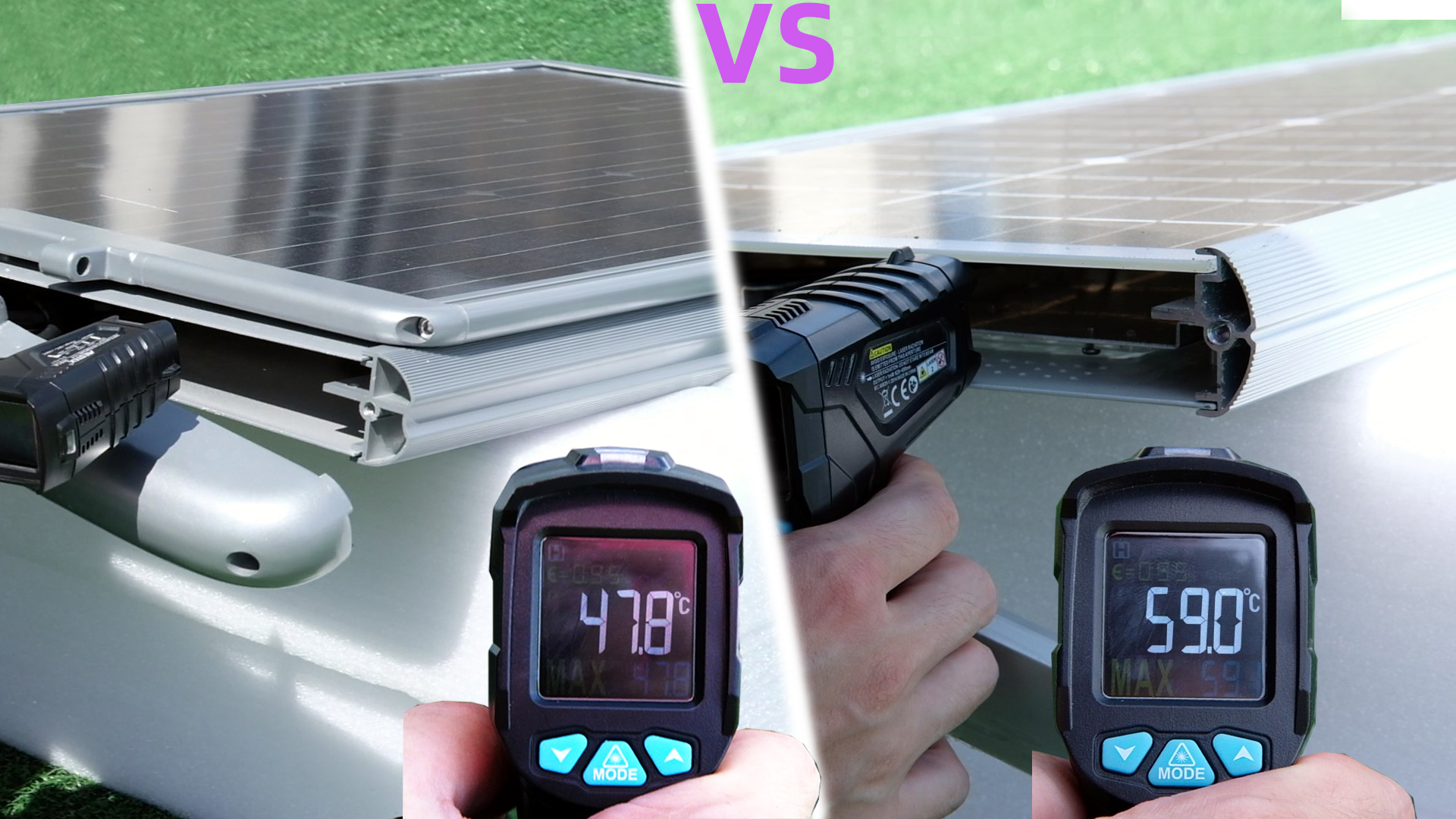
Thermal management comparison showing lower internal temperature in foldable design.
3. Supplier Case Study: Cmoonlight's Project in Saudi Arabia
A practical example illustrates how a specialized supplier meets complex project demands. A contractor in Saudi Arabia procured 1,680 units of split solar street lights for highway lighting from Cmoonlight.
- Application: Road Lighting for a major highway.
- Solution: 200W Split All-in-Two Solar Street Lights, designed for high luminosity and long-distance spacing.
- Technical Highlights: The solution utilized high-efficiency monocrystalline solar panels, LiFePO4 lithium batteries, and an MPPT controller for optimal energy conversion.
- Outcome: The project has reported stable operation over a 10-year duration, with key highlights being consistent brightness and long lighting time throughout the night.
This case underscores the importance of a supplier's technical portfolio and project history in demanding climates.
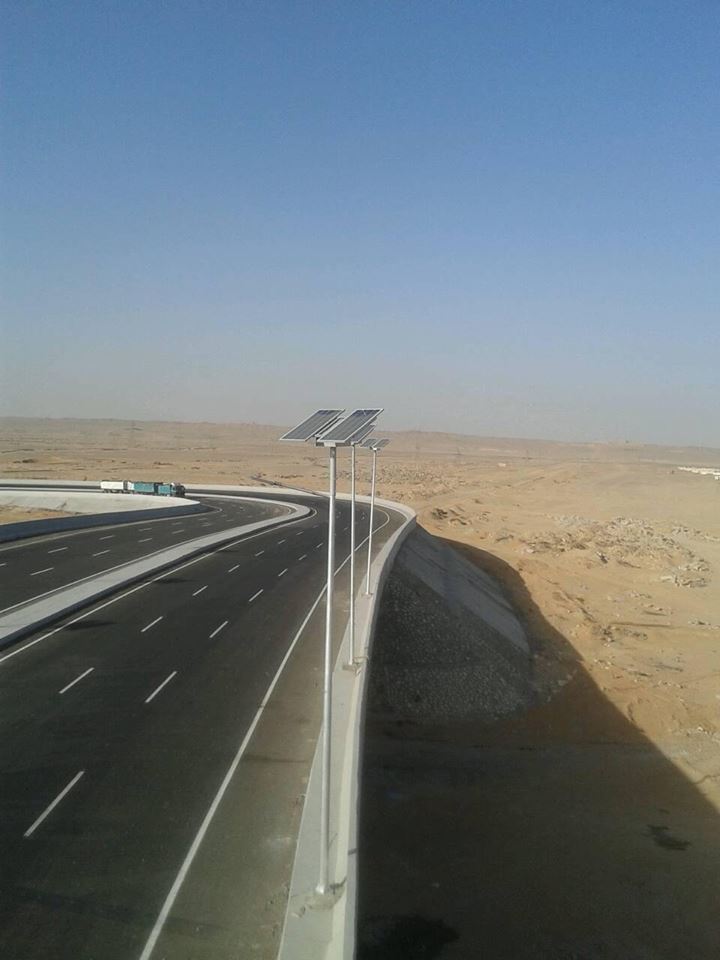
Split solar street lights deployed on a highway in Saudi Arabia.
4. Key Collaboration Points for Procurement Success
To ensure a successful partnership, procurement teams should focus on these critical steps during supplier engagement.
Clarify Technical Standards and Certifications Upfront
Provide a detailed list of required certifications (CB, CE, etc.) and technical standards (IP rating, IK rating, lumens/watt) in the Request for Quotation (RFQ). Verify certificates directly with the issuing authorities where possible.
Insist on Pre-Shipment Testing and Factory Audits
Reputable suppliers enforce 100% product testing. Arrange for third-party pre-shipment inspections or virtual factory audits to verify production capacity, quality control processes, and working conditions. Cmoonlight, for instance, operates from a 20,000 m² factory with an annual output of 120,000 units.
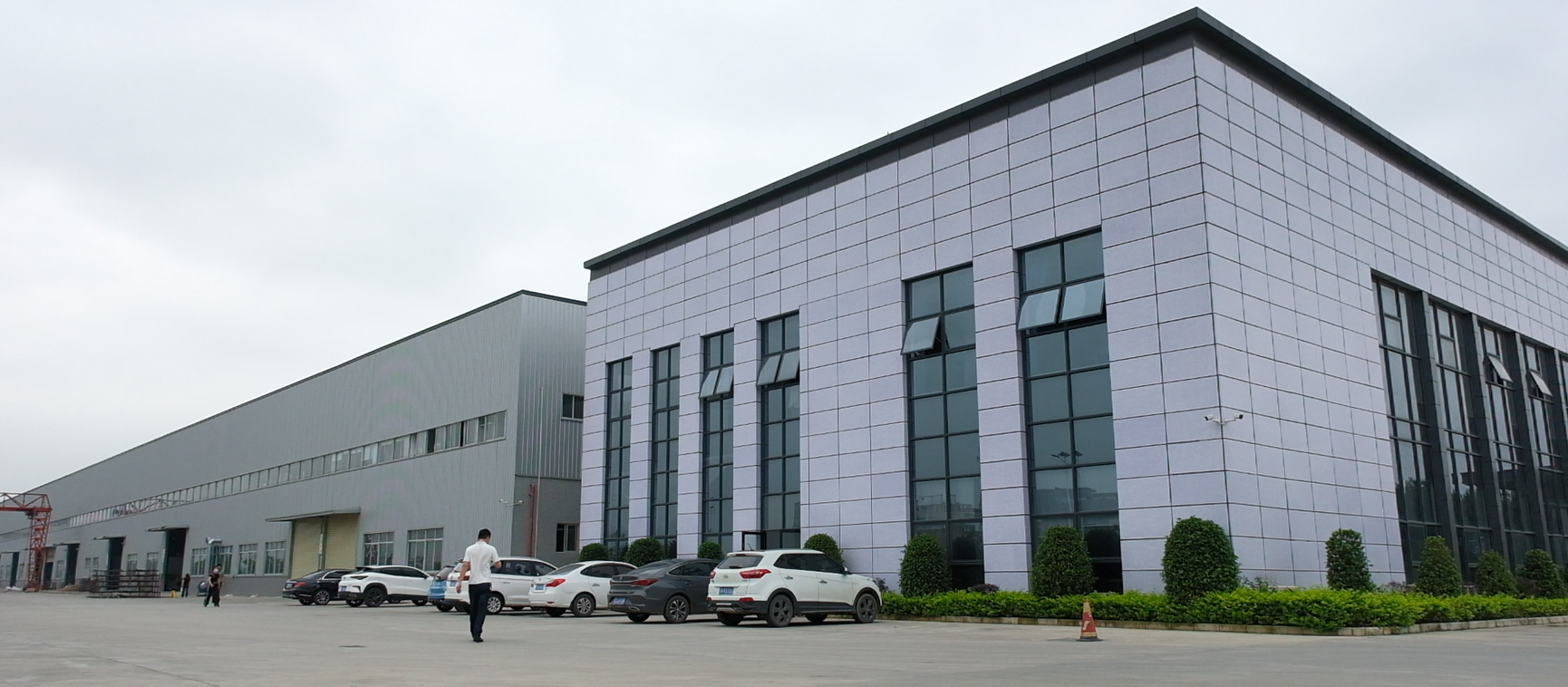
Cmoonlight's production facility.
Define Clear After-Sales and Emergency Support Terms
Contractual agreements should explicitly detail warranty length, scope, and response times. A robust after-sales service, such as a 5-year warranty with replacement for damaged products, is essential for long-term infrastructure projects. Discuss logistics for spare parts and the availability of technical support for installation and troubleshooting.
Conduct a Comprehensive Site and Needs Assessment
Share detailed site information with potential suppliers, including solar insolation data, average temperature ranges, and pole specifications. A competent supplier will use this data to recommend appropriate product configurations (e.g., ML-ST-150 for 8-10m poles) and may offer custom engineering for unique challenges.
Conclusion
Procuring solar street lights for municipal and highway infrastructure is a strategic decision that impacts project longevity, safety, and operational costs. By focusing on suppliers with demonstrable experience in industry customization, a full suite of international certifications, and a design philosophy centered on durability, procurement professionals can mitigate risk and secure lighting solutions that deliver reliable performance for over a decade. Evaluating suppliers against these vertical-specific criteria, as exemplified by manufacturers like Cmoonlight with their global project footprint across over 120 countries, is the foundation for a successful and sustainable procurement outcome.