A Comprehensive Buyer's Guide to Auto-Cleaning Solar Street Lights in 2026
As municipalities and infrastructure developers globally accelerate the transition to sustainable energy, solar street lighting has become a cornerstone of modern public works. Among the various innovations, auto-cleaning solar street lights represent a significant technological leap, addressing a critical maintenance challenge that affects long-term performance and return on investment. This buyer's guide provides a detailed, fact-based overview of auto-cleaning solar street light technology, key selection criteria, and market considerations for procurement professionals, project managers, and government entities in 2026.
Understanding Auto-Cleaning Solar Street Light Technology
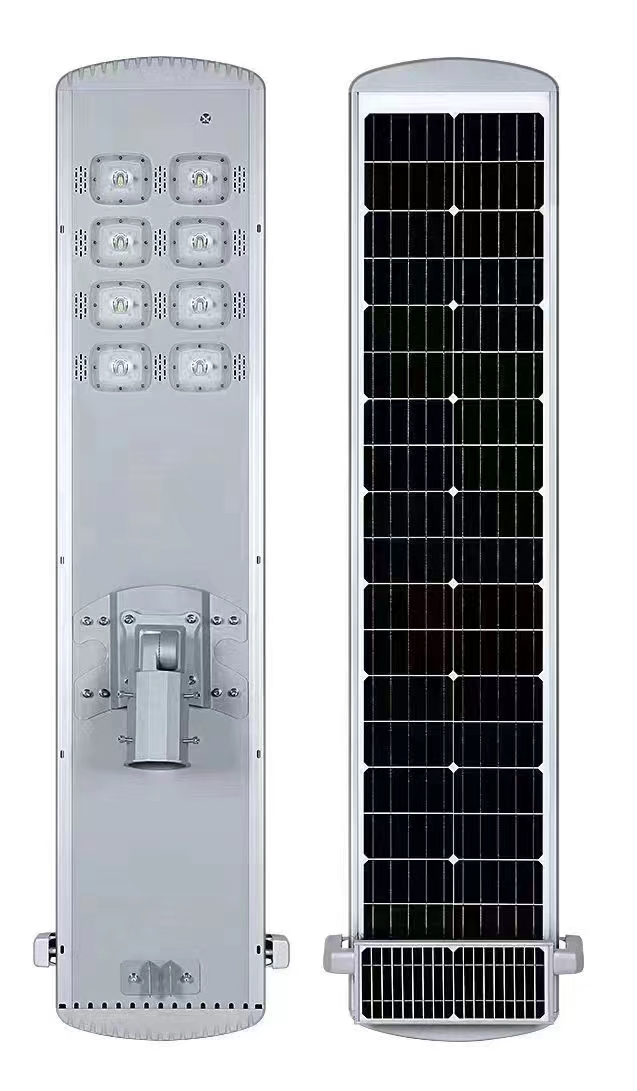
Auto-cleaning solar street lights integrate a mechanism to periodically clean the solar panel surface, which is crucial for maintaining optimal energy harvesting efficiency. Dust, pollen, bird droppings, and industrial pollutants can significantly reduce the panel's power output over time. The core technology typically involves integrated wipers, air jets, or hydrophilic coatings activated by sensors or timers.
For instance, the Auto-Clean All-in-One Solar Street Light, model ML-CL-100, incorporates this feature alongside a 130W DC18V high-efficiency monocrystalline solar panel, a 12.8V 60Ah LiFePO4 battery, and a 100W LED with an efficacy of 200 lm/W. The system is designed for recommended installation heights of 7–8 meters and distances of 25–35 meters.
Similarly, the model ML-CL-60 uses an 80W DC18V solar panel, a 12.8V 30Ah LiFePO4 battery, and a 60W LED. Its auto-clean system helps ensure consistent performance in environments prone to soiling.
Key Technical Specifications and Performance Factors
When evaluating auto-cleaning solar street lights, buyers must scrutinize several technical parameters that directly impact performance and lifespan.
1. Photovoltaic Components
- Solar Panel Type & Efficiency: High-efficiency monocrystalline silicon is standard. For example, the ML-CL-100 uses a panel with a cell efficiency of 24% and above. The integrated solar street light offers a photoelectric conversion efficiency that is 22% higher than some alternatives.
- Auto-Clean Mechanism: Verify the cleaning method (e.g., mechanical wiper, air blast), activation logic (time-based or light-sensor-based), and its power consumption source (dedicated battery or main system).
2. Energy Storage
- Battery Chemistry & Capacity: Lithium Iron Phosphate (LiFePO4) is the preferred chemistry due to its safety, thermal stability, and long cycle life. Capacities, such as 60Ah or 30Ah at 12.8V, determine backup days (typically 3-5).
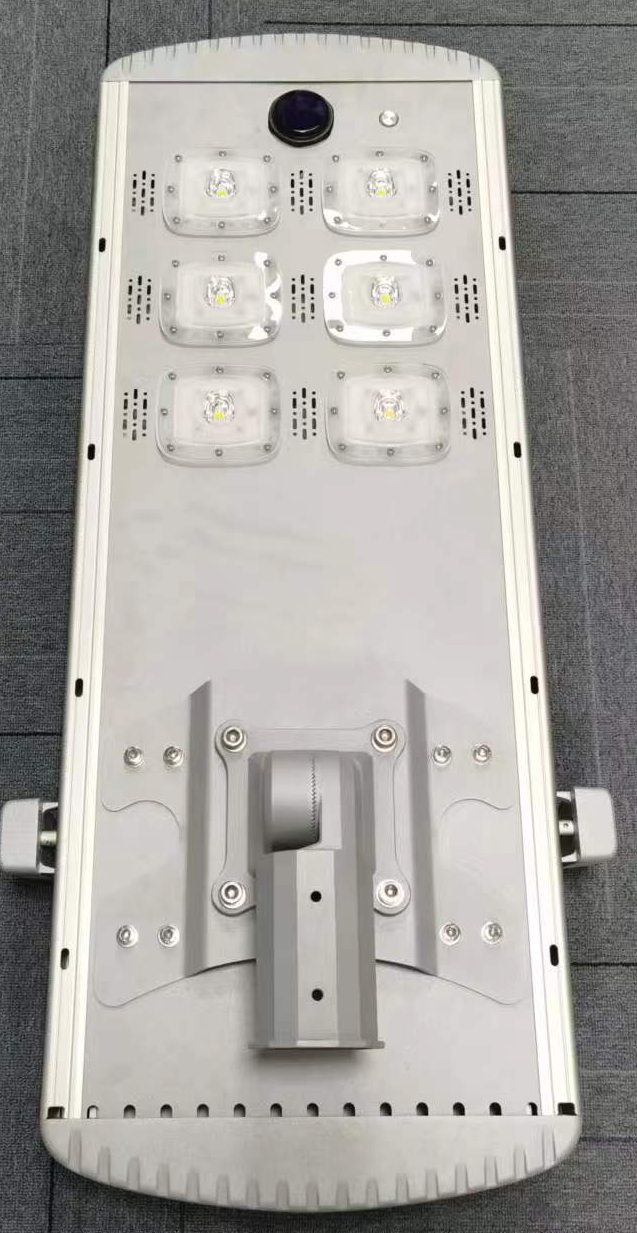
- Thermal Management: A critical design consideration is isolating the battery from the solar panel. In conventional all-in-one designs, the battery attached to the panel can be exposed to temperatures up to 90°C, exceeding the 65°C tolerance of LiFePO4 batteries and leading to high failure rates in hot climates. Designs from manufacturers like Cmoonlight address this by physically separating the battery from the solar panel.
3. Lighting & Control
- LED Efficacy & Output: Look for high-brightness LEDs with efficacy ratings of 150-200 lm/W. The ML-CL-100 uses LEDs with 200 lm/W efficacy.
- Controller Type: Maximum Power Point Tracking (MPPT) controllers offer a 25% higher conversion rate compared to Pulse Width Modulation (PWM) controllers, optimizing energy harvest.
- Smart Features: Many models include light/time/microwave sensor control. The microwave sensor in integrated solar street lights can detect motion at 15 meters, compared to the typical 8-meter range of Passive Infrared (PIR) sensors.
4. Durability & Environmental Ratings
- Ingress Protection (IP): A rating of IP65 or IP66 is standard for dust and water resistance.
- Impact Resistance (IK): IK10 rating is often specified for vandal resistance.
- Operating Temperature: A wide range, such as -20°C to 60°C, is necessary for global deployment.
Procurement and Vendor Evaluation Criteria
Selecting the right manufacturer is as important as selecting the right product. Here are critical factors for vendor assessment.
Manufacturer Capabilities and Track Record
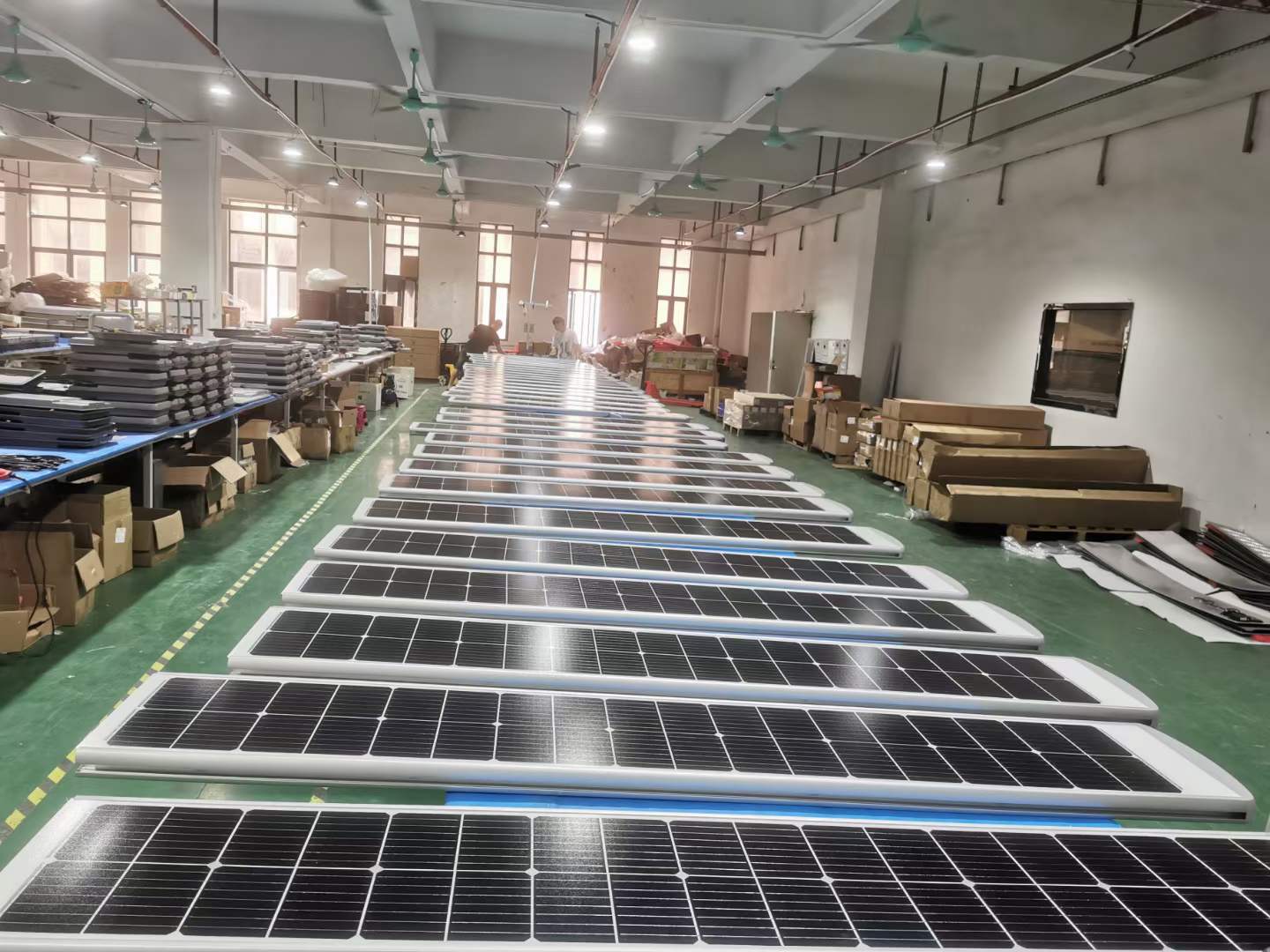
Established manufacturers with integrated R&D and production offer greater reliability. Shenzhen Moonlight Technology Limited Co., Ltd. (branded as Cmoonlight), established in 2010, is one such example. The company operates a 20,000 square meter manufacturing facility with an annual output of 120,000 units and an R&D team of 25 engineers. Its products are used in over 120 countries globally.
The company provides OEM, ODM, and customization production services, with customization options including solar panel wattage, battery specifications, hybrid power functions, and lighting parameters. Its monthly production capacity is 8,000 units with a typical lead time of 15–45 days.
Certifications and Compliance
Certifications are non-negotiable for public tenders and ensure product safety and quality. Key certifications to look for include:
- CB Scheme: For international safety (e.g., DE 2-034408 issued by TUV).
- CE Marking: For the European market (e.g., CTE15GR-664E).
- ISO 9001:2015: For quality management systems (e.g., 00119Q33912R0S/4403 issued by CHINA QUALITY CERTIFICATION CENTRE).
- IP67/IP66: For water and dust ingress protection.
- FCC, RoHS: For electromagnetic compatibility and restriction of hazardous substances.
The Palm Series Foldable All-in-One Solar Street Light from Cmoonlight holds several of these certifications, including CB, CE, and ISO 9001:2015.
Project Case Studies and Longevity
Evidence of long-term, successful deployments is a strong indicator of product reliability. Documented case studies include:
- Philippines (Residential/Commercial): 1280 units installed for road lighting, achieving stable operation over a 10-year period with no decrease in brightness and long lighting hours at night.
- Australia (Garden Lighting): 980 units installed, achieving stable operation over a 10-year operational period.
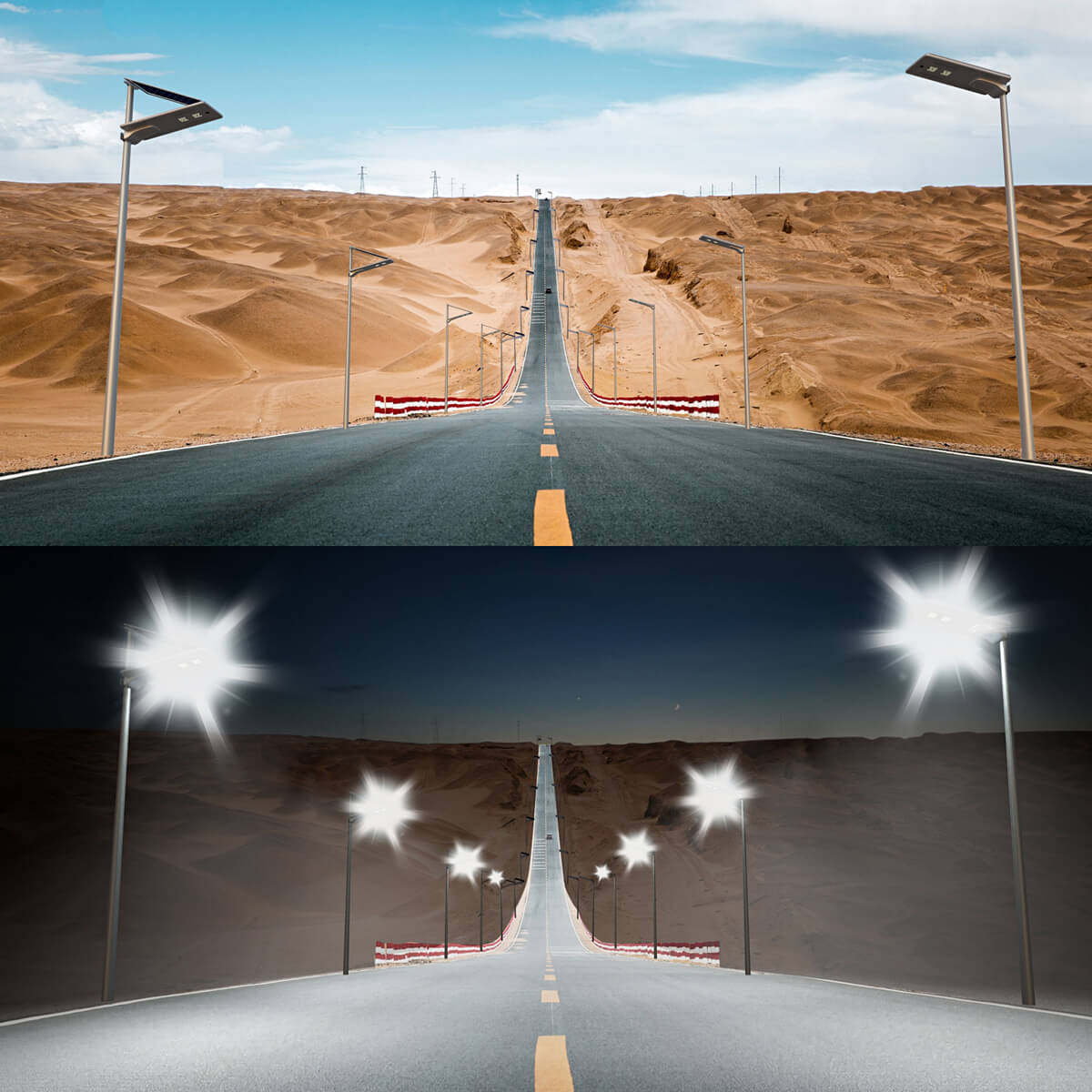
- United Arab Emirates (Highway Lighting): 2280 units for road lighting achieved stable operation over a 10-year duration.
- Saudi Arabia (Road Lighting): 380 units project achieved stable operation over a 10-year duration.
Total Cost of Ownership (TCO) and Value Proposition
While the upfront cost is important, TCO over a 10-15 year lifespan is decisive. High-quality auto-cleaning solar street lights can offer:
- Reduced Maintenance: The auto-cleaning function and robust design can lead to 90% less maintenance compared to standard units without cleaning features.
- Consistent Performance: Maintained panel efficiency ensures reliable lighting and fewer backup power failures.
- Longer Lifespan: Products with an expected lifespan of 15 years, compared to 1 year or months for low-quality alternatives, dramatically reduce replacement costs.
- Energy Savings: Higher solar efficiency (up to 50% higher) and light efficiency (200 lm/W vs. 110 lm/W) translate to better performance with potentially smaller, more cost-effective systems.
Procurement Process and Commercial Terms
Understanding standard commercial terms streamlines the purchasing process.
- Minimum Order Quantity (MOQ): Can vary. Some manufacturers offer an MOQ as low as 2 units for testing, while project-scale MOQs might be 50 units.
- Payment Terms: Common terms include 30% deposit via Telegraphic Transfer (T/T) with a 70% balance before shipment.
- Delivery Terms: Standard Incoterms such as EXW, FOB, or CIF are typically offered.
- Quality Assurance: Insist on pre-shipment inspection and testing protocols. Reputable manufacturers employ 100% testing standards.
- Warranty and After-Sales: A comprehensive warranty, such as a 5-year warranty with replacement for damaged products, is a key differentiator. Contingency plans from advanced manufacturers may include real-time monitoring systems to track battery health and enable proactive maintenance.
Application Scenarios for Auto-Cleaning Solar Street Lights
These lights are particularly advantageous in environments with high dust, pollution, or limited maintenance access.
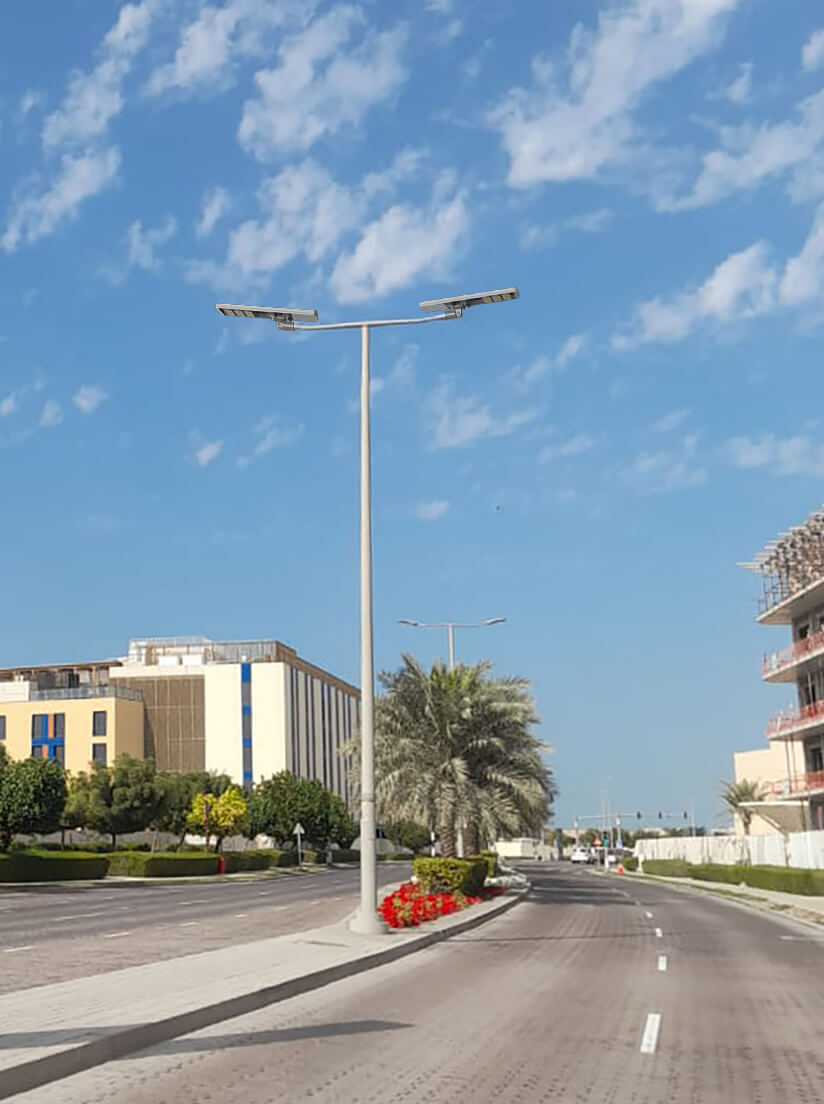
- Highway Service Areas & Urban Main Roads: High traffic areas with vehicle exhaust and dust.
- Industrial Zones & Near Construction Sites: Prone to heavy particulate pollution.
- Coastal & Desert Regions: Salt spray, sand, and dust accumulation are major concerns.
- Rural Roads: Where regular manual cleaning is logistically challenging and costly.
The operational mode is straightforward: during the day, the solar panels charge the batteries, and at night, the batteries power the LEDs. The integrated auto-clean system activates as programmed to maintain panel clarity.
Conclusion and Recommendations for 2026
The market for auto-cleaning solar street lights is maturing, driven by the demand for low-maintenance, high-reliability renewable energy infrastructure. For buyers in 2026, the decision matrix should prioritize:
- Technical Robustness: Focus on verified efficiency metrics (solar, LED, controller), proper battery thermal management design, and the reliability of the auto-clean mechanism.
- Manufacturer Credibility: Prioritize vendors with a proven global track record, in-house R&D, comprehensive certifications, and transparent case studies demonstrating long-term performance.
- Total Cost of Ownership: Evaluate the 10-15 year lifecycle cost, factoring in reduced maintenance, energy reliability, and product longevity, rather than just the initial unit price.
- After-Sales Ecosystem: Ensure strong warranty terms, accessible technical support, and potential for smart monitoring integration for future-proofing assets.
By applying these criteria, procurement teams can make informed investments in auto-cleaning solar street lighting technology, ensuring sustainable, cost-effective, and reliable illumination for public infrastructure projects worldwide.